
PCB 137B22B Pressure Sensors: Hemolysis-Safe Flow Profiles for Clinical Systems ROI
Red blood cell hemolysis in extracorporeal circuits and infusion systems is strongly associated with unmonitored pressure spikes, high shear regions, and turbulent flow generated by pumps and constrictions. Integrating high‑bandwidth quartz sensors such as…
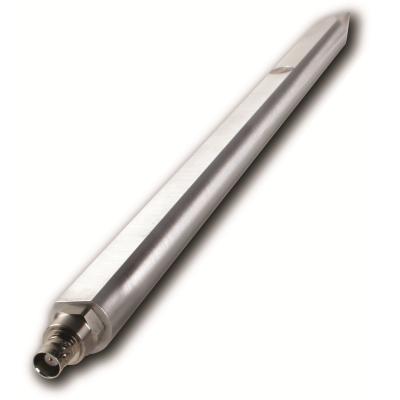
Red blood cell hemolysis in extracorporeal circuits and infusion systems is strongly associated with unmonitored pressure spikes, high shear regions, and turbulent flow generated by pumps and constrictions. Integrating high‑bandwidth quartz sensors such as the PCB 137B22B into pencil‑style pressure taps and dynamic pressure profiling allows biomedical engineers to detect micro‑shocks and high‑pressure transients early, optimizing flow stability and reducing hemolysis risk without over‑engineering the entire fluid pathway.
What PCB 137B22B Does & Ideal Clinical-Engineering Profile
PCB Piezotronics’ 137B22B is part of a family of miniature pencil‑style dynamic pressure sensors that use quartz crystal elements to measure fast transient pressures in fluids and gases, typically with ranges suitable for high‑frequency phenomena like pulsatile flow and shock waves. Quartz sensors operate on the piezoelectric principle: mechanical stress on the crystal generates proportional charge, enabling measurement of rapid pressure changes far beyond the bandwidth of slow, strain‑gauge systems.
While the 137B22B model details must be confirmed in the manufacturer datasheet, sensors in this class generally offer:
- Pencil‑style geometry with diameters in the single‑millimeter range, minimizing flow disturbance when embedded in tubing or manifolds.
- High natural frequency (often tens to hundreds of kilohertz), allowing capture of micro‑shocks and high‑pressure transients.
- Compatibility with dynamic pressure ranges relevant to roller pumps, centrifugal pumps, and clinical fluid circuits.
These sensors are ideally suited for:
- Hospital perfusion teams running cardiopulmonary bypass, ECMO, or dialysis circuits where hemolysis risk is tightly linked to pump occlusion and negative pressure events.
- Biomedical engineers designing research test stands for catheters, infusion systems, and microfluidic devices where transient pressure mapping informs product development.
- Clinical R&D units in medtech companies validating new pump geometries, cannula designs, or flow‑stability sensors.
ALLWILL can coordinate sourcing of PCB 137B22B units, reference amplifiers, and compatible data acquisition hardware, matched to certified pre‑owned pumps or test rigs so institutions avoid piecemeal purchases.
Core Analysis: Hemolysis, Pressure Spikes, and Turbulence (Technical Side-Effects Mode)
The title explicitly references hemolysis, dynamic pressure profiles, and mechanical parameters, so the routing logic calls for a technical side‑effects outline: deep physics and engineering, culminating in a BME technical maintenance checklist rather than a cost table.
Clinical Link Between Pressure Spikes, Turbulence, and Hemolysis
Hemolysis is the rupture of red blood cells with release of hemoglobin into plasma. It is a recognized complication of extracorporeal circulation and aggressive blood handling. Studies show:
- Excessive negative pressure at the inlet of collection or extracorporeal circuits can increase hemolysis by causing cavitation and high shear near pump heads or narrow passages.
- Over‑occluded roller pumps generate high positive pressures and sharp pressure gradients, leading to excessive squeeze on cells and elevated hemolysis rates.
- Turbulent flow, high Reynolds numbers, and abrupt expansions/contractions in tubing or connectors intensify shear stress and impact loading on red cells.
Dynamic occlusion methods for roller pumps target specific pressure ranges (about 150–250 mmHg at low set RPM, such as 5 rpm) to minimize hemolysis while ensuring adequate closure. If occlusion is too tight, line pressure overshoots above 250–300 mmHg even at slow flows, correlating with increased hemolysis. If occlusion is too loose, backflow and unstable pulsatility can occur.
However, many clinical circuits monitor only average or slowly changing pressures. Micro‑shocks—short spikes lasting milliseconds—may go undetected by conventional transducers yet still contribute to cumulative red cell damage.
Dynamic Pressure Profiling with Quartz Sensors and Pencil Geometry
Quartz‑based dynamic pressure sensors are uniquely suited to capture these micro‑shocks:
- High bandwidth: They can resolve transients beyond the bandwidth of slow sensors, revealing pressure spikes caused by valve closures, pump blade passage, or cavitation events.
- Small footprint: Pencil‑style designs minimize flow disturbance while placing the sensing element close to the core of the flow, improving fidelity in turbulent and pulsatile regimes.
- Integration flexibility: Designers can insert them into test circuits, manifolds, and inline adapters without major redesign of patient‑facing hardware.
By combining quartz dynamic sensors with conventional static pressure transducers, clinical engineers can build a richer picture of pressure behavior: slow trends for safety limits plus fast profiles for hemolysis risk analysis.
Mid‑article CTA: If your bypass or ECMO team is relying solely on slow pressure monitors, request a quote from ALLWILL for PCB 137B22B‑class sensors and compatible data acquisition so you can expose hidden micro‑shock patterns and revisit occlusion settings.
Revenue and Operational Impact: Payback Math for Pressure-Sensor Upgrades
There is a direct economic dimension to hemolysis monitoring:
- Clinical cost of hemolysis: Hemolysis can necessitate transfusions, prolong ICU stays, and increase risk of organ dysfunction, all of which add tens of thousands of USD to total care costs per affected patient.
- Operational impact: High hemolysis rates can trigger protocol changes, regulatory scrutiny, and reputational risk, especially for centers advertising high‑quality extracorporeal care.
- Asset management: Unoptimized pump occlusion and tubing geometry can reduce pump life and increase maintenance costs due to excessive mechanical stress.
Adding dynamic pressure profiling with PCB 137B22B sensors is relatively modest in cost—sensors and electronics typically land in the mid‑three to mid‑four‑figure range per test stand or circuit, depending on quantity and signal‑conditioning requirements. The ROI arises when:
- Improved occlusion and flow stability reduce hemolysis complications across dozens or hundreds of cases per year.
- Better data enables more efficient pump and tubing designs, lowering consumable costs or extending time between major maintenance events.
- Clinical R&D can generate robust evidence for regulatory submissions and marketing claims about flow stability and hemocompatibility, supporting device sales.
For medtech manufacturing labs, the financial upside tightens around product quality: using quartz sensing during development helps avoid costly redesigns and post‑market problem‑solving when hemolysis metrics disappoint.
Mid‑article CTA: Once you’ve mapped the financial impact of hemolysis‑related complications, request a quote from ALLWILL for PCB 137B22B sensors and an integrated testing bundle so you can quantify dynamic pressure behavior before your next pump or tubing iteration.
Differentiated Advantage: Why Pencil-Style Quartz Sensors Matter in High-Pressure Clinical Systems
Pencil‑style quartz dynamic pressure sensors such as PCB 137B22B offer practical differentiation compared with bulkier or slower pressure monitors:
- Geometry tailored to biomedical flows: Slim probes with small sensing tips can be embedded close to the main flow in narrow tubing without excessive protrusion, limiting flow separation and turbulence around the sensor itself.
- High‑frequency response: Quartz elements, coupled with appropriate charge amplifiers, can capture pressure waveforms at kilohertz frequencies, including shock fronts and very steep gradients that standard ICU transducers cannot resolve.
- Robustness in challenging environments: Many PCB sensors are designed for harsh environments (combustion, aerospace), meaning they are well suited to high‑pressure transient testing in biomedical circuits that intentionally push systems to worst‑case limits during validation.
Alternative devices include MEMS‑based flow and pressure sensors, which offer compact integration but may have different bandwidth and sensitivity characteristics. For hemolysis risk profiling, the combination of quartz dynamic pressure sensing with MEMS flow sensors and conventional clinical transducers is often optimal: each technology captures a different slice of the fluid‑dynamic reality.
ALLWILL can help institutions and manufacturers design mixed‑sensor architectures that align hardware capabilities with hemolysis‑relevant metrics, rather than over‑relying on any single modality.
Practical BME Technical Maintenance Checklist (Dynamic Pressure & Hemolysis)
Because the focus here is technical and side‑effect related (hemolysis, fluid mechanics, sensor physics), the mandated practical aid is a BME Technical Maintenance Checklist rather than a cost table. Use this as a working framework when integrating PCB 137B22B‑class sensors into clinical or R&D systems.
Hemolysis-Safe Pressure Profiling Checklist
- Map the Circuit and Risk Points
- Identify pump heads, occlusion segments, constrictions, connectors, and cannula transitions where high shear and turbulence are likely.
- Flag negative‑pressure zones (inlet lines, suction ports) where cavitation or excessive vacuum could occur.
- Specify Sensor Locations and Geometry
- Select pencil‑style quartz sensor positions that sample core flow without inducing additional separation (e.g., flush‑mounted in straight sections, avoiding sharp bends).
- Ensure sensor tips are aligned with flow direction to minimize artifacts.
- Define Dynamic Pressure Ranges and Bandwidth Needs
- Based on pump type and expected shocks, set dynamic range targets (e.g., up to several hundred mmHg or more) and frequency coverage (hundreds to thousands of Hz).
- Choose amplifiers and DAQ with matching bandwidth and noise performance.
- Calibrate and Cross-Validate Against Static Sensors
- Perform calibration runs where quartz sensors and standard clinical transducers measure the same events, ensuring consistent scaling and offset.
- Use steady‑state and controlled transients to confirm sensor linearity over relevant ranges.
- Acquire Representative Hemolysis Test Data
- Run standardized flows (e.g., 5 rpm dynamic occlusion tests or defined negative‑pressure protocols) while recording dynamic pressure and correlating with hemolysis markers (plasma free hemoglobin, LDH).
- Capture worst‑case transients, such as valve closures, clamp releases, or occlusion adjustments.
- Set Maintenance Thresholds and Alerts
- Define acceptable dynamic pressure profiles (e.g., max spike amplitude and rise rate) and link them to occlusion settings or pump speeds.
- Configure alert criteria for sustained micro‑shock patterns that warrant maintenance or tubing geometry revision.
- Document Procedures and Training
- Write detailed protocols for sensor installation, calibration, and data review, including hemolysis‑specific interpretation guidelines.
- Train perfusionists and engineers to understand dynamic pressure graphs and adjust hardware settings accordingly.
Mid‑article CTA: After you adapt this checklist to your own circuits, request a quote from ALLWILL for PCB 137B22B sensors, cabling, and recommended DAQ components so your team can move from theoretical hemolysis risk to measured dynamic pressure profiles.
Compliance and Asset Protection
Clinical hemolysis and pressure monitoring intersect multiple regulatory and safety considerations:
- Device and circuit conformity: Pressure sensors and monitoring systems integrated into clinical devices must comply with relevant standards (e.g., IEC medical electrical equipment, ISO for extracorporeal circuits) and not alter device performance outside cleared parameters.
- Data integrity and documentation: Dynamic pressure data used for risk assessment or regulatory submissions must be stored, timestamped, and traceable with appropriate audit trails.
- Human factors and training: Staff must understand that dynamic pressure profiles complement, not replace, conventional safety limits; protocols must prevent misinterpretation or overreaction.
- Asset management: Sensors, amplifiers, and DAQ systems should be inventoried with calibration records and maintenance schedules to protect long‑term measurement quality.
When integrating PCB sensors into certified pre‑owned test stands or clinical devices, buyers must verify that modifications do not invalidate warranties or regulatory approvals. ALLWILL can help by sourcing CPO hardware that is either sensor‑ready or can be upgraded under manufacturer or service‑partner supervision.
Procurement Risks to Avoid + ALLWILL Expert View
Common procurement and engineering pitfalls include:
- Buying high‑bandwidth sensors without matching them to clinically relevant pressure ranges or hemolysis metrics.
- Installing sensors in locations that create more turbulence than they measure, complicating interpretation.
- Failing to maintain calibration records, leading to drift and questionable data over time.
- Treating dynamic pressure measurements as purely research data, without integrating findings into occlusion settings and pump maintenance schedules.
ALLWILL Expert View: Turning Dynamic Pressure Sensing Into Measurable Hemolysis Risk Reduction
Many centers recognize hemolysis as a problem but rely on indirect markers—lab values, anecdotal pump behavior, or occasional circuit inspections. The missing link is systematic dynamic pressure profiling. Institutions that invest in quartz pencil‑style sensors like PCB 137B22B can see the full transient picture: how occlusion changes affect micro‑shocks, how clamp operations and cannula transitions generate spikes, and how these patterns correlate with hemolysis scores. The ROI is not just fewer complications; it is better control over pump maintenance, tubing selection, and procedural protocols. The most effective programs start with a focused pilot on one circuit type, document a baseline, adjust hardware and occlusion against clear thresholds, and then scale the approach. Working with ALLWILL, buyers can assemble a sensor and CPO hardware bundle that fits their technical ambitions while staying grounded in regulatory and asset‑protection realities.
Closing CTA: When your team is ready to move from static pressure monitoring to dynamic hemolysis‑aware flow profiling, request a quote from ALLWILL for PCB 137B22B sensors, compatible electronics, and vetted test hardware so you can build a sustainable, compliance‑ready measurement platform.
Frequently Asked Questions
What is the typical price range for PCB 137B22B-style quartz pressure sensors?
High‑bandwidth quartz dynamic pressure sensors used in biomedical and industrial test stands generally fall in the mid‑three to mid‑four‑figure USD range per unit, depending on range, packaging, and included electronics. Institutional buyers should request a quote from ALLWILL for precise pricing and volume discounts.
Can certified pre-owned pumps and test stands be equipped with these sensors?
Yes. CPO roller pumps, centrifugal pumps, and test stands can often be retrofitted with pencil‑style sensors, provided mechanical interfaces and safety standards are respected. Buyers must verify mounting, calibration, and any impact on existing certifications, ideally through a sourcing partner such as ALLWILL.
How do dynamic pressure sensors complement conventional clinical transducers?
Conventional transducers capture slow trends and absolute pressures, while quartz dynamic sensors reveal fast micro‑shocks and steep gradients that contribute to hemolysis but otherwise go unnoticed. Used together, they provide a more complete picture of flow stability and can inform occlusion settings and hardware design.
What lead times apply for sourcing PCB 137B22B sensors and associated DAQ hardware?
Lead times depend on inventory, configuration, and required accessories but often range from several weeks to a few months for full sensor‑plus‑electronics bundles. Planning procurement around scheduled maintenance windows can minimize disruption to clinical operations.
How can we quantify hemolysis risk reduction to justify sensor investment?
Link dynamic pressure profiles to hemolysis markers such as plasma free hemoglobin in standardized test runs, then track changes before and after protocol or hardware adjustments. Comparing complication rates and transfusion needs over time provides a practical ROI estimate that can be supported by data; requesting a quote from ALLWILL helps anchor those models in real sensor costs.
References
-
Quantitative Evaluation of Hemolysis Under Excessive Negative Pressure in Extracorporeal Circulationpmc.ncbi.nlm.nih
-
Occlusion Settings for a Roller Pump (Dynamic Method) – Educational Video and Hemolysis Reviewyoutube
-
International Journal of Biomedical Engineering and Science: Hemolysis and Fluid Mechanics Reviewarxiv
-
Micromachined Flow Sensors in Biomedical Applicationspdfs.semanticscholar
-
An Electrochemical Impedance-Based Thermal Flow Sensor for Biomedical Microfluidicsbiomems.usc
-
Continuous Monitoring of Body Fluid by Flexible Bio-Integrated Flow Sensorspubmed.ncbi.nlm.nih
-
A Highly Stable, Pressure-Driven Flow Control System Based on Coriolis Mass Flow Sensors for Organs-on-Chipspapers.ssrn
-
IEEE Transactions on Biomedical Circuits and Systems – Sensing and Monitoring in Biomedical Devices
Related articles
 Onda Pro Results: What Determines the Outcome in a Working ClinicKnowledge
 A Used Thermage FLX Console Earns Its Price with Verifiable Firmware, Handpiece, and Tip SupplyKnowledge
 How to Compare Quotes for the Same Used Aesthetic Device ModelKnowledge
 Used Medical Aesthetic Device Condition Grades: New, Like-New, Excellent, Working, and PartsKnowledge