
Teva 0.3 mg Epinephrine Auto‑Injector Pricing vs Generic Lots: A Procurement & Risk Guide
For hospital and clinic buyers, Teva’s 0.3 mg epinephrine auto‑injector typically prices in the low‑to‑mid 100 USD per pen at wholesale, while alternative generic auto‑injectors can run 10–30% higher or lower depending on contract,…
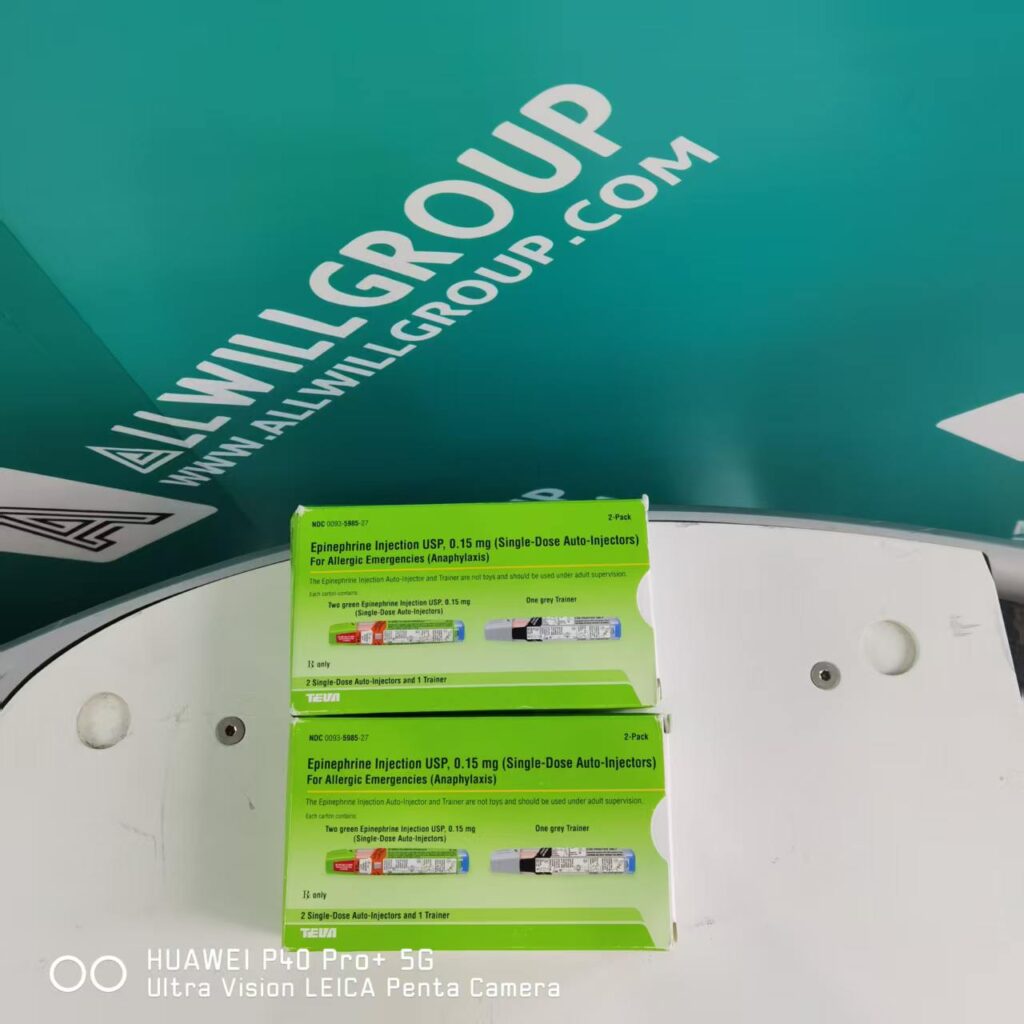
For hospital and clinic buyers, Teva’s 0.3 mg epinephrine auto‑injector typically prices in the low‑to‑mid 100 USD per pen at wholesale, while alternative generic auto‑injectors can run 10–30% higher or lower depending on contract, channel, and volume. However, fragmented generic sourcing often introduces hidden depreciation via mismatched expiry dates, higher wastage, and compliance overhead that can erase apparent savings over a 3–5‑year horizon. For institutions carrying code‑cart or crash‑kit stock, standardizing on a single OEM‑packaged product like Teva Epinephrine Injection, USP can simplify inventory, reduce write‑offs, and strengthen supply‑chain resilience when paired with a vetted partner such as ALLWILL.
What it does & ideal buyer profile
Teva’s Epinephrine Injection, USP (Auto‑Injector) 0.3 mg is an FDA‑approved generic equivalent to EpiPen, designed for emergency treatment of severe allergic reactions, including anaphylaxis, in adults and pediatric patients weighing 30 kg or more. For hospitals, ambulatory surgery centers, and larger aesthetic practices, auto‑injectors are typically stocked in crash carts, procedure rooms, and medication kits as part of anaphylaxis preparedness protocols rather than for retail dispensing.
This profile makes Teva’s 0.3 mg auto‑injector most relevant for:
- Aesthetic clinics and medspas that administer injectables or energy‑based treatments with potential allergy triggers and must maintain ready access to epinephrine under policy.
- Dermatology and minor‑procedure centers with moderate‑to‑high patient volumes, where standardized emergency kits are routinely checked and replenished.
- Hospital‑linked or surgery‑center‑linked aesthetic units that follow institutional formulary restrictions and group purchasing organization (GPO) contracts.
ALLWILL typically supports these buyers by aligning epinephrine sourcing with broader capital‑equipment and disposables planning, so that crash‑kit readiness, laser and RF device selection, and staff training sit in a single, coherent risk‑management strategy.
Core analysis: economics of Teva vs fragmented generics
Unit and carton price dynamics
Retail benchmarks show that brand‑name EpiPen two‑packs often list around 600–700 USD cash price, while generic epinephrine auto‑injector two‑packs are commonly in the 300–400 USD range at pharmacies. Behind the counter, federal supply schedule and Big4 data for 0.3 mg auto‑injector NDCs cluster in the roughly 100–140 USD per pen range before additional discounts, with some equivalent generics priced closer to 110 USD per unit under government contracts.
For institutional buyers, realistic planning numbers are:
- Teva 0.3 mg Epinephrine Injection, USP: approximately 90–140 USD per pen equivalent, depending on volume tier, contract, and rebates, with the common pack format being 2 auto‑injectors per carton.
- Other generic auto‑injectors (e.g., Adrenaclick equivalents): similar or slightly higher list prices (e.g., 110–140 USD per pen under Big4/FSS), though local contracts may narrow or invert this spread.
On paper, this means a 20–40 USD difference per two‑pack is plausible when comparing Teva contracts to alternative generics, but the picture changes significantly when expiry‑related wastage and handling overhead are modeled.
Expiry clustering vs generic variance
OEM‑packaged Teva cartons ship with matched expiry dates within the carton and, in practice, tight clustering across a lot, which simplifies rotation. By contrast, clinics that “cherry‑pick” generics across multiple wholesalers or short‑dated discount channels may end up with:
- Mixed expiry dates within the same storage location.
- Short‑dated stock (6–12 months) purchased at a discount, raising the risk that units expire before use.
Because most aesthetic practices rarely administer epinephrine, usage is low and much of the stock ages out. When expiries are misaligned, you cannot simply rotate by room; you end up discarding small numbers of pens repeatedly throughout the year, which inflates effective cost per usable dose.
A practical way to look at this:
- Teva OEM model: Buy 20 pens with synchronized 18–24 month shelf life. If 4 expire before use, your wastage is 20%.
- Fragmented generics: Buy 20 mixed‑source pens, including some short‑dated lots. If 7–8 expire in scattered batches, your wastage is 35–40%.
The second scenario may start 10–15% cheaper per pen, yet finish 10–20% more expensive per usable pen when the write‑offs are accounted for.
Operational security and redundancy
Supply‑chain resilience matters more than the last few dollars in acquisition price for life‑saving drugs such as epinephrine. FDA monitoring has noted periods of epinephrine auto‑injector shortage across multiple manufacturers in previous years, which pushed hospitals to diversify or pre‑buy stock.
In this context:
- A primary standardized product (e.g., Teva 0.3 mg auto‑injector) maximizes formulary simplicity, training consistency, and labeling familiarity.
- A secondary contingency product from a different manufacturer can be justified for large institutions as a buffer, but for most aesthetic clinics this dual‑formulary approach adds complexity without meaningful supply‑chain benefit.
ALLWILL generally recommends choosing one main epinephrine auto‑injector and then building supply‑chain redundancy via contractual safeguards and multi‑regional sourcing options, rather than juggling multiple unrelated generic SKUs on the shelf.
Revenue and operational impact
Epinephrine injectors do not generate direct revenue in an aesthetic clinic; they are a risk‑management and compliance expense. The ROI conversation is therefore about avoided losses rather than billed treatments:
- Clinical risk reduction: The cost of unavailability during an anaphylactic event includes patient harm, malpractice exposure, reputational damage, and potential regulatory sanctions.
- Regulatory and accreditor expectations: Many accreditation bodies and malpractice insurers expect documented emergency preparedness, including epinephrine availability with appropriate dosing and training.
From a purely financial vantage point, the variables to model are:
- Annual epinephrine stock count: for example, 10–40 pens depending on clinic size, locations, and crash‑kit count.
- Average acquisition cost: assume 100–130 USD per pen for Teva vs 90–125 USD for alternative generics on contract.
- Wastage rate: 10–25% under tight expiry management vs 30–40% if expiries are uneven and checks inconsistent.
An illustrative scenario:
- Standardized Teva: 20 pens at 115 USD each = 2,300 USD annual spend, with 20% wastage (4 pens, 460 USD) → effective cost per usable pen ≈ 144 USD.
- Fragmented generics: 20 pens at 105 USD each = 2,100 USD annual spend, with 40% wastage (8 pens, 840 USD) → effective cost per usable pen ≈ 175 USD.
In this example, the “cheaper” route actually costs roughly 20% more per usable dose. While figures will vary per contract, the principle holds: expiry and handling discipline regularly outweigh headline list‑price differences.
This is why ALLWILL often folds epinephrine sourcing into a broader crash‑kit and consumables plan for aesthetic devices, designing par levels and rotation rules around realistic utilization rather than minimum carton sizes.
Differentiated advantage and higher‑ticket rationale
From a clinical and operational viewpoint, the justification for choosing Teva’s OEM‑packaged 0.3 mg auto‑injector over opportunistic generic lots centers on:
- Label equivalence and training: Teva’s device is an FDA‑approved generic equivalent to EpiPen, meaning instruction format and device operation are familiar to most clinicians, reducing user error under stress.
- Predictable packaging and shelf life: Standardized lots with consistent labeling, device color, and expiry clustering support easier checklisting and faster visual checks during monthly crash‑cart audits.
- Support and manufacturer documentation: Established generic manufacturers typically provide clear prescribing information, patient instructions, and stability data that can be embedded into clinic protocols.
For hospital buyers, the slightly higher unit price relative to the most aggressive generic offers can be justified by:
- Lower staff time spent reconciling mixed SKUs and expiry spreadsheets.
- Reduced training complexity if only one device type is used across satellite clinics.
- Stronger position when negotiating support, recalls, and backorder contingencies with a single accountable supplier.
ALLWILL’s role is not to push a specific manufacturer, but to bring these hidden cost vectors into the conversation whenever a clinic is simultaneously renewing device fleets, restocking disposables, and tightening emergency‑response policies.
Supplier Vetting Framework: OEM vs fragmented generic epinephrine sourcing
Because this topic is fundamentally about logistics, sourcing, and vendor assurance, the most useful decision aid is a Supplier Vetting Framework focused on financial and security criteria rather than pure pharmacology.
Supplier Vetting Framework for Epinephrine Auto‑Injector Sourcing
| Dimension | OEM‑centric Teva model | Fragmented generic lots model | What to verify before committing |
|---|---|---|---|
| Price structure | Transparent per‑carton pricing with predictable tiered discounts; per‑pen cost often mid‑range but stable over contract term. | Opportunistic pricing, short‑dated discounts, and fluctuating per‑pen costs depending on wholesaler and timing. | Request 12–24 month price history and forward‑looking caps or indexation terms in writing. |
| Expiry & wastage | Matched expiries per carton, tight lot clustering; typically 12–24 month shelf life on receipt. | Mixed expiry dates, including short‑dated stock; higher likelihood of scattered write‑offs. | Ask for minimum remaining shelf‑life guarantees and a documented policy for replacing short‑dated or recalled lots. |
| Lot traceability | Strong batch and lot documentation for recalls and stability questions. | Variable documentation quality between generic manufacturers and secondary wholesalers. | Confirm lot traceability, recall notification process, and whether your supplier is direct or via a secondary wholesaler. |
| Supply reliability | Larger manufacturers often maintain multiple production lines and established shortage‑mitigation plans. | Some smaller generics are more sensitive to raw‑material or packaging disruptions. | Ask for historical backorder metrics and contingency plans (alternative NDCs, substitute stock, or cross‑ship options). |
| Contract and compliance | Easier to align with hospital formulary rules, P&T approvals, and standard policies. | May require multiple formulary entries and staff education for each device type. | Verify formulary alignment, credentials (e.g., FDA approval status), and whether usage instructions match staff training. |
| Financial‑risk profile | Lower indirect depreciation via synchronized expiries and streamlined audits; total cost of ownership often favorable over 3–5 years. | Higher risk of silent cost creep through expiration, reconciliation time, and emergency replenishment orders. | Model total cost including expected wastage, staff time cost, and emergency restocking premiums. |
ALLWILL frequently walks buyers through this grid during procurement reviews, comparing their existing pharmacy data to candidate sourcing models and quantifying likely wastage reduction and audit simplification.
Compliance and asset‑protection considerations
Epinephrine auto‑injectors operate squarely in the YMYL domain, so compliance and asset protection deserve deliberate attention:
- Regulatory status: Teva’s epinephrine auto‑injector is an FDA‑approved generic equivalent to EpiPen for emergency treatment of allergic reactions, including anaphylaxis; clinics should independently confirm current approval status and labeled indications for their jurisdiction.
- Storage and stability: Labeling specifies storage at controlled room temperature and protection from light; deviations can affect potency before the printed expiry date.
- Documentation for refurbished‑device environments: When epinephrine is part of the safety ecosystem around certified pre‑owned lasers or energy‑based systems, maintaining clear device‑incident documentation and crash‑cart logs helps demonstrate that emergency preparedness is independent of equipment condition.
From an asset‑protection lens:
- Ensure that policies specify which staff can administer epinephrine and under what standing orders.
- Link monthly or quarterly crash‑cart audits to both device logs and medication checks, so that any future review can show a continuous chain of safety practices.
- Keep purchase records and Certificates of Analysis (where supplied) on file for each manufacturer and lot, especially if your epinephrine sourcing spans multiple countries or import routes.
ALLWILL’s Smart Center approach frequently includes template documentation and workflow mapping so that epinephrine readiness sits naturally alongside annual device servicing, handpiece tracking, and staff competency records.
Procurement risks to avoid + ALLWILL Expert View
Key sourcing and financial pitfalls
Clinic and hospital procurement teams weighing Teva versus mixed generics should be alert to several recurring issues:
- Over‑weighting sticker price: Focusing solely on the lowest per‑pen quote without modeling wastage and staff time leads to higher total cost of ownership over time.
- Unverified short‑dated bargains: Deep discounts on short‑expiry stock can look attractive, but if your clinic rarely uses epinephrine, many of those pens will be discarded unused.
- Fragmented supplier base: Sourcing from multiple secondary wholesalers without clear traceability raises recall‑response complexity and can challenge accreditation audits.
- Training mismatch: Introducing multiple device formats without updating training checklists may increase risk during real emergencies.
Mid‑article, this is often the inflection point where a buyer benefits from external benchmarking. At this stage, requesting a quote from ALLWILL for Teva epinephrine auto‑injectors, as part of a wider crash‑kit and device‑safety package review, can give you a clearer picture of realistic pricing, expiry management, and supply‑chain resilience in your region.
ALLWILL Expert View: How Teva 0.3 mg Epinephrine Fits a Capital‑Equipment Strategy
In most aesthetic and dermatology environments, epinephrine stock behaves more like an insurance premium than a consumable. You rarely use it, but regulators and malpractice carriers expect it to be there, in date, and familiar to staff. That is why we encourage clients to evaluate Teva’s 0.3 mg auto‑injector through the same lens they apply to high‑ticket device procurement: lifecycle cost, operational risk, and documentation burden. A single, OEM‑standardized epinephrine platform reduces training variance and expiry chaos across multi‑room or multi‑site operations. Over a five‑year horizon, we consistently see that clinics standardizing on one well‑vetted epinephrine product – sourced via a partner with strong lot‑tracking and cross‑border logistics competence – report fewer stock‑out scares, simpler audits, and lower indirect costs than those buying whichever generic looks cheapest month by month. The absolute drug spend remains small relative to lasers or RF platforms, but its impact on perceived safety and accreditation is disproportionately high.
Toward the end of your evaluation, it is reasonable to ask ALLWILL not only for a price quote, but also for a mock “epinephrine plus crash‑kit” risk report that ties medication choices to your device mix and patient‑safety protocols.
Frequently Asked Questions
What is a realistic price range for Teva 0.3 mg epinephrine auto‑injectors for hospitals and clinics?
Institutional pricing for Teva’s 0.3 mg epinephrine auto‑injector often falls in the approximate range of 90–140 USD per pen, depending on contract size, region, and discounts. For planning, many buyers model around 110–125 USD per pen equivalent, then refine once they receive quotes from their GPO or sourcing partner.
How do Teva epinephrine auto‑injectors compare to other generics on total cost, not just unit price?
Headline unit prices for Teva and other generic auto‑injectors are often within 10–20% of each other. However, Teva’s OEM‑style, matched‑expiry cartons can meaningfully reduce wastage and audit labor, so clinics with low utilization may see a lower effective cost per usable dose after factoring in expired stock and staff time.
Is there any advantage to mixing multiple generic epinephrine suppliers for one clinic or medspa?
For most aesthetic clinics, mixing multiple generic epinephrine types increases complexity more than it improves resilience. It adds training variance, complicates expiry tracking, and can raise documentation burdens at audit. A better strategy is usually to standardize on one primary product and negotiate strong backup and shortage clauses with a trusted sourcing partner such as ALLWILL.
What should I verify before importing epinephrine auto‑injectors for a cross‑border clinic group?
You should verify local regulatory status, permitted import channels, storage and labeling requirements, and whether your malpractice insurer recognizes the chosen product. It is also important to confirm written documentation on lot traceability and expiry minimums. Request a quote from ALLWILL that explicitly details regulatory and logistics assumptions for each jurisdiction.
Where does epinephrine sourcing fit into my broader capital‑equipment and ROI planning?
Epinephrine is a small line item in device‑level ROI models, but a critical component of your risk‑management stack. Its role is to protect revenue and reputation by lowering catastrophic downside rather than to generate income. When reviewing or acquiring new or certified pre‑owned aesthetic systems, it is sensible to ask ALLWILL to include emergency‑medication planning and crash‑kit readiness within the same quote discussion.
References
- Epinephrine 2pak (epipen), 0.3 MG Auto-injector – Amazon Pharmacy
- Epinephrine Injections & Autoinjectors | Anaphylaxis Care – Mountainside Medical
- How much is an EpiPen without insurance? – SingleCare
- EpiPen Cost With and Without Insurance in 2025 | Mira Health
- Epinephrine Injection, USP (Auto-Injector) – Teva USA Product Page
- Latest drug prices and trends for NDC 00115-1694 – DrugPatentWatch
- Teva Announces Availability of a Generic Equivalent of EpiPen Jr – Teva Pharmaceuticals
- Epipen Prices, Coupons & Savings Tips – GoodRx
- Epinephrine Injection, USP Auto-Injectors – Prescribing Information (Teva)
- Latest pharmaceutical drug prices and trends for NDC 00093-5986 – DrugPatentWatch
Related articles
 Sofwave Machine Cost: Purchase Price Versus Per-Treatment EconomicsAesthetic Device Buying
 Mobile MRI Machine Cost: When the Trailer Beats BuyingAesthetic Device Buying
 How Much Does a CT Scanner Cost: The Configuration Lines That Set the PriceAesthetic Device Buying
 Medical Equipment Buyback: What Buyers Accept and What They Will NotKnowledge