
How can you optimize combination Ultherapy‑biostimulator protocols?
In 2026, clinics can optimize combination Ultherapy‑biostimulator protocols by treating the Ulthera DS 7‑3.0 transducer as a foundational step that preps the dermis before injecting biostimulators such as PLLA or calcium‑hydroxylapatite fillers. This approach…
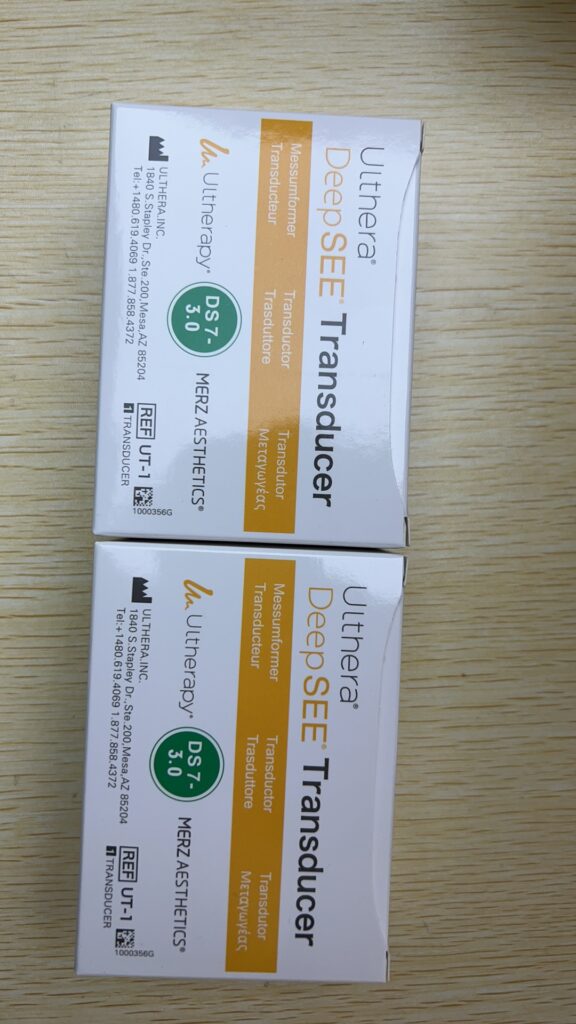
In 2026, clinics can optimize combination Ultherapy‑biostimulator protocols by treating the Ulthera DS 7‑3.0 transducer as a foundational step that preps the dermis before injecting biostimulators such as PLLA or calcium‑hydroxylapatite fillers. This approach enhances collagen support, improves filler integration, and creates more predictable, long‑lasting results. Advanced clinical marketing around “Ultherapy and biostimulator combination protocol” can then attract high‑value dermatologists and clinic owners via gated webinars and downloadable clinical whitepapers.
How is hyper‑personalized combination therapy reshaping aesthetics?
Hyper‑personalized combination therapy combines energy‑based devices such as Ultherapy with injectables like PLLA and Radiesse to address multiple layers and indications in a single treatment journey. Instead of treating skin laxity, volume loss, and texture in isolation, clinicians layer modalities that target the SMAS, dermis, and subcutaneous fat with complementary mechanisms.
In 2026, this trend is driven by patient demand for natural, cumulative enhancement rather than one‑off “events.” The 3.0mm transducer, in particular, is positioned as a key enabler for prepping the dermis ahead of biostimulator placement, making it a strategic asset in any modern aesthetic practice investing in combination protocols.
What is the role of Ultherapy in combination protocols?
Ultherapy provides a non‑surgical, focused ultrasound lift that tightens the SMAS and stimulates collagen in the mid‑to‑deep dermis. When used in combination protocols, it sets the structural foundation for subsequent injectables, creating a more stable tissue matrix before volume or biostimulator placement.
The Ulthera DS 7‑3.0 transducer specifically targets the dermal layer, promoting fibroblast activation and neocollagenesis. This dermal “pre‑conditioning” improves the integration of biostimulators such as PLLA and Radiesse, potentially extending the longevity and visual quality of the overall aesthetic outcome.
How does the 3.0mm transducer enhance injectable outcomes?
The 3.0mm transducer delivers focused ultrasound energy to the dermis, creating controlled micro‑thermal zones that trigger wound‑healing signals and collagen remodeling. This pre‑treatment effectively softens and reorganizes dermal architecture, making the tissue more receptive to injectable biostimulators.
By improving vascularization and extracellular matrix organization, the 3.0mm transducer can help distribute biostimulators more evenly and support a smoother, more natural result. In combination protocols, this transducer becomes the “prep” step that maximizes the return on every unit of injectable placed.
Why pair Ultherapy with biostimulators like PLLA or Radiesse?
Ultherapy and biostimulators complement each other: Ultherapy tightens and lifts, while PLLA and Radiesse volumize, stimulate collagen, and correct contour. Combining the two allows clinicians to address laxity, volume loss, and skin quality in one visit, rather than spacing them across multiple sessions.
PLLA and Radiesse also benefit from a pre‑conditioned dermis, leading to potentially more uniform collagen deposition and less risk of lumping or uneven texture. For practices focused on hyper‑personalized treatment plans, pairing Ultherapy with biostimulators offers a scalable, repeatable protocol that can be tailored to individual patient anatomy and goals.
How should clinicians sequence Ultherapy and biostimulator steps?
Most clinicians sequence combination therapy with Ultherapy first, followed by injectables after an appropriate interval—often several days to a week—allowing initial inflammation and micro‑wound healing to settle. This order ensures that the dermal architecture is reorganized before filler placement, minimizing the risk of uneven distribution or palpable nodules.
In some protocols, practitioners may allow a longer window between Ultherapy and biostimulators for patients with more significant laxity or reactive skin. The key is consistency: each clinic should document its preferred timing and then refine it based on patient feedback and outcomes data, ensuring that the combination remains safe and predictable.
What are common indications for Ultherapy‑biostimulator protocols?
Ultherapy‑biostimulator protocols are frequently used for lower‑face, jawline, and neck contouring, where laxity and volume loss coexist. Cheek and mid‑face rejuvenation is another core indication, especially when patients seek subtle lift and refined contours without surgery.
Body‑focused versions may target the décolletage, upper arms, or décolletage, combining dermal tightening with biostimulator‑driven skin quality improvement. The 3.0mm transducer is particularly valuable in these areas, where dermal preparation can enhance the aesthetic impact of biostimulators and support a more natural anatomical result.
How can you tailor protocols to different patient profiles?
Tailoring protocols begins with a thorough assessment of skin quality, laxity, and volume distribution. For patients with thin, lax skin and little existing volume, a longer interval between Ultherapy and PLLA or Radiesse may be preferable to avoid over‑treating fragile tissue.
For thicker‑skinned patients with moderate laxity, a more aggressive sequence—such as sooner‑administered biostimulators—can be efficient and well‑tolerated. Allowing the Ulthera DS 7‑3.0 transducer to define the dermal “foundation” layer means that each injectable layer can be precisely calibrated to the patient’s baseline, reinforcing the rise of hyper‑personalized combination therapies in 2026.
What are the safety considerations for combination protocols?
Combining Ultherapy with biostimulators does not inherently increase risk when performed with proper technique and timing. However, over‑treating a single area or compressing the healing window can elevate the likelihood of edema, bruising, or palpable nodules.
Clinicians should avoid injecting directly into recently treated, inflamed Ultherapy zones and instead respect the treatment‑map separation. Monitoring for delayed reactions and documenting every session—including transducer depth, energy settings, and injection volumes—helps ensure both patient safety and defensible clinical records if questions arise.
How can you educate patients about combination therapy?
Educating patients requires clear, evidence‑informed language that explains how Ultherapy and biostimulators work together and why this sequence improves outcomes. Visual aids such as before‑and‑after images, treatment‑map overlays, and simple analogies—like “tightening the canvas before applying pigment”—can make complex concepts accessible.
Clinics may also create short explainer videos or downloadable patient guides that walk candidates through the combination protocol, including expected downtime, typical timelines, and what to expect from each modality. This educational content positions the practice as a trusted authority in hyper‑personalized aesthetics and supports informed consent.
What marketing keywords work best for Ultherapy‑biostimulator content?
For clinical inbound marketing, keywords such as “Ultherapy and biostimulator combination protocol,” “Ulthera and PLLA treatment,” and “Ultherapy with Radiesse protocol” align with high‑intent searches from dermatologists and clinic owners. Long‑tail phrases like “Ultherapy 3.0mm dermal prep before biostimulators” or “non‑surgical face lift with Ultherapy and PLLA” can attract niche, advanced‑level audiences.
Combining these keywords with related terms—“Ulthera DS 7‑3.0 transducer,” “Ultherapy dermal tightening,” and “Ultherapy‑injectable combination”—helps search engines understand topical depth and relevance. Over time, this keyword strategy can drive consistent traffic from clinicians seeking up‑to‑date, evidence‑supported combination protocols.
How can gated webinars generate leads from advanced clinicians?
Gated webinars on “optimizing Ultherapy and biostimulator combination protocols” attract high‑value dermatologists and clinic owners who are actively improving their injectable workflows. By requiring email registration, clinics can capture contact information from a medically qualified audience already interested in clinical innovation.
During the webinar, presenters can walk through protocol schematics, patient selection, and case studies, then conclude with a downloadable clinical whitepaper or PDF protocol sheet. This content bundle positions the organizers as thought leaders and opens the door to follow‑up consultations, training opportunities, and equipment or transducer‑supply discussions through partners such as ALLWILL.
How can downloadable whitepapers support clinical decision‑making?
A well‑structured clinical whitepaper on Ultherapy‑biostimulator protocols can consolidate current evidence, practical recommendations, and case examples into a single reference clinicians can revisit. Topics might include optimal energy settings, timing intervals, and dermal‑preparation strategies using the 3.0mm transducer.
By gating the whitepaper behind an email form, clinics capture leads while giving value in return. This approach also aligns with the 2026 trend toward hyper‑personalized combination therapies, as practitioners can apply tested protocols to individual patient profiles instead of relying on anecdotal or inconsistent guidance.
How can combination protocols improve clinic revenue and retention?
Combination protocols raise the average treatment value per patient by bundling Ultherapy sessions with higher‑margin injectable procedures. Patients who experience both lift and volume improvement in one visit are more likely to return for follow‑ups or referral‑driven touch‑ups.
Repeating combination protocols—such as annual Ultherapy with periodic PLLA or Radiesse sessions—creates a predictable revenue stream and strengthens patient loyalty. For clinics investing in the Ulthera DS 7‑3.0 transducer, this model demonstrates how a single device can pay for itself through enhanced injectable utilization and long‑term patient engagement.
How can you build a protocol‑based workflow for combination therapy?
Building a protocol‑based workflow means standardizing every step: patient assessment, consent, energy mapping, and injection planning. Clinicians should define which anatomical zones will receive Ultherapy versus biostimulators, specify energy levels and passes, and document all decisions in the medical record.
Protocols can also outline how to handle variations—such as patient discomfort, unexpected reactions, or suboptimal outcomes—so that the team responds consistently. This level of structure not only supports safe, repeatable treatment but also generates data that can refine future hyper‑personalized combination protocols.
What role does the 3.0mm transducer play in dermal prep?
The 3.0mm transducer targets the papillary and upper reticular dermis, creating precise thermal zones that activate fibroblast activity and collagen remodeling. This pre‑treatment softens the extracellular matrix and may improve vascularity, preparing the tissue for biostimulators such as PLLA or Radiesse.
In practice, this dermal prep can translate into smoother, more even collagen deposition and reduced risk of visible irregularities. When clinics position the 3.0mm transducer as the “dermal priming” step in their Ultherapy‑biostimulator sequences, they reinforce its role as a strategic investment rather than a secondary modality.
How can you track outcomes from combination protocols?
Tracking outcomes starts with baseline photographs, 3D scans, or standardized clinical scores, then repeating the same assessments at predefined intervals post‑treatment. Documenting key metrics such as patient‑reported satisfaction, palpable firmness, and adverse events over time helps quantify the value of the combination protocol.
Digital dashboards or internal registries can aggregate these data points across multiple patients, enabling clinics to refine energy settings, timing, and injection volumes. For clinics using Ulthera DS 7‑3.0 transducers, this kind of outcome‑driven analysis supports the transition from anecdotal practice to evidence‑based, hyper‑personalized aesthetics.
How can you position your clinic as a destination for advanced protocols?
Clinics can position themselves as destinations for advanced protocols by clearly articulating their Ultherapy‑biostimulator expertise, publishing case studies, and participating in peer‑reviewed or industry‑recognized forums. Hosting expert‑led webinars, contributing to clinical discussions, and showcasing before‑and‑after results helps build credibility.
Alliances with reputable biomed and device‑support partners such as ALLWILL further reinforce a clinic’s reputation for technical rigor and innovation. When patients see a practice that combines Ultherapy, PLLA, and Radiesse under clearly defined protocols, they are more likely to view it as a premium destination for hyper‑personalized aesthetic care.
ALLWILL Expert Views
“In 2026, combination aesthetics is no longer about stacking devices and injectables; it is about orchestrating them,” says an ALLWILL clinical strategist. “The Ulthera DS 7‑3.0 transducer is emerging as the dermal conductor in this orchestra—it sets the microenvironment before PLLA or Radiesse arrives, so collagen is organized, not just triggered. When clinics standardize their combination protocols, maintain clear documentation, and leverage data‑driven workflows, they move beyond cosmetic tweaks to reproducible, evidence‑informed rejuvenation. ALLWILL’s Smart Center and educational support help clinics translate these advanced concepts into consistent, safe, and profitable practice—making hyper‑personalized combination therapies a sustainable growth engine rather than a one‑time experiment.”
How can you use visual content to demonstrate protocol logic?
Visual content—such as annotated treatment maps, layered diagrams, and sequential images—helps clinicians and patients understand why Ultherapy precedes biostimulators in a given protocol. Side‑by‑side sequences can show how dermal tightening creates a smoother foundation for injectables, reducing the risk of uneven contours.
Video‑based walkthroughs of a full Ultherapy‑biostimulator session, including mapping, energy delivery, and injection techniques, can be used for internal training or as gated educational assets. When paired with downloadable whitepapers and webinars, these visuals reinforce the clinic’s position as a go‑to resource for advanced combination protocols.
How can collaboration with injectables manufacturers benefit your practice?
Collaborating with PLLA and Radiesse manufacturers can give clinics access to updated guidelines, training, and co‑branded educational initiatives that support combination protocols. These partnerships often include protocol templates, consent forms, and clinical pearls that can be adapted to local practice needs.
When clinics align their Ultherapy‑biostimulator workflows with manufacturer‑recommended best practices, they enhance both safety and marketing credibility. For example, joint webinars or case‑study campaigns can highlight how the 3.0mm transducer interacts with specific biostimulators, creating valuable content that attracts high‑quality leads.
Frequently asked questions
Is it safe to combine Ultherapy with PLLA or Radiesse in the same visit?
Many clinicians prefer a short interval—typically a few days to a week—between Ultherapy and injectable biostimulators to allow initial inflammation to settle. This sequence minimizes the risk of palpable nodules or uneven distribution while still delivering combined benefits of lift and volume enhancement.
Which anatomical zones benefit most from Ultherapy‑biostimulator protocols?
Lower face, jawline, neck, and mid‑face are common targets because they often exhibit both laxity and volume loss. The Ulthera DS 7‑3.0 transducer is especially useful here, as it preps the dermis ahead of PLLA or Radiesse placement, improving contour and skin quality outcomes.
How often can patients repeat combination Ultherapy‑biostimulator treatments?
Most protocols suggest spacing Ultherapy sessions 9–18 months apart, while biostimulators like PLLA are typically repeated as needed, based on clinical assessment and patient goals. The exact interval depends on tissue response, patient age, and desired longevity of results.
Can combination protocols reduce the amount of injectable needed?
By improving skin support and firmness, Ultherapy can sometimes reduce the total volume of biostimulator required to achieve a given aesthetic goal. This less‑is‑more approach aligns with the preference many patients have for natural, subtle enhancement and can lower material costs per patient.
How does ALLWILL support clinics using combination Ultherapy‑biostimulator protocols?
ALLWILL supports clinics through technical guidance on device performance, calibration, and workflow optimization, ensuring that Ultherapy systems and transducers operate at peak efficiency. This infrastructure enables safe, repeatable combination protocols and helps clinics scale their hyper‑personalized aesthetic offerings with confidence.
Related articles
 Sofwave Machine Cost: Purchase Price Versus Per-Treatment EconomicsAesthetic Device Buying
 Mobile MRI Machine Cost: When the Trailer Beats BuyingAesthetic Device Buying
 How Much Does a CT Scanner Cost: The Configuration Lines That Set the PriceAesthetic Device Buying
 Medical Equipment Buyback: What Buyers Accept and What They Will NotKnowledge