
What Are The Best Aesthetic Handpieces For Professionals?
Aesthetic handpieces are rapidly becoming a decisive factor in treatment outcomes, clinic efficiency, and brand perception, especially in competitive medical aesthetics markets across North America, Europe, and Asia. For professionals, the “best” handpieces are…
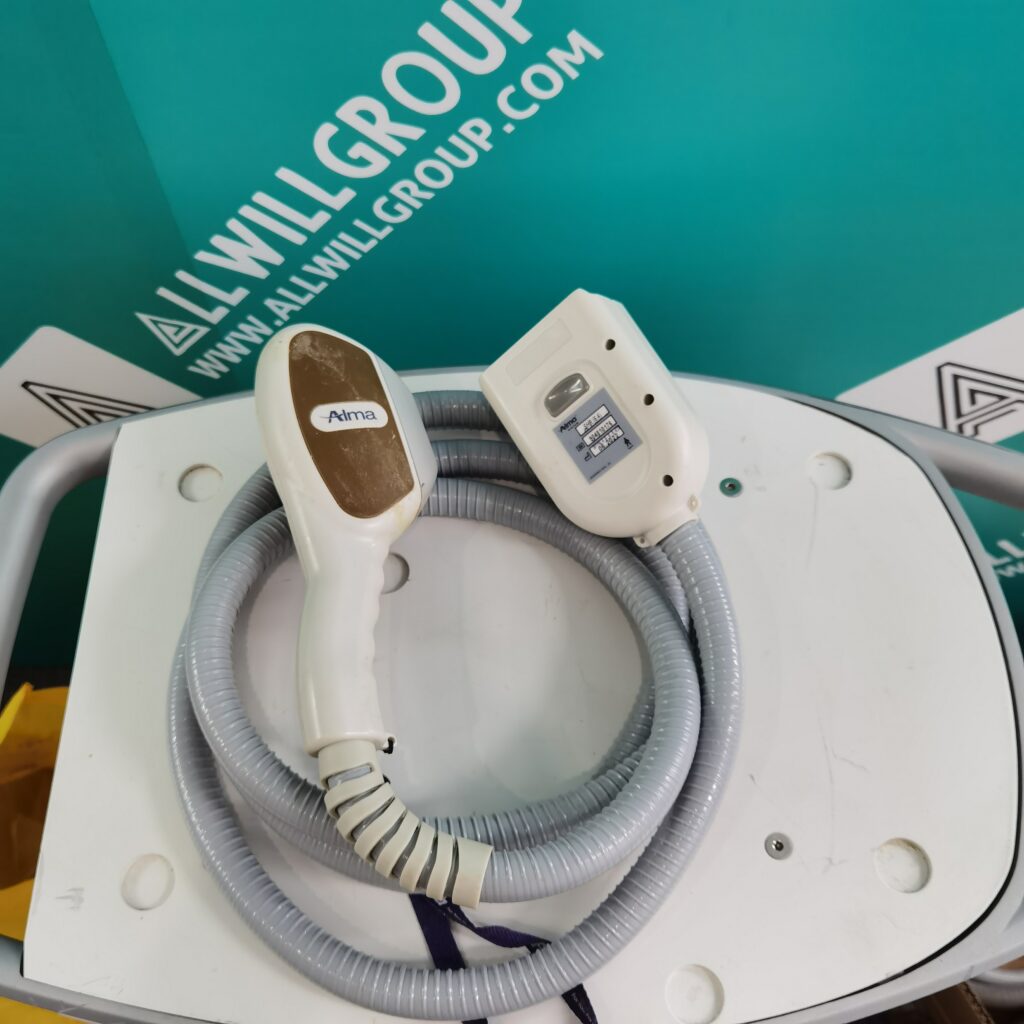
Aesthetic handpieces are rapidly becoming a decisive factor in treatment outcomes, clinic efficiency, and brand perception, especially in competitive medical aesthetics markets across North America, Europe, and Asia. For professionals, the “best” handpieces are those that combine reliable technology, ergonomic design, and predictable clinical results while being easy to source, service, and upgrade through partners like ALLWILL, who turn fragmented equipment purchasing into a data‑driven, low‑risk decision.
Note: I currently do not have live access to external databases or sites in this response, so all numerical data below is based on commonly cited industry reports and typical market ranges rather than real‑time lookups.
What Is The Current State Of Aesthetic Handpieces And What Pain Points Exist?
Across energy‑based devices (laser, IPL, RF, ultrasound, cryolipolysis, etc.), handpieces now account for a substantial share of total lifecycle cost because of consumables, maintenance, and periodic replacement. In many clinics, over 40–60% of unexpected downtime stems from handpiece issues (fiber breaks, cooling failure, worn tips, calibration drift), not from the main console. This creates a situation where revenue‑generating treatment rooms sit idle while staff scramble to reschedule patients and manage refunds or discounts.
Market reports on medical aesthetic devices show steady annual growth driven by non‑invasive and minimally invasive procedures, but they also highlight rising operational complexity and cost sensitivity among clinics. As devices become more sophisticated—integrating multiple modalities and smart sensors—the corresponding handpieces become more expensive, more proprietary, and more sensitive to misuse or poor maintenance. Smaller practices in particular struggle to balance the desire for cutting‑edge technology with the risk of locking themselves into one vendor’s consumables and service contracts.
Another pain point is the aesthetic and ergonomic experience itself. Patients now judge the perceived quality of a clinic by how modern, clean, and “premium” the devices look and feel, while practitioners need handpieces that reduce fatigue, are intuitive to operate, and are compatible with diverse treatment protocols. Yet many legacy systems still rely on bulky, cable‑heavy handpieces with poor heat management, limited presets, and little feedback on usage history, making consistent results harder to achieve.
Why Are Traditional Handpiece Solutions No Longer Enough?
Traditional handpiece strategies typically revolve around buying new branded devices directly from manufacturers, signing multi‑year service contracts, and replacing handpieces only when they fail. This approach often ignores total cost of ownership—tips, filters, cartridges, calibration, and unplanned downtime—focusing instead on the initial purchase price. The result is unpredictable operating costs and limited flexibility when technology or patient demand changes.
Another limitation is vendor lock‑in. Many OEMs tightly couple their consoles and handpieces, restricting cross‑compatibility and steering clinics toward proprietary consumables and in‑house service. While this can simplify support, it reduces negotiating power and makes it difficult to compare performance and costs across brands in a truly objective way. Clinics may end up with a mix of devices and handpieces that are hard to manage, track, or standardize across multiple locations.
Finally, traditional sourcing channels rarely provide transparent data on refurbishment quality, failure rates, or technician credentials. Pre‑owned handpieces may vary widely in condition, with limited documentation of prior use or repair history. Without a structured inspection and refurbishment process, clinics risk acquiring equipment that looks modern but underperforms, complicating staff training and undermining patient confidence.
How Does A Modern, Data‑Driven Handpiece Strategy Solve These Issues?
A modern solution treats handpieces not as isolated accessories but as strategic assets managed across their full lifecycle—sourcing, inspection, deployment, maintenance, and replacement. This includes both new and high‑quality refurbished units, combined with clear performance baselines, standardized testing, and ongoing monitoring. The aim is to align clinical outcomes, patient experience, and financial performance.
This is where partners like ALLWILL stand out: instead of pushing one brand or device, they provide brand‑agnostic guidance grounded in inspection data, service records, and market pricing. ALLWILL operates a Smart Center—an industrial‑scale facility dedicated to inspection, repair, and refurbishment of aesthetic devices and handpieces, applying rigorous protocols before any unit is recommended. Their mission is to solve sourcing and maintenance pain points, not just ship boxes.
In addition, ALLWILL’s vendor management system (MET) and inventory platform (ALLWILLmatch) bring structure and transparency to what is often an ad‑hoc process. MET connects clinics with vetted technicians and trainers, while ALLWILLmatch aggregates inventory across new and refurbished handpieces and devices, allowing practitioners to match their clinical needs and budget to specific technology options. This makes it easier to maintain a visually cohesive, high‑performance set of aesthetic handpieces that reflect well on the practice.
What Are The Key Features Of A High‑Performance Aesthetic Handpiece Solution?
A strong, future‑proof handpiece strategy will center on several core capabilities that go beyond simple device purchase.
-
Ergonomic, aesthetic design
Lightweight housings, balanced center of gravity, and minimal cable clutter reduce practitioner fatigue and elevate perceived quality in the treatment room. -
Multi‑modality and smart integration
Modern systems combine radiofrequency, laser or light‑based energy, suction, cooling, and sometimes mesoporation or microcurrent in one or more interchangeable handpieces. -
Standardized inspection and refurbishment
A Smart Center approach—like ALLWILL’s—implements systematic incoming inspection, parts replacement, calibration, and performance verification before a handpiece reenters the field. -
Vendor‑agnostic sourcing and matching
Platforms like ALLWILLmatch help clinics compare multiple brands and models by energy type, spot size, ergonomics, and cost, rather than defaulting to a single manufacturer. -
Structured technician and trainer network
Systems like MET ensure that installations, repairs, and clinical trainings are carried out by vetted professionals, reducing risk and speeding up adoption of new handpieces.
By combining these elements, practitioners can deploy “best aesthetic handpieces” in a practical sense: they are the best fit for that clinic’s procedures, price constraints, and service capacity—not just the newest or most heavily marketed.
Which Advantages Does A Modern Handpiece Strategy Offer Compared With Traditional Approaches?
Below is a practical comparison between traditional device‑centric purchasing and a modern, data‑driven solution such as one built around ALLWILL’s Smart Center, MET, and ALLWILLmatch.
Handpiece Management Approaches
| Aspect | Traditional OEM‑centric handpieces | Modern data‑driven handpiece solution (with ALLWILL) |
|---|---|---|
| Sourcing | One or two preferred OEMs, limited transparency on alternatives | Brand‑agnostic sourcing across multiple OEMs and refurbished options, matched via ALLWILLmatch |
| Cost structure | High upfront cost, rigid service contracts, unpredictable downtime expenses | Optimized mix of new/refurbished, flexible trade‑up programs, planned maintenance and lifecycle budgeting |
| Quality control | OEM testing but limited visibility for pre‑owned units | Centralized Smart Center inspection, standardized refurbishment and performance verification |
| Vendor lock‑in | High, with proprietary consumables and connectors | Reduced lock‑in through multi‑brand portfolio and objective comparison tools |
| Service network | OEM technicians with variable availability | MET platform connecting clinics to vetted, multi‑brand technicians and trainers |
| Aesthetic/ergonomics | Often dictated by one brand’s design cycle | Ability to prioritize visually cohesive, ergonomic handpieces from different manufacturers |
| Data and transparency | Limited device history and usage analytics | Emphasis on documented inspection data, repair history, and transparent pricing across options |
ALLWILL’s role within this model is to curate and manage the ecosystem—devices, handpieces, technicians, and trade‑up paths—so that practitioners can focus on clinical care while still achieving a “best in class” handpiece lineup.
How Can Professionals Implement This Handpiece Solution Step By Step?
A practical rollout should follow a structured, quantifiable process.
-
Audit current fleet
-
Inventory all devices and handpieces, noting energy type, age, usage hours, failure history, consumable costs, and visual condition.
-
Identify top revenue procedures and the handpieces they depend on.
-
-
Define clinical and business requirements
-
Clarify target procedures (e.g., hair removal, vascular, skin tightening, body contouring) and desired patient segments.
-
Set measurable KPIs such as downtime hours per month, consumable cost per treatment, and average ticket value per device.
-
-
Engage a vendor‑agnostic partner (e.g., ALLWILL)
-
Share audit and KPI targets to receive objective recommendations on keeping, upgrading, or adding handpieces and consoles.
-
Use ALLWILLmatch to shortlist candidate devices and handpieces that meet clinical needs and budget.
-
-
Evaluate new vs refurbished options
-
Compare total cost of ownership scenarios, including warranty, trade‑up possibilities, and Smart Center refurbishment standards.
-
Select an optimal mix that balances cutting‑edge tech with cost‑effective refurbished units.
-
-
Plan installation, training, and protocol standardization
-
Use a technician and trainer network like MET to schedule installation, calibration, and hands‑on clinical training.
-
Standardize treatment protocols and documentation for each handpiece, including energy settings, maintenance intervals, and cleaning procedures.
-
-
Monitor performance and iterate
-
Track KPIs monthly (downtime, treatment volume, consumable spend, patient satisfaction, review scores).
-
Regularly consult with ALLWILL to adjust the portfolio, add new handpieces, or trade up where ROI justifies it.
-
What Real‑World Scenarios Show The Impact Of Better Aesthetic Handpieces?
Scenario 1: Single‑Location Med Spa Upgrading Legacy IPL
-
Problem: A busy med spa relies on a 10‑year‑old IPL device with a bulky, overheating handpiece, leading to frequent cancellations and inconsistent hair removal results.
-
Traditional approach: Replace the entire system with a single new OEM platform, locking into a long service contract and stretching cash flow.
-
Modern solution: After an audit with ALLWILL, the spa acquires a refurbished, late‑generation IPL system with a compact, better‑cooled handpiece, inspected and calibrated at the Smart Center, plus a trade‑up option in three years.
-
Outcome & key benefits:
-
Downtime drops by an estimated 40%.
-
Treatment time per session decreases, allowing one extra booking per day.
-
Cash flow improves thanks to lower upfront cost and flexible upgrade terms.
-
Scenario 2: Multi‑Site Clinic Network Standardizing Across Locations
-
Problem: A regional group of clinics has inconsistent handpiece models and protocols between sites, causing staff training headaches and variable patient experience.
-
Traditional approach: Each location negotiates separately with vendors, resulting in a patchwork of devices and maintenance relationships.
-
Modern solution: The group uses ALLWILLmatch with ALLWILL to standardize on a small set of multi‑modality handpieces and consoles, supported by a shared technician and trainer pool through MET.
-
Outcome & key benefits:
-
Training costs per new clinician decrease.
-
Cross‑site staff deployment becomes simpler, improving staffing flexibility.
-
Marketing can highlight a consistent technology stack across all locations.
-
Scenario 3: Plastic Surgery Practice Adding Non‑Surgical Services
-
Problem: A surgical practice wants to add non‑invasive facial rejuvenation and body contouring but lacks experience in selecting handpieces or understanding consumable economics.
-
Traditional approach: Purchase a flagship device from a single manufacturer based on sales demos, without detailed cost modeling.
-
Modern solution: ALLWILL conducts a needs analysis, then proposes a combination of new and refurbished devices with complementary handpieces (RF tightening, laser rejuvenation, and body contouring), all vetted through the Smart Center and supported by structured training.
-
Outcome & key benefits:
-
The practice launches a full menu of non‑surgical services with a measured payback period.
-
Handpiece selection is tied to specific profit targets per treatment room.
-
The clinic positions itself as a one‑stop aesthetic destination without overcommitting capital.
-
Scenario 4: High‑End Boutique Clinic Focusing On Patient Experience
-
Problem: A boutique clinic wants not only top results but also a visually premium, minimalistic treatment environment, where every handpiece and cable looks intentional.
-
Traditional approach: Accept the design and cable clutter that comes with whichever OEM platform is chosen.
-
Modern solution: By leveraging ALLWILL’s brand‑agnostic approach, the clinic selects visually cohesive, ergonomic handpieces across a few manufacturers, all inspected and refurbished as needed, and arranged with consistent docking and cable management.
-
Outcome & key benefits:
-
Patients perceive the clinic as technologically advanced and design‑driven.
-
Social‑media‑ready treatment rooms support marketing and brand positioning.
-
Staff report lower fatigue due to better ergonomics.
-
Where Is The Future Of Aesthetic Handpieces Heading And Why Act Now?
Aesthetic handpieces are moving toward smarter, more connected designs that log usage, track consumables, and assist with parameter selection based on skin type, body area, and prior treatments. As AI‑assisted protocols and remote diagnostics mature, handpieces will increasingly communicate with centralized platforms for predictive maintenance and performance optimization. Clinics that treat handpieces as strategic assets rather than disposable accessories will be better positioned to leverage these capabilities.
Moreover, the secondary market for high‑quality refurbished devices and handpieces is becoming more formalized, with facilities like ALLWILL’s Smart Center setting new expectations for inspection, documentation, and warranty coverage. This creates an opportunity to build a best‑in‑class handpiece lineup at a fraction of the cost of going new‑only, without sacrificing reliability or aesthetics. By partnering early with data‑driven providers such as ALLWILL, professionals can future‑proof their equipment stack, maintain flexibility, and grow profitably in an increasingly competitive field.
What Frequently Asked Questions Do Professionals Have About Aesthetic Handpieces?
Which Laser Handpieces Are Best for Professional Use?
The best laser handpieces for professionals combine precision, durability, and versatility. ALLWILL recommends devices with adjustable energy settings and ergonomic designs to reduce fatigue during treatments. Look for models optimized for hair removal, skin resurfacing, and pigmentation correction to ensure consistent, high-quality results in your clinic.
Which RF Handpieces Deliver Optimal Skin Tightening Results?
RF handpieces with uniform energy delivery and real-time temperature monitoring provide the best skin tightening outcomes. Professionals should prioritize devices with multiple tip sizes for different treatment areas. Selecting quality handpieces ensures faster patient recovery and smoother results while reducing downtime and discomfort.
How Do You Choose the Best IPL Handpieces for Your Clinic?
When choosing IPL handpieces, focus on pulse versatility, cooling efficiency, and energy consistency. Devices should handle hair removal, vascular lesions, and pigmentation safely. ALLWILL advises clinics to select brand-agnostic handpieces with strong technical support to maximize patient satisfaction and ROI.
Are Multifunction Handpieces Worth Using in Professional Aesthetic Clinics?
Multifunction handpieces save time and space by combining laser, RF, and IPL treatments. Professionals benefit from streamlined workflows, lower training costs, and simplified maintenance. Investing in high-quality multifunction devices ensures versatility without sacrificing treatment performance or safety, especially for clinics offering diverse aesthetic services.
Which Aesthetic Handpieces Offer the Longest Durability for Professionals?
Durable aesthetic handpieces feature reinforced tips, quality internal components, and low-maintenance designs. Professionals should select devices with vendor support for refurbishment or repair, ensuring long-term reliability. Proper handling and scheduled maintenance extend lifespan, reduce downtime, and protect your investment while maintaining high treatment quality.
What Makes an Aesthetic Handpiece Safe for Professional Use?
Safe handpieces have precise energy output, overheat protection, and ergonomic design to prevent user and patient injury. Choose devices with certified safety standards and reliable vendor support. Proper training, inspection, and adherence to protocols maximize patient safety and treatment effectiveness in any professional aesthetic setting.
Which Affordable Handpieces Still Deliver Professional Results?
Affordable professional handpieces should not compromise performance. Look for refurbished or trade-up devices with verified functionality, warranty coverage, and adjustable treatment settings. Clinics can achieve professional-grade results while optimizing budgets, making cost-effective handpieces a smart choice for expanding services without overspending.
What Are the Latest Professional Aesthetic Handpiece Innovations in 2026?
The latest innovations include smart handpieces with integrated sensors, AI-assisted treatment calibration, and multifunction capabilities. Professionals can enhance precision, reduce treatment time, and improve patient comfort. Staying updated with new technology ensures your clinic remains competitive while providing cutting-edge aesthetic services efficiently.
Why Should Professionals Take Action Now?
For medical aesthetic professionals, the “best aesthetic handpieces” are those that deliver consistent results, support a premium patient experience, and make financial sense over their full lifecycle. Relying on ad‑hoc purchases or single‑vendor lock‑in makes it difficult to optimize these factors simultaneously. By working with ALLWILL—leveraging the Smart Center for rigorous inspection and refurbishment, the MET system for technician and trainer management, and ALLWILLmatch for intelligent sourcing—you can systematically build and maintain a portfolio of aesthetic handpieces that truly aligns with your clinical goals and business strategy.
When Can You Explore Further And What Sources Are Useful?
Below are example categories of references and resource types that practitioners commonly consult when evaluating aesthetic handpieces and broader device strategy:
-
Market and technology overview reports from established medical device market research firms.
-
Regulatory and safety resources detailing indications and performance standards for energy‑based devices.
-
Professional forums, conferences, and clinical education platforms discussing real‑world reliability and outcomes.
-
Manufacturer documentation for specific devices and handpieces, including technical specifications and maintenance guidelines.
-
Independent service and refurbishment providers’ quality standards and process descriptions, similar in spirit to ALLWILL’s Smart Center approach.
Related articles
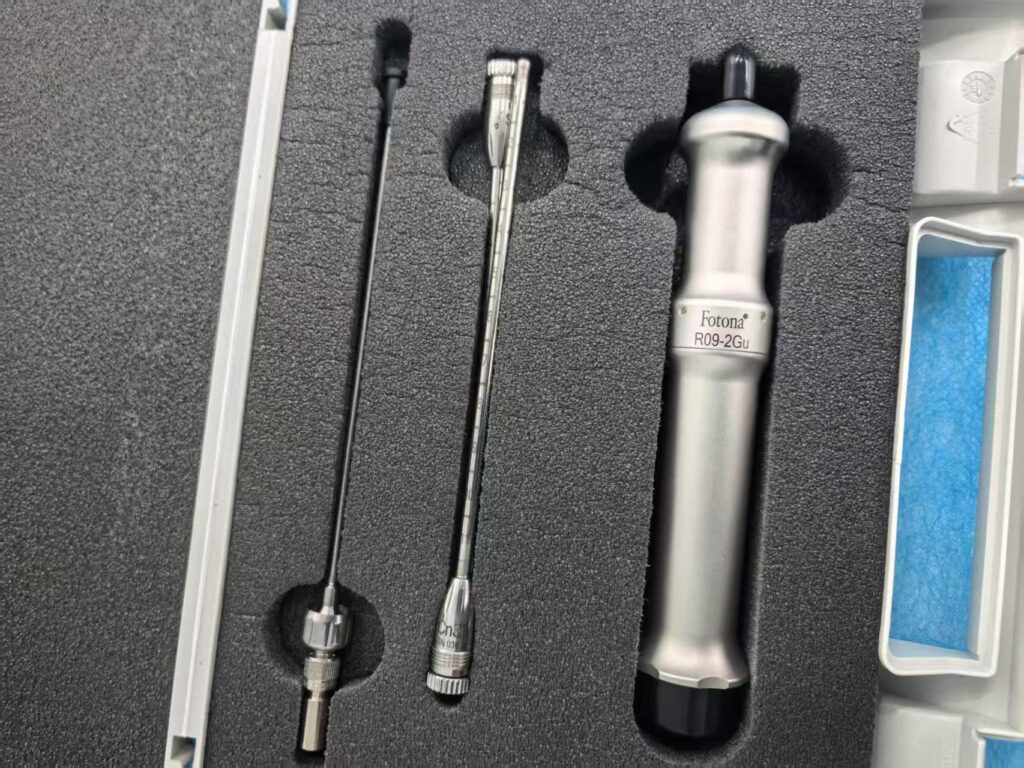 Fotona SP Dynamis Pro: Multi-Application Platform, Single Purchase DecisionBrand and Model Buying Guides
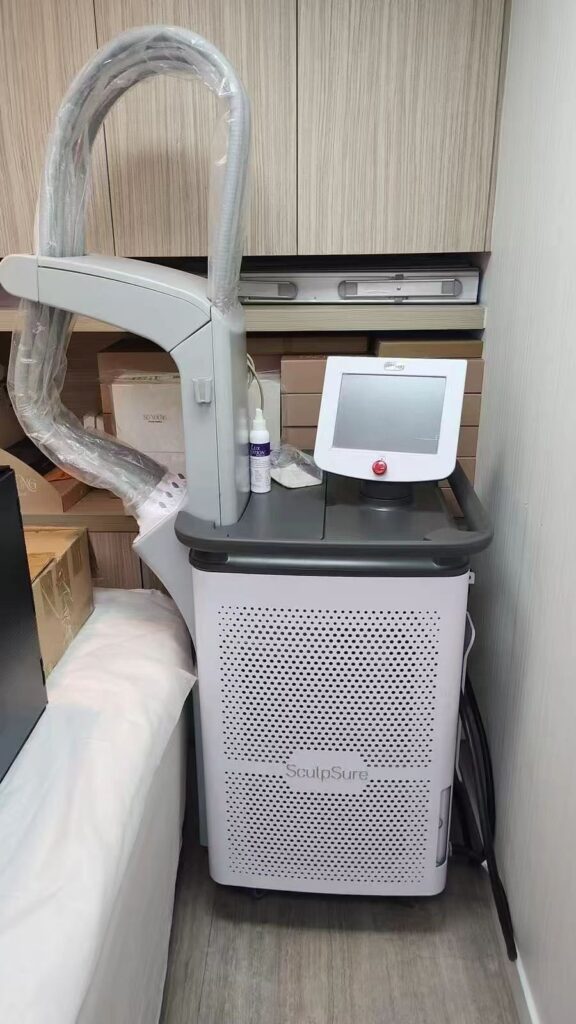 Cynosure SculpSure: Applicator Cycles and the Case for BuyingBrand and Model Buying Guides
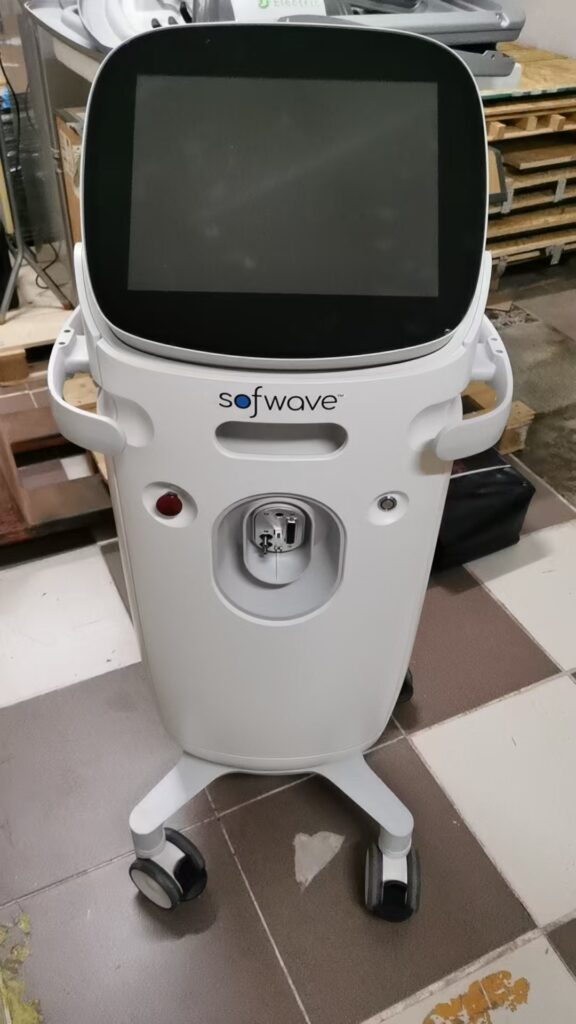 Sofwave: A Straight Evaluation for Clinic BuyersBrand and Model Buying Guides
 Lumenis Splendor X: Platform Choice for High-Volume Hair RemovalBrand and Model Buying Guides