
Ultherapy Device ROI: Legally Avoiding Recertification Fees with Open-Market Consumables
Medspa owners can often reduce the financial impact of Ultherapy device recertification fees by combining careful contract negotiation with legally compliant use of open‑market consumables, provided they respect manufacturer safety instructions and regulatory constraints.…
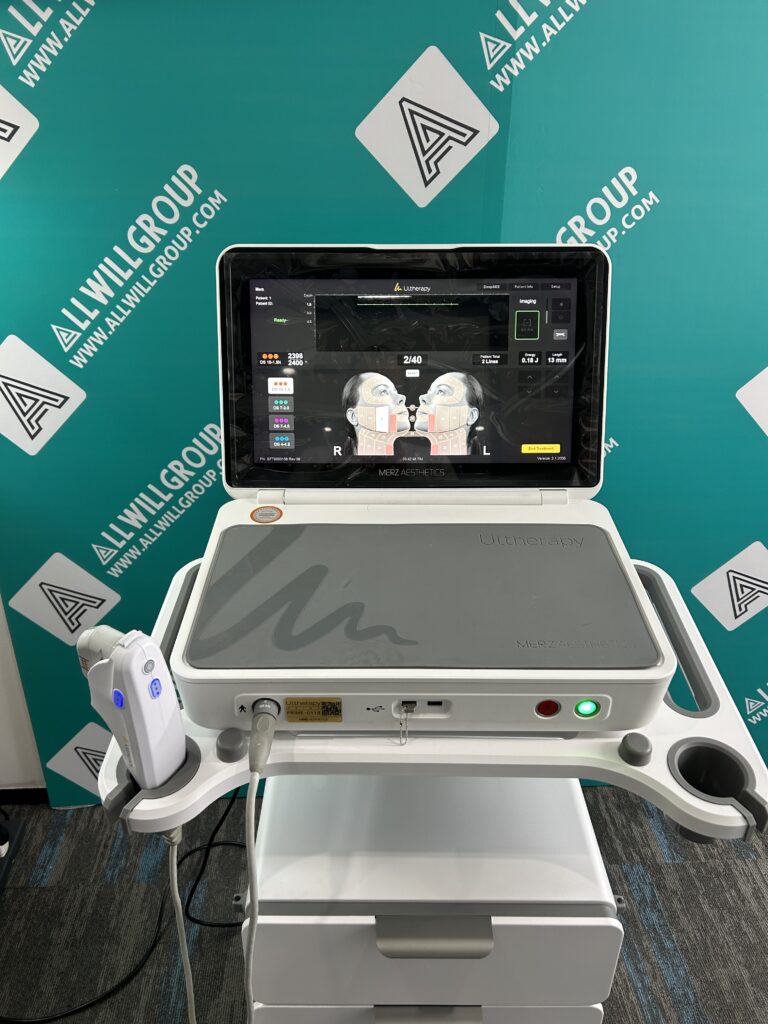
Medspa owners can often reduce the financial impact of Ultherapy device recertification fees by combining careful contract negotiation with legally compliant use of open‑market consumables, provided they respect manufacturer safety instructions and regulatory constraints. Instead of relying solely on manufacturer‑locked cartridges and service channels, clinics can design a hybrid strategy: negotiate or avoid punitive recertification, source compatible ultrasound gels and disposables from vetted suppliers, and ensure every change in supply chain is documented and clinically validated to protect both uptime and ROI.
What Ultherapy does and who it’s for
Ultherapy systems deliver focused ultrasound energy to specific tissue planes with integrated imaging and therapy capabilities, enabling noninvasive lifting and tightening indications as described by manufacturer materials. The Ulthera platform is designed for professional use only and is available through licensed physicians, underscoring that it is a regulated medical device rather than a consumer aesthetic product.
Clinics best suited to Ultherapy are established medspas, dermatology practices, and aesthetic centers with a steady flow of patients seeking non‑surgical facial or neck lifting and with providers trained in ultrasound‑guided protocols. These practices typically stack Ultherapy alongside other energy‑based platforms such as radiofrequency or alternative ultrasound systems, using it as a premium tier service where imaging and depth‑specific energy delivery matter. For them, the question is not whether Ultherapy can fit clinically, but whether they can manage the total cost of ownership—including recertification, cartridges, and consumables—without eroding margins.
Core analysis: recertification fees and open-market consumables
In the aesthetic device aftermarket, manufacturers sometimes apply recertification fees when ownership changes or when a device is serviced outside their authorized network. Industry commentary describes these fees as substantial, often positioned as a prerequisite for the manufacturer to resume direct service and parts support, and notes that they can function as a financial barrier for independent buyers of used equipment. While specific fee structures vary, the principle is consistent: without recertification, OEM support is restricted.
For Ultherapy, the practical pain point is that recertification or subscription‑like programs may be linked to access to OEM cartridges, software support, or service. Clinics considering certified pre‑owned Ultherapy units must therefore assess whether they will rely primarily on OEM channels or adopt a more open‑market sourcing strategy for non‑critical consumables, always within the boundaries of legal and safety requirements.
Open‑market aesthetic consumables include ultrasound gels, drapes, PPE, and other single‑use supplies that are not hard‑locked to a specific device but must still meet underlying regulatory and quality standards. Compatibility research shows high fit rates for many disposable medical consumables across brands when physical specifications and material properties align, and highlights quantified savings for clinics that strategically shift non‑critical supplies to vetted open‑market alternatives. This is distinct from cartridges and core device components, where unauthorized substitution or modification could violate manufacturer instructions, regulatory clearances, and safety expectations.
From a legal standpoint, clinics need to distinguish between consumables that are part of the device’s regulated configuration (e.g., therapy handpieces or proprietary cartridges) and general medical supplies that fall under broader cosmetic or medical product regulations. Using compatible open‑market gels and disposables is generally permissible when products meet applicable regulations, but clinics must avoid altering or bypassing device safety features, firmware locks, or proprietary hardware in ways that might contravene local law or manufacturer warnings.
ALLWILL’s role is to help clinics map this boundary: which items can be safely sourced on the open market, how to verify compatibility against manufacturer instructions, and when recertification or OEM relationships remain essential for uptime and risk management.
Revenue and operational impact & payback math
Recertification fees and strict OEM consumable policies affect ROI through both direct costs and operational constraints. Commentators in the aesthetic equipment resale space have highlighted that recertification fees for certain laser platforms can reach tens of thousands of dollars, effectively creating a penalty for aftermarket buyers and extending payback timelines. While Ultherapy’s specific commercial terms depend on region and contract, the pattern is similar: high fixed fees, bundled service obligations, or cartridge access conditions can significantly shift total cost of ownership.
On the revenue side, Ultherapy treatments are often priced as premium non‑surgical lifting packages, delivering meaningful revenue per session without any guarantee of clinical outcome. A clinic running a consistent volume of sessions can see annual revenue in a mid‑five to low‑six‑figure band from Ultherapy alone, depending on pricing and demand, but those figures must be weighed against upfront device costs, recertification or subscription fees, and cartridge and consumable spend.
If recertification fees fall in a substantial range and are required to maintain OEM access, payback math changes: the clinic must either absorb that cost and recoup it over more treatments, or design a strategy that minimizes reliance on OEM‑exclusive channels while staying within legal and safety boundaries. Strategically shifting general consumables like gel and disposables to compatible open‑market products at a lower unit cost can reduce ongoing spend for each session. Even modest savings per session accumulate quickly across high‑volume practices, narrowing the gap created by any recertification or OEM access fees.
However, attempting to bypass device locking mechanisms or using non‑authorized cartridges to reduce costs would introduce serious regulatory and safety risk, complicate insurance coverage, and potentially affect any manufacturer clearances referenced in marketing or consent documents. That type of bypass does not align with compliant ROI management. Instead, clinics should model payback under two scenarios: full OEM pathway with recertification and cartridge bundles, and hybrid pathway with OEM device and cartridges but open‑market general consumables and independent supply for permitted items.
ALLWILL’s Smart Center can support this modeling by helping clinics estimate per‑session consumable cost using compatible, compliant open‑market products and framing recertification or service program fees as distinct line items in payback calculations. The goal is to help owners see how different sourcing strategies affect both cash flow and operational resilience.
Mid‑article, once you understand how recertification and consumables affect payback, the next sensible step is to obtain specific numbers for your situation. Request a quote from ALLWILL that breaks out Ultherapy device pricing, any known recertification or service fee expectations, and estimated cost ranges for compatible open‑market consumables, so you can compare scenarios on your own ROI model.
Differentiated advantage and higher-ticket rationale
Ultherapy’s higher‑ticket profile among non‑surgical lifting options stems from its imaging‑guided therapy and depth‑specific energy delivery, as described by manufacturer information and regulatory filings. This positions the system as a distinct offering compared to simpler ultrasound devices that lack imaging or standardized protocols, or to other modalities like certain radiofrequency platforms used for tightening indications. Clinics often leverage this differentiation to justify premium pricing and build a flagship non‑invasive lifting service.
From a procurement perspective, the higher ticket also reflects bundled service expectations and cartridge ecosystems. Ultherapy’s system architecture and consumable design are tailored for specific focal depths and treatment patterns, and its regulatory clearances, where applicable, relate to those configurations. OEM pathways provide predictable uptime and support but can embed recertification and cartridge policies that lock buyers into narrow supply channels. That lock‑in is precisely what many medspa owners seek to manage, not evade irresponsibly.
Open‑market sourcing strategies can preserve much of Ultherapy’s differentiated clinical positioning while tempering cost escalation on general consumables and ancillary supplies. By treating Ultherapy as the core modality but refusing to overspend on non‑critical consumables that have compatible alternatives, clinics maintain access to imaging‑guided protocols and manufacturer‑described mechanisms while improving margins. Likewise, some buyers weigh Ultherapy against alternative ultrasound or RF devices when planning capital investments, considering how each interacts with open‑market versus locked consumable ecosystems as part of the decision.
ALLWILL facilitates these comparisons, not by disparaging any device, but by aligning capital choice, consumable strategy, and service options with each clinic’s tolerance for OEM dependency and desire for supply chain flexibility. That is how “We Don’t Sell, We Solve” translates into practice for Ultherapy and similar platforms.
Practical B2B decision aid: legal bypass & compatibility framework
Because the working title centers on logistics, sourcing, and vendor behavior, the most useful decision aid is a practical framework for legally navigating recertification, open‑market consumables, and independent supply partners. The table below is built on sourcing, regulatory, and market‑access guidance and is meant as a starting point, not legal advice.
| Decision Area | Key Questions | Typical Practice Range / Example | Legal & ROI Implications |
|---|---|---|---|
| Recertification policy review | What recertification or service program is tied to the Ultherapy unit, and which benefits (parts, cartridges, software) depend on it? | Buyers often face substantial one‑time fees or ongoing program costs; some negotiate waivers or alternative arrangements via resellers or distributors. | Clear understanding prevents surprises and allows modeling of payback under OEM‑dependent vs hybrid sourcing scenarios, without assuming unofficial bypass options. |
| OEM vs open‑market consumable mapping | Which items are proprietary (e.g., cartridges) versus general medical consumables (gel, drapes, PPE) that can be sourced elsewhere if compliant? | Clinics increasingly use compatible gels and disposables from vetted suppliers while retaining OEM cartridges and key components. | Shifting general consumables to compliant open‑market products can reduce per‑session cost without altering device configuration or regulatory status. |
| Regulatory and safety checks | What regulations apply to cosmetic and medical products used with Ultherapy in your region, and how will you document compliance for non‑OEM supplies? | Practices follow local medical device, cosmetic, and facility registration rules, often consulting legal or regulatory specialists for clarity. | Ensuring products meet applicable regulations and documenting their use supports patient safety, insurer confidence, and defense against adverse event scrutiny. |
| Supplier vetting & contracts | How will you vet independent suppliers, ensure authenticity, and frame contracts (returns, traceability, liability) for consumables? | Many clinics use wholesalers or platforms specializing in aesthetic medical supplies, requiring proof of authenticity and quality standards. | Strong contracts and supplier vetting reduce counterfeit or substandard product risk, stabilize pricing, and support reliable long‑term sourcing. |
| Internal protocol & documentation | What internal SOPs, training, and record‑keeping will govern the use of open‑market consumables with Ultherapy? | Clinics implement written protocols, log product batch numbers, and align consent forms with device and consumable use. | Documented procedures protect against inconsistency, support audits, and demonstrate a responsible approach to any deviation from OEM supply chains. |
ALLWILL can partner with clinics to populate this framework with device‑specific details, including mapping which Ultherapy components should remain under OEM control, identifying categories of compatible open‑market consumables, and pre‑screening independent suppliers. Once this framework is in place, procurement decisions become a matter of choosing between defined, compliant pathways rather than improvised workarounds.
Compliance and asset-protection
Compliance for Ultherapy and related consumables spans medical device regulation, cosmetic product rules, and facility obligations. Regulatory filings and manufacturer materials affirm that Ultherapy is a medical device cleared for certain indications in specific jurisdictions, and its use must align with those clearances, instructions for use, and any applicable professional standards. Clinics must verify current regulatory status for their region, especially if acquiring certified pre‑owned units or importing devices from other markets.
Cosmetic and consumable products used alongside Ultherapy, such as gels and lotions, fall under regulations like TR CU 009/2011 in certain regions and the Modernization of Cosmetics Regulations Act and related FDA guidance in the United States. These frameworks govern facility registration, product listings, ingredient disclosures, and adverse event reporting, requiring clinics and suppliers to ensure that any open‑market consumables meet safety standards and are appropriately documented. Failure to comply may lead to enforcement actions, recalls, or reputational damage.
Asset protection also involves ensuring that any changes to consumables or service pathways do not compromise insurance coverage or risk management plans. Insurers and risk managers expect that clinics follow manufacturer instructions, use products consistent with device clearances, and maintain detailed documentation of maintenance, consumable sourcing, and incident reporting. Deviating from OEM supply chains without clear justification and documentation could complicate claims or increase exposure if adverse events occur.
ALLWILL’s sourcing and Smart Center services support asset protection by emphasizing transparent documentation, condition reports for certified pre‑owned devices, and clear descriptions of warranty and service options. Nevertheless, clinics remain responsible for verifying regulatory status, confirming that any consumables meet local legal requirements, and coordinating with legal or compliance advisors where necessary.
Procurement risks to avoid + ALLWILL Expert View
Several procurement missteps can turn a reasonable Ultherapy investment into a financial and regulatory challenge. One is assuming that recertification fees or OEM service programs are non‑negotiable and failing to explore legitimate waivers or alternative arrangements through authorized resellers or distributors. Another is attempting informal “bypass” strategies—such as using non‑authorized cartridges or altering device settings—without fully understanding legal, warranty, and safety consequences.
A third risk is treating consumables as trivial, sourcing gels or other supplies without checking regulatory status, compatibility, or authenticity. This can lead to quality variation, patient dissatisfaction, or even regulatory complications if products lack proper documentation or fail to meet safety standards. Finally, some clinics buy certified pre‑owned devices based solely on price, without demanding detailed condition reports, refurbishment scope, or clear warranty and service terms, leaving them exposed to unexpected downtime and repair bills.
ALLWILL Expert View: Structuring Ultherapy Ownership Around Legal, Not Technical, Bypass
The real leverage point for medspas frustrated with Ultherapy recertification fees is not a hardware hack but a contract and sourcing strategy. In our experience, the most resilient clinics first map which components must remain under OEM or authorized control—usually the console, handpieces, and proprietary cartridges—then identify where compatible open‑market consumables can safely reduce cost. They negotiate recertification or service terms from a position of data‑driven clarity, using estimated session volumes, payback models, and alternative supply options to shape the conversation.
Instead of quietly bypassing locks, they invest in supplier vetting, internal SOPs, and documentation that demonstrate responsible, compliant use of non‑OEM consumables. When clinics request quotes from ALLWILL, we encourage them to ask for scenario‑based breakdowns: capital plus OEM service, capital plus hybrid sourcing, and capital plus independent consumables under strict compliance. Seeing those numbers side by side helps owners recognize where legal flexibility exists—and where cutting corners would introduce more risk than savings.
To avoid these risks, clinics should approach Ultherapy procurement as a structured decision: define desired clinical role and volume, clarify regulatory obligations, model ROI under different service and consumable pathways, and document every sourcing decision. Before committing, Request a quote from ALLWILL that explicitly outlines device condition, potential recertification or service costs, and compatible consumable options, so you can choose a legally sound configuration that aligns with your risk tolerance and revenue targets.
Frequently Asked Questions
What is the typical total cost range for Ultherapy ownership, including recertification and consumables?
Overall cost depends on whether you buy new or certified pre‑owned, contract for OEM service programs, and rely on OEM versus open‑market consumables. Recertification or service fees for some aesthetic platforms can be substantial, while compatible general consumables may reduce ongoing per‑session costs. Clinics should Request a quote from ALLWILL to see specific ranges for their region and usage scenario.
Can I legally use non-OEM cartridges with Ultherapy to avoid recertification?
Proprietary cartridges and core device components are part of Ultherapy’s regulated configuration, and unauthorized substitutions or modifications risk violating manufacturer instructions, regulatory clearances, and safety expectations. Clinics should not attempt to bypass device locks or use non‑authorized cartridges; instead, focus on negotiating recertification terms and optimizing spend on permitted open‑market consumables like gels and disposables.
Which consumables can safely be sourced on the open market for Ultherapy?
In most jurisdictions, general medical and cosmetic consumables such as ultrasound gels, drapes, PPE, and cleaning supplies can be sourced from independent suppliers if they meet applicable cosmetic and medical product regulations. Clinics must verify compatibility, quality, and documentation and maintain written SOPs for their use. ALLWILL can help identify categories where open‑market products make financial sense while preserving compliance.
How does using open-market consumables affect device warranty or regulatory status?
Using compliant gels and disposables that do not alter device operation is unlikely to affect regulatory status, but warranty terms vary and may specify preferred or required consumables. Clinics should review warranty documents and consult OEM or authorized partners before changing supply chains. When in doubt, discuss planned consumable strategies as part of your ALLWILL quote request so potential impacts are clear.
What payback timeline is realistic if I optimize consumables but still pay recertification fees?
Payback is driven by session pricing, local demand, utilization, and total cost per session, including recertification and consumables. Optimizing general consumables with compatible open‑market products can shorten payback, but no income guarantee is possible because market conditions vary. Modeling different scenarios with device and consumable cost estimates from ALLWILL helps owners set realistic expectations before purchase.
References
- Top Disposable Consumables for Major Aesthetic Device Brands
- Aesthetic Device Market Access 2026: Global Guide
- EAC Wellness & Aesthetic Equipment Certification
- FDA Issues Final Guidance on Cosmetic Product Facility Registrations and Product Listings
- Aesthetic Manufacturers Find It Convenient to Waive Recertification
- Ultherapy: Non-Invasive Skin Lifting Treatment
- Ulthera, Inc. 510(k) Regulatory Filing (K243035)
- Beauty Catalogs That Meet INCI and Regulatory Requirements
- Aesthetic Medical Supplies – Leading Wholesaler
Related articles
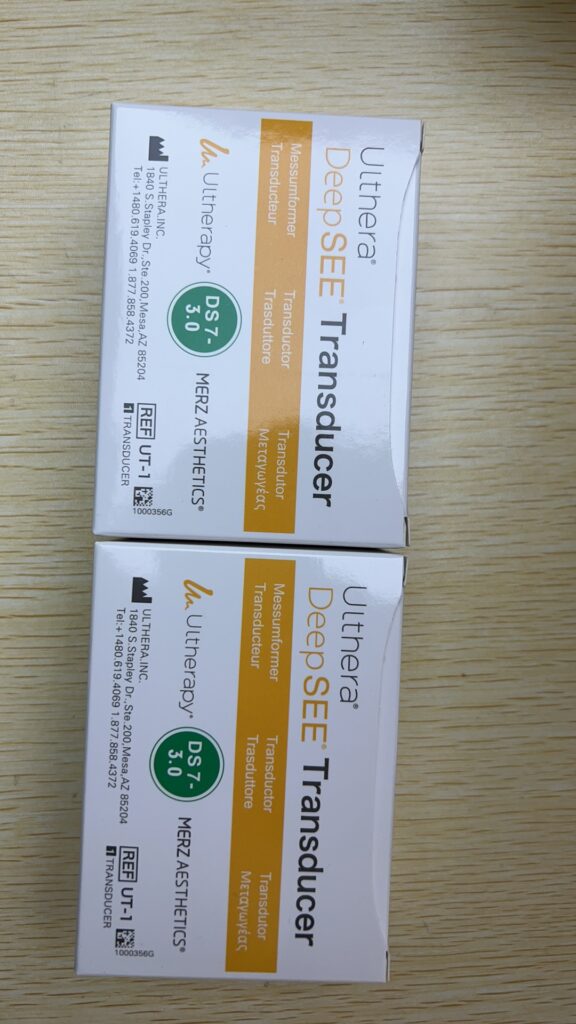 Ultherapy Transducers: What the Probe Record Changes About the PriceBrand and Model Buying Guides
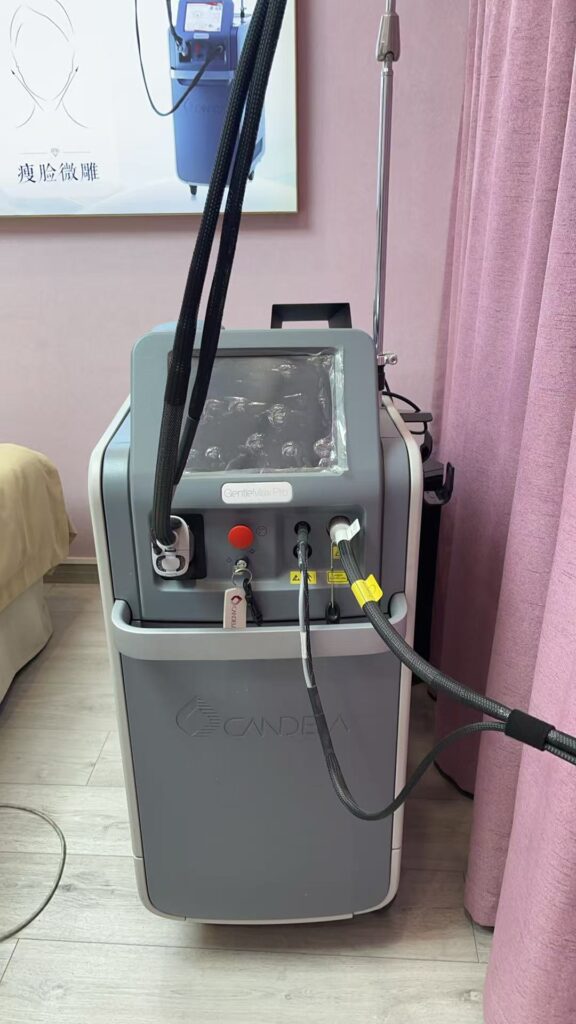 Candela GentleMax Pro: Demand, Verification and Cost Before You CommitBrand and Model Buying Guides
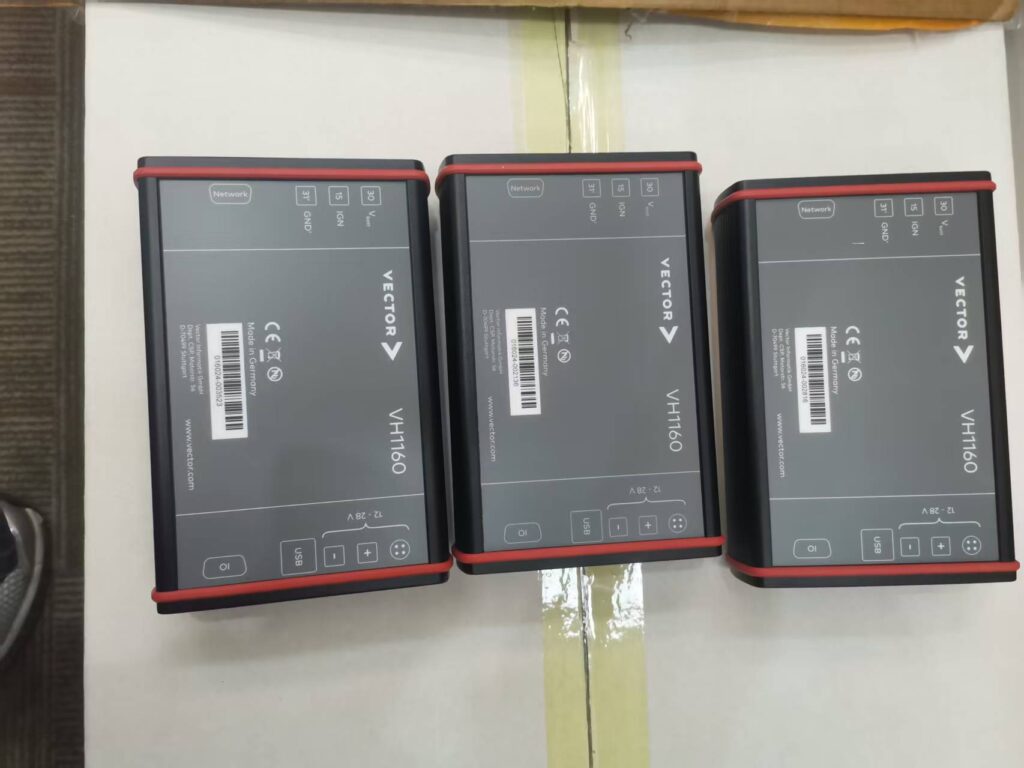 Alma VH1160 Vector Handpiece Code: What the Part Number Tells a BuyerBrand and Model Buying Guides
 DEKA Onda Pro: Investment Case, Verification and Pre-Owned RealityBrand and Model Buying Guides