
Ulthera System International Wire Payments: Secure B2B Remittance for Bulk Laser Orders
For high‑value Ulthera System purchases and bulk aesthetic laser orders, international wire transfers can be safe and predictable when clinics combine regulated banking channels with strict supplier vetting and documented trade terms. Properly structured…
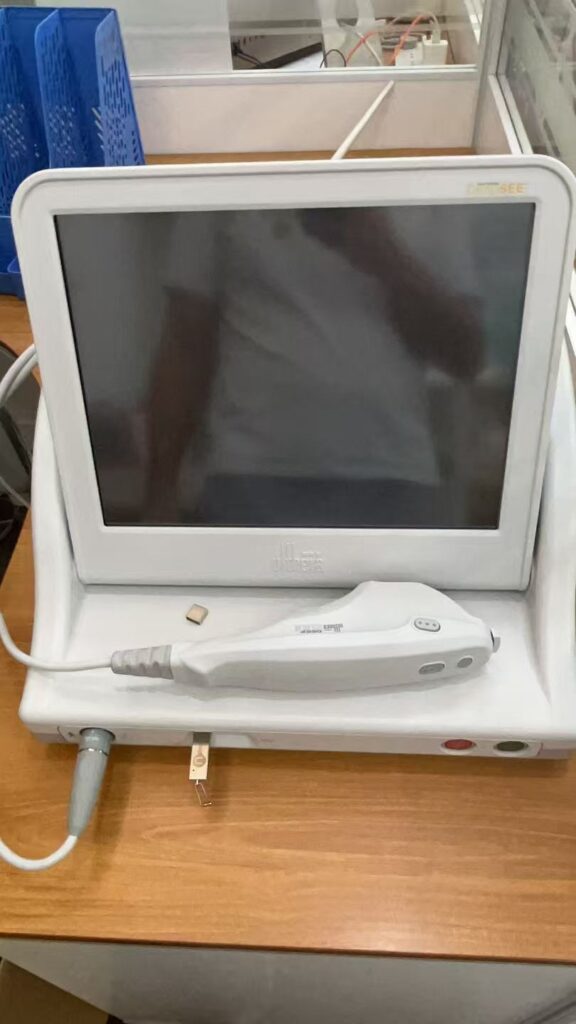
For high‑value Ulthera System purchases and bulk aesthetic laser orders, international wire transfers can be safe and predictable when clinics combine regulated banking channels with strict supplier vetting and documented trade terms. Properly structured payments include verified beneficiary details, clear invoices and Incoterms, bank‑level security controls, and written refund/claim procedures. When clinics follow these rules and work with compliance‑aware partners such as ALLWILL, they can wire large amounts with confidence while protecting both capital and delivery timelines.
What You’re Buying & Which Clinics Use Bulk Wire Transfers
The Ulthera System is a focused ultrasound stimulator system for aesthetic use, designed to deliver microfocused ultrasound energy with visualization (MFU‑V) for non‑invasive lifting indications on the face and neck. For many clinics and groups, Ulthera sits alongside other high‑ticket aesthetic platforms—such as multi‑application laser workstations or radiofrequency body contouring systems—as core capital assets that drive long‑term revenue.
Wire transfers become the dominant payment method when:
- Clinics purchase one or several Ulthera units plus additional lasers from overseas manufacturers or distributors in a single order.
- Hospital or group buyers consolidate multiple aesthetic systems (e.g., Ulthera plus hair removal and vascular lasers) into high‑value shipments.
- Buyers work with specialist B2B platforms like ALLWILL to source new units and certified pre‑owned lasers from multiple regions under one remittance.
In these scenarios, the clinic’s treasury team is balancing clinical need, ROI ambition, and multi‑jurisdiction compliance—making secure remittance and vendor vetting just as important as device specifications.
Wire Transfers for Aesthetic Devices: Core Rules, Compliance, and Delivery Systems
Because the working title focuses on logistics, sourcing, and vendor verification, the core analysis here centers on cross‑border trade terms, wire transfer protections, and supplier vetting, rather than clinical features.
How International B2B Wires Work
International wires for business‑to‑business transactions typically flow through correspondent banks and payment networks (e.g., SWIFT), following principles articulated by global regulators and industry bodies. Key features include:
- Sender and beneficiary identification: full legal names, addresses, and account identifiers must travel with the transfer, often alongside unique reference numbers.
- Pre‑payment disclosure: banks or payment providers should disclose fees, FX rates, and expected delivery times in advance, especially for cross‑border transfers.
- Traceability: institutions must keep records and ensure transfers can be traced end‑to‑end for AML, counter‑terrorist financing, and fraud investigations.
Medical aesthetic buyers should treat these rules as the backbone of their remittance strategy, then layer supplier‑side protections on top.
Trade Terms and Global Delivery Systems for Bulk Laser Orders
When a clinic orders Ulthera devices or high‑energy lasers in bulk, Incoterms such as EXW, FOB, CIF, CPT, or DAP define who owns risk and responsibility at each leg of transport. In practice:
- Under EXW/FOB, the buyer assumes responsibility earlier—often from the seller’s premises or departure port—which requires strong freight and insurance arrangements.
- Under CIF or DAP/DPU, the seller covers more of the logistics, but the buyer must still verify insurance coverage, damage claim procedures, and delivery conditions.
For aesthetic lasers and Ulthera systems—where units are high‑value, often delicate, and sometimes subject to export controls—these terms directly affect how safely capital maps onto delivery outcomes. ALLWILL typically helps buyers select trade terms that match their risk appetite and logistics capacity, rather than defaulting to the cheapest option.
Mid‑article is an ideal moment to align procurement and finance. If you are planning a high‑value wire for Ulthera or multiple lasers, request a quote from ALLWILL for a consolidated pro‑forma invoice, Incoterms recommendations, and a delivery risk outline before initiating payment.
Revenue and Operational Impact: Why Secure Wires Matter for ROI
From a clinic’s perspective, wire transfer discipline is not just about avoiding fraud; it is about protecting the economic engine behind Ulthera and laser revenue.
- Avoiding capital loss and shipment disputes
A single misdirected or poorly documented wire can lock up six‑figure capital, delay installation, and push back clinical launches by months. That delay can materially change payback timelines, especially when the buyer’s Ulthera or laser business plan assumes specific start dates and utilization ramp‑up. - Managing FX and fee leakage
Poorly planned wires—without negotiated FX spreads or transparent fee structures—can silently drain margins, particularly on multi‑unit orders. Over multiple years, these leakages can mimic an extra device cost. - Protecting booking calendars
Stable delivery systems under clear trade terms help clinics schedule training, marketing, and launch campaigns with confidence. When payments and logistics are synchronized, Ulthera and laser treatments can come online as planned, supporting predictable utilization and revenue rather than reactive rescheduling.
When ALLWILL supports international orders, the goal is to align pro‑forma invoicing, trade terms, and device availability with the clinic’s revenue timeline, so that treasury decisions directly support operational performance.
Differentiated Advantage: Wire Transfer Protections for High-Volume Laser and Ulthera Orders
Securing high‑value wires requires more than “double‑checking the account number.” Clinics that consistently run safe, compliant remittance processes typically use several layers of protection.
- Bank‑Level Controls and Segregation
Many organizations use dedicated accounts for supplier payments, multi‑factor authorization, and strict user roles for initiating and approving wires. For large Ulthera or laser orders, this segregation helps separate routine operating expenses from capital flows. - Documented Payment Conditions
Robust purchase contracts and invoices clearly define when payment is due (e.g., deposit vs balance), what conditions must be met (e.g., factory acceptance, pre‑shipment inspection), and what happens if delivery is delayed or equipment is damaged. Linking wire release to these milestones stabilizes risk. - Structured Supplier Vetting and Ongoing Monitoring
Clinics with repeated international purchases typically use defined supplier vetting frameworks, including checks on regulatory compliance, manufacturing standards, and service capabilities. Over time, they maintain ongoing monitoring for changes in performance or legal status. - Use of Established Trade Payment Practices
For very high‑value transactions, buyers may stagger payments (e.g., partial pre‑payment plus balance on shipment or inspection) or combine wires with documentary conditions via banks, aligning capital release with evidence that lasers or Ulthera systems exist, are packed, and are en route.
ALLWILL’s positioning—“We Don’t Sell, We Solve”—fits this environment by favoring traceable, documented processes over ad‑hoc, purely price‑driven offers.
Supplier Vetting Framework for International Ulthera and Laser Purchases
Because the routing category is logistics/sourcing/vendor verification, the practical decision aid here is a Supplier Vetting Framework rather than a price table. Clinics can adapt this framework when selecting suppliers for Ulthera systems, bulk lasers, and associated handpieces or accessories.
| Vetting Dimension | What to Verify | Practical Checks Before Wiring Funds |
|---|---|---|
| Regulatory & Licensing | Does the supplier handle regulated medical devices legitimately in its jurisdiction? | Request business licenses, tax IDs, and any device‑related registrations; cross‑check Ulthera’s FDA/CE status through official databases and confirm the supplier is authorized to distribute or broker. |
| Device Authenticity & Traceability | Are Ulthera units and lasers genuine, with traceable serial numbers? | Obtain serial lists for all units, written confirmation of provenance (manufacturer, distributor, or previous owner), and documentation of any refurbishment or ownership change. |
| Quality & Refurbishment Scope (for CPO) | Is refurbishment performed under documented processes and standards? | Request refurbishment reports: replaced parts, test results, cleaning and calibration procedures, and references to standards such as ISO 13485 or equivalent quality systems. |
| Financial Stability & Trade History | Is the supplier financially stable and experienced in international shipments? | Ask for references from existing clinic or hospital clients, review trade history (years active, shipment volumes), and consider third‑party credit or trade data where available. |
| Service & Warranty Capability | Can the supplier provide or coordinate installation, service, and warranty? | Obtain written warranty terms, service response SLAs, and technician coverage; confirm availability of parts and transducers for Ulthera systems over several years. |
| Logistics & Incoterms Competence | Does the supplier have clear policies on packing, shipping, insurance, and Incoterms? | Request shipping policies, typical Incoterms used (e.g., FOB, CIF, DAP), and detail on packaging, insurance, and claim handling for transit damage or loss. |
| Compliance & AML/Trade Controls | Does the supplier respect sanctions, export controls, and AML rules? | Confirm they operate within appropriate jurisdictions, ask how they screen partners against sanctions lists, and verify they are willing to provide necessary documentation for customs and banking compliance. |
Clinics can score suppliers across these dimensions to differentiate between price‑first vendors and long‑term partners. ALLWILL incorporates similar criteria into its own vendor and asset qualification processes, helping buyers filter options before any funds move.
Compliance and Asset Protection: Aligning Wire Transfers with Regulatory Expectations
International wires for medical devices intersect with several regulatory domains: payment rules, AML/CTF expectations, and medical device regulations.
Payment and Remittance Rules
In many jurisdictions, remittance and international wire rules require providers to disclose fees, FX rates, and expected delivery amounts; they also define error resolution and refund processes. Business buyers do not always enjoy the same consumer protections, but can still leverage:
- Transparent pre‑transaction disclosures from their banks or payment providers.
- Clear error handling and dispute processes, including timelines and documentation requirements.
Ensuring your bank’s wire transfer policies are documented and understood is part of asset protection—especially when large sums are moving for Ulthera or laser orders.
Medical Device Regulatory and Supplier Obligations
For Ulthera systems and many aesthetic lasers, regulatory frameworks such as FDA 21 CFR 878.4590 and CE marking requirements govern device safety and labeling, while quality systems standards (e.g., ISO 13485) influence manufacturing and refurbishment controls. Clinics should:
- Verify the regulatory status of specific device models for their intended region, including whether they are cleared or approved for aesthetic indications.
- Confirm that any supplier handling CPO units follows documented quality and refurbishment processes, and that traceability records exist.
ALLWILL’s role is to coordinate documentation—including regulatory references and refurbishment details—for each Ulthera or laser unit sourced, so that clinics can align capital decisions with compliance requirements.
Procurement Risks to Avoid & ALLWILL Expert View
Common Risks in International B2B Remittance for Laser and Ulthera Orders
Clinic owners and procurement teams should watch for:
- Paying unverified accounts or entities. Wiring funds to accounts that cannot be clearly tied to the legal supplier entity, or that shift repeatedly during negotiations, increases fraud risk.
- Vague or missing contracts and Incoterms. Purchasing based on informal emails without detailed contracts or trade terms leads to disputes over responsibility, insurance, and delivery conditions.
- No pre‑shipment inspection or acceptance conditions. For high‑value CPO Ulthera or laser orders, skipping inspection or documentation before wiring the full amount can result in receiving non‑conforming equipment.
- Ignoring AML and sanctions obligations. Working with suppliers in complex jurisdictions without proper screening can expose clinics and banks to compliance issues.
ALLWILL Expert View
In practice, the difference between a safe wire and a risky one is rarely about the bank—it’s about the procurement discipline behind the transaction. When clinics buy Ulthera systems or multiple lasers from overseas, they often focus on price and shipping time, while overlooking the structure of the payment itself. The most resilient buyers treat each large remittance as a project with milestones: contract signed, pro‑forma invoice aligned with Incoterms, asset documentation reviewed, and pre‑shipment verification complete. Only then is a full wire authorized.
At ALLWILL, we encourage clinics to lock in three controls before moving funds on major orders: first, hard‑link beneficiary account details to the supplier’s legal entity and contract; second, specify conditions for partial versus full payment, including what happens if delivery slips; and third, embed documentation of device authenticity, refurbishment scope, and warranty directly into the purchase agreement. Those steps do not eliminate risk, but they shift it into a managed space where treasury, legal, and clinical leadership can see—and agree on—the trade‑offs. Request a quote from ALLWILL if you want your next Ulthera or laser order structured with this type of documented payment and asset protection framework.
Frequently Asked Questions
What payment methods are most common for international Ulthera and laser orders?
For high‑value capital purchases across borders, bank wire transfers remain the dominant method, often supported by structured trade terms and supporting documentation. Some buyers may use letters of credit or staged payments, but wires are standard when working with established suppliers and platforms like ALLWILL.
How can clinics reduce fraud risk when wiring large amounts overseas?
Clinics should verify supplier identity and regulatory status, link bank account details directly to the contract, use multi‑factor authorization for wires, and insist on clearly defined Incoterms and pre‑shipment documentation. When in doubt, they can request a quote and documentation pack from ALLWILL to cross‑check supplier credentials before funds are sent.
What protections exist if something goes wrong with an international wire?
Protections vary by jurisdiction and whether the buyer is classified as a consumer or business, but banks and remittance providers generally must disclose fees, FX rates, and error resolution processes, and maintain traceability. Clinics should understand these policies, keep records of all instructions, and escalate issues promptly through bank channels and contractual dispute mechanisms.
How do trade terms like FOB or CIF affect my risk when buying lasers in bulk?
Under FOB or EXW‑type terms, the buyer assumes risk earlier in transit, making freight and insurance choices crucial; CIF or DAP can shift more logistics responsibility to the seller but still require clear claims and coverage definitions. Reviewing Incoterms as part of your ALLWILL quote request helps align payment timing with your risk tolerance.
Should I handle large Ulthera purchases as a single wire or staged payments?
Many clinics prefer staged payments—such as a deposit on contract signing and balance upon shipment or pre‑shipment inspection—to better align capital release with performance milestones. The optimal structure depends on supplier trust and order size; request a quote from ALLWILL for guidance on staged payment options tailored to your specific Ulthera or laser procurement.
References
- General Principles for International Remittance Services
- B2B International Payments: A Guide for Businesses
- B2B Cross Border Payments: Challenges & Best Practices
- Wire Transfers – Risk and Compliance
- Article (27) – International Wire Transfers Data Requirements
- What Is a Remittance Transfer and What Are My Rights?
- Incoterms and Payments for Aesthetic Equipment
- Ulthera System Instructions for Use
- Ulthera System (UC-1 Control Unit PRIME Model 2.1) – FDA 510(k) Summary
- Ulthera System – Focused Ultrasound Stimulator System For Aesthetic Use
- Medical Device Supplier Management Regulatory Requirements
- Supplier Evaluation – Supplier Selection – Supplier Audits
- Vendor Qualification Checklist for Medical Accessories
- The Complete Checklist for Vetting New Aesthetic Product Suppliers
Related articles
 How to Compare Quotes for the Same Used Aesthetic Device ModelKnowledge
 Used Medical Aesthetic Device Condition Grades: New, Like-New, Excellent, Working, and PartsKnowledge
 Eufoton Endolift Lasemar 1500 L: Reading Prices and Building the Right QuoteKnowledgeEndolift Lasemar Used-Unit Checks: Fiber Kits, LightScan, and Distributor EvidenceKnowledge