
Ulthera Transducer Workflow: Fast Hot‑Swaps & Chair‑Time ROI
Ulthera and Ultherapy Prime systems allow safe mid‑session transducer changes, but hot‑swapping must follow the system’s imaging‑and‑therapy logic, safety controls, and user interface design — not improvised shortcuts. Efficient clinics reduce chair time by…
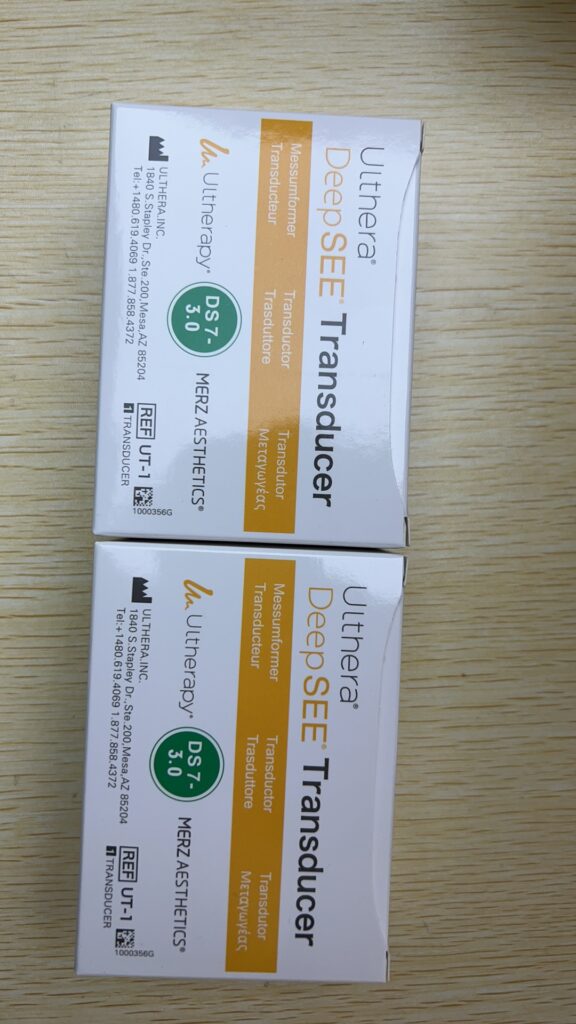
Ulthera and Ultherapy Prime systems allow safe mid‑session transducer changes, but hot‑swapping must follow the system’s imaging‑and‑therapy logic, safety controls, and user interface design — not improvised shortcuts. Efficient clinics reduce chair time by pre‑planning depth sequences, organizing cartridges on the cart, and using firmware‑guided region presets so that every swap is a one‑hand action with minimal screen navigation. For buyers assessing new or certified pre‑owned Ulthera units, a clear hot‑swap workflow is a practical lever for staff productivity, throughput, and transducer lifecycle ROI.
What It Does & Ideal Clinic Profile
The Ulthera System integrates ultrasound imaging with ultrasound therapy, using the DeepSEE handpiece and interchangeable image/treat transducers to deliver discrete thermal coagulation points (TCPs) at depths of approximately 1.5 mm, 3.0 mm, and 4.5 mm while visualizing tissue up to 8 mm below the skin. Each transducer type (DS 4–4.5, DS 7–3.0, DS 7–4.5, DS 10–1.5, and narrow‑footprint variants) is recognized by the control unit, which adjusts treatment frequency and depth parameters automatically through its firmware and graphical user interface (GUI). During a session, clinicians switch between these tips to treat different facial vectors or zones while the system tracks treatment regions and transducer status on screen.
This hot‑swap capability is most valuable for clinics running multi‑depth face and neck protocols — for example, SMAS‑level lifting at 4.5 mm followed by dermal support at 3.0 mm and superficial refinement at 1.5 mm. High‑volume medspas, dermatology practices, and multi‑provider aesthetic centers benefit disproportionately from streamlined tip changes because they run tight schedules and standardized protocols, where each minute of chair time affects overall throughput and staff workload. For such operators, an optimized transducer workflow is part of the capital‑equipment decision: it influences whether the system can realistically support the desired number of daily treatments without bottlenecks.
Topic‑Specific Core Analysis: Hot‑Swapping & Firmware‑Driven Workflow
The Ulthera and Ultherapy Prime manuals describe a system architecture where the control unit detects transducer type through the handpiece connector and displays corresponding depth and frequency presets on the touchscreen. The handpiece features SEE and TREAT pushbuttons, with the SEE button engaging imaging or stopping therapy and placing the system in a READY state that times out after about 40 seconds if no further action is taken. When a transducer is latched into the handpiece, the firmware links the active head to labeled treatment regions and graphic guides, ensuring that each line fired is logged under the correct region and tip.
Hot‑swapping transducers mid‑treatment therefore hinges on respecting the system’s safety and state logic. Before any change, the operator must lift the transducer off the skin and use the SEE button or Stop controls to end active therapy, preventing unintended ultrasound delivery during insertion or removal. Once the system is in a stable state (READY or idle), the latch is released, the current transducer is removed, and the new cartridge is inserted until it clicks securely; the firmware then recognizes the new tip and updates treatment parameters and region coloring to match. Because imaging and therapy are tightly coupled, improper hot‑swap habits — such as swapping while the handpiece is still in TREAT mode or without visual confirmation of skin contact — can increase risk of burns or suboptimal line placement.
The same logic applies to switching between tips on other aesthetic platforms, such as aesthetic lasers or radiofrequency devices, where handpiece recognition and presets are firmware‑controlled. In all cases, workflow optimization is less about hacking firmware and more about using its built‑in states and presets correctly: pre‑selecting regions, standardizing the depth sequence, and keeping swaps within defined pauses so patient safety and traceability are protected.
Request a quote from ALLWILL to review Ulthera and other multi‑head systems with documented handpiece recognition, firmware presets, and recommended hot‑swap procedures, so you can benchmark platforms on real clinical workflow efficiency — not just headline energy specs.
Revenue / Operational Impact & Payback Math
Chair time is one of the largest hidden costs in a high‑ticket ultrasound workflow. A typical multi‑depth Ulthera face‑neck protocol may require several hundred lines across two or three transducers, each swap adding 30–90 seconds if the team must reset presets or search for heads. Across a day of 6–10 treatments, even small inefficiencies accumulate into lost slots, staff overtime, or compressed consultation time, all of which influence overall ROI. Conversely, a streamlined hot‑swap routine that keeps transducers within arm’s reach and uses firmware‑guided region switching can reduce per‑session overhead by several minutes without changing clinical technique.
Illustratively, if a clinic runs six multi‑depth Ulthera treatments per day and cuts average transducer‑change overhead by 3–5 minutes per session, that recovers roughly 18–30 minutes daily — enough to add a short follow‑up consult or a partial treatment, or to reduce overtime. Over months, these incremental gains support better utilization of the capital asset, especially if staff resourcing and room turnover are tight. At the same time, respecting the system’s state logic and handpiece care instructions protects the transducers’ physical integrity, mitigating risks of drop damage or connector contamination that can lead to costly repairs.
For certified pre‑owned systems, workflow discipline also protects the economic value of refurbishment: careful handling, correct hot‑swap practices, and avoidance of unauthorized modifications help CPO units perform closer to manufacturer‑intended behavior over their extended life. Request a quote from ALLWILL to combine device and transducer pricing with realistic throughput scenarios for your clinic, so you can see how a well‑optimized hot‑swap workflow contributes to payback beyond list price and energy specs.
Differentiated Advantage / Higher‑Ticket Rationale
Ulthera stands apart in the skin‑tightening category by combining microfocused ultrasound therapy with integrated DeepSEE imaging, enabling clinicians to visualize dermal and subdermal planes and confirm coupling before each treatment line. This imaging not only supports calibrated line placement, but also makes mid‑session transducer changes more informed: operators can re‑image after each swap to ensure the new depth aligns with target structures and avoids bone, vessels, or unintended zones. The system’s fixed imaging power levels and conservative acoustic output limits follow established AIUM and NEMA guidance, with mechanical and thermal indices maintained within defined thresholds.
While other energy platforms (including lasers and radiofrequency devices) also rely on hot‑swapping tips or handpieces, many lack real‑time visualization and rely solely on surface mapping. For clinics positioning Ulthera as a premium flagship, the combination of visualization, automatic transducer recognition, and carefully documented output parameters supports a workflow where each swap is part of a structured SEE‑PLAN‑TREAT sequence rather than an ad hoc technique. This technical discipline underpins the system’s higher capital cost: it enables reproducible, audited protocols that align with safety standards and manufacturer documentation, which is particularly valuable for multi‑location chains or hospitals.
ALLWILL’s portfolio and Smart Center services allow buyers to compare Ulthera’s workflow characteristics with alternative devices, including hybrid platforms that combine ultrasound with other technologies. For procurement teams, the question becomes not only “What is the energy?” but “How efficiently can my staff move through depth sequences and tip changes without compromising safety or documentation?” — a question that directly affects real‑world ROI.
Practical B2B Decision Aid: Hot‑Swap Treatment Workflow Optimization Checklist
Because the working title focuses on hot‑swapping and workflow, the most actionable decision aid is a step‑by‑step checklist clinics can adopt to streamline Ulthera transducer changes while respecting firmware and safety rules.
Ulthera Hot‑Swap and Session Workflow Optimization Checklist
| Step | What to Implement | Operational Benefit |
|---|---|---|
| Pre‑session setup | Prepare cart with all required transducers (4.5 mm, 3.0 mm, 1.5 mm as applicable), ultrasound gel, and handpiece, inspecting cables and membranes per manual. | Avoids mid‑session search time and reduces risk of using damaged heads. |
| Protocol mapping | Define a standard depth sequence (e.g., 4.5 mm SMAS vectors → 3.0 mm dermal support → 1.5 mm superficial zones) and mark treatment regions on the GUI before starting. | Aligns transducer changes with clear phases, minimizing screen navigation and cognitive load. |
| Firmware state discipline | Train staff to always lift the transducer, press SEE or Stop to end treatment, and confirm READY or idle state before unlatching or inserting a new cartridge. | Prevents unintended energy delivery during swaps and supports safe system operation. |
| Physical hot‑swap technique | Use the latch as designed: unlock, remove transducer with one hand, immediately insert the next until it clicks, keeping connectors dry and avoiding contact with coupling gel. | Reduces connector wear, shortens swap time, and protects against electrical or acoustic issues. |
| Post‑swap verification | After each change, briefly image the treatment zone, check coupling, depth, and line guides, and confirm that GUI region colors match the active transducer. | Ensures the new depth aligns with anatomy and avoids off‑target lines or bone exposure. |
| Chair‑time tracking | Log total session time, number of swaps, and minutes spent in setup versus active treatment; review monthly to identify bottlenecks. | Provides data for staffing and protocol adjustments that enhance throughput and ROI. |
| CPO asset protocols | For certified pre‑owned systems/heads, document hot‑swap procedures, handling rules, and inspection intervals alongside vendor refurbishment details. | Protects refurbished assets from preventable damage and supports warranty compliance. |
Clinics can embed this checklist into SOPs and staff training, using it as a practical bridge between device physics and everyday throughput. Request a quote from ALLWILL to pair this framework with system‑specific training options, CPO condition reports, and warranty coverage so that your investment in hardware is matched by supported workflow optimization.
Compliance & Asset‑Protection Guardrails
Ulthera is cleared as a non‑invasive dermatological aesthetic treatment for lifting the eyebrow, lifting lax submental and neck tissue, and improving lines and wrinkles of the décolleté. That regulatory status rests on defined indications, system configurations, and acoustic output limits, and it assumes that users follow the Instructions for Use and receive appropriate clinical training. Any hot‑swap workflow must be developed within these frameworks; it cannot override contraindications, precautions, or safety warnings, such as avoiding treatment over implants, thyroid structures, major vessels, or within the orbital rim.
From an asset‑protection standpoint, manuals emphasize that Ulthera systems and transducers contain no user‑serviceable components and should not be opened or modified; damaged or leaking transducers must not be used and require service. This applies equally to new and certified pre‑owned units: clinics should confirm in writing that any refurbishment respects original specifications and that warranty terms cover transducer integrity, cable condition, and connector performance. Additionally, following ergonomic guidance (balanced posture, avoiding tight grip) protects staff from repetitive strain injuries during repeated scanning sessions.
When sourcing through ALLWILL, buyers can request documentation on system safety standards, regulatory classifications, and evidence that CPO units have been inspected and tested according to relevant IEC and ultrasound safety norms. This supports both clinical governance and risk management, ensuring that workflow optimizations do not come at the expense of compliance or device longevity.
Procurement Risks to Avoid + ALLWILL Expert View
Procurement teams face several subtle risks around hot‑swap workflows. One is acquiring systems or handpieces without adequate training support, leaving staff to invent their own swap routines that may conflict with safety logic and device care guidelines. Another is purchasing uncertified or poorly refurbished transducers whose latch mechanisms, connectors, or casing tolerances have been altered, creating friction points or intermittent recognition that slow down sessions and increase downtime. A third risk is treating workflow optimization as a purely clinical topic, rather than embedding it into contract discussions about warranty, servicing response, and training commitments.
Clinics should avoid assuming that all ultrasound or aesthetic platforms handle tip changes the same way; differences in recognition, GUI design, and safety interlocks mean that a workflow built for one device may not translate safely to another. They should also be cautious of offers that combine discounted hardware with limited or generic training, as the cost of inefficient or unsafe workflows can exceed initial savings over the life of the device. When engaging ALLWILL, buyers can put workflow on the agenda: asking for system demonstrations focused on depth sequences, hot‑swap behavior, and chair‑time estimates for typical protocols.
ALLWILL Expert View
The most effective clinics treat transducer workflow as part of their capital‑equipment strategy, not just as an in‑room habit. On systems like Ulthera, where visualization, handpiece recognition, and treatment presets are governed tightly by firmware, the way you swap tips mid‑session influences patient flow, staff fatigue, and the lifespan of CPO and new handpieces alike. We routinely see higher throughput where owners insist on a documented SEE‑PLAN‑TREAT sequence, map depth changes into clear protocol phases, and measure actual chair time per treatment before and after SOP updates. From a procurement perspective, the smart move is to ask for workflow insight at the quote stage: how the device handles multiple transducers, what training is available, and how service agreements support handpiece inspection and swap‑related downtime. When you request a quote from ALLWILL, include workflow performance, staff training, and handpiece lifecycle in your brief; that is where the long‑term economics of your Ulthera or ultrasound investment are most visible.
Request a quote from ALLWILL to explore Ulthera and related platforms with bundled training, Smart Center workflow support, and CPO handpiece warranties that explicitly cover hot‑swap usage and session throughput expectations.
Frequently Asked Questions
Does Ulthera officially support changing transducers mid‑treatment?
Ulthera manuals describe interchangeable image/treat transducers and provide operating instructions that include system states (SEE, TREAT, Stop) and handpiece handling, which allow mid‑session changes when performed safely and according to guidelines. Operators must always stop active treatment, lift the transducer off the skin, and follow latch procedures before swapping tips.
Can hot‑swapping transducers reduce overall chair time?
Yes, when swaps are embedded in a planned depth sequence and supported by organized cart setup and staff training, clinics can shave several minutes off multi‑depth protocols without altering clinical parameters. Gains come from reduced screen navigation and faster physical handling, but they require disciplined SEE/Stop use and post‑swap imaging checks.
Are there special considerations for certified pre‑owned Ulthera systems in hot‑swap workflows?
CPO systems and transducers must be inspected to ensure latches, connectors, and casings function smoothly and that firmware recognition matches OEM behavior. Buyers should request refurbishment documentation, condition grading, and warranty terms that explicitly cover handpiece and transducer performance, including frequent swaps. Request a quote from ALLWILL for CPO units with detailed inspection reports.
Can hot‑swap workflows affect device warranty or safety compliance?
Attempting unauthorized modifications to handpieces or transducers, or ignoring IFU guidance on cleaning and care, can void warranties and compromise safety. However, hot‑swapping performed within prescribed system states and care instructions is part of normal operation. Clinics should seek written confirmation of acceptable use from the manufacturer or their sourcing partner.
How should clinics train staff on efficient and safe transducer changes?
Training should cover device states (SEE, TREAT, Stop), latch use, connector care, region preset mapping, and post‑swap imaging verification, supported by written SOPs. Including chair‑time targets and periodic workflow audits helps maintain efficiency. Request a quote from ALLWILL that includes training or Smart Center support alongside equipment pricing to embed these practices from day one.
References
- Ulthera® System – Instructions for Use
- Ulthera® System – Ultherapy PRIME Instructions for Use
- A Review of Skin-Tightening Energy Technologies and Clinical Considerations
- Acoustic Output Measurement Standard for Diagnostic Ultrasound Equipment (AIUM/NEMA UD2-2004)
- Medical Ultrasound Safety – American Institute of Ultrasound in Medicine
- Information for Manufacturers Seeking Marketing Clearance of Diagnostic Ultrasound Systems and Transducers
- Ulthera DS 7-3.0 Ultherapy Transducer Supply Chain Optimized by ALLWILL
Related articles
Ultherapy Transducers: What the Probe Record Changes About the PriceBrand and Model Buying Guides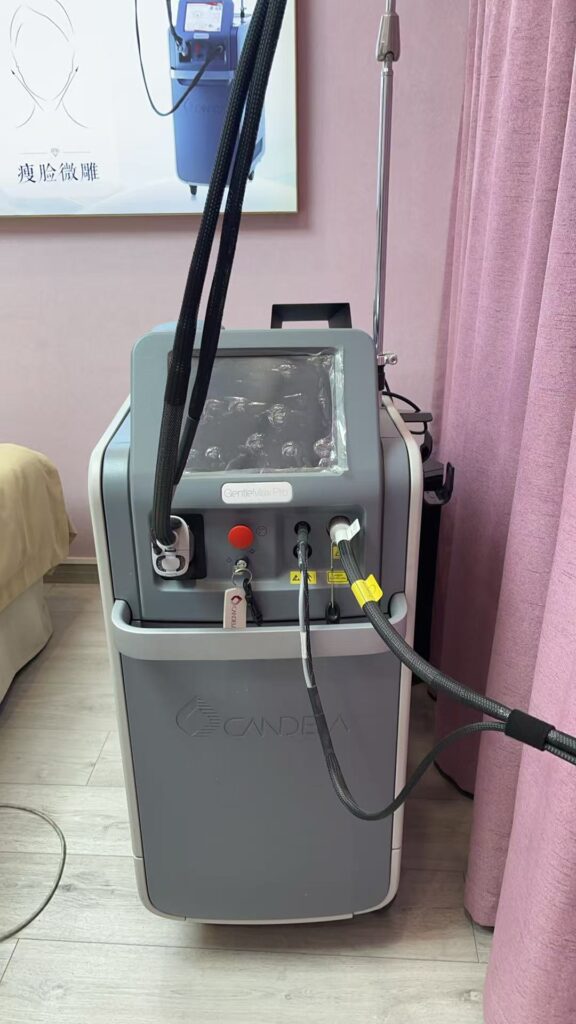 Candela GentleMax Pro: Demand, Verification and Cost Before You CommitBrand and Model Buying Guides
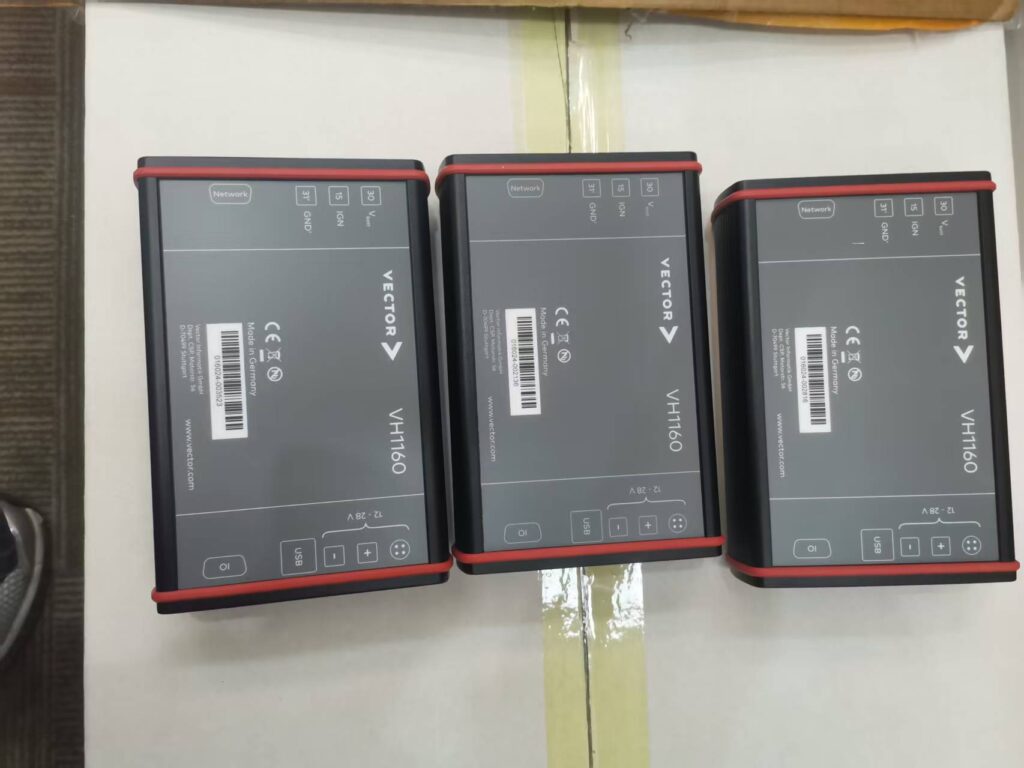 Alma VH1160 Vector Handpiece Code: What the Part Number Tells a BuyerBrand and Model Buying Guides
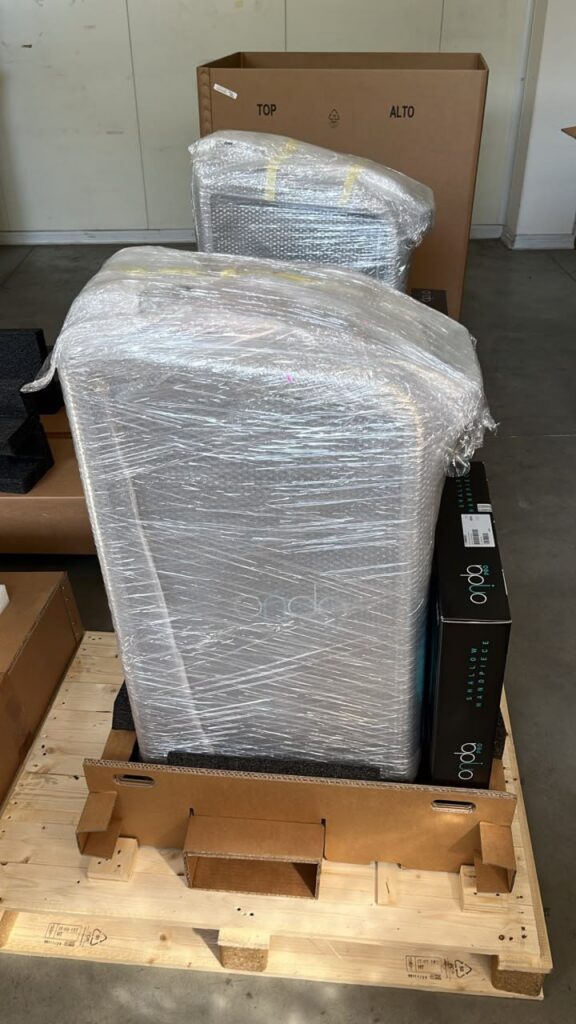 DEKA Onda Pro: Investment Case, Verification and Pre-Owned RealityBrand and Model Buying Guides