
Ulthera Face Line Budgeting: 600‑Line Tri‑Depth Protocol & ROI Guide
A structured 600‑line Ulthera or Ultherapy Prime protocol using tri‑depth transducers typically allocates lines across 4.5 mm (SMAS), 3.0 mm (mid‑dermis/subdermis), and 1.5 mm (superficial dermis) based on the patient’s laxity pattern rather than…
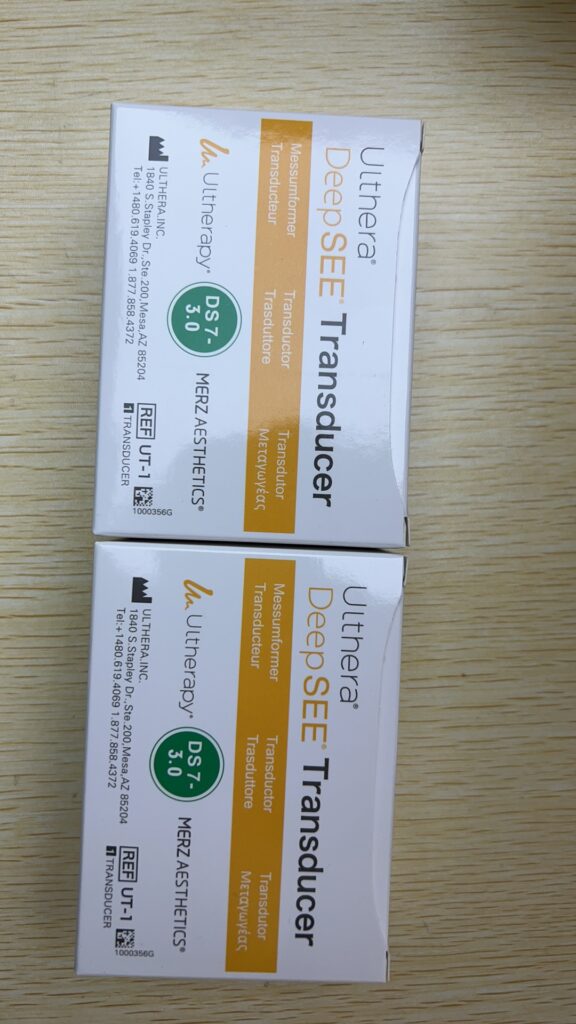
A structured 600‑line Ulthera or Ultherapy Prime protocol using tri‑depth transducers typically allocates lines across 4.5 mm (SMAS), 3.0 mm (mid‑dermis/subdermis), and 1.5 mm (superficial dermis) based on the patient’s laxity pattern rather than a fixed template. In practice, many full‑face plans start near 600 lines and scale up or down by area — but the key is vector‑based distribution (jawline, lower face, midface, peri‑orbital) and head selection, not “shooting the number.” For clinics planning inventory and shot budgets, a face‑vector matrix that ties line counts to transducer depth and clinical zones makes both treatment consistency and transducer ROI easier to manage.
What It Does & Ideal Clinic Profile
The Ulthera System integrates ultrasound imaging (DeepSEE) with microfocused ultrasound therapy, using interchangeable transducers (DS 4–4.5, DS 7–3.0, DS 10–1.5) to deliver discrete thermal coagulation points at depths between 1.5 mm and 4.5 mm while visualizing tissue up to 8 mm. Clinicians use the 4.5 mm depth to target the SMAS for lifting vectors, 3.0 mm lines for deeper dermal tightening, and 1.5 mm for superficial tissue such as the peri‑orbital region. A tri‑depth, multi‑vector facial protocol is therefore less a single “program” and more a structured distribution of line counts across heads and facial zones.
Ideal buyers for a line‑budget strategy are clinics already performing non‑invasive lifting with Ulthera or Ultherapy Prime, as well as operators using premium HIFU platforms that emulate Ulthera’s SMAS targeting. These practices usually run 600–800‑line full‑face protocols or combined face‑neck courses and need predictable shot planning for inventory, pricing, and staff training. For them, a 600‑line vector strategy is an economic and operational question as much as a clinical one: how many lines per depth, per region, and per patient category will keep outcomes and margins consistent, while staying within manufacturer guidance.
Tri‑Depth Face Vector Core Analysis
Unlike generic HIFU protocols that treat the face as a uniform field, Ulthera line planning is built around three linked decisions: the total line budget, spatial distribution (vectors/zones), and transducer depth selection for each zone. Manufacturer documentation defines transducer depths and acoustic output, but does not prescribe a single fixed line count for all faces; instead, clinical guidance and real‑world protocols show full‑face ranges around 600–800 lines with adjustments for age, laxity, and area mix.
Independent clinical content on Ultherapy Prime highlights that buying “600 lines” does not guarantee lifting if the distribution does not match the patient’s anatomy and problem areas. Common reasons 600‑line protocols underperform include: shots delivered in the wrong tier (depth), lines scattered away from the sagging vectors, blind treatment without visualization, and under‑treating high‑laxity zones like the lower face and under‑chin. From a B2B perspective, this means clinics must tie their line budgets to a standardized face‑vector map: assigning minimum line counts to each vector (e.g., lower cheek/jawline, submental, midface, peri‑orbital) and each depth, then training staff to adjust within that framework rather than improvising on the day.
A practical tri‑depth approach starts with defining three functional layers in protocol design:
– 4.5 mm (SMAS vectoring): Dominant lines along jawline, lower cheek, and submental, where lifting vectors are most needed.
– 3.0 mm (mid‑deep dermal support): Lines in cheeks, prejowl, and perioral zones to support contour and firmness above SMAS.
– 1.5 mm (superficial refinement): Targeted lines around eyes, forehead, and fine‑line areas for surface firmness, not bulk lifting.
ALLWILL can help clinics codify these vectors into operational protocols and tie them directly to transducer purchase plans, so line budgeting is aligned with device inventory and staff technique.
Revenue / Operational Impact & Payback Math
From a clinic owner’s perspective, line budgeting is where physics meets finance. Ulthera transducers have defined shot lives, and a full‑face course typically starts at around 600 lines, scaling up to 800–1,200 lines when neck or more severe laxity are included. Each line consumes a unit from the transducer’s shot count, so poorly planned distribution (e.g., overshooting low‑impact zones while undershooting true sagging vectors) can burn inventory without commensurate perceived improvement.
Illustratively, consider a DS 4–4.5 and DS 7–3.0 combination used for full‑face lifting and contouring. If a clinic prices a 600‑line face protocol at a certain fee and assigns a fixed internal cost per line (based on transducer pricing and shot life), then misallocated shots directly erode margin: the consumable cost is incurred, but the patient’s perception of value lags. Conversely, a structured line‑budget matrix that consistently directs lines to high‑impact vectors (jawline, submental, lower cheek) can improve perceived outcomes for the same shot usage, supporting higher repeat rates and more predictable ROI — without changing total lines.
Because there is no universal “correct” line count, clinics should model line usage across typical patient categories (e.g., early laxity at 300–400 lines, moderate full‑face at 600–800, extended face‑neck at 800–1,200) and match this to cartridge shot life and acquisition cost. ALLWILL can assist by providing device‑ and transducer‑specific pricing and CPO options so that clinic finance teams can map their line‑budget strategy onto a transducer lifecycle and payback projection, rather than treating line usage as a marketing slogan.
Request a quote from ALLWILL to obtain current pricing and shot‑life information for Ulthera transducers so your finance and clinical teams can jointly define sustainable line budgets for each protocol tier.
Differentiated Advantage / Higher‑Ticket Rationale
Ulthera’s differentiation in line budgeting stems from its MFU‑V (microfocused ultrasound with visualization) capability and tightly specified transducer depths rather than from headline “shot numbers.” Real‑time imaging lets clinicians confirm coupling, tissue thickness, and SMAS depth before committing line counts, making vector‑based distribution more precise than blind HIFU approaches. When tri‑depth heads are used intelligently (4.5 / 3.0 / 1.5 mm) and line budgets align with vectors, clinics can support a consistent patient experience and confidence in per‑protocol pricing, even though individual responses vary and no specific outcome can be guaranteed.
In the broader HIFU market, some platforms emulate Ulthera’s multi‑depth concept but lack the same level of visualization or standardized acoustic output documentation. For mid‑to‑late‑funnel buyers comparing a true Ulthera system with other ultrasound or HIFU devices, the case for paying a premium often lies in the ability to build reliable, reproducible protocols tied to imaging, known depths, and validated transducer physics. This becomes particularly important for clinics scaling across multiple locations, where standardized line budgets and head usage need to be teachable and auditable.
ALLWILL’s portfolio spans Ulthera and other focused ultrasound platforms, allowing procurement teams to benchmark not only headline shot counts, but also transducer depth options, visualization capabilities, and manufacturer documentation on acoustic outputs. Having this multi‑brand view makes it easier to decide when Ulthera’s higher device and transducer cost is justified by operational predictability and brand positioning in your market.
Practical Decision Aid: 600‑Line Tri‑Depth Face Vector Matrix
Because the working title centers on line distribution and face vectors, the most useful decision aid is an illustrative line‑budget matrix for a 600‑line tri‑depth protocol. This framework is not a universal clinical rule; it is a planning tool clinics can adapt, within manufacturer guidelines and physician judgment, to align treatment strategy with transducer economics.
Illustrative 600‑Line Tri‑Depth Face Vector Matrix (Full Face)
| Facial zone / vector | Depth / transducer | Example line range | Purpose in protocol |
|---|---|---|---|
| Lower cheek & jawline (SMAS lift vector) | 4.5 mm (DS 4–4.5 or DS 7–4.5) | 200–250 lines | Concentrates energy in SMAS‑level lifting vectors along mandible and lower cheek to support contour and jawline definition. |
| Submental & under‑chin | 4.5 mm (SMAS) | 50–80 lines | Targets deeper laxity under the chin where double‑chin or neck‑to‑jaw transition concerns often originate. |
| Midface (malar / medial cheek) | 3.0 mm (DS 7–3.0) | 180–220 lines | Supports deeper dermal tightening above SMAS to reinforce facial frame and midface support without over‑treating superficial layers. |
| Perioral & lower facial transition | 3.0 mm | 40–70 lines | Addresses fine structure changes around mouth and chin where moderate laxity contributes to lower‑face heaviness. |
| Peri‑orbital & lateral brow | 1.5 mm (DS 10–1.5) | 60–90 lines | Uses superficial depth for delicate peri‑orbital structures and brow support, focusing on upper dermal firmness rather than deep lifting. |
| Forehead or targeted refinement zones | 1.5 mm | 20–40 lines | Allows limited, patient‑specific fine‑tuning in smaller areas, ensuring the superficial line budget is purposeful and not scattered at random. |
This matrix embodies the principle that a “600‑line protocol” is not simply 600 evenly spaced shots, but a tri‑layer distribution tied closely to anatomical vectors and laxity maps. Clinics can scale this framework down (e.g., 300–400 lines for early laxity or partial‑face protocols) or up (800–1,200 lines for face‑neck) while keeping relative ratios between depths and zones broadly similar. Request a quote from ALLWILL to pair this matrix with specific transducer shot counts and pricing so you can define internal line budgets that respect both clinical strategy and device economics.
Compliance & Asset‑Protection Guardrails
Ulthera is indicated as a non‑invasive dermatological aesthetic treatment for lifting the brow, submental and neck tissue, and improving lines and wrinkles of the décolleté. That clearance is tied to specific system configurations and transducer types; line budgeting must sit within these frameworks, and clinics should avoid creating off‑label protocols without a considered risk assessment and appropriate oversight. It is essential to remember that while line counts can be adjusted within clinically accepted ranges, output parameters (energy, spacing, line length) are defined by manufacturer presets and safety limits and should not be altered without training and clear rationale.
From an asset‑protection standpoint, tracking line usage per transducer, per protocol tier, and per patient cohort protects both device health and compliance. Overuse beyond recommended shot life or improvisational line distribution can stress transducers and increase the likelihood of unexpected downtime, which has both safety and economic implications. Clinics should centralize Ulthera manuals, train staff on warnings and proper coupling technique, and document any modifications to standard protocols along with justification and monitoring steps.
When sourcing new or CPO Ulthera systems and transducers, buyers must confirm regulatory status, traceability, and refurbishment details in writing, especially if inventory comes through cross‑border shipments or secondary markets. ALLWILL positions itself as a compliance‑aware sourcing partner, facilitating access to documentation, condition reports, and Smart Center services, but clinics remain ultimately responsible for aligning their treatment protocols, including line budgets, with local regulations and professional standards.
Procurement Risks to Avoid + ALLWILL Expert View
At procurement level, one of the most underestimated risks is designing revenue models around promotional “600‑line” packages without aligning those lines to transducer shot lives, patient anatomy, or manufacturer guidance. This can lead to under‑treatment in higher‑laxity cases, over‑consumption of shots in low‑impact zones, and confusion about why some patients perceive less improvement despite nominally identical line counts. Another risk is buying devices or transducers without clear shot‑count histories or refurbishment disclosures, making it impossible to plan line budgets reliably.
Clinics should avoid the assumption that any HIFU platform offering tri‑depth cartridges will behave like a fully visualized Ulthera system. Differences in acoustic output, imaging, and transducer construction will change how line distribution translates into tissue response, and line budgets must be tailored to each system and head, not copied wholesale. When working with ALLWILL, buyers can request device‑specific guidance and inspection summaries to ensure their internal protocols are grounded in the physics and limits of the actual hardware they own.
ALLWILL Expert View
For multi‑clinic operators, the conversation about “how many Ulthera lines” should move out of marketing and into protocol governance. A tri‑depth face‑vector strategy becomes a management tool when it is codified as a matrix: which zones get priority, at which depths, across which patient categories, and how those decisions map back to transducer shot counts and acquisition cost. The operators that protect ROI most effectively are those who standardize line budgeting, monitor actual lines fired per case, and refine protocols based on both clinical feedback and cartridge lifecycle data, rather than chasing promotional shot numbers. At ALLWILL, we see higher‑performing clinics treating transducers as managed assets — with clear rules for new versus certified pre‑owned heads, documented shot‑count histories, and agreed line budgets for each protocol tier. When you request a quote from ALLWILL, ask not only for pricing, but also for transducer condition reports and suggested line‑use bands per protocol, so procurement, finance, and clinical leadership can plan on the same structured foundation.
Request a quote from ALLWILL to review Ulthera system and transducer options, with condition grading, shot‑count documentation, and suggested line‑budget bands tailored to your typical patient mix and treatment menu.
Frequently Asked Questions
What is a typical line range for full‑face Ulthera treatment?
Clinical experience suggests that full‑face Ulthera or Ultherapy Prime protocols often start around 600 lines and may extend toward 800 lines or more when the neck, under‑chin, or more severe laxity are included. However, line needs vary by anatomy and problem pattern, so protocols must be individualized rather than locked to a single number.
How do 4.5 mm, 3.0 mm, and 1.5 mm heads differ in treatment planning?
The 4.5 mm head targets the SMAS layer for deeper lifting vectors along the jawline and submental regions; 3.0 mm supports deeper dermal tightening in cheeks and lower face; 1.5 mm addresses more superficial layers such as peri‑orbital areas. Line budgets should reflect this layering, assigning more lines to lifting vectors at 4.5 and 3.0 mm while using 1.5 mm more selectively.
Is a 600‑line face protocol enough for all patients?
No. Evidence from clinical practice indicates that 600 lines can be suitable for mild to moderate laxity, but may be insufficient for more pronounced sagging involving neck, double‑chin, or extensive lower‑face issues. In such cases, protocols frequently increase to 800–1,200 lines and extend across additional vectors, following physician assessment.
How should clinics track line usage and transducer ROI?
Clinics should log lines per session by head and zone, reconcile usage with transducer shot life, and tie this data to protocol tiers. This allows finance teams to calculate effective consumable cost per treatment, monitor for over‑ or under‑use, and adjust pricing or line budgets accordingly. Request a quote from ALLWILL that includes transducer shot‑life data and CPO condition summaries to support this tracking.
Does Ulthera line budgeting guarantee clinical outcomes or revenue levels?
No. Manufacturer documentation and clinical sources emphasize that results depend on individual anatomy, collagen response, technique, and correct targeting, and there are no guaranteed clinical or financial outcomes. Line budgeting is a planning tool that supports protocol consistency and asset management; it must always be used alongside physician judgment and local market analysis.
References
- Ulthera® System – Instructions for Use
- Information for Manufacturers Seeking Marketing Clearance of Diagnostic Ultrasound Systems and Transducers
- Clarified! How many Ulthera shots are needed to see results and achieve a slimmer face?
- Ultherapy Prime 600 Shots + Thermage 600 S
- Acoustic Output Measurement Standard for Diagnostic Ultrasound Equipment (AIUM/NEMA UD2-2004)
- Medical Ultrasound Safety – American Institute of Ultrasound in Medicine
- Protocólos de Ultherapy Corporal – Line Distribution Examples
Related articles
Ultherapy Transducers: What the Probe Record Changes About the PriceBrand and Model Buying Guides Candela GentleMax Pro: Demand, Verification and Cost Before You CommitBrand and Model Buying Guides
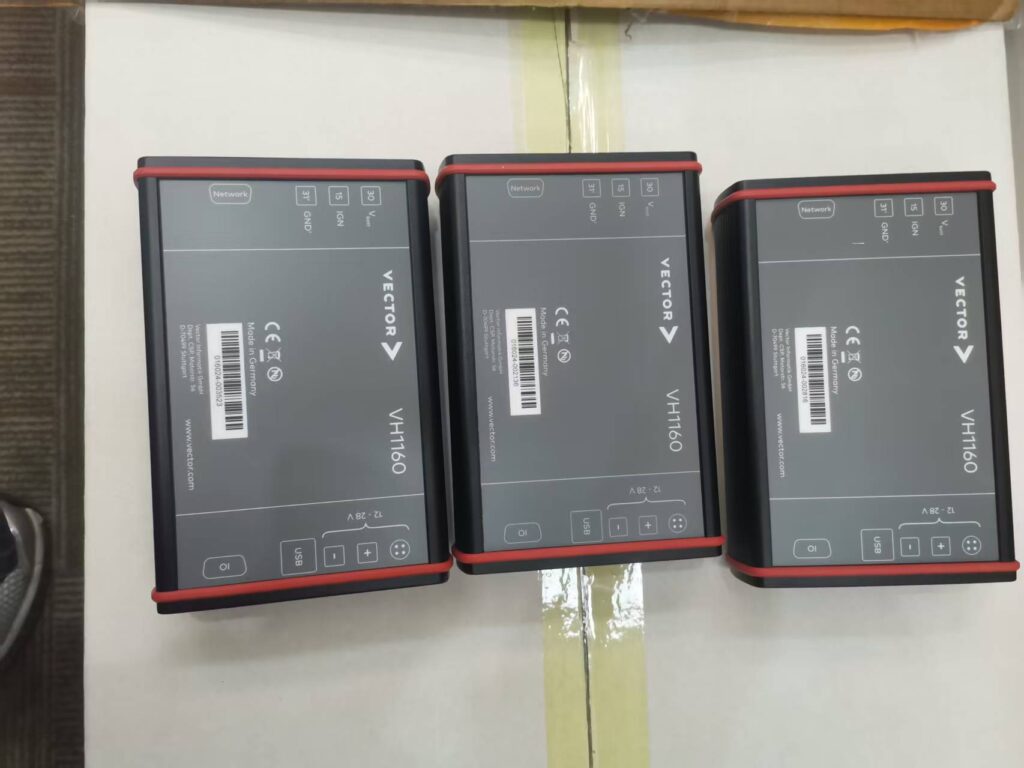 Alma VH1160 Vector Handpiece Code: What the Part Number Tells a BuyerBrand and Model Buying Guides
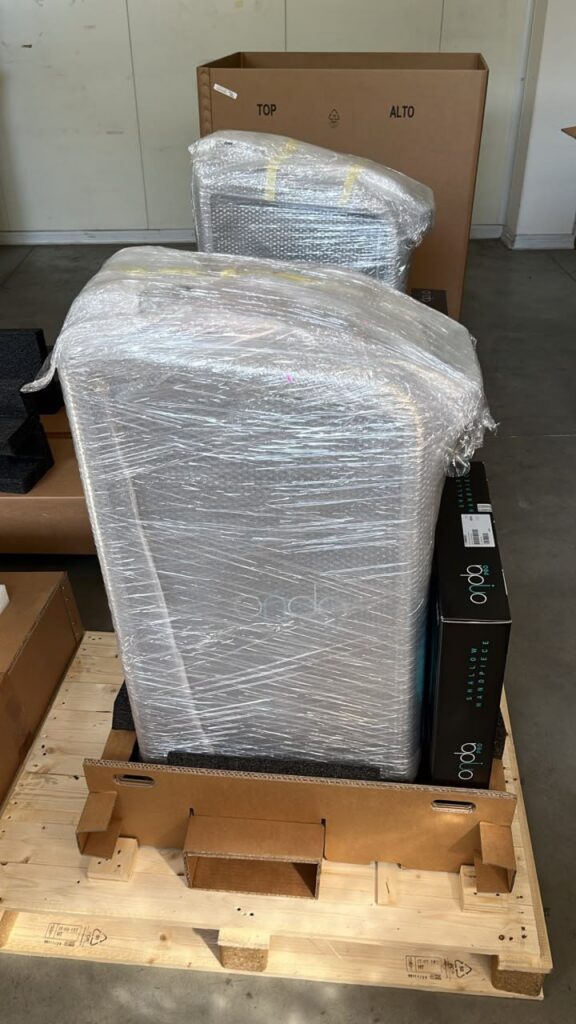 DEKA Onda Pro: Investment Case, Verification and Pre-Owned RealityBrand and Model Buying Guides