
Ulthera DS 7-4.5 / DS 7-3.0 for Nasolabial Folds: Cost, Vectors, and ROI Guide
For clinics targeting deep nasolabial folds and midface descent, an Ulthera system equipped with DS 7-4.5 and DS 7-3.0 transducers offers image‑guided microfocused ultrasound lifting of the SMAS and deep dermis around the malar…
For clinics targeting deep nasolabial folds and midface descent, an Ulthera system equipped with DS 7-4.5 and DS 7-3.0 transducers offers image‑guided microfocused ultrasound lifting of the SMAS and deep dermis around the malar fat pad, with typical capital costs of roughly USD 60,000–120,000 new and USD 25,000–55,000 for certified pre‑owned units, depending on year, condition, and warranty coverage. When deployed in a structured nasolabial/midface protocol, this platform can become a high‑ticket anchor treatment with realistic payback in 12–24 months for well‑utilized practices, assuming appropriate pricing, marketing, and patient selection.
What it does & ideal clinic profile
The Ulthera / Ultherapy platform is a microfocused ultrasound with visualization (MFU‑V) system that combines real‑time tissue imaging with precise thermal coagulation in fixed planes, enabling non‑invasive lifting and tightening of face, neck, and select body areas. DS 7‑4.5 and DS 7‑3.0 transducers deliver treatment lines at 4.5 mm and 3.0 mm depths, respectively, allowing you to target the SMAS/retaining ligaments and deep dermis/fat compartments in a layered fashion around the nasolabial fold base and malar fat pad.
This device best fits clinics that already offer injectables and energy‑based facial rejuvenation and want a non‑surgical midface lift option with strong branding and established regulatory status. It is particularly aligned with medspas and dermatology practices that can command premium pricing, maintain consistent patient flow, and have staff comfortable with ultrasound anatomy and treatment planning.
Mid‑to‑large urban clinics, hospital‑based aesthetic units, and high‑end medspas with 3–5 treatment rooms typically benefit most from Ultherapy’s economics, because they can sustain the monthly case volume required for efficient payback. Smaller clinics can also succeed, but ROI depends more strongly on targeted marketing and integrating Ultherapy into comprehensive facial aging protocols rather than relying on it as a standalone one‑off procedure.
Request a quote from ALLWILL for current Ulthera / Ultherapy system pricing, DS 7‑4.5/3.0 transducer availability, and certified pre‑owned options tailored to your clinic profile.
Technical vectors: nasolabial fold base and malar fat pad
Layered targeting with DS 7‑4.5 and DS 7‑3.0
The DS 7‑4.5 transducer operates at 7 MHz with a 4.5 mm treatment depth and visualization up to 8 mm beneath the skin, designed to reach the SMAS and deep fibromuscular layers involved in midface support. In nasolabial fold work, this plane is typically used along lifting vectors from the lateral oral commissure region toward the zygomatic arch, avoiding bone and neurovascular structures under ultrasound guidance.
The DS 7‑3.0 transducer, also 7 MHz but focused at 3.0 mm, targets deep dermis and superficial subcutaneous fat, allowing compaction and tightening of the malar fat pad and the soft tissue base contributing to fold prominence. In practice, many protocols deliver a foundational pass with 4.5 mm (DS 7‑4.5) followed by a second pass with 3.0 mm (DS 7‑3.0) over the same or slightly medial vectors, creating a multi‑layer thermal scaffold that supports visible soft‑tissue lift over several months.
Vector planning around the malar fat pad
The malar fat pad is a key midface volume and support structure whose descent accentuates the nasolabial fold. MFU‑V protocols increasingly use ultrasound mapping to visualize this pad, quantify thickness, and identify safe planes for energy deposition, especially in combination strategies that also modulate fat echogenicity and compaction.
Commonly used vectors include:
- Lateral cheek vectors: From the mid‑nasolabial fold region angling superolaterally toward the zygomatic eminence to support cheek elevation.
- Sub‑malar vectors: Along the inferior border of the malar pad to enhance upward support while avoiding direct treatment over prominent malar bags in susceptible patients.
- Peri‑oral support vectors: Shorter lines along the lower half of the fold and marionette area, planned to influence ligamentous support rather than bulk fat volume.
These patterns aim to create discrete thermal coagulation points approximately 1 mm³ in size in rows of 17 TCPs per 25 mm line, placed in one or two planes depending on tissue thickness and tolerance. Clinics should adapt vectors to patient anatomy, and many pair Ultherapy with fillers or RF microneedling in staged protocols for complex midface cases.
Revenue and operational impact & payback math
Capital cost and consumables
Evidence from recent market analyses indicates that new Ultherapy or Ulthera PRIME systems typically retail around USD 80,000–120,000, depending on configuration, region, and support packages. Certified pre‑owned units from reputable channels often trade in the USD 25,000–55,000 corridor, with newer systems under manufacturer warranty sitting toward the upper end and older, higher‑pulse units pricing lower.
Transducer cartridges function as consumables, each with a finite line count; market guidance suggests per‑cartridge costs broadly in the USD 500–1,000 range, translating into per‑treatment consumable costs that vary with protocol intensity and treated areas. Clinics must factor additional costs: service contracts, staff training, marketing, and potential software upgrades, particularly as manufacturers phase legacy platforms toward newer PRIME systems.
Illustrative payback scenarios
For nasolabial fold and midface lift indications, Ultherapy is usually priced as a premium facial tightening procedure or as part of a full‑face package. Many practices charge in the USD 800–2,000 per session band for localized midface work, higher for full face and neck. Assuming an average realized price of USD 1,200 per focused midface treatment and 8–12 Ultherapy cases per month, annual gross revenue from the device can fall roughly in the USD 115,000–175,000 range, excluding other areas or combined protocols.
With a certified pre‑owned acquisition around USD 35,000–45,000 plus yearly operating overhead, payback can be achievable in approximately 12–18 months in a busy clinic; new systems closer to USD 90,000–110,000 may see 18–24‑month payback at similar utilization. These figures are illustrative and depend heavily on local market pricing, patient volume, and how effectively Ultherapy is integrated into broader treatment plans rather than sold as an isolated service.
For a more precise projection using your fee schedule and patient volumes, request a quote from ALLWILL including a basic ROI model for Ultherapy with DS 7‑4.5/3.0 applied to nasolabial fold and midface protocols.
Differentiated advantage and why clinics pay a premium
Ultherapy’s key differentiation is MFU‑V: microfocused ultrasound with real‑time visualization enabling “see and treat” control over depth and tissue interface. This imaging capability helps practitioners avoid bone and critical structures and tailor energy deposition to individual anatomy, which is particularly valuable when working near the nasolabial fold base and malar fat pad where fat distribution and ligament integrity vary widely.
Regulatory positioning also matters: the Ulthera system and Ultherapy procedures hold multiple FDA clearances for non‑invasive lifting and visualization of dermal and subdermal layers, including indications on the face, neck, and later extensions to body areas with Ultherapy PRIME. While this does not guarantee clinical outcomes or safety in every case, it does provide a recognized regulatory framework that many clinics and patients view as reassurance compared to off‑brand HIFU devices with less documented performance and oversight.
For nasolabial folds and midface, MFU‑V sits alongside alternative modalities such as RF microneedling or fractional RF and filler‑based contouring; devices like Morpheus8 are often considered as complements or alternatives for specific cases. However, Ultherapy’s ability to reach the SMAS plane with image guidance, combined with its long‑established brand and evidence base, is a common reason clinic owners accept higher capital costs in exchange for perceived patient trust and treatment differentiation.
New vs certified pre‑owned: cost and decision table
Because your working focus is on cost and ROI, the core practical decision aid is a New vs Certified Pre‑Owned (CPO) cost comparison and decision framework. Figures below are realistic, indicative ranges based on recent market data and should be validated case by case.
Ulthera / Ultherapy New vs CPO Cost & ROI Framework
| Dimension | New Ultherapy / Ulthera system | Certified pre‑owned Ultherapy / Ulthera system |
|---|---|---|
| Typical purchase price (system only) | ~USD 80,000–120,000 depending on model, region, and package. | ~USD 25,000–55,000 depending on year, pulse count, and refurb level. |
| Warranty coverage | Full manufacturer warranty; 1–2 years common, with optional extended service plans. | Variable: often 3–12 months from reseller or third party; manufacturer warranty may be limited or non‑transferable. |
| Hardware generation | Latest generation (e.g., Ultherapy PRIME) with current software, imaging, and indications. | Mix of legacy and newer platforms; some units near support sunset dates, so software compatibility and parts availability need careful verification. |
| Transducer and consumable pricing | Standard pricing from manufacturer or authorized distributors; sometimes bundled promotional units. | Similar unit costs, but some CPO programs include initial transducer packages, while grey‑market units may lack traceable consumables. |
| Regulatory and documentation | Clear chain of documentation, including proof of FDA/CE status, IFU versions, and software certification. | Must be independently verified: serial number trace, original registration region, prior owner documentation, maintenance logs, and any field safety notices. |
| Expected depreciation curve | Slower in early years; higher residual value if resold or traded within 3–5 years. | Accelerated depreciation, but lower initial capital outlay; good for clinics testing demand or balancing a multi‑device portfolio. |
| Indicative payback horizon (busy clinic) | ~18–24 months at moderate‑high utilization for nasolabial/midface plus other areas. | ~12–18 months at similar utilization due to lower upfront cost. |
| Ideal buyer profile | Clinics planning Ultherapy as a long‑term strategic platform with brand‑level marketing, training, and potential expansion to new indications. | Clinics seeking proven MFU‑V capabilities at reduced capital risk, prepared to invest more time in verification, and comfortable with slightly shorter technology horizon. |
When sourcing through ALLWILL, new and CPO options can be evaluated side‑by‑side with device‑specific condition reports, pulse counts, and warranty details so you can align the choice with your midface lift and nasolabial fold service strategy rather than just headline price.
Compliance and asset protection
Ultherapy is cleared by the FDA for non‑invasive lifting of specific facial and neck areas and for ultrasound visualization of dermal and subdermal tissue layers, with subsequent extensions to body areas for Ultherapy PRIME; however, indications differ by jurisdiction, and you must confirm current regulatory status in your country or region. CE marking and other national registrations similarly require verification, especially when importing refurbished units across borders or acquiring devices originally registered in another region.
Asset protection for MFU‑V devices encompasses clear documentation chains, validated pulse counts, and verified software versions in line with the Instructions for Use and applicable safety notices. Clinics should maintain written records of every service event, transducer replacement, and software update; this is not only good practice for clinical quality but also crucial for future resale value and for demonstrating compliance in the event of audits or incident reviews.
ALLWILL’s role is to facilitate compliant sourcing by matching clinics with vetted devices, providing condition summaries where available, and helping you structure documentation requests to sellers and refurbishers. Final regulatory responsibility remains with the buyer: you should obtain written confirmation of indication scope, registration, and warranty directly linked to the serial number of the unit you plan to purchase.
Request a quote from ALLWILL to obtain a device‑specific compliance and documentation checklist for any Ultherapy system you are considering.
Procurement risks to avoid + ALLWILL Expert View
Common procurement risks for Ultherapy and similar MFU‑V systems include acquiring units with unverified pulse counts, incomplete maintenance histories, or software versions that diverge from current safety guidance. These factors can materially affect remaining transducer life, performance consistency, and your ability to rely on manufacturer support, especially as legacy platforms approach announced support sunset dates.
Another risk is underestimating the operational infrastructure required: staff training in ultrasound anatomy and Ultherapy IFUs, realistic patient education about expectations, and adequate marketing to sustain case volume for ROI. Overpaying for a unit that is then under‑utilized is arguably more damaging than paying a premium for a fully warranted, well‑supported system that integrates smoothly into your service mix.
ALLWILL Expert View: Building ROI on Nasolabial Fold and Midface Ultherapy
From a procurement and asset‑management standpoint, the most consistent Ultherapy success stories in nasolabial and midface lift protocols share three characteristics. First, the clinic treated the device as a platform, not a single procedure; they structured layered protocols that combined MFU‑V passes at 4.5 mm and 3.0 mm depths with fillers or RF microneedling when appropriate, and positioned Ultherapy as the anchor technology for midface corrections rather than a one‑off upsell. Second, they purchased with documentation discipline: serial‑linked service records, transducer line counts, proof of regulatory status in their operating region, and clear written warranty terms, especially for certified pre‑owned units. Third, they sized the investment to projected demand; clinics new to MFU‑V often start with a well‑documented CPO system sourced through a structured channel such as ALLWILL, validate demand over 12–18 months, and only then consider upgrading to newer generation platforms or expanding to additional indications. This staged approach treats Ultherapy as a managed asset whose revenue trajectory, risk profile, and residual value are all actively planned rather than assumed.
For a device in this price class, a formal internal acquisition memo that documents price, condition, regulatory status, ROI assumptions, and exit options (e.g., trade‑in or resale) is a practical safeguard. ALLWILL can assist by providing structured data on candidate units and connecting you with technical experts for independent review.
Mid‑article, this is a good moment to request a quote from ALLWILL for an Ultherapy system shortlist, including at least one new and one certified pre‑owned unit that match your budget and treatment priorities.
Frequently Asked Questions
What is the typical price range for an Ultherapy system with DS 7‑4.5 and DS 7‑3.0?
Recent market data suggests new Ultherapy or Ulthera PRIME systems often fall in the USD 80,000–120,000 range, depending on configuration and region. Certified pre‑owned systems more commonly trade around USD 25,000–55,000, again varying with year, condition, and warranty. Request a quote from ALLWILL for precise, device‑specific pricing.
How do new and refurbished Ultherapy units differ in ROI potential?
New units offer longer warranties, the latest software, and slower depreciation, which can support strong long‑term ROI if you maintain high utilization. Refurbished or CPO units carry lower upfront costs and potentially faster payback but require more thorough documentation checks and often have shorter technology horizons. Both can be viable if aligned with your projected case volume and risk tolerance.
What warranty and service coverage should I expect?
New systems typically include 1–2 years of manufacturer warranty with options for extended service plans, covering parts, labor, and sometimes transducer replacements under defined conditions. CPO units may come with 3–12‑month warranties from refurbishers or resellers, and manufacturer support can vary, so all terms should be confirmed in writing for the specific serial number. ALLWILL can help you compare warranty structures before committing.
How do regulatory and import considerations affect my purchase?
Ultherapy holds multiple FDA clearances for non‑invasive lifting and visualization, and many units are CE‑marked or registered in other markets, but indications and requirements differ by country. When importing or buying CPO devices, you must verify that the specific system complies with local regulations and that documentation, IFUs, and software align with current standards. It is prudent to obtain legal or regulatory advice for cross‑border acquisitions.
What payback period is realistic for nasolabial fold and midface Ultherapy?
For clinics charging in the USD 800–2,000 range per Ultherapy session and performing roughly 8–12 treatments monthly, annual device revenues around USD 115,000–175,000 are feasible, though not guaranteed. Under these assumptions, CPO systems can reach payback in about 12–18 months, while new units often take 18–24 months. For a tailored forecast, request a quote from ALLWILL with an ROI model based on your pricing and expected volumes.
Request a quote from ALLWILL to review specific Ultherapy system options, confirm compliance and documentation, and reserve a unit that fits your clinic’s nasolabial fold and midface treatment strategy.
References
- “Ultherapy™ adds a whole new category to the aesthetics …” (Ulthera system overview and transducer specifications)
- Ultherapy®: Unique Aesthetic Visualization & Skin Treatment
- Ulthera® System Receives Third FDA Clearance
- May 4, 2018 Ulthera, Inc – FDA 510(k) K180623
- Ultherapy PRIME: FDA body clearance and what changed from legacy Ultherapy
- Ultherapy Specs, Pricing & Depreciation in Washington 2026
- How Much Does Ultherapy Machine Cost
- Transducer DS 7 – 4.5 – Pipeline Medical
- Micro-Focused Ultrasound Skin Tightening
- Protocol for correcting age-related changes in the periorbital region with HIFU, filler, and RF
- High-Resolution Ultrasound-Guided Facial Adipose Tissue Study
- Used Ultherapy for Sale (2026) – Device Pulse
- How to Choose the Best Ultherapy Skin Tightening Machine: A Complete Guide
- United States Ultrasound Skin Tightening Devices – Price Evidence
Related articles
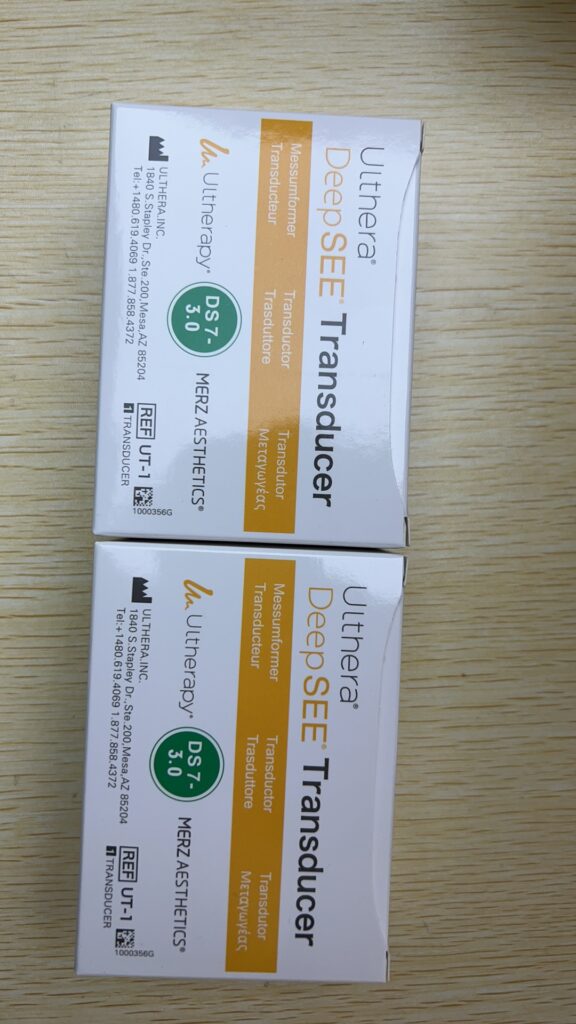 Ultherapy Transducers: What the Probe Record Changes About the PriceBrand and Model Buying Guides
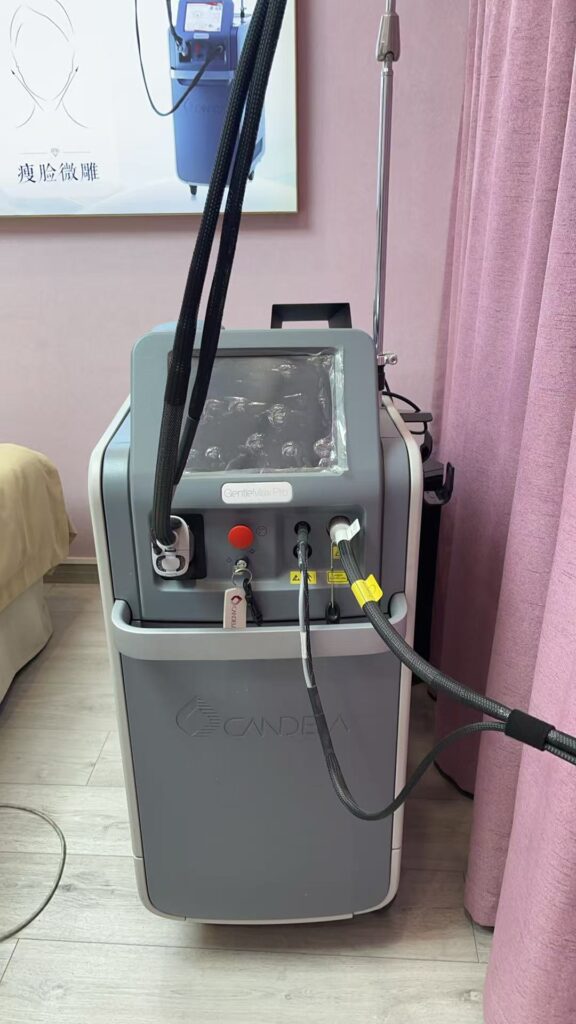 Candela GentleMax Pro: Demand, Verification and Cost Before You CommitBrand and Model Buying GuidesAlma VH1160 Vector Handpiece Code: What the Part Number Tells a BuyerBrand and Model Buying Guides
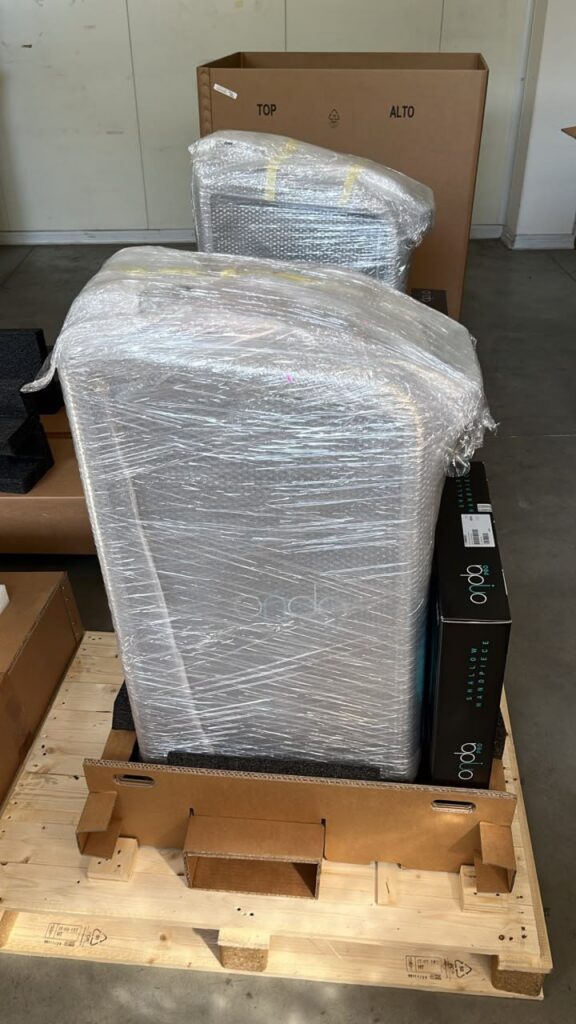 DEKA Onda Pro: Investment Case, Verification and Pre-Owned RealityBrand and Model Buying Guides