
Ulthera DS 7-3.0 Cost & ROI: Non‑Surgical Brow Lift Protocol with 3.0 mm and 1.5 mm Probes
For clinics building non‑surgical blepharoplasty and brow lift programs, the Ulthera DS 7-3.0 and DS 10-1.5N transducers together provide a layered MFU‑V protocol that targets orbicularis oculi, septal support, and superficial dermis without moving…
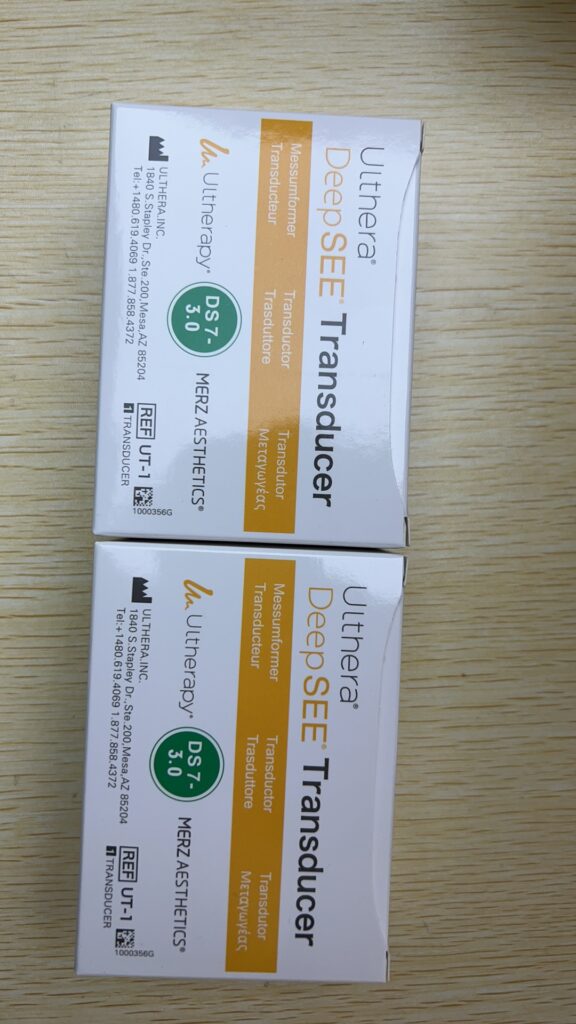
For clinics building non‑surgical blepharoplasty and brow lift programs, the Ulthera DS 7-3.0 and DS 10-1.5N transducers together provide a layered MFU‑V protocol that targets orbicularis oculi, septal support, and superficial dermis without moving into surgical territory. With each cartridge typically priced around USD 2,300–3,000 and delivering 2,200–2,400 lines, integrating them into a structured brow lift workflow can be economically viable when aligned with realistic case volume and pricing.
What They Do and Ideal Clinic Profile
The Ulthera DS 7-3.0 transducer is a 7 MHz, 3.0 mm DeepSEE cartridge designed to focus microfocused ultrasound into tissue planes roughly corresponding to the superficial musculoaponeurotic system (SMAS) and deeper dermis in areas of relatively thin upper‑face skin. In periorbital and brow regions, this depth often intersects orbicularis oculi and the orbital septum, key structures in eyelid support and brow position.
The DS 10-1.5N probe is a 10 MHz, 1.5 mm narrow cartridge targeting the upper dermis for fine‑line and skin‑quality improvement, particularly around the eyelid and brow skin. Used together, DS 7-3.0 and DS 10-1.5N support non‑surgical blepharoplasty‑style protocols: 3.0 mm passes to address deeper support, followed by 1.5 mm passes for surface tightening where appropriate, without incisions.
Ideal adopters are dermatology, oculoplastic, and aesthetic surgery clinics—and advanced medspas under medical supervision—that already own Ultherapy systems and want a structured, evidence‑referenced non‑surgical eye and brow program. These practices typically have patients seeking alternatives to blepharoplasty but are prepared to accept non‑invasive, incremental improvements rather than surgical results; it is critical to communicate that MFU‑V does not replace surgery for all candidates.
Core Analysis: Layered 3.0 mm / 1.5 mm Brow and Periorbital Protocols
Depth targeting in upper‑face structures
Ultherapy uses transducers of different depths—1.5 mm, 3.0 mm, and 4.5 mm—to target multiple tissue layers, with 4.5 mm focusing on SMAS in thicker skin and 3.0 mm often matching SMAS or muscular planes in thinner upper‑face regions. Around the brow and periorbital area, the SMAS and related fascial layers lie closer to the surface, making 3.0 mm a key depth for engaging orbicularis oculi and septal structures that influence eyelid and brow support.
Clinical literature on Ulthera‑based periorbital rejuvenation has described using 3.0 mm probes to tighten orbicularis oculi and the orbital septum, while 1.5 mm probes focus on lax eyelid skin and deep dermis. In a pivotal trial on aging lower eyelids, such dual‑depth treatment produced measurable reductions in infraorbital laxity on CT imaging without reported serious adverse events, suggesting a viable non‑surgical option under controlled conditions.
By combining DS 7-3.0 for deeper support and DS 10-1.5N for dermal‑level texture, clinicians can construct a layered protocol that addresses both structural and surface components of brow “heaviness” and eyelid hooding, while explicitly avoiding claims of equivalence to surgical blepharoplasty.
Ultherapy brow lift indications and patient selection
Ultherapy is FDA‑cleared in the United States as a non‑invasive ultrasound procedure to lift skin on the brow, neck, and under the chin, and to improve wrinkles on the décolletage. This clearance frames brow lift protocols as non‑surgical lifting of soft tissue, not as an authorization to perform true blepharoplasty or to guarantee outcomes comparable to surgery.
Appropriate non‑surgical brow lift candidates include patients with mild to moderate brow ptosis and eyelid hooding who are not ready for surgery, accept graduated improvement, and have realistic expectations about MFU‑based tissue tightening. Contraindications and caution zones—such as certain ocular conditions, implants, or thin bony structures—must be respected using ultrasound visualization, clinical judgment, and adherence to official Instructions for Use.
Protocol integration: sequencing and field planning
In practice, DS 7-3.0 is often used after or instead of 4.5 mm in areas where upper‑face tissue is thin, delivering lines along planned vectors above the brow, across the temple, and sometimes below the brow, depending on anatomy and safety guidance. DS 10-1.5N follows as a polishing pass directly in periorbital and preseptal eyelid skin fields, focusing on skin laxity and fine lines.
Layered Ultherapy treatment often uses multiple transducers in the same session to target SMAS and dermis, leveraging different depths for lifting and skin quality improvement. ALLWILL’s knowledge resources stress writing protocols that define line counts, energy settings, and safety margins for each transducer to avoid over‑treating sensitive periorbital structures.
Mid‑article, once your clinic has mapped how DS 7-3.0 and DS 10-1.5N might fit into your non‑surgical brow and periorbital service, it becomes logical to request a quote from ALLWILL for current transducer pricing, lead times, and any protocol or training support that can be bundled into the sourcing decision.
Revenue and Operational Impact & Payback Math
Cartridge pricing and line capacity
Market listings and reseller data place Ulthera DS 7-3.0 and DS 10-1.5N transducers in a similar new-unit price band, often around USD 2,300–3,000 per cartridge, depending on region, vendor, and whether they are sold with service terms. Common line capacities are listed at approximately 2,200–2,400 lines per cartridge, with some offerings advertising “new, never used” units with full line counts.
Ultherapy training materials describe full‑face and neck treatments using thousands of lines across multiple depths, while limited‑field periorbital and brow protocols use fewer lines but still rely on careful line budgeting. If we assume a nominal acquisition cost of USD 2,400 and capacity of 2,200 lines, a simple cost-per-line estimate is around USD 1.10 for either transducer, excluding overheads.
Non‑surgical brow lift pricing and utilization scenarios
Clinics frequently price Ultherapy brow or periorbital treatments in the USD 900–1,500 range when offered separately, or include them within more comprehensive Ultherapy face packages in the USD 1,800–2,500 range. In a layered brow lift protocol using both DS 7-3.0 and DS 10-1.5N, line usage might be on the order of 300–600 lines per transducer per session, depending on field size and patient factors.
Under these illustrative conditions, consumable cost per brow lift session from these two cartridges could sit roughly in the USD 600–1,200 band, while gross revenue per session might range around USD 900–1,500 when billed as a focused upper‑face service. Payback on cartridge spend depends on how many true brow lift cases the clinic books, how consistently protocols use planned line counts rather than excessive lines, and how many total sessions each cartridge is used before replacement.
These figures are non‑guaranteed scenario ranges and must be aligned with each clinic’s local market and fee schedule. Requesting a quote from ALLWILL for DS 7-3.0 and DS 10-1.5N pricing, plus expected line capacities, allows more precise internal ROI modeling.
Differentiated Advantage and Rationale vs Surgical and Other Non‑Surgical Options
Ultherapy’s combination of microfocused ultrasound and real‑time DeepSEE imaging differentiates DS 7-3.0 and DS 10-1.5N from many non‑visual HIFU systems, allowing operators to visualize tissue layers and bone while placing energy lines. This is particularly relevant in periorbital and brow zones, where proximity to globe, bone, and neurovascular structures requires careful depth and angle planning.
Compared with surgical blepharoplasty, MFU‑V protocols aim to tighten soft tissue and skin without incisions, but they do not remove excess skin or reposition fat pads in the same way surgery can. For some patients, non‑surgical brow lift is a bridge or alternative that offers lower downtime and no surgical scars, at the expense of potentially less dramatic and more incremental changes.
Other non‑surgical options, such as botulinum toxin brow lifting, radiofrequency tightening, and fractional lasers, address different aspects of upper‑face aesthetics—muscle balance, dermal heat, or surface resurfacing—with their own risk and consumable profiles. ALLWILL often helps clinics compare Ultherapy transducer investments with these modalities, focusing on anatomical targets, regulatory status, and service economics rather than qualitatively ranking them.
Practical B2B Decision Aid: Non‑Surgical Brow and Periorbital Protocol Checklist
Because the working title emphasizes non‑surgical blepharoplasty and protocol design rather than pure cost or logistics, the most useful decision aid is a checklist for building a sustainable, compliant Ultherapy brow and periorbital program around DS 7-3.0 and DS 10-1.5N.
Ultherapy Brow & Periorbital Non‑Surgical Protocol Checklist
- Define candidate criteria and exclusions.
Specify degrees of brow ptosis and eyelid hooding appropriate for non‑surgical MFU treatment, along with exclusion criteria (ocular disease, implants, severe dermatochalasis) based on published safety data and your medical judgment. - Map upper‑face anatomy for depth selection.
Document where 3.0 mm depth intersects SMAS, orbicularis oculi, and orbital septum versus where 1.5 mm depth is confined to dermis, using training resources and imaging examples. This supports consistent transducer choice and line placement. - Write a layered protocol using both transducers.
Create standard treatment maps for DS 7-3.0 (brow, temple, supraorbital field) and DS 10-1.5N (preseptal eyelid skin, periorbital fine lines), including line counts per field, energy settings within IFU guidance, and avoidance zones. - Set pricing and communication for non‑surgical lift.
Align session pricing with consumable costs and local market norms, and craft patient messaging that frames Ultherapy brow lift as a non‑surgical option with gradual, variable improvement—not as a direct substitute for blepharoplasty. - Integrate transducer tracking and maintenance.
Track DS 7-3.0 and DS 10-1.5N line usage per case and per month; perform regular checks on imaging quality and handpiece function, and document any service events. This protects ROI and supports auditability. - Review outcomes and adjust protocols annually.
Periodically review clinical outcomes, patient satisfaction, and economic data; adjust line counts, treatment maps, and transducer stocking volumes accordingly, referencing updated Ultherapy training materials and literature.
ALLWILL can support clinics in implementing this checklist by aligning transducer sourcing, Smart Center services, and expert matching with the clinic’s non‑surgical upper‑face strategy rather than treating each cartridge purchase as a one‑off.
Mid‑article, once your clinic has drafted a brow lift checklist and initial protocol maps, the rational next step is to request a quote from ALLWILL for DS 7-3.0 and DS 10-1.5N pricing, expected line capacities, and any available protocol support or warranty options.
Compliance and Asset Protection
The Ulthera/Ultherapy system is cleared in the US for lifting skin on the brow, neck, and under the chin, and improving décolletage wrinkles; clinics must ensure their indications and marketing stay within this regulatory scope and are updated as new clearances or guidance emerge. Non‑surgical blepharoplasty positioning should emphasize that MFU‑V is a non‑invasive tissue‑tightening approach and does not replace surgical eyelid procedures where those are medically indicated.
Transducers like DS 7-3.0 and DS 10-1.5N carry serial numbers, depth specifications, and line capacities, enabling traceability and compatibility checks with approved systems. Buyers should secure written documentation for new and CPO units covering authenticity, remaining lines, prior use, refurbishment processes, and applicable warranties, and should maintain these records for regulatory and medicolegal audits.
Asset protection also involves routine system and transducer maintenance, including verification of energy output, imaging clarity, and handpiece integrity via manufacturer or qualified service providers. ALLWILL’s Smart Center and service network can help clinics schedule such maintenance and respond quickly to anomalies that could impact treatment safety or quality.
Procurement Risks to Avoid + ALLWILL Expert View
Key procurement risks with DS 7-3.0 and DS 10-1.5N
- Under‑specifying transducer mix for brow programs.
Buying only one depth (for example, 3.0 mm) while attempting to address both structural and dermal issues can limit protocol flexibility and perceived results. - Unclear line capacity and condition in CPO units.
Sourcing pre‑owned transducers without documented remaining lines or refurbishment status can create unpredictable consumable costs and mid‑protocol cartridge exhaustion. - No written link between protocol and procurement.
If procurement decisions are made independently of brow lift protocol design, clinics risk stocking cartridges unsuited to actual treatment patterns or underestimating required volumes. - Insufficient training and conservative case selection.
Launching non‑surgical blepharoplasty without robust training and careful patient selection can increase dissatisfaction if candidates expect surgical‑like changes from non‑invasive MFU.
ALLWILL Expert View: Building a Brow Lift Portfolio Around DS 7-3.0 and DS 10-1.5N
Successful non‑surgical brow lift programs rarely start with hardware alone; they start with a written clinical concept. Clinics that get lasting value from DS 7-3.0 and DS 10-1.5N first define what “non‑surgical blepharoplasty” means in their hands—who qualifies, which anatomical zones are treated, and how MFU fits alongside injectables or other energy devices. Only then do they align transducer sourcing with that concept. From a procurement standpoint, this means requesting quotes that cover not just per‑cartridge pricing but also line capacities, warranty terms, and any recommended training or Smart Center support tied to upper‑face protocols. On the asset side, they treat brow and periorbital transducers as tracked instruments, logging line usage and ensuring that CPO units come with documented condition and refurbishment histories. ALLWILL’s role is to organize these elements into a coherent package: DS 7-3.0 and DS 10-1.5N supply, compliance documentation, and protocol resources mapped to the clinic’s actual caseload and pricing strategy. This doesn’t guarantee specific clinical results or payback timelines, but it does transform the decision from “buy two probes” into a structured investment in a non‑surgical brow lift service line.
Frequently Asked Questions
What is the typical price range for DS 7-3.0 and DS 10-1.5N transducers?
New Ulthera DS 7-3.0 and DS 10-1.5N cartridges commonly fall in the USD 2,300–3,000 range per unit based on market listings and distributor data, with approximately 2,200–2,400 lines per cartridge. Exact pricing depends on region, volume, and bundled service terms, so clinics should request a quote from ALLWILL for current figures.
How do new and certified pre‑owned transducers differ for brow lift protocols?
New transducers usually provide full line capacity, manufacturer‑aligned warranty, and clear documentation, while CPO units may have partial line capacity or refurbishment histories that require verification. Clinics must confirm remaining lines, authenticity, and warranty coverage in writing before integrating CPO cartridges into upper‑face protocols.
What warranty coverage is typical for brow‑related Ultherapy transducers?
Warranty coverage varies: some suppliers offer 90-day to 12‑month limited warranties on transducers, while others bundle coverage into broader Ultherapy system service agreements. It is prudent to request explicit warranty terms—covering components and fault types—with any ALLWILL quote so there is no ambiguity about coverage.
How does a non‑surgical brow lift program affect ROI and payback?
ROI depends on session fees, booking volume, consumable usage per protocol, and how consistently the clinic applies layered 3.0 mm / 1.5 mm treatments to appropriate candidates. Many clinics model payback by projecting a conservative number of brow lift sessions per month and matching expected revenue to transducer costs and system overhead; ALLWILL can provide detailed pricing to support this modeling.
Are there special compliance considerations for positioning Ultherapy as non‑surgical blepharoplasty?
Yes. Clinics must ensure that marketing and consent materials reflect Ultherapy’s cleared indications and emphasize that MFU‑V brow lift is a non‑invasive soft‑tissue procedure, not a direct replacement for surgical blepharoplasty. It is advisable to review local regulatory guidance and Ultherapy training documents regularly and to anchor procurement decisions in verified regulatory status; ALLWILL can help coordinate documentation but does not act as a regulatory authority.
References
- Ulthera System – Instructions for Use
- ULTHERA System Technical Data Sheet (ULTHERA_FT)
- Ultherapy Prime Transducers — Depths & Their Specific Uses
- Ulthera DS 7-3.0 Transducer: Technology, Uses, and Clinical Applications
- Ultherapy 510(k) Summary – Brow, Neck, and Submental Lifting Indications
- Ultherapy Customer Training and Treatment Manual
- Safety and Efficacy of Ulthera in the Rejuvenation of Aging Lower Eyelids: A Pivotal Clinical Trial
- Microfocused Ultrasound for Skin Tightening – Jennifer L. Macgregor, MD
- Personalization Is Important in Noninvasive Facial Rejuvenation
- PRS Global Open – Noninvasive Facial Rejuvenation Review
Related articles
Ultherapy Transducers: What the Probe Record Changes About the PriceBrand and Model Buying Guides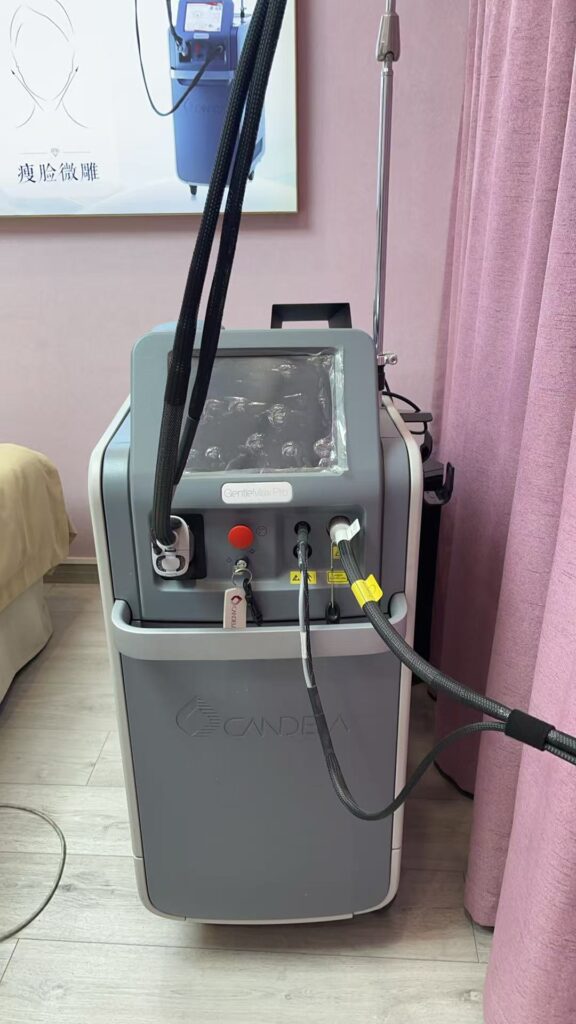 Candela GentleMax Pro: Demand, Verification and Cost Before You CommitBrand and Model Buying Guides
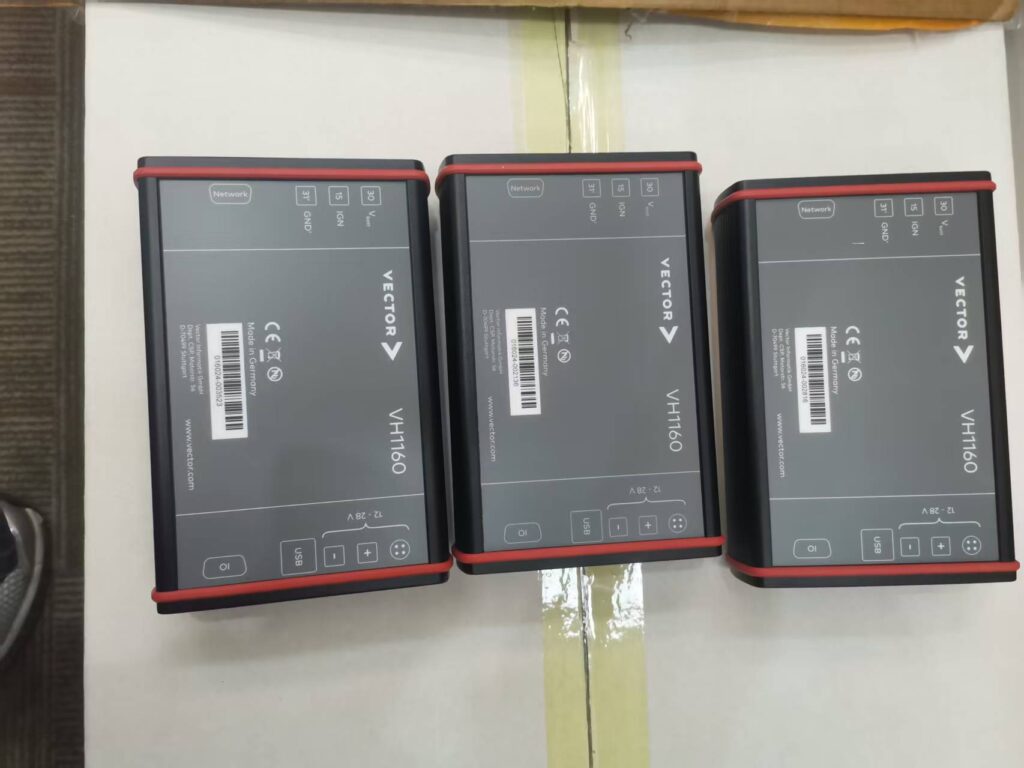 Alma VH1160 Vector Handpiece Code: What the Part Number Tells a BuyerBrand and Model Buying Guides
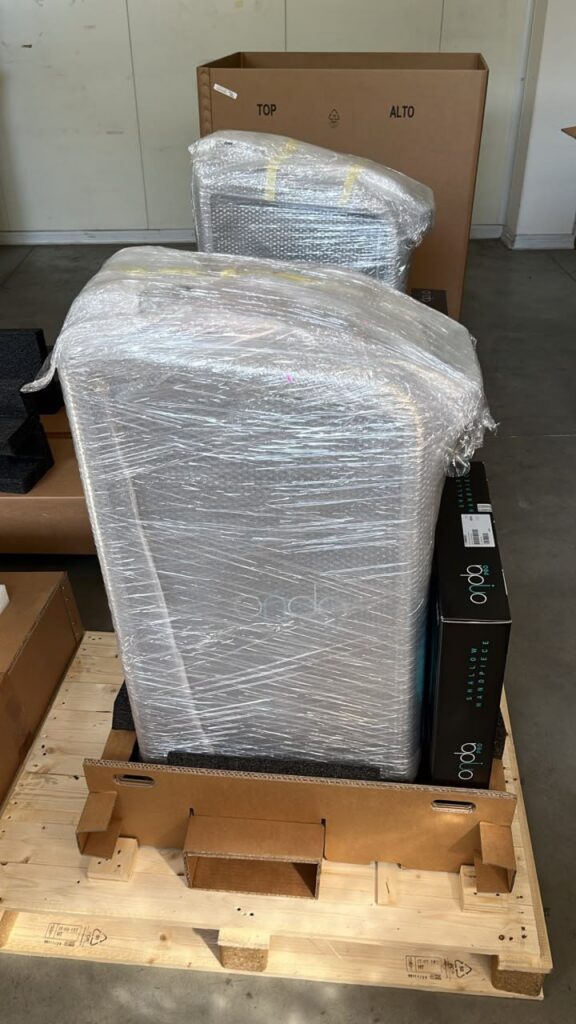 DEKA Onda Pro: Investment Case, Verification and Pre-Owned RealityBrand and Model Buying Guides