
L&CBio MegaFill Cost & Sourcing Guide for Injectable ADM Portfolios
Distributors are adding particle‑type acellular dermal matrices like L&CBio MegaFill to their wholesale portfolios because injectable hADM allows aesthetic and reconstructive clinics to standardize multi‑session tissue‑matrix boosters while locking in repeatable per‑syringe or per‑vial…
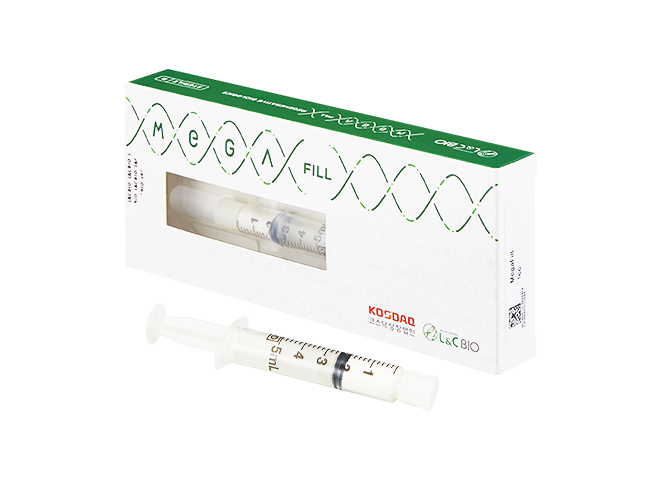
Distributors are adding particle‑type acellular dermal matrices like L&CBio MegaFill to their wholesale portfolios because injectable hADM allows aesthetic and reconstructive clinics to standardize multi‑session tissue‑matrix boosters while locking in repeatable per‑syringe or per‑vial contracts across facial, neck, and scar indications. The most resilient B2B strategies use MegaFill’s volume‑tiered pricing and OEM‑verified documentation to secure long‑term, multi‑unit agreements with private surgical centers rather than one‑off filler‑style orders.
What MegaFill Does & Ideal Clinic Profile
L&CBio MegaFill is a particle‑type human acellular dermal matrix (hADM) produced by pulverizing MegaDerm sheets into micronized extracellular matrix (ECM) particles composed of collagen, elastin, proteins, proteoglycans, and other skin‑native components. Unlike sheet grafts used for structural reconstruction, MegaFill is designed as an injectable scaffold that can be suspended and placed intradermally or subdermally to support dermal remodeling in aesthetic and soft‑tissue applications.
The ideal clinic profile for MegaFill includes:
- Aesthetic and medspa centers offering skin boosters, ECM injectables, and regenerative adjuncts to laser and RF treatments.
- Private surgical practices (plastic, ENT, dermatologic) that want injectable matrix options for scars, contour refinement, and combined procedures rather than only sheet‑based grafts.
- Clinics already comfortable with high‑ticket injectables where patients accept multi‑session protocols and where inventory can be planned based on standardized vial/syringe counts per course.
ALLWILL typically works with such centers when they want to integrate particle‑type ECM injectables alongside capital aesthetic devices, optimizing both procedure menus and procurement flows under one solutions architecture.
Topic‑Specific Core Analysis: Logistics, Sourcing & Vendor Verification
The working title (“B2B Wholesale Pivot” and “Where to source authentic MegaFill in bulk?”) makes logistics, sourcing, and vendor verification the dominant decision axis, not only price math or clinical engineering. Injectable hADM introduces new distribution dynamics: it behaves more like a premium injectable (with per‑unit packaging) but still carries tissue‑product regulatory and documentation requirements.
Key sourcing realities:
- Origin & OEM chain: MegaFill derives from L&C Bio’s MegaDerm tissue matrices processed under AlloClean and related GMP/ISO frameworks, then micronized and packaged for injectable use. Distributors must be able to trace every vial or syringe back to specific tissue lots and sterilization runs.
- Distribution models: Particle‑type hADM often moves via Korean OEM exporters to regional aesthetic distributors, or via physician‑only regenerative suppliers bundling ECM injectables, PRP kits, and exosomes. Multi‑asset platforms like ALLWILL can dock these products into broader device and consumable portfolios, but they still rely on OEM‑verified channels.
- Documentation stack: Clinics should expect Certificates of Analysis (COA) per batch, ECM composition data, sterility and endotoxin reports, and clear instructions on reconstitution, storage, and shelf life.
Because market awareness around injectable hADM is newer than for classic ADMs, vendor verification is critical. The same procurement mistakes seen with gray‑market fillers—relabeling, incomplete paperwork, or uncertain cold‑chain—can occur with ECM injectables if the distributor network is not carefully vetted.
Mid‑article CTA: If your clinic is considering adding MegaFill or equivalent injectable ECM boosters, request a quote from ALLWILL to verify OEM relationships, documentation packs, and multi‑session contract structures before committing to bulk orders.
Revenue & Operational Impact & Payback Math
Particle‑type ADMs like MegaFill shift the economic model from episodic reconstructive graft use to repeatable injectable series, closer to the way clinics monetize dermal fillers or skin boosters. However, the financial logic is more portfolio‑driven: the same ECM injectable can underpin multiple treatment types (texture, scars, combination protocols), allowing better utilization per SKU.
From a revenue standpoint:
- Per‑course pricing: Many ECM skin boosters (e.g., Elravie Re20, another micronized hADM product) are sold with 150 mg of matrix intended for a course of treatments, often 2–3 sessions over several months. MegaFill can be planned similarly, with clinics forecasting the number of vials per protocol and building package pricing for patients.
- Cross‑treatment integration: Particle‑type ADMs can be layered with energy devices, fillers, or biostimulators, increasing treatment complexity and ticket size per visit, which supports payback on capital equipment.
- Inventory repeatability: Unlike sheet grafts, which are tied to specific surgeries, injectables can be scheduled in regular cycles (e.g., quarterly booster series), making demand more predictable and contracts more amenable to volume tiers.
Payback math is inherently location‑dependent, but a typical pattern is:
- Clinics design ECM booster packages (e.g., 3‑session courses), price them in line with premium biostimulators, and match MegaFill usage to those packages.
- Volume discounts at the distributor level lower per‑vial cost at threshold counts (dozens to hundreds of vials annually), increasing margin on each course while stabilizing cash flow.
ALLWILL’s Smart Center can help clinics model these scenarios, tying MegaFill or comparable injectables to device utilization forecasts, without promising specific income levels.
Differentiated Advantage & Higher‑Ticket Rationale
The strategic reason distributors are adding MegaFill‑type injectables is that particle‑type ADMs occupy a unique niche between traditional grafts and cosmetic fillers. Micronized hADM injectables provide an ECM scaffold that supports dermal remodeling rather than purely volumizing or superficially hydrating, which appeals to regenerative and “tissue‑first” treatment philosophies.
Differentiation points include:
- Biologic composition: Products like Elravie Re20 are documented as containing high collagen content, elastin, and smaller proportions of glycosaminoglycans, closely mimicking skin ECM. MegaFill, derived from MegaDerm, is likewise composed of ECM components originally present in human dermis.
- Scaffold rather than stimulant: Clinical descriptions of particulated hADM emphasize dermis remodeling and matrix support rather than solely triggering inflammation‑mediated collagen synthesis. This positions MegaFill as a long‑term tissue scaffold solution within aesthetic programs.
- Multi‑indication flexibility: The same injectable can be applied to cheeks, perioral regions, post‑acne scarring, or surgical scars, which helps justify higher per‑unit pricing for clinics and distributors.
Alternative options include standard hyaluronic acid boosters or non‑ADM ECM products, but distributors see MegaFill and similar hADM injectables as higher‑ticket, portfolio‑anchoring items that complement, rather than replace, existing injectables. ALLWILL’s framework treats MegaFill as one node in a broader regenerative stack where clinics balance biologic depth, pricing, and patient expectations.
Supplier Vetting Framework for Injectable ADM Wholesale
For particle‑type ADMs like MegaFill, a tactical Supplier Vetting Framework helps procurement teams protect clinical quality and business continuity. The table below provides a practical decision aid for wholesale buyers evaluating distributors.
| Vetting Dimension | What to Verify | Decision Clues & Typical Ranges (Estimates) |
|---|---|---|
| OEM Relationship | Confirm that MegaFill is sourced directly from L&C Bio or its appointed exporters, with documented link to MegaDerm manufacturing lots. | Distributor provides OEM letters, product codes, and catalog entries showing MegaFill as a derived product from MegaDerm; absence of OEM proof is a red flag. |
| Product Type & Specs | Clarify whether the product is powdered, paste, or suspension form, including ECM composition and particle size range. | Expect technical sheets outlining collagen %, elastin %, other ECM components, and recommended reconstitution volumes; generalized descriptions without numbers suggest weak QA. |
| Regulatory & Tissue Status | Determine how the product is classified (tissue vs device vs injectable biologic) in your jurisdiction and its approved or investigational indications. | Distributor should state regulatory position clearly and provide registration documentation; clinics must confirm independently with local authorities before routine use. |
| COA & Batch Documentation | Require Certificates of Analysis per batch (sterility, endotoxin), lot tracking, and expiry dates, plus ECM composition confirmation. | Standard practice is full COA plus lot numbers on packaging; missing COA or inconsistent batch data indicates unacceptable risk for clinical use. |
| Pricing Structure | Negotiate per‑vial/per‑syringe pricing with volume tiers tied to annual or quarterly purchase commitments. | Typical scenario: unit price decreases at defined thresholds (e.g., 50, 100, 200 units/year); distributors may bundle training or marketing support for higher tiers. |
| Logistics & Storage | Confirm cold‑chain or controlled‑room requirements, transit validation, and storage conditions (e.g., refrigeration vs room temperature, light protection). | Distributor should document validated logistics and storage; clinics must align fridge/freezer capacity and inventory systems to avoid wastage or degradation. |
| Training & Technique Support | Assess availability of injection protocols, cannula vs needle guidance, and complication‑management frameworks. | Reputable channels provide training materials and access to experienced injectors; lack of structured guidance raises clinical risk. |
| Incident Reporting & Recall Pathways | Ensure clear routes for adverse event reporting, product complaints, and batch recalls. | Written procedures and contact points are critical; without them, clinics shoulder disproportionate risk for safety and traceability. |
Procurement teams should document these dimensions in internal vetting files and review them annually, aligning MegaFill sourcing with overall injectable‑risk governance. ALLWILL can embed this framework into broader vendor selection processes, comparing multiple ECM injectable suppliers while keeping clinics’ regulatory and financial constraints in focus.
Compliance & Asset‑Protection Guardrails
Injectable hADM products touch both tissue regulation and cosmetic injectable oversight, which heightens compliance complexity. Published data on particulated hADM boosters demonstrates favorable dermal remodeling and safety outcomes over months, but these findings describe observed effects in specific study populations and are not universal guarantees.
Key guardrails:
- Regulatory verification per region: Clinics must verify whether MegaFill or comparable products are registered, cleared, or restricted in their jurisdiction and for which indications (aesthetic vs reconstructive vs investigational).
- Documentation and traceability: COAs, lot numbers, and import records should be integrated into clinic‑level implant or injectable registries to support audits and medico‑legal traceability.
- No outcome promises: Even when literature reports improvements in elasticity, texture, or pore size for ECM boosters, procurement and marketing should frame these as potential benefits subject to patient variability, operator technique, and combination‑therapy context.
Where clinics purchase certified pre‑owned capital equipment to pair with ECM injectables (e.g., RF or laser systems), they should apply separate but parallel asset‑protection checks: condition grading, refurbishment scope, warranties, and compliance documentation for devices must be confirmed in writing. ALLWILL’s role is to facilitate verified sourcing and documentation, not to act as a regulatory authority, and clinics should always seek independent regulatory advice.
Procurement Risks to Avoid + ALLWILL Expert View
Common risks in the pivot from sheet ADMs to particle‑type injectables include:
- Blurring tissue and filler channels: Sourcing MegaFill through informal filler brokers without OEM links or COAs increases risk of mislabeling, inconsistent sterility, and regulatory exposure.
- Under‑estimating multi‑session demand: Clinics that treat MegaFill like a one‑off graft rather than a repeated course may either under‑stock (leading to mid‑protocol shortages) or over‑stock (causing expiry‑driven waste).
- Ignoring training and technique: Injectable ECM carries different handling and integration characteristics compared to hyaluronic acid; absence of structured protocols can compromise outcomes and raise complication rates.
ALLWILL Expert View: Building Repeatable Injectable ADM Contracts Around MegaFill
In practice, the clinics that get the most value out of particle‑type ADMs treat them as programmable portfolio assets, not opportunistic add‑ons. The first step is always to define use‑cases: skin‑quality boosters in combination with energy devices, scar remodeling protocols, post‑procedure structural support for select surgical patients. Once these indications are clear, procurement can translate them into concrete numbers: vials per patient course, expected number of courses per month, and seasonality around demand.
This structured view reveals how MegaFill behaves as a repeatable revenue engine and inventory commitment rather than a speculative purchase. Distributors respond well to predictable multi‑unit demand and are more willing to negotiate tiered pricing, bundled training, and documentation support when they see a clinic’s projected volume for the next 12–24 months. From an asset‑protection angle, the priority remains the same as with sheet ADMs: OEM verification, COAs per batch, clear regulatory status, and robust incident‑reporting channels, all logged in the clinic’s QA systems. ALLWILL’s Smart Center framework can help clinics model this entire stack—devices, ECM injectables, consumables—so that MegaFill contracts are calibrated to actual demand and regulatory obligations rather than guesswork.
Mid‑article CTA: If your practice wants to pivot from occasional ADM use to a structured injectable ECM program with predictable multi‑unit contracts, request a quote from ALLWILL to map out volume tiers, documentation packs, and training support for MegaFill or equivalent products.
Frequently Asked Questions
Where can we source authentic MegaFill in bulk?
Authentic MegaFill should be sourced through distributors or trading platforms that work directly with L&C Bio or its authorized exporters and can provide OEM letters, product codes, COAs, and validated logistics for injectable hADM. Clinics should avoid gray‑market filler channels and instead request a quote from ALLWILL or similarly vetted partners to confirm authenticity and documentation before bulk contracting.
What price range and contract structure should we expect for particle‑type ADMs like MegaFill?
Actual MegaFill per‑unit prices are negotiated and vary by region, volume tier, and package configuration, but injectable ECM boosters generally sit in the premium skin‑booster segment comparable to advanced biostimulators. Distributors frequently offer lower unit pricing at defined annual volume thresholds and may bundle training or marketing support; clinics should treat any published figures as estimates and seek current quotations tied to their projected usage.
How does MegaFill differ from sheet‑type ADMs in procurement terms?
Sheet ADMs are tied to specific surgeries and procured more like implants or grafts, whereas MegaFill behaves like a repeatable injectable, with inventory planned around multi‑session patient courses and facial or scar indications. This changes procurement focus from case‑by‑case stocking to volume‑tiered contracts and training‑supported programs, which platforms like ALLWILL can help structure.
What documentation and regulatory checks are mandatory for injectable hADM?
Clinics should require Certificates of Analysis per batch, lot numbers on packaging, ECM composition data, and clear storage and expiry information, plus written statements on regulatory status in their region. These documents must be integrated into the clinic’s QA and traceability systems, and procurement teams should confirm regulatory details independently before routine use, using ALLWILL for sourcing support but not as the regulatory decision‑maker.
How quickly can a clinic stabilize MegaFill supply for a new injectable ECM program?
Timelines depend on regional registration, customs, and distributor inventory, but once OEM‑verified channels, documentation packs, and training plans are agreed, many clinics can stabilize supply within one to two planning cycles. To accelerate this, clinics should define target indications and projected vial usage, then request a quote from ALLWILL to align contract terms, logistics, and support with their expected demand.
References
- Human Tissue Products Overview – L&C Bio
- MegaDerm Catalog (Clinical & Technical Data) – L&C Bio
- Elravie Re20 hADM (Human Acellular Dermal Matrix) – K Filler Sales
- Elravie Re20 Wholesale Listing – BuyKOREA
- Injectable Particulated Human Acellular Dermal Matrix Booster for Skin Remodeling – PubMed
- Micronized Acellular Dermal Matrix Market by Application and Product Type – Global Forecast
- Acellular Dermal Matrices Market Size & Growth Trends to 2033 – Coherent Market Insights
- Wholesale Regenerative Medicine Supply for Licensed Clinics – ExaVeyra Sciences
- Regenerative Biologics for Functional & Longevity Clinics – ExaVeyra Sciences
- Physician‑Only Regenerative Biologics Distribution – BioRegenEx
Related articles
 Sofwave Machine Cost: Purchase Price Versus Per-Treatment EconomicsAesthetic Device Buying
 Mobile MRI Machine Cost: When the Trailer Beats BuyingAesthetic Device Buying
 How Much Does a CT Scanner Cost: The Configuration Lines That Set the PriceAesthetic Device Buying
 Medical Equipment Buyback: What Buyers Accept and What They Will NotKnowledge