
Acoustic Impedance and System Interfacing: Why Original Transducers Prevent Error Codes in Ultherapy
For Ulthera system owners, most transducer incompatible or random error-code issues trace back to one thing: how closely the connected cartridge matches the original Ulthera DS 7-4.5 design in both acoustic impedance and digital…
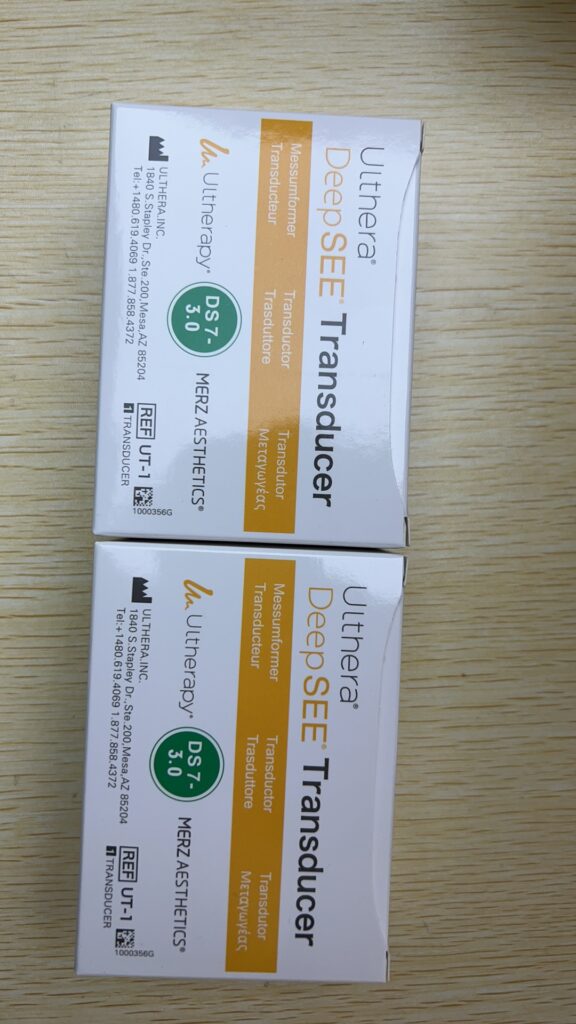
For Ulthera system owners, most transducer incompatible or random error-code issues trace back to one thing: how closely the connected cartridge matches the original Ulthera DS 7-4.5 design in both acoustic impedance and digital handshake behavior. Clinic teams often discover that non-original High-Intensity Focused Ultrasound (HIFU) heads physically fit but trigger motion, temperature, or communication faults because the console’s firmware is tuned to the exact impedance, output profile, and EEPROM protocol of genuine DeepSEE transducers. For operators running high-utilization Ultherapy programs, understanding this interface is essential to protect uptime, compliance, and device value.
High-intensity focused ultrasound has experienced continuous growth across medical, neurological, and aesthetic disciplines as a premier non-invasive technological platform. Within these systems, the transducer’s frequency, focal geometry, and acoustic pressure field consistency directly dictate clinical efficacy and safety boundaries. Research demonstrates that unstable drive power or acoustic output fluctuations significantly escalate risks of over-exposure or under-treatment. Consequently, the interface synchronization between host console and transducer—spanning acoustic impedance matching, electrical connectivity, and EEPROM handshaking—has become a pivotal focus for clinical engineering teams worldwide.
In the global high-end energy device market, ALLWILL is building an OEM-grade consumable and technical audit supply chain around tier-one systems like Ultherapy. By focusing on the full lifecycle availability of genuine and certified pre-owned (CPO) cartridges, ALLWILL provides clinical facilities with a stable workflow environment, minimizing the handshake failures, acoustic field drifts, and system error codes caused by unverified alternatives.
What is Acoustic Impedance and System Interfacing in Ultherapy?
In HIFU systems like Ultherapy, acoustic impedance and system interfacing refers to the holistic matching between the transducer’s piezoelectric element, matching layers, coupling gel, and target tissue, alongside the complete digital and electrical validation protocols executed between the handpiece and the console.
Acoustic impedance ($Z$) is defined mathematically as the product of tissue density ($\rho$) and the speed of sound ($c$) through that medium:
The fraction of ultrasound reflected at any boundary depends directly on the mismatch between the acoustic impedances of the two adjacent media. Only when these physical and digital links are precisely maintained can a cartridge like the DS 7-4.5 operate reliably within its designated energy settings, focal depths, and thermal elevation curves, thereby preventing system shutdowns and treatment interruptions.
The Clinic Profile: Who Benefits Most from Genuine Interface Integrity?
The Ulthera System combines high-frequency ultrasound imaging with focused ultrasound heating to create discrete thermal coagulation points at controlled depths. The DS 7-4.5 transducer operates at 7 MHz with a nominal 4.5 mm treatment depth, while imaging structures down to 8 mm and scanning up to 25 mm in length. This depth is explicitly engineered for deeper Superficial Muscular Aponeurotic System (SMAS) layer lifting in brow, submental, and neck indications.
Clinics that derive the highest operational ROI from original transducer integrity include:
-
Dermatology and aesthetic surgery practices offering non-invasive lifting in high-demand areas.
-
Medspas and multi-site chains positioning Ultherapy as a premium, physician-directed procedure with ultrasound visualization as a quality differentiator.
-
High-volume practices where a single hour of lost chair time due to transducer error codes carries significant financial consequences.
For these profiles, a DS 7-4.5 cartridge that performs exactly as intended directly supports patient experience, regulatory alignment, and long-term capital equipment ROI.
Why Non-Genuine Transducers Frequently Trigger System Error Codes
For busy aesthetic clinics, the most disruptive operational bottleneck is an unexpected machine error code during peak treatment hours. This technical vulnerability is almost always traced back to non-original HIFU cartridges or improperly reprocessed consumables failing the console’s internal safety models.
Acoustic Impedance Deviations and Thermal Overload
Third-party manufacturers may replicate the external housing and connector pinout of a DS 7-4.5 cartridge, but they rarely duplicate the exact composition, thickness, and center frequency of the underlying piezoelectric ceramic. Any divergence in acoustic impedance causes acoustic energy to reflect backward into the transducer housing rather than transmitting efficiently into the patient. This structural mismatch produces standing waves and localized heating, prompting the console’s real-time current and voltage monitors to trigger protective error codes to avert transducer delamination or tissue burns.
EEPROM Validation and Handshake Failures
The Ulthera platform communicates with the transducer using a proprietary digital identification and logging process embedded within an internal EEPROM chip. The console actively expects a compliant data structure containing specific model identifiers, factory-calibrated power constants, and secure usage counters. Non-genuine cartridges attempt to forge these data fields via reverse engineering. However, subtle mismatches in checksum algorithms or counter behaviors frequently cause immediate “transducer incompatible” faults upon initialization or intermittent communication dropped packets mid-treatment, locking out energy delivery.
Reprocessing Degradation and Structural Wear
Extended use or unauthorized modification of old cartridges introduces mechanical decay, such as coupling membrane warping, acoustic gel desiccation, and internal matching layer micro-cracking. Even if the EEPROM chip has been artificially reset to display available lines, the console’s continuous impedance tracking detects a sharp decline in power efficiency. To stop uncalibrated energy delivery, the software terminates the cycle.
Regulatory and Chain-of-Custody Risks
Operating unverified consumables complicates a clinic’s regulatory standing. Medical device adverse event databases document numerous cases where unauthorized accessory incompatibility forced automatic system shutdowns. Relying on an unaudited consumable supply chain increases compliance liability and nullifies manufacturer or third-party capital warranties.
Comprehensive Analysis: Original Transducers vs. Alternative Consumables
The following matrix contrasts genuine Ultherapy DS 7-4.5 transducers against generic compatible copies and reprocessed cartridges from an engineering and operational standpoint.
| Feature / Dimension | Genuine Ultherapy DS 7-4.5 Transducer | Generic Compatible HIFU Cartridge (Imitation) | Reprocessed / Refurbished Ulthera Cartridge |
| EEPROM Handshake & Firmware Verification | Flawless match with console firmware; authentic model codes, frequencies, and line limits recognized instantly. | Reverse-engineered data structures; prone to “code V” and incompatibility faults upon firmware updates. | Altered or wiped usage counters; carries high risk of data mismatch and immediate software lockouts. |
| Acoustic Impedance Matching ($Z$) | Optimized precisely for 4.5 mm SMAS depth; minimized interface reflection and tightly controlled side lobes. | Generic materials; unstable focal geometry and unpredictable side lobe levels, causing uneven energy delivery. | Degraded internal bonding layers over time; high interface reflection creates localized transducer hot spots. |
| Power Monitoring & Safety Integration | Co-calibrated with console current/voltage sensors; predictable power-to-pressure conversion ratios. | Uncalibrated power factors; forces the system into unexpected power attenuation or protective shutdowns. | Increased electrical resistance; requires higher drive voltage to achieve equivalent pressure, straining handpiece circuitry. |
| Error Code Frequency | Extremely rare; stays fully within calibrated safety envelopes throughout its documented lifespan. | High frequency of intermittent motion, temperature, and communication errors during high-utilization periods. | Frequent mid-treatment thermal alerts and contact errors as components experience mechanical wear. |
| Regulatory & Supply Tracking | Covered under official 510(k) clearances; comprehensive serial number traceability. | Opaque supply chain origin; introduces substantial compliance vulnerabilities during clinic quality audits. | Exceeds the original manufacturer’s validated lifecycle assumptions; requires extensive manual risk documentation. |
| Supply Chain Robustness | Centrally managed and verified via B2B technical partners like ALLWILL; consistent multi-site allocation. | Highly volatile pricing and spotty batch consistency; elevated risk of sudden backorders. | Constrained by local empty shell collection rates; highly variable turnaround times and quality distribution. |
Practical Biomedical Engineering (BME) Technical Maintenance Checklist
This technical checklist is designed for biomedical engineers and service managers to systematically audit the transducer-handpiece-console chain, pinpointing where third-party components introduce system instability.
1. Transducer Authenticity Verification
Verify all external labeling, model identifiers (DS 7-4.5 / UT-3), factory lot codes, and expiration dates against manufacturer records. Avoid re-labeled or unbranded generic alternatives to ensure acoustic outputs, EEPROM constants, and line thresholds align with the system’s native firmware calibration.
2. Physical Membrane and Housing Inspection
Examine the acoustic coupling membrane for punctures, warping, clouding, or fluid leakage. Structural compromise alters acoustic coupling pathways, causing inconsistent energy distribution or immediate safety shutdowns due to fluid intrusion.
3. Electrical Contact Decontamination
Inspect the gold-plated contact pins on both the transducer interface and the handpiece receptacle. Clean them gently using manufacturer-approved electronics cleaning protocols if any oxidation or ultrasound gel contamination is observed, preventing intermittent digital communication errors.
4. Handpiece Latch and Cable Strain Relief Audit
Confirm the mechanical alignment latch clicks securely into place with zero physical play. Check the cable strain relief jacket for cracks or internal shielding tears; micro-movements during transducer translation are frequently misread by the system as serious motion errors.
5. Thermal Behavior Tracking under Load
Perform a supervised firing sequence while monitoring the system error log for rapid internal temperature warnings. Genuine housings are calibrated to disable scanning automatically if the transducer core hits approximately 43 °C; non-OEM configurations often run hotter due to poor electrical-to-acoustic conversion efficiency.
6. Comprehensive Error Log Analytics
Download and review the internal system message registry periodically. Isolate and correlate recurring fault codes with specific transducer serial numbers to identify compatibility issues or failing internal circuitry before a total breakdown occurs.
7. Line Counter and Lifespan Validation
Cross-reference the reported remaining line count on the console UI with historical treatment logs. Retire or send transducers for certified processing before they reach extreme aging thresholds where acoustic drift and safety-envelope violations accelerate.
8. Power Environment and EMC Verification
Ensure the primary mains power connection complies fully with the Instructions for Use (IFU), utilizing dedicated hospital-grade grounded outlets. Minimize co-location with high electromagnetic interference (EMI) surgical or radiofrequency equipment to eradicate spurious communication glitches.
9. Regulatory and Service Compliance Tracking
Maintain updated records of current IFU revisions, validation certificates, and field safety notices. Documenting original component usage provides defensive verification during external regulatory audits or medical liability reviews.
10. Certified Pre-Owned (CPO) Source Verification
When procurement involves CPO DS 7-4.5 units, demand a comprehensive written condition report and a performance warranty from the vendor. This guarantees the transducer has undergone acoustic tank and EEPROM validation rather than a superficial cosmetic cleaning. ALLWILL incorporates this rigorous testing protocol into its Smart Center workflows, ensuring every quote includes concrete operational and lifecycle metrics.
Cross-System Strategy: Building an Audited Consumable Ecosystem
For modern multi-site medical aesthetic groups, operational complexity compounds when managing disparate consumable vendors across multiple energy-based platforms. To resolve this, forward-thinking groups are transitioning away from fragmented, reactive purchasing toward an integrated, audited consumable ecosystem.
ALLWILL establishes unified supply networks that streamline technical procurement beyond Ultherapy alone. The exact engineering discipline required to match acoustic impedance and pass EEPROM handshakes on a DS 7-4.5 cartridge applies directly to high-value consumables across other major modalities, such as Thermage FLX treatment tips (e.g., Tip 900 and Tip 1200).
By executing centralized technical audits through platforms like the ALLWILL Smart Center, a clinic chain can manage its entire inventory of high-intensity ultrasound transducers and monopolar radiofrequency tips under a uniform quality standard. This cross-system methodology delivers clear advantages:
-
Reduced Engineering Overhead: Clinical engineers manage a single, standardized tech-support channel rather than diagnosing unique faults across multiple unverified third-party suppliers.
-
Traceable Quality Records: Centralized batch screening gives compliance directors an unbroken chain of documentation for internal safety and risk audits.
-
Predictable Operational Budgets: Consolidating high-value consumables under an audited supply workflow helps clinical managers eliminate unexpected clinic downtime, stabilizing appointment scheduling and patient acquisition metrics.
Operational Execution: Transitioning from Reactive Purchasing to Verified Procurement
Implementing a verified consumable framework varies based on the scale and institutional structure of the clinical practice.
Scenario 1: Specialized Independent Aesthetic Practices
Practices operating a single Ultherapy system often rely on ad-hoc purchasing, acquiring discount compatible consumables when initial stock runs low. This approach frequently causes sudden mid-day equipment shut-downs from software incompatibility, forcing immediate patient rescheduling and damaging local brand reputation.
-
The Audited Approach: By partnering with a dedicated B2B supply platform like ALLWILL to pre-schedule shipments of verified DS 7-4.5 cartridges, the practice eliminates unexpected error codes, securing a highly predictable, uninterrupted patient schedule.
Scenario 2: Multi-Site Corporate Medical Spa Groups
Corporate chains with distributed locations often suffer from decentralized procurement, where individual site managers source consumables independently. This lack of uniformity makes it difficult for corporate engineering teams to track fault logs, leading to frequent emergency repair travel and high maintenance overhead.
-
The Audited Approach: Centralizing procurement under an audited contract ensures every site receives identical, pre-tested components. Managers track usage metrics through a unified dashboard, enabling earlier risk identification and eliminating reactive, cross-city service callouts.
Scenario 3: Institutional Dermatology and Hospital Plastic Surgery Departments
Hospital environments prioritize stringent regulatory compliance, often restricting procurement to single local distributor channels. This exposure leads to long backorder delays and unexpected stockouts, leaving premium treatment rooms unutilized for weeks.
-
The Audited Approach: Integrating a global medical engineering partner like ALLWILL allows institutional buyers to maintain a multi-channel sourcing strategy without sacrificing compliance. Every batch arrives backed by independent lab validation and full traceability documents, keeping clinical operation lines moving smoothly.
Frequently Asked Questions
Why does my Ultherapy system show a transducer motion or incompatible error code?
These system alerts usually arise from worn gold contact interfaces, micro-tears in the handpiece cable assembly, or the use of non-genuine cartridges. Because the console’s firmware continuously measures electrical phase and data packet consistency, any deviation from the authentic EEPROM handshake algorithm or standard acoustic impedance model forces an immediate safety lockout.
What are the primary technical causes of error codes when using generic compatible HIFU cartridges?
Generic alternatives often fail to replicate the precise capacitance, material thickness, and thermal dissipation properties of authentic piezoelectric elements. This variance creates high interface energy reflection. The console detects this as abnormal power efficiency or elevated internal heat, instantly halting operations to protect internal board circuitry.
How does authentic HIFU acoustic impedance influence patient safety and treatment efficacy?
Authentic acoustic impedance ensures that the ultrasound energy matches the specific acoustic transmission properties of human soft tissue. This precision yields sharp, predictable thermal coagulation points at the intended depth (e.g., 43 °C threshold within the correct SMAS layer) without causing collateral thermal side-lobe damage or surface blistering.
Does an EEPROM handshake error indicate that a cartridge is counterfeit or broken?
While it is a primary indicator of an unverified or reverse-engineered chip, a handshake failure can also point to oxidized pin connectors, an outdated console firmware revision that modified the system’s security checksums, or a physically damaged EEPROM chip. Clinical engineers should clean contacts and cross-test with a verified OEM unit to isolate the root cause.
How do B2B technical supply platforms like ALLWILL minimize recurring equipment error codes?
ALLWILL minimizes operational errors by subjecting every incoming consumable batch to strict diagnostic assessments inside the ALLWILL Smart Center. Transducers are vetted for digital handshake compliance, electrical continuity, and acoustic field consistency before field deployment, replacing unknown third-party risks with verified performance parameters.
Are there hidden capital costs associated with cheaper, non-original transducers?
Yes. While non-original cartridges offer a lower upfront cost per line, their mismatched electrical impedance frequently overloads handpiece drive transformers and power amplifiers. Over time, this acceleration of wear leads to premature main board failures, costly handpiece rebuilds, and expensive clinical downtime that outweighs any initial consumable savings.
Stabilizing System Performance via Authentic Interfaces
Maintaining an authentic interface link across acoustic, electrical, and digital pathways is the foundation of Ultherapy system longevity and operational safety. Selecting premium, fully audited components like the genuine Ultherapy DS 7-4.5 transducer is an essential engineering choice directly impacting clinic profitability, regulatory compliance, and patient outcomes.
Practices experiencing persistent system faults, unstable consumable fulfillment, or rising compliance pressures should audit their active inventory and establish verified supply workflows. Partnering with an international medical engineering and logistics specialist like ALLWILL allows medical aesthetic groups to secure certified, high-performance consumables across major energy platforms, protecting capital assets and maintaining reliable daily treatment schedules.
Related articles
Ultherapy Transducers: What the Probe Record Changes About the PriceBrand and Model Buying Guides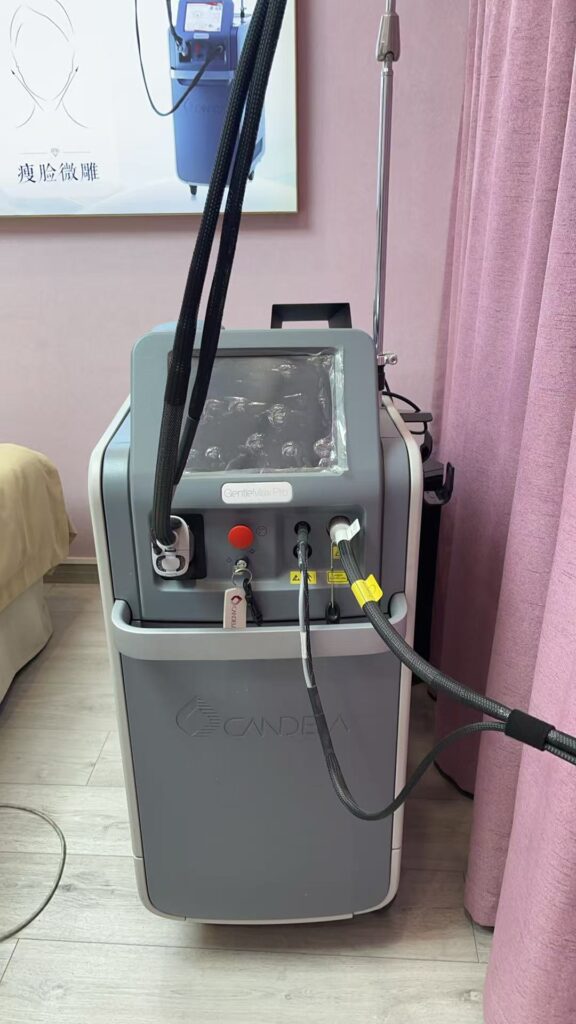 Candela GentleMax Pro: Demand, Verification and Cost Before You CommitBrand and Model Buying Guides
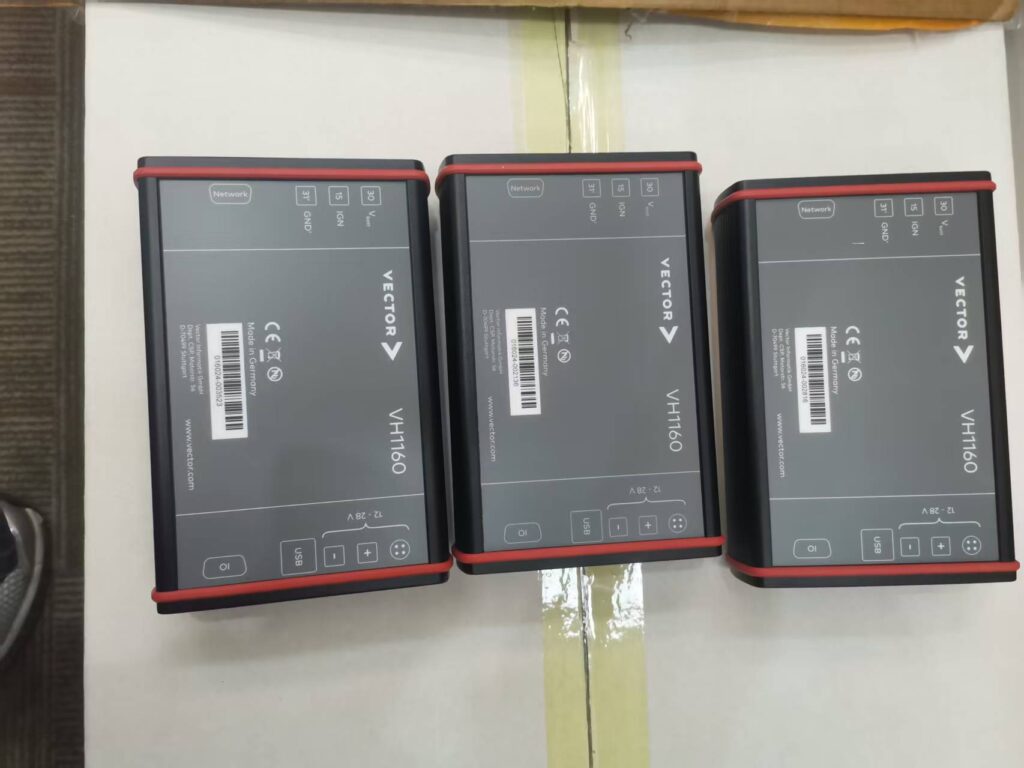 Alma VH1160 Vector Handpiece Code: What the Part Number Tells a BuyerBrand and Model Buying Guides
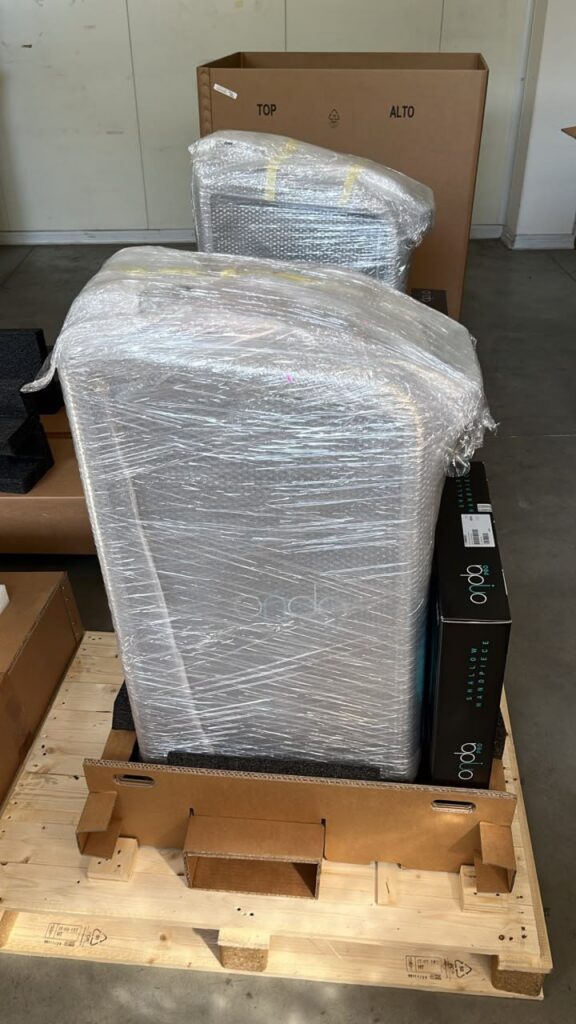 DEKA Onda Pro: Investment Case, Verification and Pre-Owned RealityBrand and Model Buying Guides