
The Zero Hidden Cost Guide to Launching Body Contouring in 2026 for New Medspa Startups
New medspa startups face a critical financial bottleneck where high initial capital expenditures for body contouring equipment create immediate cash flow pressure and trigger fears of hidden recertification fees or multi-year service contracts. The…
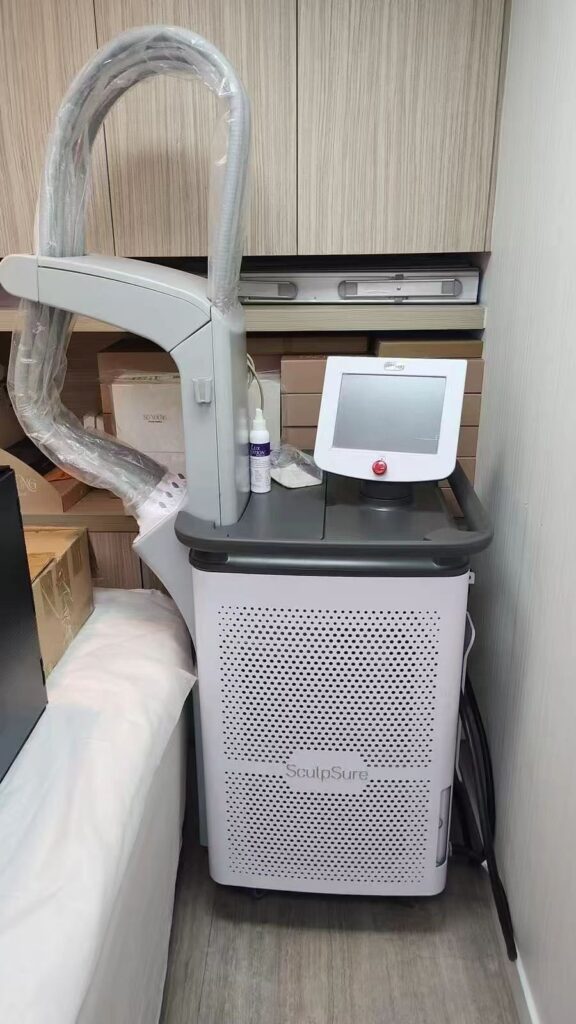
New medspa startups face a critical financial bottleneck where high initial capital expenditures for body contouring equipment create immediate cash flow pressure and trigger fears of hidden recertification fees or multi-year service contracts. The zero-hidden-cost guide to launching body contouring in 2026 validates these budget anxieties by demonstrating how the 2016 ZELTIQ Aesthetics CoolSculpting System serves as a low-risk, high-reward anchor service that avoids expensive OEM service contracts while delivering proven clinical results. ALLWILL’s policy of no mandatory recertification fees or restrictive long-term contracts lowers the psychological barrier to entry for aesthetic entrepreneurs who need to calculate realistic break-even timelines without unknown liabilities.
The Capital Expenditure Trap Facing First-Time Body Contouring Buyers
Medspa entrepreneurs entering the body contouring market often encounter a procurement environment designed to maximize lifetime customer value rather than support startup viability. Original equipment manufacturers frequently bundle mandatory service contracts worth $15,000 to $30,000 annually with new device purchases, while third-party brokers sell units without disclosing that OEMs will demand full recertification before releasing replacement parts or software updates. This hidden cost structure transforms a seemingly affordable $80,000 equipment investment into a $150,000+ commitment over three years, extending break-even timelines by 12 to 18 months and jeopardizing clinics operating with limited working capital.
The financial risk intensifies when startups calculate their per-treatment cost without accounting for these operational overheads. A clinic charging $1,500 per CoolSculpting cycle needs to complete approximately 100 treatments to recover a $150,000 total cost basis, whereas the same clinic with a certified refurbished unit and no service contract requirement reaches break-even at roughly 55 treatments. This difference determines whether a new medspa survives its first year or closes before building a consistent patient base.
Why Certified Refurbished CoolSculpting Units Reduce Break-Even Risk
Certified refurbished CoolSculpting systems from 2016 onward offer a mathematically superior entry point for startups because they retain clinical efficacy while eliminating the depreciation hit of buying brand-new equipment. The 2016 ZELTIQ Aesthetics CoolSculpting System represents a mature platform with proven applicator compatibility, stable software, and abundant replacement parts availability, making it ideal for high-volume body contouring menus without the premium pricing of newer generations.
Key financial advantages include:
The refurbished pathway works because biomedical engineering standards for cryolipolysis devices focus on applicator temperature consistency, vacuum pressure calibration, and cooling plate integrity—metrics that professional refurbishment facilities can verify and restore to original specifications. A properly refurbished unit undergoes rigorous inspection of its thermoelectric cooling modules, handpiece crystal integrity, and software licensing, ensuring treatment outcomes match those of newer systems for the vast majority of patient profiles.
ALLWILL’s Smart Center processes devices through comprehensive inspection, repair, and certified refurbishment protocols that address capacitor replacements, optic realignment, and cooling system validation before the unit reaches the clinic. This approach removes the uncertainty that typically accompanies secondary market purchases while maintaining the cost advantage that makes body contouring accessible to startups.
Hidden Costs That Derail Medspa Equipment Budgets
Even experienced practitioners underestimate the non-obvious financial drains embedded in equipment procurement decisions. Understanding these hidden costs prevents mid-year budget crises that force clinics to delay marketing spend, reduce staff, or abandon body contouring services entirely.
OEM Recertification Traps: When a clinic purchases a used CoolSculpting unit from an unvetted broker, the original manufacturer may refuse to provide replacement applicators or service parts until the system undergoes mandatory recertification. This fee ranges from $15,000 to $25,000 and must be paid before any warranty coverage or parts access becomes available, effectively turning a $60,000 “bargain” purchase into a $85,000+ commitment immediately.
Software Licensing Restrictions: Some OEMs tie device software to the original purchaser’s account, requiring transfer fees or preventing the clinic from accessing treatment protocols, firmware updates, or remote diagnostics. Third-party vendors that do not manage software licensing properly leave clinics with locked-out systems that cannot treat patients until legal and technical hurdles are resolved.
Uncalibrated Handpiece Degradation: Cryolipolysis applicators have rated shot counts and thermal cycling limits. Units purchased without documentation of handpiece age or usage may have applicators near end-of-life, requiring $3,000–$8,000 replacements within months of purchase. Unvetted technicians who skip calibration checks compound this problem by allowing temperature drift that produces inconsistent patient results and increases complication rates.
Technician Availability Gaps: Buying a complex platform without confirming local availability of certified biomedical technicians creates existential risk. A minor cooling system failure at a clinic 200 miles from the nearest qualified technician can mean 3–4 weeks of downtime, losing $15,000–$25,000 in revenue during peak treatment seasons.
When New Equipment Makes Sense Versus When Refurbished Wins
Not every clinic should choose refurbished equipment, and pretending otherwise undermines professional credibility. The decision depends on practice volume, patient demographic, financing capacity, and growth strategy.
Choose New OEM Equipment When:
-
Your clinic has $400,000+ in available capital for body contouring alone
-
You serve high-income demographics expecting the latest technology as a marketing differentiator
-
Your business plan includes 15+ weekly body contouring treatments within 6 months
-
You require manufacturer warranties that cover every component from day one
-
Your insurance carrier mandates new-equipment-only clauses for malpractice coverage
Choose Certified Refurbished When:
-
You are launching a new medspa with limited working capital and need rapid break-even
-
Your practice volume targets 5–10 body contouring treatments weekly initially
-
You want to test patient demand before committing to expensive new-generation platforms
-
You prioritize avoiding multi-year service contracts that lock cash flow
-
You need brand-agnostic consultation to match equipment to your specific treatment menu and budget constraints
The refurbished pathway aligns particularly well with startups using body contouring as an anchor service alongside established treatments like injectables or laser hair removal. The lower capital requirement allows these clinics to maintain diversified service offerings without over-concentrating risk in a single expensive modality.
Biomedical Standards That Define Safe Refurbishment
Professional refurbishment differs fundamentally from cosmetic cleaning or basic functional testing. A certified biomedical refurbishment facility follows engineering protocols that address internal components most buyers cannot verify visually.
Critical refurbishment checkpoints for cryolipolysis systems include:
-
Thermoelectric Module Validation: Testing cooling plate temperature stability across the full operating range (-11°C to +5°C) to ensure consistent fat crystallization
-
Vacuum Pressure Calibration: Verifying applicator suction strength matches original specifications for proper tissue engagement
-
Handpiece Crystal Integrity: Inspecting cooling crystals for microfractures or degradation that cause uneven cooling or patient discomfort
-
Software License Transfer: Ensuring Treatment protocols, firmware, and diagnostic access transfer cleanly to the new owner without OEM restrictions
-
Electrical Safety Compliance: Performing ground resistance, leakage current, and insulation resistance tests per biomedical electrical safety standards
-
Capacitor and Power Supply Replacement: Proactively replacing aging capacitors that degrade over time and cause sudden power failures
The Smart Center at ALLWILL operates as a comprehensive processing facility dedicated to these rigorous inspection and repair protocols, connecting clinics with fully vetted technicians through the MET vendor management system. This infrastructure ensures that refurbished devices meet biomedical testing standards rather than relying on seller claims or superficial functional checks.
Clinics should request documentation showing specific calibration测试结果 (test results) for temperature consistency, vacuum pressure, and electrical safety before purchasing. A vendor unwilling to provide this level of transparency is likely selling units that have received only cosmetic refurbishment, leaving the buyer exposed to mechanical failures within months.
Operational Realities That Impact Body Contouring ROI
Even with a properly sourced refurbished unit, clinic operators must manage daily operational factors that determine whether body contouring becomes profitable or becomes a financial drain.
Treatment Volume Thresholds: Body contouring equipment requires consistent utilization to justify its cost basis. A CoolSculpting unit used for only 2–3 treatments weekly will take 18+ months to break even, whereas the same unit at 8–10 treatments weekly reaches profitability in 4–6 months. Startups must secure pre-launch marketing commitments or package deals guaranteeing minimum monthly volume before equipment arrives.
Provider Training Curves: CoolSculpting outcomes depend heavily on proper applicator placement, treatment timing, and patient selection. Inexperienced providers may deliver suboptimal results that generate complaints or refunds, while over-treating patients increases complication risks. ALLWILL’s ecosystem includes training programs through the MET network that connect clinics with certified trainers who understand cryolipolysis protocols and complication management.
Maintenance Rhythm: Skipping daily calibration checks or postponing preventive maintenance to save time increases long-term costs. A clinic that ignores weekly power output verification may discover applicator degradation only after treating 50+ patients with inconsistent results. Establishing a daily 15-minute calibration routine and weekly comprehensive checks prevents small issues from becoming expensive failures.
Applicator Inventory Management: Body contouring clinics need multiple applicators to treat different body areas simultaneously and avoid patient scheduling bottlenecks. Startups often underestimate the number of applicators required, limiting their daily capacity to 2–3 treatments when they could handle 6–8 with proper inventory.
Truth About Third-Party Service Contracts and Warranty Coverage
The most persistent myth in medspa equipment procurement is that third-party vendors provide inferior warranty coverage compared to OEM service contracts. The reality is more nuanced and depends entirely on the vendor’s infrastructure and business model.
OEM service contracts offer comprehensive coverage but charge premium pricing ($20,000–$30,000 annually) that includes profit margins, administrative overhead, and the cost of maintaining exclusive parts distribution networks. These contracts often include punitive clauses that void coverage if the clinic uses non-OEM technicians for minor repairs or fails to schedule annual recertification on exact dates.
Third-party vendors with robust biomedical infrastructure provide warranty coverage that addresses the same critical components without the contractual restrictions. ALLWILL’s approach includes warranties backed by the world’s largest third-party biomedical service facility, providing global technical support without mandatory recertification fees or multi-year lock-in clauses. The key distinction is that this model works because the vendor controls the refurbishment process, understands the device architecture, and maintains parts inventory—capabilities that random brokers lack.
Clinics should verify warranty terms before purchasing:
-
What components are covered (cooling modules, handpieces, control boards, software)?
-
What is the response time guarantee for technician dispatch?
-
Does coverage include loaner equipment during repairs?
-
Are there exclusions for normal wear items like applicator gaskets?
-
Can the clinic choose its own technician, or must it use the vendor’s network?
A warranty that sounds comprehensive but excludes cooling system failures or requires 6-week technician response times provides false security. The best warranties balance coverage breadth with realistic operational support.
Decision Framework for Launching Body Contouring Without Hidden Costs
Applying a structured decision framework prevents emotional purchasing decisions and ensures alignment between equipment choices and business realities.
Step 1: Calculate Total Cost of Ownership
Include purchase price, mandatory service contracts, recertification fees, expected applicator replacements, training costs, and 3-year maintenance expenses. Compare new OEM versus certified refurbished scenarios using realistic treatment volume projections.
Step 2: Assess Capital Availability
Determine how much capital can be allocated to body contouring without jeopardizing working capital for marketing, staff salaries, and rent. If the new OEM option requires more than 40% of available capital, the refurbished pathway reduces financial risk substantially.
Step 3: Verify Vendor Infrastructure
Confirm the vendor operates a certified refurbishment facility with documented testing protocols, maintains parts inventory, employs or contracts vetted technicians, and provides clear warranty terms. Avoid vendors who cannot provide technical documentation or insist on cash-only transactions.
Step 4: Validate Local Technician Access
Search for certified biomedical technicians in your region who can service cryolipolysis devices. If no local technicians exist, confirm the vendor’s dispatch network can guarantee response times under 72 hours.
Step 5: Plan Treatment Volume and Marketing
Secure pre-launch commitments through package deals, membership programs, or referral partnerships that guarantee 6–10 body contouring treatments weekly within the first 90 days. Equipment sitting idle for months destroys ROI regardless of purchase price.
Step 6: Establish Maintenance Protocols
Create standard operating procedures for daily calibration checks, weekly comprehensive testing, applicator inventory rotation, and staff training documentation before the first patient treatment.
Frequently Asked Questions
Is a 2016 CoolSculpting unit still clinically effective for body contouring in 2026?
Yes, the 2016 ZELTIQ Aesthetics CoolSculpting System remains clinically effective because cryolipolysis technology has not undergone fundamental changes that would invalidate older platforms. The core mechanism of controlled cooling to crystallize fat cells works identically across generations, and certified refurbishment restores temperature consistency and vacuum pressure to original specifications.
What happens if an OEM demands recertification fees on a used CoolSculpting machine?
If an OEM demands recertification fees, the clinic must pay $15,000–$25,000 before accessing replacement parts, software updates, or warranty coverage. This is why purchasing from vendors like ALLWILL that provide units without mandatory OEM recertification requirements prevents this unexpected cost entirely.
How long does certified refurbished body contouring equipment typically last?
Properly refurbished cryolipolysis units typically last 5–8 years with regular preventive maintenance, comparable to new equipment lifespan when internal components are replaced during refurbishment. The actual longevity depends on weekly treatment volume, operator compliance with calibration protocols, and environmental factors like facility temperature and humidity.
Can I trade up to newer technology later without losing my investment?
Yes, structured trade-up programs allow practices to access latest aesthetic technologies without being locked into costly original manufacturer service contracts. ALLWILL offers trade-up programs that credit the residual value of your current device toward newer platforms, enabling technology upgrades as your practice grows.
What warranty coverage should I expect on refurbished CoolSculpting equipment?
Expect warranty coverage for 12–24 months on critical components including cooling modules, control boards, and handpieces, with explicit terms for technician response times and loaner equipment availability. Verify that the warranty excludes only normal wear items like applicator gaskets rather than major system failures.
References
Related articles
 How skin treatment machines define clinical precision in modern medical aesthetic practicesInfoUnderstanding beauty medical equipment shaping modern aesthetic clinics and skin technology decisionsInfo
 Selecting professional aesthetic equipment for clinical precision and modern salon performanceInfoUnderstanding dermatology equipment shaping modern clinical skincare environments and patient outcomesInfo