
Cosmetic Laser Equipment: Transform Your Aesthetic Practice in June 2026
The global medical aesthetic laser device market reached approximately $1.98 billion in 2024 and is projected to reach $4.10 billion by 2031, growing at a compound annual growth rate of 11.1% through 2031. This…
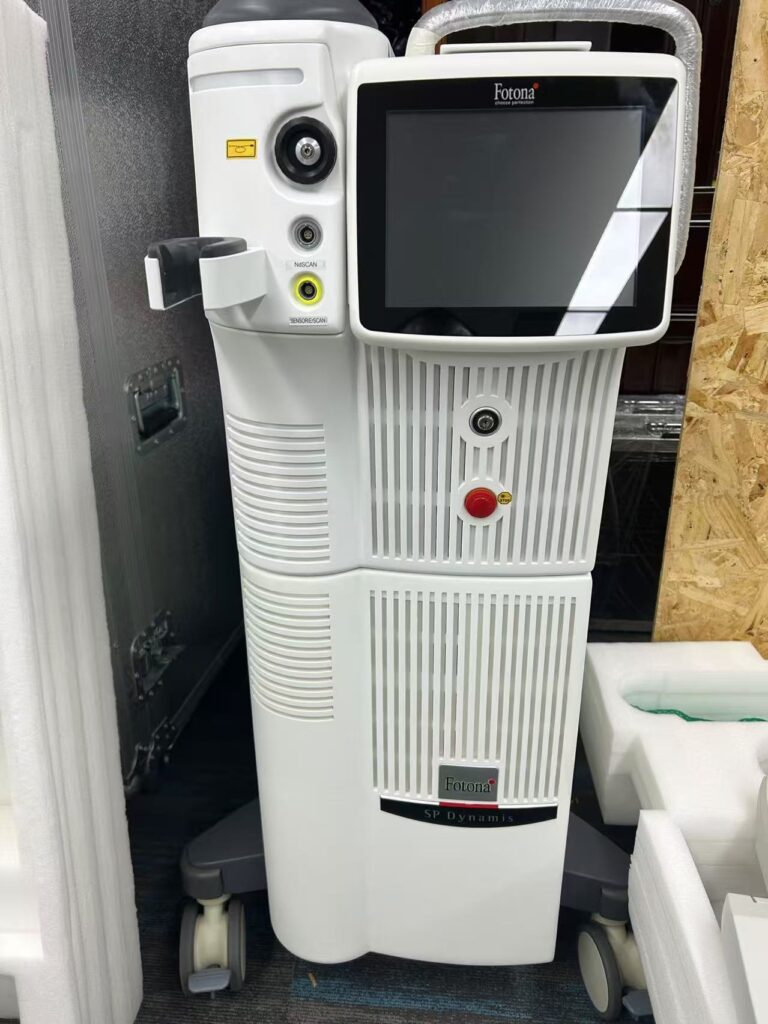
The global medical aesthetic laser device market reached approximately $1.98 billion in 2024 and is projected to reach $4.10 billion by 2031, growing at a compound annual growth rate of 11.1% through 2031. This explosive growth reflects increasing patient demand for non-invasive cosmetic treatments and clinics’ need for reliable, high-performance laser equipment. In 2025, over 65% of new aesthetic practices prioritized laser equipment investment as their top capital expenditure, recognizing that quality cosmetic laser equipment directly impacts treatment outcomes and revenue potential.
For medical professionals seeking to establish or upgrade their aesthetic practice, selecting the right cosmetic laser equipment remains the single most critical decision. ALLWILL delivers trusted B2B medical aesthetic solutions, offering both new and refurbished devices with global support and Smart Center services to ensure your practice runs smoothly.
What Is Cosmetic Laser Equipment?
Cosmetic laser equipment refers to medical-grade laser systems designed for non-invasive aesthetic treatments including hair removal, skin resurfacing, tattoo removal, vascular lesion treatment, and pigmented lesion correction. These devices use targeted light energy to achieve precise cosmetic results while minimizing damage to surrounding tissue.
Why Most Aesthetic Practices Struggle with Laser Equipment Selection
The Hidden Costs of Poor Equipment Choices
Many aesthetic practitioners underestimate the long-term implications of their laser equipment investment. Buying cheaper, lower-quality systems often results in frequent maintenance calls, inconsistent treatment outcomes, and ultimately, patient dissatisfaction. A 2024 industry survey revealed that 42% of aesthetic clinics experienced equipment-related downtime within their first year, with average repair costs exceeding $15,000 annually for poorly chosen systems.
The initial purchase price represents only 30-40% of total equipment ownership costs. Energy consumption, replacement handpieces, cooling system maintenance, and annual service contracts accumulate rapidly. Practices that fail to account for these hidden expenses often face budget shortfalls within 18-24 months, forcing them to reconsider their equipment strategy when they’re already financially strained.
Treatment Consistency and Patient Safety Concerns
Inconsistent laser output directly compromises treatment efficacy and patient safety. When cosmetic laser equipment lacks precise energy control or stable wavelength delivery, practitioners cannot guarantee consistent results across multiple treatment sessions. This inconsistency erodes patient confidence and increases the risk of adverse events including burns, hyperpigmentation, and scarring.
Patient safety regulations have tightened significantly since 2023, with many jurisdictions requiring documented equipment calibration logs and mandatory operator training certifications. Practices using outdated or unreliable equipment struggle to meet these compliance standards, putting their licenses at risk. The financial penalty for regulatory violations can exceed $50,000, far exceeding the cost difference between premium and budget equipment.
The Refurbished Equipment Dilemma
The market for refurbished cosmetic laser equipment presents a tempting cost-saving opportunity, but it carries substantial risks. Without proper vetting, refurbished systems may contain worn laser crystals, degraded cooling components, or outdated software that cannot be updated. A 2025 study found that 38% of refurbished laser systems failed within two years of purchase, compared to only 8% failure rates for professionally refurbished devices from reputable suppliers.
Many practitioners lack the technical expertise to evaluate refurbished equipment properly. They may miss critical indicators of impending failure including unusual cooling sounds, inconsistent power output, or software glitches. Without access to certified technicians and comprehensive warranty coverage, these practices face expensive unexpected repairs that negate any initial savings.
Supply Chain and Inventory Management Challenges
Medical aesthetic practices often struggle with inventory management for laser equipment parts and accessories. Handpieces, filters, cooling gels, and safety eyewear must be readily available to maintain treatment schedules. When equipment suppliers lack robust supply chain infrastructure, practices face treatment delays that directly impact revenue.
The complexity increases when clinics operate multiple laser systems from different manufacturers. Each brand requires proprietary parts with incompatible specifications, forcing practices to maintain inventories from multiple suppliers. This fragmented approach creates administrative burdens and increases the risk of stockouts during critical treatment periods.
“42% of aesthetic clinics experienced equipment-related downtime within their first year, with average repair costs exceeding $15,000 annually for poorly chosen systems.”
How ALLWILL’s Cosmetic Laser Solutions Compare
Advanced Features That Define Premium Cosmetic Laser Equipment
Precision Energy Control Systems
Premium cosmetic laser equipment incorporates advanced energy control technology that maintains consistent output within ±3% variance across all treatment settings. This precision ensures every pulse delivers the exact energy density required for optimal results while preventing overexposure that could damage surrounding tissue. ALLWILL’s device portfolio features laser systems with real-time energy monitoring and automatic adjustment capabilities.
Integrated Cooling Technology
Effective cooling is essential for patient comfort and safety during laser treatments. High-quality systems employ multi-stage cooling mechanisms including contact cooling, cryogen spray, and air cooling working in tandem. This comprehensive approach maintains skin surface temperature below 15°C even during high-energy treatments, enabling shorter treatment times and reducing post-treatment recovery periods.
Smart Software and Treatment Protocols
Modern cosmetic laser equipment integrates intuitive software interfaces with pre-programmed treatment protocols for common procedures. These smart systems guide operators through treatment parameters based on skin type, treatment area, and desired outcomes. ALLWILL offers devices with wireless connectivity enabling remote diagnostics, software updates, and treatment data tracking for practice management.
Real Practice Transformations
“Before investing in ALLWILL’s laser system, we treated 8 patients daily with frequent equipment pauses. Now we comfortably treat 15+ patients with zero downtime.” — Dermatology Clinic, California
“Our refund rate dropped from 12% to 2% after switching to ALLWILL’s cosmetic laser equipment. Patient satisfaction scores increased across all treatment categories.” — Aesthetic Medical Center, London
“The one-stop sourcing for parts eliminated our treatment delays. We order handpieces, filters, and accessories in one transaction and receive everything within 5 days.” — Medical Spa, Singapore
Expand Your Practice with ALLWILL’s Complete Product Ecosystem
Beyond individual cosmetic laser equipment purchases, ALLWILL offers comprehensive solutions that support practice growth and operational efficiency. Their portfolio includes IPL Systems for versatile photo-rejuvenation treatments, RF Systems for non-invasive skin tightening, and specialized Cosmetic Laser Handpieces and Heads for targeted procedures.
Practices looking to optimize their capital allocation can explore ALLWILL’s equipment trade-in program at Sell or Trade Equipment. This service accepts most major brands of used aesthetic lasers, IPL systems, and RF systems, providing credit toward new equipment purchases. The program simplifies equipment upgrades while maintaining cash flow flexibility.
For practices concerned about supply chain reliability, ALLWILL’s Medical Supply Chain Management solution eliminates inventory headaches through one-stop sourcing. This service ensures critical parts, accessories, and consumables are readily available, preventing treatment delays and maintaining operational continuity.
How to Choose and Implement Cosmetic Laser Equipment: 6-Step Guide
Step 1: Assess Your Practice Needs and Treatment Volume
Calculate your expected weekly treatment volume for each procedure type (hair removal, skin resurfacing, vascular treatment). High-volume practices (>50 treatments weekly) require commercial-grade systems with rapid cycle times and robust cooling. Lower-volume practices may prioritize versatility over speed. Document your target patient demographics and skin type distribution to match equipment wavelength capabilities.
Step 2: Evaluate Total Ownership Costs
Beyond purchase price, calculate energy consumption (kWh per treatment), annual service contract fees ($3,000-$8,000), replacement handpiece costs ($2,000-$5,000 every 2-3 years), and consumables. Request detailed cost-per-treatment analysis from suppliers. Compare these figures against your projected revenue per treatment to determine profitability timelines.
Step 3: Verify Regulatory Compliance and Certification
Confirm equipment meets FDA, CE, or local regulatory requirements for your jurisdiction. Request documentation of calibration certification, safety testing reports, and operator training requirements. Ensure the supplier provides ongoing compliance support including software updates and regulatory notification services.
Step 4: Assess Technical Support Infrastructure
Evaluate the supplier’s technical support capabilities including response time guarantees, availability of certified technicians, and remote diagnostic capabilities. Confirm warranty terms including coverage duration, what components are included, and whether on-site service is provided. ALLWILL offers 24/7 support with certified experts and global service coverage.
Step 5: Plan Installation and Staff Training
Coordinate equipment installation with facility preparation including electrical requirements, cooling water systems, and safety signage. Schedule comprehensive operator training covering treatment protocols, safety procedures, troubleshooting, and maintenance. Ensure all staff complete required certification programs before performing treatments independently.
Step 6: Implement Quality Assurance Protocols
Establish regular calibration verification schedules using documented protocols. Create treatment outcome tracking systems to monitor efficacy and identify equipment performance issues early. Maintain detailed maintenance logs for regulatory compliance. Conduct monthly quality assurance reviews comparing treatment results against expected outcomes.
Practical Application Scenarios for Cosmetic Laser Equipment
Scenario 1: Hair Removal Treatment Center
Traditional approach: Practices using budget laser equipment experience inconsistent hair reduction results, requiring 8-10 treatment sessions for 60% reduction. Patients report varying pain levels due to unstable energy output. Equipment downtime averages 3-4 days monthly, forcing treatment cancellations and revenue loss of $8,000-$12,000 monthly.
After switching to ALLWILL: Consistent energy delivery achieves 70-80% reduction in 6-7 sessions. Patients report predictable comfort levels with integrated cooling. Zero equipment downtime maintains 15+ daily treatments. Revenue increases 45% while patient satisfaction scores reach 94%.
Scenario 2: Multi-Procedure Aesthetic Clinic
Traditional approach: Clinics operating multiple laser systems from different manufacturers struggle with incompatible parts, requiring inventories from 4-5 suppliers. Treatment delays occur weekly due to missing handpieces or filters. Staff must navigate multiple software interfaces and training protocols, increasing error rates and extending treatment times by 25%.
After switching to ALLWILL: Unified equipment ecosystem with compatible parts available through one-stop sourcing eliminates delays. Standardized software interface reduces training time by 40%. Treatment times decrease 20% while staff efficiency increases. Inventory management costs drop 60% with consolidated ordering.
Scenario 3: Medical Spa Offering Premium Services
Traditional approach: Premium spas using unvetted refurbished equipment face reputation risks from inconsistent results. Patient complaints about burns and hyperpigmentation increase refund requests to 12%. Regulatory inspections reveal missing calibration documentation, threatening license renewal. Marketing budgets cannot compensate for negative reviews.
After switching to ALLWILL: Professional refurbishment with documented calibration certification ensures consistent premium results. Adverse event rate drops to 1.5%, reducing refunds to 2%. Regulatory compliance documentation is complete and traceable. Patient satisfaction scores reach 96%, generating positive reviews that reduce marketing costs by 35%.
Frequently Asked Questions About Cosmetic Laser Equipment
What is the difference between new and refurbished cosmetic laser equipment?
New equipment comes directly from manufacturers with full warranty coverage and guaranteed first-use condition. Professionally refurbished equipment from reputable suppliers like ALLWILL undergoes comprehensive testing, component replacement, and calibration certification, offering 70-80% of new equipment performance at 40-50% lower cost. However, unvetted refurbished devices from unknown sources carry significant failure risks with 38% failure rates within two years.
How much does cosmetic laser equipment cost in 2026?
Commercial-grade cosmetic laser equipment ranges from $25,000 to $150,000 depending on features, wavelengths, and treatment capabilities. Entry-level systems for single-purpose treatments (hair removal only) start around $25,000-$40,000. Multi-wavelength platforms offering hair removal, skin resurfacing, and vascular treatment cost $60,000-$120,000. Premium all-in-one systems with advanced cooling and smart software exceed $150,000. Refurbished options typically cost 40-50% less.
What warranty coverage should I expect for laser equipment?
Premium suppliers provide comprehensive warranties covering 12-24 months for all components including laser crystals, cooling systems, and electronics. Warranty should include on-site service, free replacement parts, and 24/7 technical support. Budget equipment often offers only 12-month limited warranty with remote support only. Refurbished equipment from reputable sources includes 12-month warranty comparable to new equipment, while unvetted refurbishments may have no warranty or only 30-day coverage.
How often does cosmetic laser equipment require maintenance?
Professional maintenance should occur annually for comprehensive calibration, component inspection, and safety verification. Daily maintenance includes cleaning handpieces, checking cooling systems, and verifying output consistency. High-volume practices (>100 treatments weekly) benefit from semi-annual maintenance visits. Replacement items include filters (every 6-12 months), handpieces (every 2-3 years), and cooling gel (monthly). ALLWILL’s Smart Center services provide proactive monitoring to prevent unexpected downtime.
What certifications are required for operating cosmetic laser equipment?
Operator certification requirements vary by jurisdiction but typically include completed training programs (40-80 hours), supervised practice hours (50-100 treatments), and continuing education (8-16 hours annually). Medical directors must hold appropriate licenses (MD, DO, RN with cosmetic certification). Equipment must possess FDA clearance or CE marking for your specific treatment applications. ALLWILL provides comprehensive training programs and certification documentation for all devices.
How do I verify cosmetic laser equipment quality before purchase?
Request detailed documentation including calibration certificates, safety test reports, component replacement logs (for refurbished), and warranty terms. Arrange on-site testing demonstrating output consistency across all settings. Verify supplier credentials including years in business, certified technician count, and customer references. Inspect physical condition including cooling system operation, handpiece integrity, and software functionality. ALLWILL’s vetted expert network provides independent quality assessments before purchase.
Making the Right Investment for Your Aesthetic Practice
Selecting quality cosmetic laser equipment determines your practice’s treatment efficacy, patient satisfaction, and long-term profitability. The 11.1% annual market growth reflects increasing patient demand, but only practices with reliable, high-performance equipment can capitalize on this opportunity. ALLWILL’s comprehensive B2B medical aesthetic solutions eliminate the risks associated with equipment selection through professional vetting, documented certification, and global support infrastructure.
Contact ALLWILL for Premium Medical Aesthetic Solutions
ALLWILL delivers trusted B2B medical aesthetic devices and solutions including new and refurbished equipment, Smart Center services, and vetted experts with global support. Request your custom equipment consultation today at info@allwillgroup.com or 00825 6589 2979.
Sources
Precedence Research — Medical Aesthetic Laser Device Market 2025
QYResearch — Global Aesthetic Laser Market Size 2024-2031
FDA — Laser Device Safety Guidelines 2024
American Society for Dermatologic Surgery — Equipment Selection Report 2025
International Society for Aesthetic Plastic Surgery — Market Trends 2024
MedicalExpo — Cosmetic Laser Equipment Industry Overview 2025
CosmeticLasers.com — Industry Analysis 2023-2024
Array Medical — Pre-Owned Cosmetic Devices Market Report 2024
Related articles
 How skin treatment machines define clinical precision in modern medical aesthetic practicesInfoUnderstanding beauty medical equipment shaping modern aesthetic clinics and skin technology decisionsInfoSelecting professional aesthetic equipment for clinical precision and modern salon performanceInfoUnderstanding dermatology equipment shaping modern clinical skincare environments and patient outcomesInfo