
How to Choose FDA-Compliant Disposable Consumables for Medical Aesthetics
Choosing FDA-compliant disposable consumables for medical aesthetics is no longer just a compliance checkbox; it is a core driver of patient safety, brand reputation, clinical outcomes, and practice profitability. In a landscape shaped by…
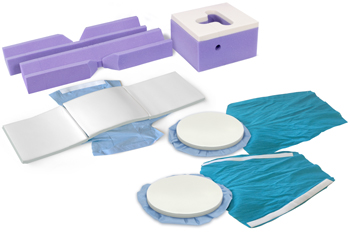
Choosing FDA-compliant disposable consumables for medical aesthetics is no longer just a compliance checkbox; it is a core driver of patient safety, brand reputation, clinical outcomes, and practice profitability. In a landscape shaped by increasingly complex regulation, rising patient expectations, and fast-growing aesthetic procedures, every syringe, cannula, needle, glove, gauze pad, and skin prep wipe you select can either protect your practice or expose it to unnecessary risk.
Understanding FDA Compliance for Disposable Consumables in Aesthetic Medicine
In the United States, the Food and Drug Administration regulates disposable medical devices and consumables based on risk classification, intended use, and contact with the body. For medical aesthetics, this includes exam gloves, syringes, needles, cannulas, sharps containers, drapes, wound dressings, antiseptic wipes, peelable pouches, and disposable applicators used during injectables, laser treatments, microneedling, and energy-based procedures. FDA compliance for these consumables typically involves device registration, listing, quality system controls, and correct labeling with indications, sterility status, and single-use statements.
Many aesthetic consumables are classified as Class I or Class II medical devices, which means manufacturers must follow specific quality system regulations and premarket pathways such as 510(k) where applicable. Single-use devices are intended for one patient and one procedure, and reprocessing them outside of approved pathways can violate FDA requirements and undermine safety. For aesthetic clinics, understanding this framework is essential because your due diligence does not end at buying the cheapest option; it begins with verifying whether a supplier follows FDA requirements for disposable medical products.
Why Disposable Consumables Matter in Medical Aesthetics Workflows
Disposable consumables for medical aesthetics sit at the center of infection control, cross‑contamination prevention, and overall patient experience. Every aesthetic practice relies on high-volume consumables like gloves, needles, cannulas, syringes, alcohol swabs, skin prep antiseptics, tongue depressors, cotton rolls, gauze pads, face masks, eye shields, and dental bibs during routine procedures. These items interface directly with patient skin and tissue, act as barriers to bloodborne pathogens, and support sterile technique for injectables and minor procedures.
In treatments ranging from Botox and dermal fillers to PRP, PDO threads, laser resurfacing, and chemical peels, disposable consumables determine how consistently you can maintain aseptic technique in a busy clinical schedule. Poor-quality or non‑compliant supplies can lead to device breakage, product waste, contamination, and adverse events such as infection, bruising, or inflammatory responses. As demand for minimally invasive cosmetic procedures grows, the volume and importance of safe, high-quality single-use medical consumables increase in parallel.
Core Criteria for Selecting FDA-Compliant Disposable Consumables
When choosing disposable consumables for medical aesthetics, the core decision-making criteria should always include regulatory compliance, sterility assurance, biocompatibility, traceability, and usability under real clinic conditions. FDA compliance means the product has been manufactured and labeled under an appropriate regulatory pathway, but you also need to look for signs of robust quality practices such as lot numbers, expiration dates, and clear single-use instructions. If the packaging lacks these basics, it is a red flag for both regulatory and safety concerns.
Sterility assurance is critical for any consumable that penetrates the skin or is used in proximity to injections or open tissue. Look for validated sterilization methods, intact packaging, and sterility indicators that align with industry norms. Biocompatibility testing is particularly important for devices that contact skin, mucosa, or blood, including gloves, tapes, dressing materials, and adhesive products used after aesthetic procedures. Every product you bring into your aesthetic workflow should be traceable by lot so that you can quickly respond to recalls and adverse event investigations.
Essential Disposable Consumables in Medical Aesthetics
Medical aesthetics relies on several core categories of disposable consumables: barrier protection, injection and infusion items, skin preparation products, procedural drapes, post-treatment dressings, and disposal solutions such as sharps containers. Barrier protection includes examination gloves, fluid-resistant gowns, shoe covers, bouffant caps, and face masks used to protect practitioners and patients from droplet, aerosol, and contact exposure. Selecting powder-free gloves with appropriate material—nitrile, latex, or vinyl—depends on allergy considerations, tactile sensitivity needs, and durability for repeated donning.
Injection-related consumables encompass syringes of various volumes, safety needles, blunt cannulas, Luer lock connectors, and sterile applicators. These must be labeled as single-use medical devices and suitable for injectable medications and aesthetic products. Skin prep consumables include alcohol wipes, chlorhexidine or povidone-iodine solutions, and pre-packaged sterile gauze and swabs. Post-procedure, you may rely on non‑adherent dressings, adhesive bandages, and occlusive coverings to protect treated areas, especially after microneedling, RF microneedling, or fractional laser treatments. Sharps containers and biohazard bags complete the cycle, ensuring safe disposal as required by OSHA and state regulations.
Market Trends in Disposable Consumables for Medical Aesthetics
The global medical aesthetics market has seen rapid growth in minimally invasive procedures, and that growth directly increases demand for disposable consumables in clinics, med spas, and dermatology practices. More patients are seeking injectables, skin rejuvenation, body contouring, and combination treatments, which requires reliable supplies to support higher procedure volumes without compromising infection prevention. Disposable consumables with added convenience features—such as color-coded syringe caps, pre-labeled syringes, or ergonomic cannulas—are becoming more popular as practitioners look for ways to standardize protocols and reduce human error.
Another major trend is the shift toward eco-conscious disposable consumables where feasible, including recyclable packaging, reduced plastic volume, and greener manufacturing processes. While sterility and safety remain non-negotiable, many aesthetic clinics are exploring low‑waste options like biodegradable drapes or compostable tray liners in non‑critical areas. At the same time, supply chain resilience has become a strategic concern. Practices are diversifying suppliers, building safety stock, and prioritizing vendors with transparent sourcing, robust regulatory documentation, and stable manufacturing capacity to avoid disruptions that could halt clinic operations.
Company Spotlight: ALLWILL in the Medical Aesthetics Ecosystem
Within this evolving market, ALLWILL is redefining B2B medical aesthetics by focusing on innovation, trust, and efficiency across the entire equipment lifecycle. The company’s Smart Center provides a centralized facility for device inspection, repair, and refurbishment, ensuring that aesthetic machines operate at consistently high performance standards. Through its vendor management platform and inventory solutions, ALLWILL helps practitioners source, maintain, and upgrade devices more intelligently, reducing downtime and supporting more efficient use of consumables in daily operations.
Regulatory Due Diligence: How to Verify FDA Compliance
Assessing whether a disposable consumable is FDA-compliant starts with the manufacturer and product label. The packaging should identify the device as a medical device or an accessory when applicable, and include manufacturer details, lot numbers, expiration dates, sterility status, and any relevant caution statements for healthcare professionals. For many products, you can verify registration, listing, or clearance details by reviewing documentation from the manufacturer such as a 510(k) summary, device listing confirmation, or declaration of conformity for quality systems.
In medical aesthetics, where some practices purchase supplies from general e‑commerce marketplaces, the risk of substandard or non‑compliant consumables is real. To mitigate this risk, prioritize sourcing from specialized medical suppliers, wholesalers, or distributors who provide regulatory documentation upon request. When evaluating a new vendor, ask for information on their quality management system, audits, and traceability practices. Maintaining an internal supplier qualification process helps ensure that new consumables meet your legal obligations and internal standards before they ever reach a treatment room.
Infection Control and Single-Use Medical Devices
A cornerstone of modern medical aesthetics is rigorous infection prevention and control supported by appropriate disposable consumables. Single-use devices are intended for one patient and one procedure and should never be reused or reprocessed in typical aesthetic settings. Reusing syringes, needles, or single-use applicators not only violates best practice but can enable transmission of bloodborne pathogens and increase post‑procedure infections. There is also significant risk in using non‑sterile consumables where sterility is required, such as with injections, dermal fillers, and invasive skin procedures.
Standard infection control protocols rely on a coordinated set of disposable consumables: sterile gloves when indicated, alcohol or chlorhexidine skin disinfection, sterile gauze, and protective barriers on surfaces and equipment. In a med spa environment, where clients often move rapidly between consultation rooms and procedure rooms, any breakdown in disposable consumption practices can propagate contamination. Training your staff to use the right consumables at the right moment, and to recognize compromised packaging or expired items, is essential for maintaining a safe, compliant environment.
Safety and Quality: Practical Tests for Disposable Consumables
Beyond regulatory paperwork, aesthetic practices should subject new disposable consumables to simple, practical tests in clinical contexts. For gloves, this might include evaluating tear resistance during donning and doffing, tactile sensitivity for fine injections, and fit across different hand sizes. For needles and cannulas, assess sharpness, smoothness of insertion, bevel design, and compatibility with your injectables to reduce product waste and minimize bruising. Poor-quality needles can increase trauma, cause more bleeding, and undermine patient confidence in your care.
Similarly, test skin prep wipes or antiseptics for patient comfort and skin reactions, especially in aesthetics where clients may have sensitive or compromised skin. Evaluate post-treatment dressings to ensure they adhere reliably without causing maceration or irritation, particularly when used around delicate facial skin. For every category of consumable, run small pilot batches, solicit feedback from clinicians, and retain records of any product failures or adverse reactions. This approach elevates your quality standards and helps you refine your purchasing decisions over time.
Cost, Value, and ROI in Consumable Selection
Cost pressures are real in medical aesthetics, but the cheapest consumables rarely deliver the best outcomes or risk profile. To assess the true value of an FDA-compliant disposable product, consider total cost of use, which includes product wastage, staff time, patient satisfaction, and the financial impact of complications. For instance, a slightly more expensive syringe that reduces product waste and provides smoother injection control may actually lower your cost per treatment. Similarly, high-quality skin prep products can help reduce post-procedure infections and complications that require additional visits.
Break down consumable utilization per procedure type and calculate a material cost per patient for injectables, laser treatments, and body contouring sessions. Then analyze how changes in product choice affect treatment time, need for re-dos, and frequency of minor complications such as bruising or irritation. By tracking this data, you can identify which disposable consumables genuinely improve your return on investment and where cost-cutting would be penny-wise and pound-foolish. This ROI mindset aligns safety, patient experience, and financial performance.
Top Disposable Consumables and Their Key Advantages
Below is an illustrative overview of common categories of disposable consumables used in medical aesthetics, along with typical advantages, perceived ratings, and use cases.
| Product Category | Key Advantages | Typical Ratings (Internal Clinic Assessment) | Common Use Cases in Aesthetics |
|---|---|---|---|
| Nitrile Exam Gloves | Strong barrier, latex-free, good tactile sensitivity | 4.5–5 / 5 | Injectables, laser treatments, skin prep |
| Sterile Needles (30G–27G) | Precision, reduced tissue trauma, compatible with fillers | 4–5 / 5 | Neurotoxin injections, dermal fillers |
| Blunt-Tip Cannulas | Lower bruising risk, smoother delivery | 4–4.8 / 5 | Filler injections in cheeks, jawline, tear trough |
| Luer Lock Syringes | Secure connection, clear volume markings | 4–5 / 5 | Botox, fillers, PRP, mesotherapy |
| Skin Prep Wipes | Rapid antisepsis, convenient single use | 4–5 / 5 | Pre-injection cleansing, pre-laser skin prep |
| Nonwoven Drapes and Bibs | Fluid resistance, easy cleanup | 4–4.5 / 5 | Facial treatments, injectables, microdermabrasion |
| Sterile Gauze and Sponges | Absorbency, wound care support | 4–5 / 5 | Post-injection pressure, bleeding control, wound care |
| Adhesive Bandages and Pads | Local protection, patient comfort | 4–4.7 / 5 | Microneedling sites, small entry points for cannulas |
| Sharps Containers | Regulatory disposal, staff safety | 5 / 5 | All needle and blade disposal at point of care |
| Disposable Applicator Tips | Controlled product delivery, contamination control | 4–4.8 / 5 | Serum application post-laser, PRP spreading, peel application |
These categories illustrate how a coordinated selection of FDA-compliant disposable consumables can enhance day-to-day operations in any aesthetic clinic, med spa, or dermatology office.
Competitor and Product Comparison Matrix for Aesthetic Consumables
A structured comparison of suppliers and products can reveal important differences in compliance, quality, and overall value. Below is an example matrix that highlights common evaluation dimensions when comparing disposable consumables suppliers for medical aesthetics.
| Evaluation Dimension | Supplier A (Budget) | Supplier B (Regulated Medical) | Supplier C (Premium Aesthetics) |
|---|---|---|---|
| Regulatory Documentation | Limited, basic product labels | Full FDA device listing, quality certificates | Extensive compliance packets and clinical support |
| Product Range | Generic gloves, syringes, masks | Comprehensive medical consumables | Aesthetics-specific cannulas, tips, dressings |
| Quality and Reliability | Variable, higher defect rate | Consistent, low defect rate | High consistency, innovation-focused |
| Aesthetic-Specific Design | Minimal | Moderate, some tailored items | High, with ergonomics and procedure workflows |
| Ordering and Logistics | Basic online orders | Managed accounts and ordering portals | Integrated inventory management and forecasting |
| Pricing | Lowest unit price | Competitive, midrange | Higher price, value-add features |
| Training and Education | None | Basic instructions | Procedure guides and in‑service training |
| After-Sales Support | Limited email support | Dedicated reps and support teams | Strategic partnership with practice consulting |
This style of comparison can be adapted to your actual vendors, allowing you to score suppliers not only by price but by their capacity to support sustainable, compliant growth in your aesthetic practice.
Core Technology Trends in Disposable Aesthetic Consumables
Technology is increasingly shaping even simple disposable items in medical aesthetics. In injection technology, new designs for safety needles, retractable needles, and low dead-space syringes aim to reduce product waste and needle-stick injuries while improving dosing accuracy. Blunt microcannula innovations focus on flexibility, tip design, and lumen dimensions that facilitate smoother filler delivery with reduced trauma and bruising. For skin contact products, materials science has led to softer, hypoallergenic, and more breathable nonwovens used in drapes, bibs, and dressings.
Sterile packaging technologies are also evolving to improve shelf life and usability in fast-paced aesthetic clinics. Easier peel-open pouches, color-change sterility indicators, and clear labeling reduce the risk of accidental non‑sterile use. Antimicrobial coatings and advanced absorbent layers in dressings help manage exudate after more invasive aesthetic procedures, such as thread lifts or deeper resurfacing. Even sharps containers are increasingly designed with features that support point-of-care disposal and prevent overfilling, enhancing safety for staff and patients alike.
Real-World Use Cases and ROI from Better Consumable Choices
Consider a busy med spa that performs several hundred injectable treatments per month. By upgrading from generic needles to high-quality, sharper needles and properly sized cannulas, the practice can achieve smoother injections, less tissue trauma, and shorter chair time per patient. In turn, this can increase patient comfort, reduce bruising, and lower the number of follow-up calls related to post‑injection concerns. Over the course of a year, a small improvement in efficiency and reduced complication rates can translate into significant revenue preservation and higher patient retention.
Another example is a clinic that standardizes skin prep with high-quality, fast-acting antiseptic wipes and clearly labeled sterile gauze packs. This change reduces variability between providers and helps maintain consistently low infection rates. When combined with robust sharps management and fully compliant disposable barrier protection, the practice lowers occupational exposure risks and demonstrates to insurers and regulators that it takes infection control seriously. These gains may not appear on an invoice, but they show up in reduced downtime, fewer incident reports, and a reputation for safe, reliable outcomes.
Designing a Step-by-Step Procurement Strategy for FDA-Compliant Consumables
Building a procurement strategy for FDA-compliant disposable consumables in medical aesthetics starts with mapping your procedures and identifying every point where single-use supplies are required. Create standardized procedure kits for core treatments—such as neurotoxin injections, filler sessions, microneedling, and laser therapy—listing every required consumable from gloves to gauze. This creates a blueprint for purchasing and helps you avoid ad-hoc, inconsistent purchasing decisions. Each item in the kit should have a preferred brand, backup brand, and clear specification.
Next, establish a supplier qualification process that reviews regulatory documentation, quality systems, and service levels. Include trial periods for new consumables, during which staff can provide feedback on usability and reliability. Then negotiate pricing and delivery terms that align with your expected volume while preserving the flexibility to scale. Finally, develop internal policies and checklists for staff to verify packaging integrity, sterility, and expiration dates before use. This structured approach transforms consumable selection from a reactive, price-driven exercise into a strategic pillar of your clinical and business performance.
Environmental Considerations When Using Single-Use Consumables
Balancing infection control with environmental responsibility is an ongoing challenge in the aesthetics industry. Disposable consumables are indispensable for patient safety, but they generate considerable medical waste. To mitigate this impact while maintaining compliance, clinics can focus on waste segregation, limiting single-use items to clinical areas where they are genuinely needed, and choosing more sustainable options for non‑critical tasks. For example, reusable fabric gowns may be appropriate in some contexts where disposable gowns were previously used.
Choosing suppliers that minimize excess packaging and offer recyclable materials where allowed can reduce your clinic’s environmental footprint. Internally, educate staff on proper disposal methods, especially around sharps containers, biohazard bags, and mixed waste. Some practices work with specialized waste management providers that optimize transport, processing, and disposal. While infection prevention must always come first, even incremental improvements in consumable selection and waste practices can help align your aesthetic practice with broader environmental values embraced by many patients.
Frequently Asked Questions on FDA-Compliant Disposable Consumables in Aesthetics
What does FDA-compliant mean for disposable consumables in medical aesthetics?
It means the product is produced and marketed under applicable FDA regulations for medical devices, with appropriate labeling, manufacturing controls, and device listing or clearance where required.
Can I reuse single-use medical consumables in my aesthetic clinic?
No. Single-use consumables are designed and validated for one use only, and reusing them can compromise sterility, damage device integrity, and violate regulatory guidance as well as basic infection control principles.
How can I quickly check whether a disposable item is suitable for aesthetic injections?
Confirm that it is labeled for medical use, evaluate the gauge and length specifications for your procedure, check sterility indicators and expiration dates, and ensure compatibility with your injectables and syringes.
Are dental or tattoo supplies acceptable for aesthetic medical procedures?
Not necessarily. While some may appear similar, you must verify that products are appropriate medical devices with proper labeling and regulatory documentation suitable for medical aesthetic procedures.
How often should I review my consumable suppliers for compliance and quality?
At minimum, review suppliers annually, or sooner if you change treatment offerings, experience product issues, or notice changes in supply reliability or documentation.
Future Trends in FDA-Compliant Disposable Consumables for Aesthetic Clinics
Looking ahead, disposable consumables for medical aesthetics will likely become more specialized, data-informed, and integrated into broader clinical workflows. Expect more procedure-specific kits that bundle all necessary FDA-compliant single-use items for a given treatment, reducing preparation time and standardizing infection control. Connected inventory systems and smart cabinets may automatically track usage, expiration dates, and reordering, minimizing stockouts and waste while maintaining compliance.
Material science will continue to drive softer, more biocompatible, and more durable disposable materials that improve patient comfort and clinician ergonomics. At the same time, regulators and professional organizations may publish more detailed guidance specific to aesthetic medicine, clarifying expectations around single-use device reprocessing, off-label use, and infection control. Clinics that stay ahead of these trends by choosing high-quality, FDA-compliant consumables and building strong supplier relationships will be better positioned to deliver safe, efficient, and satisfying experiences in an increasingly competitive aesthetics market.
To put this into practice, evaluate your current inventory, map it against your procedures, and identify where upgrading to higher-quality, better-documented disposable consumables could reduce risk, improve patient outcomes, and streamline workflow. Then align your purchasing strategies, staff training, and quality systems around those choices so that every glove, needle, and drape reinforces the standard of care your patients expect.
Related articles
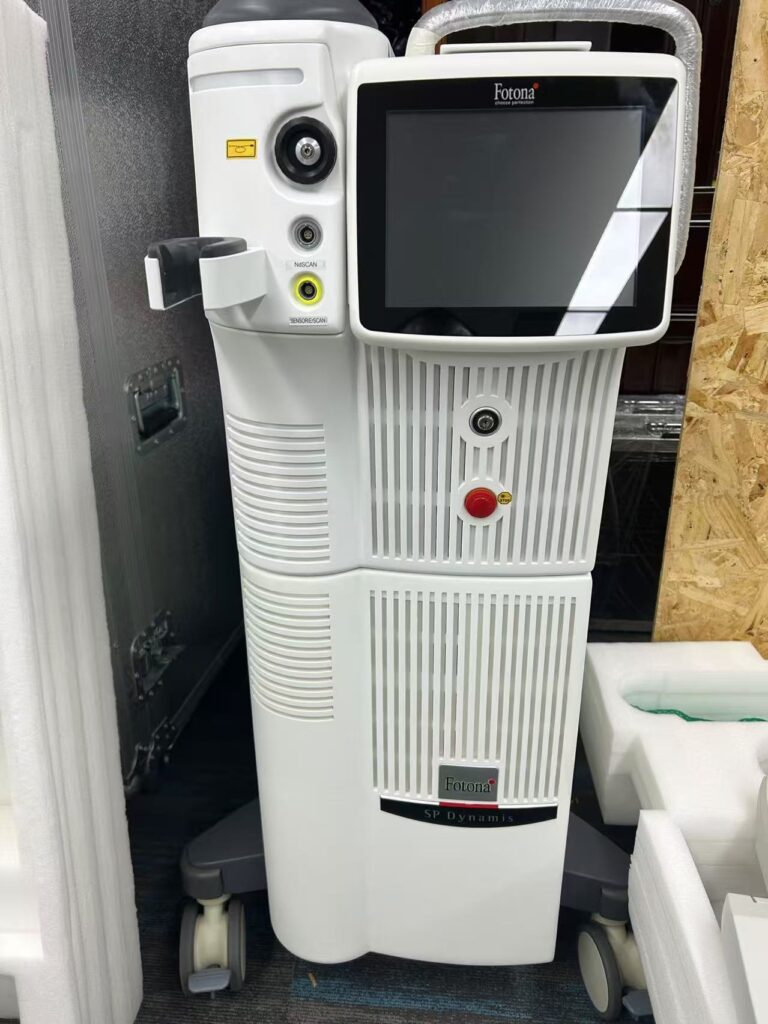 How to Source Quality-Controlled Disposable Supplies for Aesthetic PractitionersDISPOSABLES – GENERAL
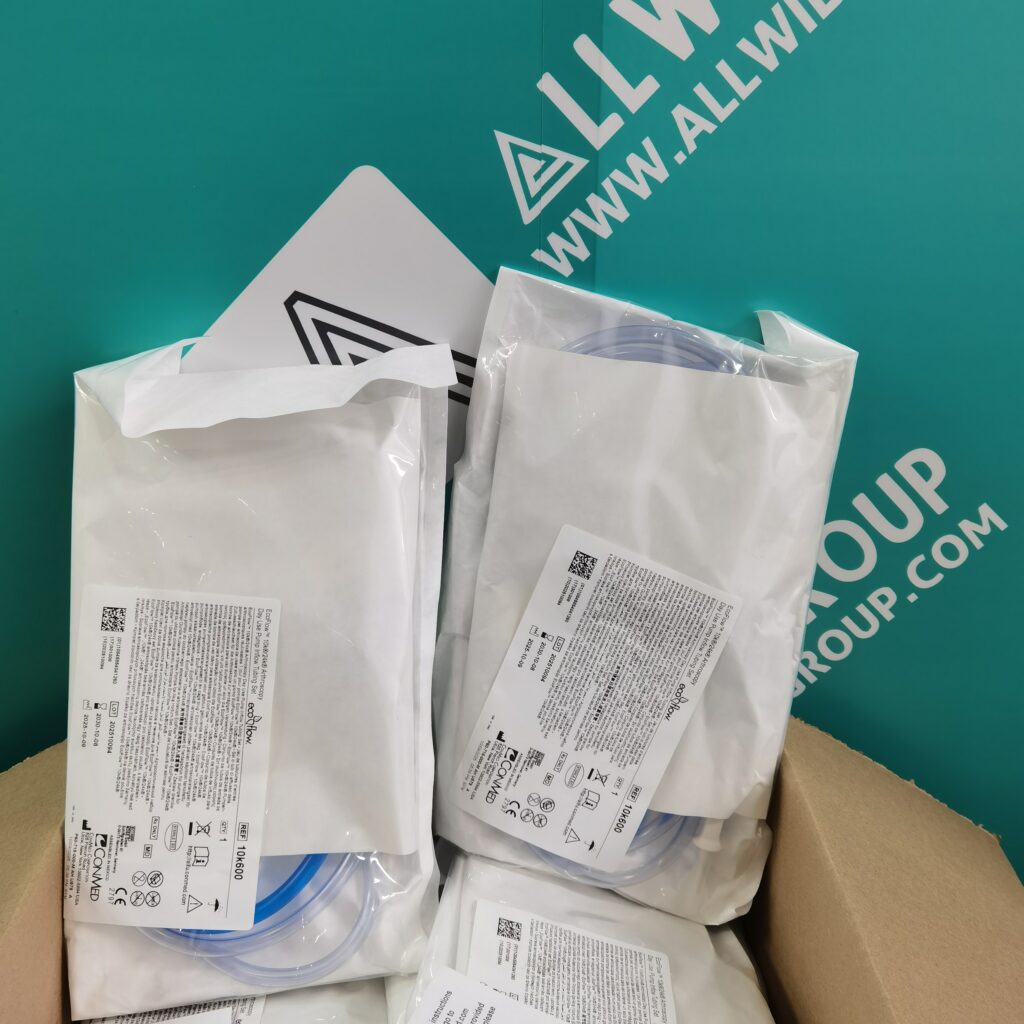 High-Reliability Disposable Components in Daily Clinical UseDISPOSABLES – GENERAL
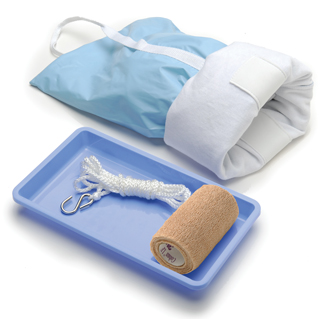 How Can Medical Aesthetics Disposables Boost Workflow Efficiency?DISPOSABLES – GENERALWhy Choose Sterile-Packaged Single-Use Medical Accessories for Infection Control and EfficiencyDISPOSABLES – GENERAL