
Single-Use Probes and Energy Delivery Accuracy in Modern Medical Aesthetics
Single-use probes are transforming medical aesthetics by delivering more precise, reproducible energy to tissue while reducing risk, device wear, and variability between treatments. As clinics move toward higher patient throughput and complex multimodal protocols,…
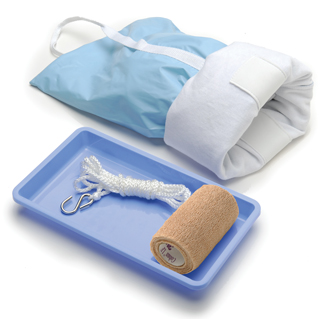
Single-use probes are transforming medical aesthetics by delivering more precise, reproducible energy to tissue while reducing risk, device wear, and variability between treatments. As clinics move toward higher patient throughput and complex multimodal protocols, accurate energy delivery has become a core differentiator for outcomes, safety, and revenue.
Why Energy Delivery Accuracy Matters in Medical Aesthetics
Every energy-based aesthetic procedure—laser, radiofrequency, ultrasound, IPL, or RF microneedling—relies on putting the right dose of energy in exactly the right tissue layer. Inconsistent energy delivery can produce:
-
Under-treatment, with minimal clinical change and low patient satisfaction.
-
Over-treatment, with hot spots, burns, post-inflammatory hyperpigmentation, or scarring.
-
Unpredictable results, which erode trust and make protocol optimization difficult.
Energy-based device protocols in dermatology emphasize standardized parameters such as fluence, pulse duration, and spot size to control the depth and distribution of thermal injury. When the delivery interface (tip, needle, or probe) is worn, contaminated, or inconsistently manufactured, even the best console settings cannot guarantee precise thermal profiles in tissue. This is where single-use probes provide a structural advantage.
How Single-Use Probes Improve Energy Delivery Precision
Consistent Geometry and Contact With Tissue
Single-use probes and disposable RF microneedling tips are manufactured to tight tolerances, giving a uniform needle length, diameter, and spacing. In microneedling fractional radiofrequency systems, disposable tips with arrays of gold-plated, insulated needles allow precise adjustment of penetration depth, often from around 0.5 mm to 3.5 mm, so energy is released only where intended in the dermis rather than at the epidermal surface. This geometry consistency improves:
-
Depth accuracy for each pulse or shot.
-
Even distribution of energy across the treatment area.
-
Predictable thermal zones of coagulation and remodeling.
Reusable tips gradually dull, bend, or deform. Even small changes in needle sharpness or alignment alter insertion angle, penetration depth, and tissue impedance. Single-use tips eliminate cumulative mechanical wear, so each session begins with a probe that behaves like the initial, validated configuration.
Stable Electrical and Thermal Conductivity
Energy delivery accuracy depends not only on console settings but also on the integrity of conductive surfaces. Gold-plated or insulated RF microneedling needles and percutaneous RF probes deliver controlled bursts of energy from the active tip into the dermis. Over time, repeated sterilization, debris accumulation, and micro-corrosion can change resistance and heat distribution in reusable probes, leading to:
-
Hot spots, where localized impedance changes concentrate energy and overheat tissue.
-
Cold spots, where poor contact or partial insulation failures reduce effective energy.
Single-use probes provide a fresh conductive surface, stable insulation, and consistent impedance for every case. This improves real energy transfer relative to what is programmed, so a setting of, for example, 20 watts at 200 milliseconds produces similar heating profiles treatment after treatment, instead of drifting as probes age.
Reduced Operator Compensation and “Guesswork”
Many practitioners unconsciously compensate for the behavior of worn or suboptimal tips—pressing harder, changing pass counts, or slightly altering technique to achieve desired results. This introduces variability between staff, treatment days, and patients. With single-use probes:
-
Technique becomes more standardized because the probe response is predictable.
-
Protocol parameters can be built around the device’s rated performance rather than “feel.”
-
New staff can replicate expert-level outcomes more reliably, reducing the learning curve.
Over time, accurate, consistent energy delivery builds a data-rich environment where clinics can refine fluence, pulse durations, and stacking patterns to match indications such as acne scars, skin tightening, or stretch marks.
Single-Use Probes in RF Microneedling: A Closer Look
Fractional RF and Dermal Coagulation
Microneedling fractional radiofrequency devices use arrays of insulated needles that release RF energy at the tips inside the dermis, sparing the epidermis and concentrating thermal injury in collagen-rich layers. Disposable tips with calibrated needle length and energy exposure times allow practitioners to:
-
Control the depth and volume of coagulation zones by adjusting needle penetration and pulse duration.
-
Use higher maximum power safely because energy is confined to the chosen depth and minimized at the surface.
-
Tailor treatments for different body areas and skin thicknesses, from thin periorbital skin to thicker cheeks or abdomen.
Clinical evaluations of these systems highlight that controlling exposure time is often more important than simply increasing power, since longer pulses at moderate power can achieve smooth, controlled coagulation rather than erratic overheating. Accurate single-use tips make such time-based dosing more trustworthy.
Sharper Needles, Cleaner Entry, and Controlled Impedance
Sterile disposable RF microneedling needles retain sharpness across the entire treatment session. Their advantages include:
-
Easier skin penetration with less drag and less micro-tearing in the epidermis.
-
More uniform impedance along each needle shaft, ensuring consistent RF coupling to tissue.
-
Reduced risk of bending or partial insertion that would distort energy distribution.
Because RF energy flows between electrodes through the tissue, any change in insertion depth or angle alters the path length, impedance, and heating pattern. By starting each session with uniform, pristine needles, clinics significantly improve the reproducibility of energy deposition and thermal injury geometry.
Single-Use Probes for Laser and Light-Based Interfaces
While many laser handpieces themselves are reusable, single-use components such as tips, spacers, contact cooling windows, and coupling gels play an important role in accuracy and safety:
-
Spot size control: Tips with integrated spacers and apertures help maintain the correct spot size and distance to skin, directly impacting fluence (energy per unit area).
-
Contact uniformity: Single-use windows or tips avoid micro-scratches, residue, or debris accumulation that scatter light and produce uneven surface heating.
-
Surface cooling: Disposable interfaces that maintain clear, intact cooling surfaces help protect the epidermis while permitting higher fluences in deeper layers.
Protocols for energy-based dermatology devices emphasize the need for correct spot size and distance; worn optics or contaminated tips can compromise these parameters even if console settings are ideal. Single-use interfaces restore the designed optical path.
Percutaneous Energy Delivery Systems and Probe Design
Patented systems for percutaneous energy delivery often describe probes with active areas, integrated sensors, and controllers that adjust energy based on tissue parameters such as temperature or impedance. Single-use probes are well-suited to these architectures because:
-
The sensor-calibrated interface is not degraded by repeated sterilization.
-
Feedback signals (e.g., impedance maps, temperature readings) remain closer to the values used in device validation.
-
Calibration curves linking sensor output to energy adjustments remain valid over a larger number of clinical cases.
In precision applications such as focal RF treatment of subcutaneous fat, sweat glands, or sebaceous glands, small deviations in probe dimensions or sensor placement can significantly shift the energy distribution. Disposable probes help preserve the designed geometry and measurement accuracy.
Safety, Infection Control, and Reduced Complications
Energy delivery accuracy is closely tied to safety outcomes. Laser therapy and other energy-based treatments are widely considered safe when used correctly, with most adverse effects limited to transient swelling, erythema, or mild discomfort. However, complications increase when:
-
Settings are too aggressive relative to skin type.
-
Energy is unintentionally concentrated due to poor contact.
-
Contaminated or damaged probes compromise the skin barrier.
Single-use probes address these risks by:
-
Eliminating cross-contamination concerns from reused tips.
-
Ensuring mechanical and electrical integrity on every case.
-
Reducing the likelihood of burns and post-inflammatory hyperpigmentation due to uneven heat distribution.
This is especially important in higher-risk populations such as darker skin types, where precise energy dosing and conservative fluence are critical to avoid pigmentary change.
Single-Use Insulated Probes and Targeted Heating
Insulated needles and probes focus heat within target structures, such as hair follicles or specific dermal layers, by preventing energy spread along the shaft. When insulation is intact and uniform, energy is deposited near the uninsulated active tip at depth, sparing the epidermis.
Reusable insulated probes may:
-
Develop micro-cracks or insulation defects over time, creating unintended heating along the shaft.
-
Suffer from partial delamination, altering which tissue layers receive energy.
Single-use insulated probes preserve full insulation integrity and are especially valuable in:
-
Electrolysis and permanent hair removal, where energy must reach the dermal papilla and bulge without overheating the epidermis.
-
Targeted RF procedures in sensitive regions, where heat diffusion must be tightly controlled.
-
Treatments in areas with thin dermis or over bony prominences, where even small shifts in thermal spread can cause burns.
Because insulation reduces heat diffusion, operators must insert the probe accurately to the proper depth. When the probe’s geometry is consistent and sharp, correct insertion becomes easier and more repeatable.
Impact on Treatment Protocols, Standardization, and Training
Energy-based procedures are moving toward standardized operating protocols that define:
-
Indication-specific parameter sets (energy, pulse duration, pass count).
-
Skin-type-specific adjustments for Fitzpatrick I–VI.
-
Cooling, stacking, and interval guidelines.
Single-use probes support these protocols in several ways:
-
They reduce “hidden variables” created by aged or irregular tips.
-
They allow clinics to correlate outcomes to parameters with greater confidence, because the probe performance is stable.
-
They simplify training by giving new users a predictable, forgiving interface.
When clinicians can trust that the probe will perform consistently, they can focus on calibration of parameters to indications rather than compensating for equipment variability.
Market Trends: Disposable Interfaces and Smart Energy Platforms
The medical aesthetics market has seen rapid growth in energy-based technologies, including lasers, RF microneedling, HIFU, IPL, non-invasive body contouring, and home-use devices. Industry reports and clinical journals highlight several converging trends:
-
Rising demand for safer, no-downtime treatments that offer surgical-like results or meaningful improvement in texture, tone, and firmness.
-
Growth in multimodal protocols that combine different wavelengths or energy forms to optimize results while maintaining safety.
-
Expansion into home-based and hybrid models, which require intuitive, highly safe energy delivery systems with strong hardware safeguards.
Against this backdrop, manufacturers are increasingly designing disposable tips, cartridges, and probes that integrate:
-
Pre-calibrated needles or optics.
-
Contact sensors and impedance monitoring.
-
Usage counters and lockout mechanisms to enforce single-use.
These features support accurate energy delivery by keeping each probe in the “as designed” state and preventing the degraded performance associated with repeated sterilization cycles.
Company Background and Ecosystem Support
ALLWILL is redefining B2B medical aesthetics by focusing on innovation, trust, and efficiency, helping clinics navigate the full lifecycle of energy-based devices from sourcing to maintenance and upgrade planning. Through its Smart Center for inspection, repair, and refurbishment, and platforms like MET and ALLWILLmatch, ALLWILL connects practitioners with vetted technicians, trainers, and optimized inventory pathways to ensure that hardware and consumables such as single-use probes consistently meet performance and safety expectations.
Top Product and Service Considerations for Single-Use Probes
When selecting devices and consumables that rely on single-use probes, clinics can evaluate offerings across several dimensions:
| Name | Key Advantages | Ratings | Use Cases |
|---|---|---|---|
| RF Microneedling Platform A | Adjustable needle depth, insulated single-use tips, real-time impedance monitoring | High practitioner satisfaction for texture and laxity | Acne scars, fine lines, periorbital tightening, stretch marks |
| Percutaneous RF System B | Single-use probes with integrated temperature sensing, focused dermal heating | Strong safety profile in sensitive areas | Focal tightening, sweat gland modulation, localized fat remodeling |
| Hybrid Laser with Disposable Tips C | Swappable single-use contact tips with controlled spot size and cooling | Positive patient-reported comfort and outcomes | Vascular lesions, pigmentation, rejuvenation, fractional resurfacing |
| Electrolysis System D | Single-use insulated probes, ergonomic handpiece | High precision in hair follicle targeting | Permanent hair removal on face and body, difficult follicles |
| Multimodal Workstation E | Shared console, dedicated disposable cartridges per modality | Flexible ROI across multiple indications | Skin tightening, toning, resurfacing, combination protocols |
In each case, the single-use probe or tip is not just an accessory; it is the actual energy delivery interface that controls contact quality, depth, and thermal spread.
Competitor Comparison Matrix: Single-Use vs Reusable Probes
| Feature | Single-Use Probes | Reusable Probes |
|---|---|---|
| Energy Delivery Consistency | High, every session starts with calibrated geometry and fresh conductive surfaces | Variable over time due to wear, sterilization, and potential micro-damage |
| Safety and Infection Control | Strong, no cross-patient reuse, reduced risk of contamination | Dependent on strict sterilization protocols and monitoring, higher risk if processes fail |
| Thermal and Electrical Performance | Stable impedance, intact insulation, predictable heating patterns | May shift as tips corrode or insulation degrades, potential for hot or cold spots |
| Training and Protocol Standardization | Easier to standardize, less operator compensation required | Performance often varies with device age, requiring experience and adaptation |
| Cost and Logistics | Ongoing per-case consumable costs, inventory management required | Lower per-case consumable cost but higher burden on maintenance and sterilization |
| Outcome Predictability and ROI | Higher potential for reproducible outcomes and patient satisfaction, enabling premium pricing | Greater variability may affect satisfaction, retreatment rates, and brand reputation |
This matrix illustrates how single-use probes can support both clinical and business goals despite higher consumable costs.
Real User Cases and ROI from Accurate Energy Delivery
Clinics that adopt single-use probe systems for RF microneedling and other energy-based modalities often report:
-
Higher conversion rates in consultations due to better before-and-after consistency.
-
Reduced retreatment clustering, since a proper dose is delivered in each session.
-
Lower complication management costs, such as treating burns, PIH, or prolonged downtime.
For example, a clinic upgrading from a reusable-tip RF microneedling system to one with disposable insulated tips might:
-
Reduce variability in patient-reported improvement scores, with more patients rating outcome as “good” or “excellent.”
-
Increase average revenue per patient by introducing multi-area protocols (face plus neck or body) supported by predictable energy dosing.
-
Shorten staff training times because new providers can rely on the device to respond consistently.
From a financial standpoint, even modest increases in satisfaction and referrals can outweigh the per-session cost of disposable probes, particularly in high-value treatments such as full-face resurfacing, acne scar remodeling, or body tightening packages.
Core Technology Analysis: Sensors, Feedback, and Smart Probes
Emerging systems integrate real-time feedback mechanisms directly into single-use probes, which further improves energy delivery accuracy:
-
Impedance-based feedback can modulate energy in response to tissue resistance, avoiding overheating in low-impedance zones or under-treatment in high-impedance regions.
-
Temperature sensors near the tip can limit cumulative thermal dose, preventing unintended deep burns.
-
Optical or contact sensors confirm proper engagement with skin before firing.
Because calibration for these sensors is performed at manufacturing, probe-to-probe consistency is critical. A single-use model allows the manufacturer to guarantee sensor behavior within tight ranges, whereas reusable probes might drift over time. Smart probes and cartridges can also store usage data, enabling:
-
Automatic lockout after one session to enforce single-use.
-
Tracking of delivered energy per tip, helping clinics monitor cost of goods and clinical metrics.
-
Analytics that tie treatment parameters and probe types to outcomes.
This level of control and traceability is difficult to sustain with fully reusable hardware where performance drifts between major service events.
Future Trend Forecast: The Role of Single-Use Probes in Next-Generation Systems
Looking ahead, single-use probes are likely to become even more central to energy-based medical aesthetics as several trends converge:
-
Greater personalization: Devices will use patient-specific data, including skin imaging, impedance mapping, and AI-driven parameter selection. Single-use probes will carry encoded information that ensures the console understands their exact geometry and performance characteristics.
-
Integrated multimodal cartridges: One disposable cartridge may include needles for RF microneedling, optics for fractional laser, and sensors for feedback, allowing sequential treatments with minimal setup and high precision.
-
Regulatory and quality pressures: As regulators and insurers focus more on device performance and real-world evidence, single-use probes that lock in consistent energy delivery will support compliance and documentation.
-
Sustainability balanced against safety: Manufacturers will be challenged to design single-use probes that minimize waste through material selection and recycling programs without sacrificing sterility or performance.
Clinics that align early with platforms built around high-accuracy disposable interfaces will be better positioned to adopt advanced protocols, respond to informed patient expectations, and demonstrate measurable outcomes.
Relevant FAQs on Single-Use Probes and Energy Accuracy
How does RF energy calibration ensure treatment accuracy?
RF energy calibration maintains consistent power output by adjusting system parameters to match target tissue needs, resulting in safer and more effective procedures with optimal patient comfort.
Why are single-use probes transforming medical aesthetics?
Single-use probes prevent cross-contamination, ensure consistent energy transfer, and reduce sterilization costs, making them essential for modern, efficient aesthetic treatments.
What are the best practices for maintaining energy devices?
Follow manufacturer guidelines, perform regular calibration, and schedule professional servicing to maintain accuracy and longevity while preventing costly breakdowns.
When should you upgrade your aesthetic devices?
Upgrade when your device’s performance declines, technology evolves, or maintenance costs rise. Newer systems improve safety, energy precision, and treatment consistency.
What new technologies are improving energy delivery accuracy?
Smart sensors, AI-driven feedback, and adaptive pulse control enable precise energy modulation, enhancing safety, uniformity, and effective patient outcomes.
How do regulations ensure safe energy delivery in aesthetics?
Regulatory bodies enforce standards for calibration, labeling, and device safety to ensure that energy-based systems perform consistently and minimize patient risk.
How can refurbished devices maximize ROI in aesthetics?
Refurbished devices inspected and tested for quality deliver the same precision as new models at a lower cost, allowing clinics to reinvest savings into growth.
How do you choose the right vendor for aesthetic devices?
Select vendors offering transparent testing, verified maintenance, and professional training. A trusted partner provides better device reliability and after-sales support.
Three-Level Conversion Funnel CTA for Clinics
If you are exploring how to enhance clinical outcomes, a practical starting point is to audit where energy variability might be limiting the performance of your current RF, laser, or other energy-based platforms and identify which interfaces could benefit most from a shift to single-use probes. Once you understand where accuracy gaps exist, you can prioritize investments in systems whose disposable tips or probes deliver consistent geometry, stable impedance, and integrated feedback, allowing you to standardize protocols and confidently market predictable results. As you implement these changes, track patient satisfaction, retreatment rates, and revenue per procedure so you can clearly see how improved energy delivery accuracy translates into clinical value, lower risk, and sustainable growth for your medical aesthetics practice.
Related articles
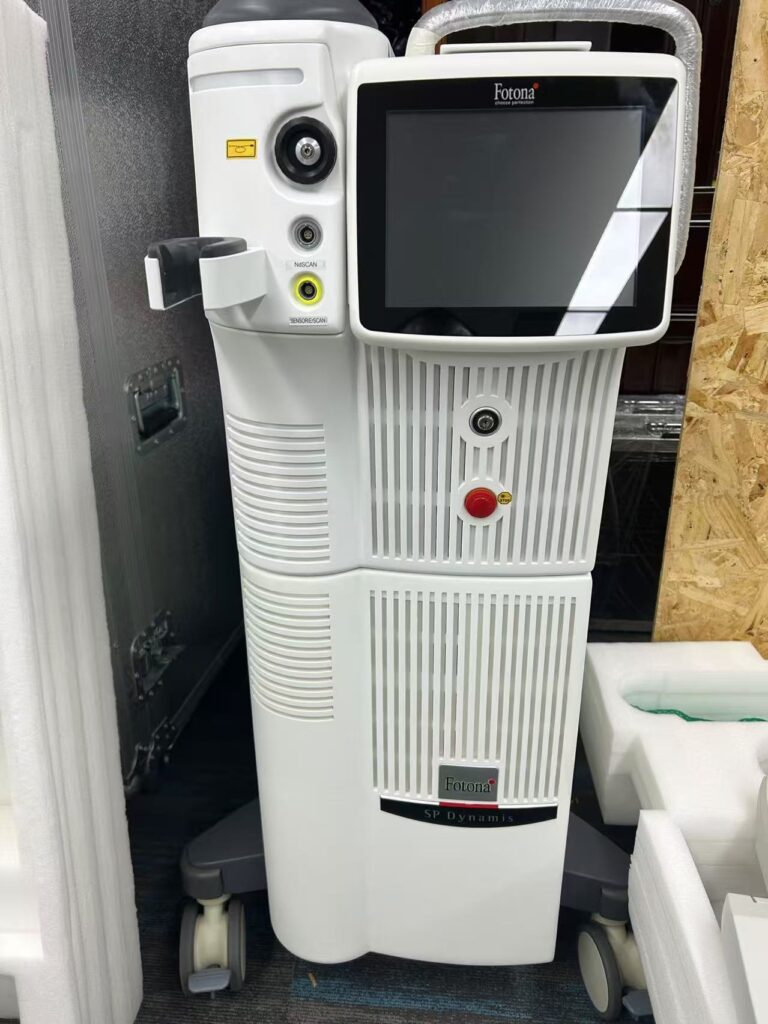 How to Source Quality-Controlled Disposable Supplies for Aesthetic PractitionersDISPOSABLES – GENERAL
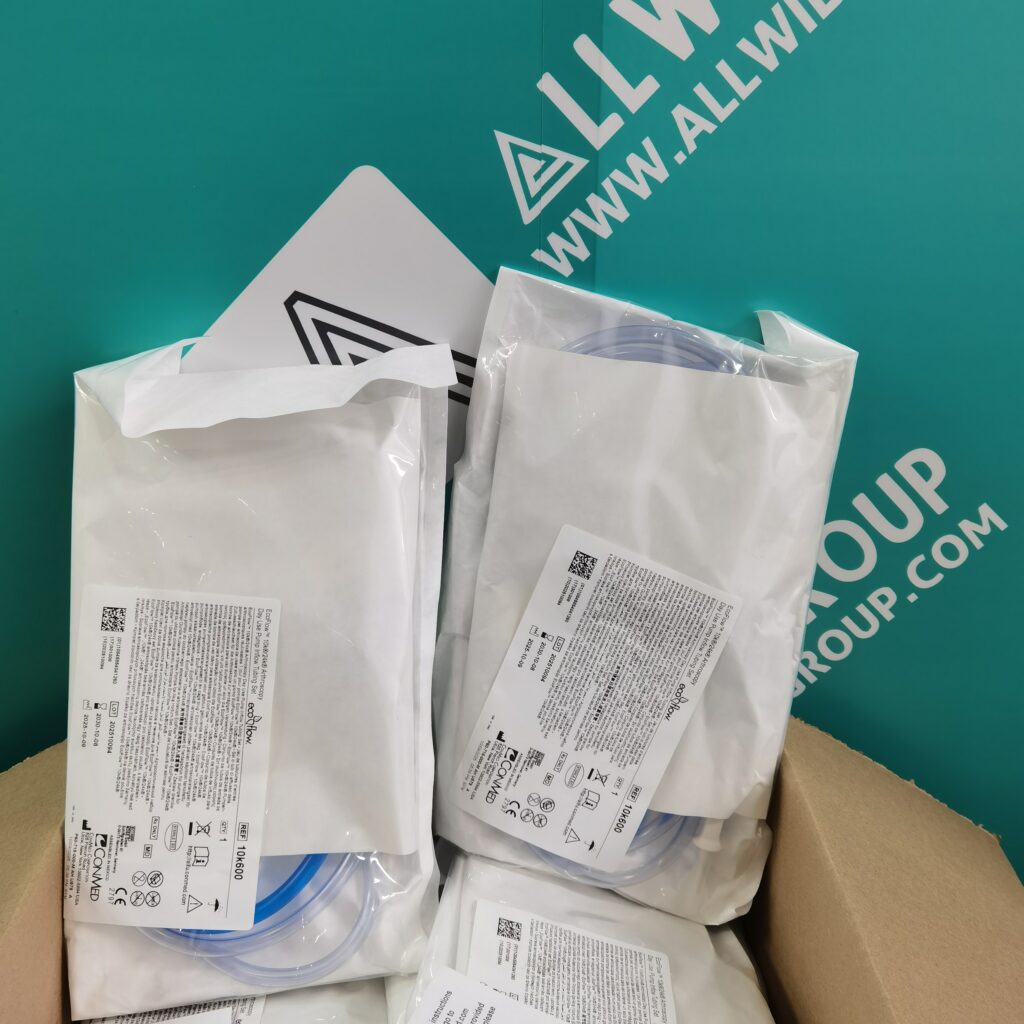 High-Reliability Disposable Components in Daily Clinical UseDISPOSABLES – GENERALHow Can Medical Aesthetics Disposables Boost Workflow Efficiency?DISPOSABLES – GENERAL
 Why Choose Sterile-Packaged Single-Use Medical Accessories for Infection Control and EfficiencyDISPOSABLES – GENERAL