
How Can Medical Aesthetics Disposables Boost Workflow Efficiency?
Medical aesthetics disposables have moved from being a convenience to a core operational strategy for high-performing clinics and med spas. When they are selected and standardized correctly, disposables can transform workflow efficiency, staff utilization,…
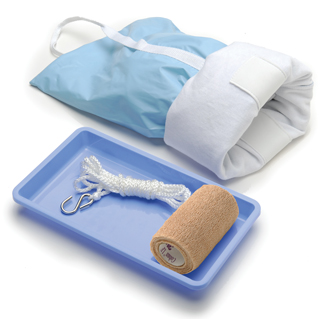
Medical aesthetics disposables have moved from being a convenience to a core operational strategy for high-performing clinics and med spas. When they are selected and standardized correctly, disposables can transform workflow efficiency, staff utilization, treatment quality, and profitability across the entire patient journey.
Why workflow efficiency matters in medical aesthetics
In a modern aesthetic clinic, the biggest operational cost is rarely rent or equipment; it is time. Every minute a treatment room sits idle or a nurse waits for sterilized tools represents lost revenue and reduced capacity. As the global medical aesthetics market grows at double-digit rates and non-surgical procedures accelerate, practices that do not optimize their workflows with the right medical aesthetics disposables risk longer wait times, higher overtime costs, and lower patient satisfaction.
Workflow efficiency in aesthetics is not only about performing more injectable or laser sessions per day. It is about reducing friction in room turnover, simplifying compliance, making inventory more predictable, and enabling clinicians to focus on clinical decisions instead of logistics. High-quality, procedure-specific disposables are one of the most direct levers to achieve this.
Market trends: the rise of disposables in aesthetic workflows
Several structural trends are driving rapid adoption of medical aesthetics disposables across clinics, medical spas, dermatology practices, and plastic surgery centers. First, the share of non-surgical and minimally invasive procedures continues to expand, with injectables, skin resurfacing, body contouring, and regenerative treatments increasing year over year. These procedures are high volume, shorter in duration, and highly protocolized, which makes them ideal for disposable-based workflows that minimize setup and reprocessing.
Second, there is growing regulatory and patient pressure around infection prevention, cross-contamination, and traceability. Single-use cannulas, needles, syringes, tubing, and applicators reduce reprocessing steps that can introduce variability or risk. Finally, as staff shortages affect nursing and support roles, disposable-based treatment setups help clinics run full schedules even with leaner teams, while still maintaining consistent quality and safety standards.
How medical aesthetics disposables streamline clinic workflows
At the core, medical aesthetics disposables boost workflow efficiency by eliminating repetitive, low-value tasks and standardizing complex treatment setups into predictable, ready-to-use kits. Instead of staff spending time cleaning, sterilizing, sorting, and tracking reusable items, they open a sterile package and immediately prepare the patient.
Key workflow advantages include reduced room turnover time, accelerated pre-treatment setup, easier protocol adherence, and simpler training for new staff. When each procedure has a clearly defined disposable kit, your team follows a visual, repeatable pattern. This consistency reduces preparation errors, missing items, and last-minute searches for supplies, which are some of the most common causes of delays in aesthetic clinics.
Core efficiency benefits of single-use aesthetic supplies
Single-use medical aesthetics disposables impact efficiency through multiple compounding effects. They remove the need for cleaning validation and complex sterilization cycles for many accessory items, which can free hours of staff time weekly. They reduce the burden of instrument tracking and maintenance, extending the lifespan of the high-value capital devices you rely on while lowering unexpected repair costs from misuse or wear.
They also help ensure that every session begins with fresh, sharp, and contamination-free components. For needle-based treatments and energy-based procedures, this consistency often translates into smoother injections, improved energy delivery, fewer complications, and less time troubleshooting equipment. Over hundreds of appointments, these small improvements accumulate into more procedures per day, shorter queues, and higher revenue per room without adding more devices or providers.
Disposables in injectables: fillers, toxins, and biostimulators
Injectable treatments rely heavily on precise, predictable handling of products and tissue. In this context, medical aesthetics disposables such as pre-lubricated syringes, ultra-thin-wall needles, blunt-tip microcannulas, and sterile gauze kits can meaningfully increase speed and comfort. Ready-to-use syringe and needle sets tailored to specific viscosities and depths reduce time spent swapping components or adjusting technique mid-procedure.
Pre-assembled injection trays that include gloves, swabs, sharps containers, and post-care dressings enable nurses or physician assistants to move from one patient to the next with minimal downtime. By standardizing injection protocols with procedure-specific disposables, clinics can reduce variation between providers, shorten training time for new injectors, and ensure that every treatment room is prepared the same way for neuromodulators, dermal fillers, skin boosters, and collagen-stimulating products.
Disposables in laser, RF, and energy-based procedures
Laser hair removal, photo-rejuvenation, radiofrequency tightening, and body contouring treatments benefit significantly from specialized disposables that support cooling, coupling, and hygiene. Single-use gel packs, protective eye shields, tip covers, grounding pads, and suction liners all contribute to a faster and cleaner workflow. Instead of disinfecting multi-use accessories between each session, staff simply remove and replace consumables designed to match the device and indication.
For high-throughput laser clinics, disposable tip covers and interface consumables help maintain optical clarity and reduce the risk of treatment interruptions due to debris or burn marks on reusable parts. They also make it easier to maintain manufacturer-recommended maintenance schedules because the most contamination-prone components are disposable, while core hardware is preserved. The result is more consistent fluence delivery, fewer unscheduled service calls, and a smoother daily appointment flow.
Disposables in regenerative and PRP treatments
Regenerative aesthetic procedures such as platelet-rich plasma facials, hair restoration, and combination protocols with microneedling depend on sterility and precise handling of biological materials. Dedicated PRP disposable kits that include specialized tubes, needles, transfer devices, and applicators streamline the entire process from blood draw to reinjection. They can greatly reduce the risk of sample mix-ups, contamination, or protocol deviations.
Because these kits are designed as closed systems, they can help clinics comply with stringent regulations while minimizing the training burden. Staff follow clearly marked steps, from centrifugation to activation and delivery, with all required components available in one sterile pack. This simplifies scheduling, supports predictable treatment times, and increases the number of PRP or regenerative sessions a clinic can safely perform in a day.
How single-use supplies reduce sterilization and reprocessing time
One of the most direct ways medical aesthetics disposables boost workflow efficiency is by dramatically reducing dependence on central sterilization and instrument reprocessing. Autoclaving, drying, packaging, tracking cycles, and documenting sterilization logs are all necessary steps when using reusable instruments and accessories, but they consume substantial staff time and physical space.
By shifting many peripheral tools to high-quality disposable versions, clinics can reduce the number of items that require sterilization and potentially decrease the workload on sterilization equipment. This not only shortens turnaround time between procedures but also lowers the risk of backlogs when autoclaves fail or loads must be repeated. For aesthetic practices with limited space, disposables can even eliminate the need for a full-scale reprocessing room for certain categories of supplies, freeing up space for additional treatment rooms or consultation areas.
Lean inventory and standardized treatment kits
Workflow efficiency is not only about the procedure itself; it also depends on how quickly staff can find, restock, and reorder supplies. Medical aesthetics disposables lend themselves to standardized treatment kits that can be stored, counted, and reordered in predictable quantities. For example, you might assemble a “Botox starter kit,” a “full-face filler kit,” or a “laser resurfacing kit” where each kit contains exactly the disposables required for one procedure.
This approach supports lean inventory management and just-in-time ordering. By tracking kit usage instead of individual items, you simplify stock counts and forecasting. It becomes easier to calculate costs per treatment, identify fast-moving procedures, and detect waste or leakage. Smart inventory systems can be paired with barcode scanning on disposable kits so that when a kit is opened, stock levels automatically update and reorder thresholds trigger, minimizing the risk of stockouts that stall the schedule.
Cost, waste, and ROI of medical aesthetics disposables
Some clinics initially hesitate to expand their use of disposables due to concerns about per-unit cost and waste. However, when considered from a total cost of ownership perspective, high-quality medical aesthetics disposables often deliver positive ROI. They reduce hidden expenses linked to sterilization labor, utilities, packaging, instrument maintenance, breakage, and infection-related complications.
They also play a role in staff retention and job satisfaction. When practitioners and support staff are not constantly scrambling for clean instruments or improvising with missing components, their workday becomes more predictable and less stressful. This stability can reduce turnover costs, improve training outcomes, and enhance patient experiences. By measuring metrics like treatment capacity per room, reprocessing labor hours saved, and reduction in appointment delays, clinics can quantify how disposables contribute to profitability while gradually optimizing product selection and usage patterns.
Top medical aesthetics disposables that enhance efficiency
An effective medical aesthetics workflow depends on the right mix of consumables matched to procedure types, patient demographics, and clinic size. Below is an example of how high-impact disposables can be categorized and evaluated from an efficiency standpoint.
High-impact disposable categories for injectables and skin
| Name | Key Advantages | Ratings | Use Cases |
|---|---|---|---|
| Pre-assembled injection trays | All core items in one pack, less setup, fewer missing components | High usability and safety | Botox, dermal fillers, skin boosters |
| Ultra-thin-wall needles and microcannulas | Smooth flow, less force, improved patient comfort, fewer replacements mid-session | High patient satisfaction | Lip augmentation, tear troughs, contouring |
| Single-use topical anesthetic applicators | Consistent dosing, hygienic application, quick disposal | High workflow speed | All facial injectables, microneedling prep |
| Disposable micro-needle tips | Guaranteed sharpness and sterility per patient, consistent depth | High device uptime | RF microneedling, collagen induction therapy |
High-impact disposables for energy-based and body treatments
| Name | Key Advantages | Ratings | Use Cases |
|---|---|---|---|
| Laser tip covers and interface caps | Protect optics, faster swap between patients, minimized cleaning | High equipment protection | Laser hair removal, pigment and vascular treatments |
| Single-use grounding pads and gel packs | Reliable coupling, quick application and removal, reduced cross-contamination risk | High procedural consistency | RF body contouring, skin tightening |
| Disposable suction liners and tubing | Fast changeover between sessions, simplified cleaning of base units | High turnover speed | Body contouring, fat reduction, vacuum-based devices |
| Pre-packaged post-care dressing kits | All required dressings, creams, and instructions in one pack | High compliance | Laser resurfacing, ablative procedures |
Well-chosen categories like these become building blocks for standardized treatment protocols and training. Over time, data on what gets used, discarded, or returned can help refine which disposables deliver the best balance of speed, safety, and cost.
Competitor comparison: disposable-focused vs reusable-focused clinics
When evaluating workflow efficiency, it is useful to compare clinics built around disposable-centric treatment setups with those that still rely heavily on reusable accessories. The following matrix illustrates how different strategies influence key operational metrics.
| Aspect | Disposable-Centric Clinic | Reusable-Focused Clinic |
|---|---|---|
| Room turnover time | Shorter, minimal cleaning for accessories, rapid resets | Longer, dependent on disinfection, drying, and assembling reusable sets |
| Staff utilization | More time in direct patient care, less in reprocessing | More time in cleaning, sorting, and tracking instruments |
| Training complexity | Simplified, kit-based, visual protocols | Higher, requires mastery of reprocessing steps and instrument handling |
| Infection control risk | Reduced cross-contamination from single-use components | Higher exposure to lapses in cleaning or sterilization workflow |
| Inventory management | Kit-based counting, easier forecasting and cost-per-treatment tracking | Item-based, more fragmented, increased risk of shortages |
| Capital equipment wear | Lower wear on reusable accessories, more predictable maintenance | Greater wear and tear on multi-use connectors, hoses, and tips |
This comparison highlights why many high-volume medical aesthetics centers prioritize expanding disposable usage for specific steps in their treatment chains while retaining reusable items where they deliver a clear economic advantage without adding workflow friction.
Core technology behind modern aesthetic disposables
Today’s medical aesthetics disposables are not simply generic plastic items. They incorporate advanced materials, precision manufacturing, and ergonomic design to support both clinical performance and efficiency. In microcannulas and needles, ultra-thin-wall technology and proprietary bevel designs enable smoother flow at lower injection pressures, helping providers work more quickly and comfortably. Flexible cannula shafts and rounded tips improve navigation through tissue planes, potentially reducing bruising and the need for multiple passes.
In micro-needle tips and fractional RF cartridges, controlled needle depth, insulated coatings, and real-time resistance monitoring allow consistent energy delivery while minimizing thermal spread. Single-use design ensures each patient receives a fresh set of needles, avoiding dulling that can slow treatments and increase discomfort. For PRP and regenerative kits, closed-system designs, precise anticoagulant ratios, and optimized centrifugation parameters produce more consistent platelet concentrations with fewer steps and less risk of error.
Smart packaging and ergonomic design for time savings
Packaging design plays a bigger role in efficiency than many clinics realize. Well-designed medical aesthetics disposables arrive in intuitive, step-wise layouts, where staff open the package in the same order they perform the procedure. Color coding for indications, treatment zones, or device compatibility further reduces the time spent double-checking sizes and references.
Ergonomic features such as easy-peel pouches, clear orientation markings, and ready-to-use connector interfaces can shave seconds or minutes off routine tasks, especially when multiplied across dozens of patients per day. Stackable trays and modular inner packs allow clinics to quickly customize setups for partial procedures, touch-ups, or combined treatments without unpacking full kits each time. Over time, these micro-optimizations significantly improve overall workflow velocity.
How disposables support compliance, documentation, and audits
Regulatory inspections, insurer audits, and internal quality reviews all scrutinize how clinics manage infection prevention, product traceability, and documentation. Medical aesthetics disposables simplify these obligations by providing lot numbers, expiration dates, and clear single-use labeling on each item or kit. This makes it easier to document exactly what was used for each patient and to respond quickly in the unlikely event of a recall or complaint.
By relying on disposables for high-risk steps such as injection components, contact surfaces, or biological handling, clinics can reduce the number of process validations required for reprocessing. Staff can document adherence to manufacturer instructions and internal protocols through simple checklists or digital forms, rather than complex sterilization logs. This reduces administrative burden and the risk of gaps in records that could delay approvals, partnerships, or insurance contracts.
Real clinic scenarios: time and ROI gains from disposables
To appreciate how medical aesthetics disposables boost workflow efficiency in practice, consider a busy injectable clinic with three treatment rooms. Before adopting procedure-specific disposable trays, each nurse spent several minutes pulling individual items from storage, verifying stock, and improvising substitutes when something was missing. Room turnover depended heavily on one senior assistant who handled most of the reprocessing and restocking tasks.
After transitioning to standardized disposable injection kits and pre-packed post-care sets, setup became a matter of checking product vials and opening a tray. That clinic was able to add one extra injection appointment per room per day, simply because setup and turnover became more predictable and less dependent on a single person. Over a year, that translated into hundreds of additional treatments without increasing working hours or adding new providers.
In another example, a med spa offering RF microneedling replaced reusable needle cartridges with high-quality disposable tips tailored to each indication. Previously, staff occasionally postponed treatments when the limited stock of reusable tips was being reprocessed or inspected for damage. With disposable tips, they experienced fewer cancellations, better consistency in treatment quality, and a measurable reduction in device-related service issues. The increased throughput and reduced maintenance costs more than offset the added consumable expense.
Integrating disposables into training and standard operating procedures
Standard operating procedures in medical aesthetics clinics are only effective if they are easy to follow and replicate. Medical aesthetics disposables naturally lend themselves to clear, step-by-step training because each item has a defined role and is used once. Training programs can include photos or diagrams of fully prepared trays and rooms, showing where each disposable belongs and when it should be opened.
Because single-use supplies remove variability from wear, cleanliness, and configuration, new staff can focus on learning anatomy, injection technique, and patient communication rather than mastering complex reprocessing workflows. This shortens the time it takes to onboard new nurses and assistants, which is especially valuable when expanding locations or scaling into new services such as regenerative aesthetics, combination procedures, or physician-only treatments.
Environmental considerations and sustainable choices
Environmental impact is a valid concern when discussing wider use of disposables. However, practices can still prioritize sustainability by selecting medical aesthetics disposables that balance performance, waste reduction, and responsible manufacturing. Lightweight, compact packaging reduces transport footprint and waste volume. Multi-function components that replace several separate items can streamline kits and reduce overall material use.
Clinics can also implement responsible waste segregation, ensuring sharps, biohazard, and non-contaminated waste follow appropriate disposal channels. In some cases, hybrid models that combine durable, easily cleaned base components with disposable interfaces offer a strong compromise between environmental and efficiency goals. By analyzing the full product life cycle, from production to end-of-life, clinics can choose solutions that meet safety, workflow, and sustainability objectives simultaneously.
Company background: ALLWILL’s role in medical aesthetics efficiency
Within this evolving landscape, ALLWILL is redefining B2B medical aesthetics by focusing on innovation, trust, and efficiency in how clinics source and support devices and consumables. Through its Smart Center, vendor management system, and ALLWILLmatch inventory platform, ALLWILL helps practitioners align medical aesthetics disposables and core equipment in a way that reduces friction, improves uptime, and simplifies growth planning across single and multi-site operations.
Future trends: smarter, more integrated disposables
Looking ahead, medical aesthetics disposables will become more intelligent, connected, and tailored to specific devices and protocols. Expect to see consumables with embedded identifiers or scannable codes that communicate with treatment platforms, automatically loading recommended settings and recording usage for each patient. This will further reduce setup errors, help clinics monitor consumable consumption in real time, and integrate procedures with electronic health records or practice management systems.
Disposables will also likely evolve toward more personalized and indication-specific formats. For example, kits designed for male facial contouring, ethnic skin rejuvenation, or combination regenerative protocols will emerge, each containing the exact mix of instruments, applicators, and post-care elements required for those patient groups. This granular customization will allow clinics to deliver highly personalized treatment plans without increasing complexity in their back-of-house operations.
Building a three-level conversion funnel around disposables
Medical aesthetics disposables can even support growth in patient demand when integrated into a clinic’s commercial strategy. At the awareness level, highlighting single-use, sterile, and procedure-specific supplies in marketing materials reassures new patients about safety and professionalism. This is especially effective for injectables, microneedling, and regenerative procedures where people may be concerned about hygiene.
At the consideration level, clinics can use disposables to enable streamlined combination packages, such as bundled injectables and laser sessions, with predictable costs and durations. Clear, kit-based protocols underpin reliable scheduling and pricing, which makes it easier for patients to compare options and commit. At the decision and retention level, consistent experiences delivered through standardized disposable setups build trust; patients notice when procedures feel smooth, efficient, and professionally organized, leading to repeat bookings and referrals.
Practical steps to implement a disposable-first efficiency strategy
For clinics ready to leverage medical aesthetics disposables more strategically, the first step is to map current workflows for high-volume procedures and identify bottlenecks linked to reprocessing, missing items, or inconsistent setups. From there, prioritize building disposable kits for those procedures, starting with injectables, microneedling, and common laser treatments. Test different kit configurations with your team, gathering feedback on ease of use, time savings, and perceived value.
Next, integrate disposables into your inventory and cost-tracking system so you can understand cost per treatment and adjust pricing, packages, or purchasing strategies if needed. Finally, update staff training materials and SOPs to reflect kit-based protocols, emphasizing how disposables are used to maintain safety, efficiency, and a predictable patient journey. With these steps in place, clinics typically experience smoother days, fewer surprises, and greater confidence in their ability to handle growth.
FAQs: medical aesthetics disposables and workflow efficiency
How can medical aesthetics disposables boost workflow efficiency?
Medical aesthetics disposables streamline treatment processes by reducing sterilization time, improving hygiene, and ensuring uninterrupted patient flow. ALLWILL helps clinics optimize disposable selection to minimize downtime and achieve smoother, faster operations.
How does inventory automation save time in aesthetic clinics?
Automated inventory systems track disposable usage, predict shortages, and reorder supplies automatically. This reduces manual management and stockouts, allowing aesthetic facilities to operate more efficiently.
What are the best sterilization alternatives for disposables?
High-quality disposables eliminate the need for complex sterilization. Clinics can adopt radiation-sterilized or pre-packed sterile items to ensure safety and maintain workflow speed without extra equipment.
How do single-use devices cut costs without compromising care?
Single-use medical supplies lower infection risk and reduce long-term sterilization costs. They support scalable cost control, ensuring consistent care while optimizing financial efficiency in aesthetic practices.
Can eco-friendly disposables improve aesthetic practice sustainability?
Yes, eco-friendly disposables made from biodegradable materials maintain performance standards while reducing environmental impact. They appeal to conscious consumers and help clinics align with green healthcare trends.
Why is staff training key for efficient disposable use?
Comprehensive staff training ensures correct disposable handling, minimizing waste and errors. Well-trained teams maintain hygiene standards and boost treatment room turnover efficiency.
How to ensure disposables fit your aesthetic devices?
Check manufacturer specifications, connection standards, and compatibility certifications before purchase. Using verified components prevents equipment damage and ensures consistent treatment outcomes.
How to choose reliable suppliers for aesthetic disposables?
Partner with vetted, transparent suppliers offering consistent quality and timely delivery. ALLWILL connects practices with trusted vendors, strengthening operational reliability across all disposable supply lines.
Final thoughts: turning disposables into a strategic advantage
When used thoughtfully, medical aesthetics disposables are far more than consumable line items; they are strategic tools for building a scalable, efficient, and patient-centered practice. By reducing friction in every step of the treatment journey, from setup and execution to documentation and room turnover, they help clinics unlock capacity, protect staff time, and deliver consistently high-quality outcomes. Clinics that treat disposables as part of their core workflow design, rather than an afterthought, will be best positioned to grow sustainably while meeting rising expectations for safety, speed, and personalized aesthetic care.
Related articles
 How to Source Quality-Controlled Disposable Supplies for Aesthetic PractitionersDISPOSABLES – GENERAL
 High-Reliability Disposable Components in Daily Clinical UseDISPOSABLES – GENERAL
 Why Choose Sterile-Packaged Single-Use Medical Accessories for Infection Control and EfficiencyDISPOSABLES – GENERALSingle-Use Probes and Energy Delivery Accuracy in Modern Medical AestheticsDISPOSABLES – GENERAL