
How to Source Quality-Controlled Disposable Supplies for Aesthetic Practitioners
Sourcing quality-controlled disposable supplies for aesthetic practitioners is now a critical strategic decision that directly affects patient safety, treatment outcomes, regulatory compliance, and profitability. Done well, your consumables strategy becomes a competitive advantage, not…
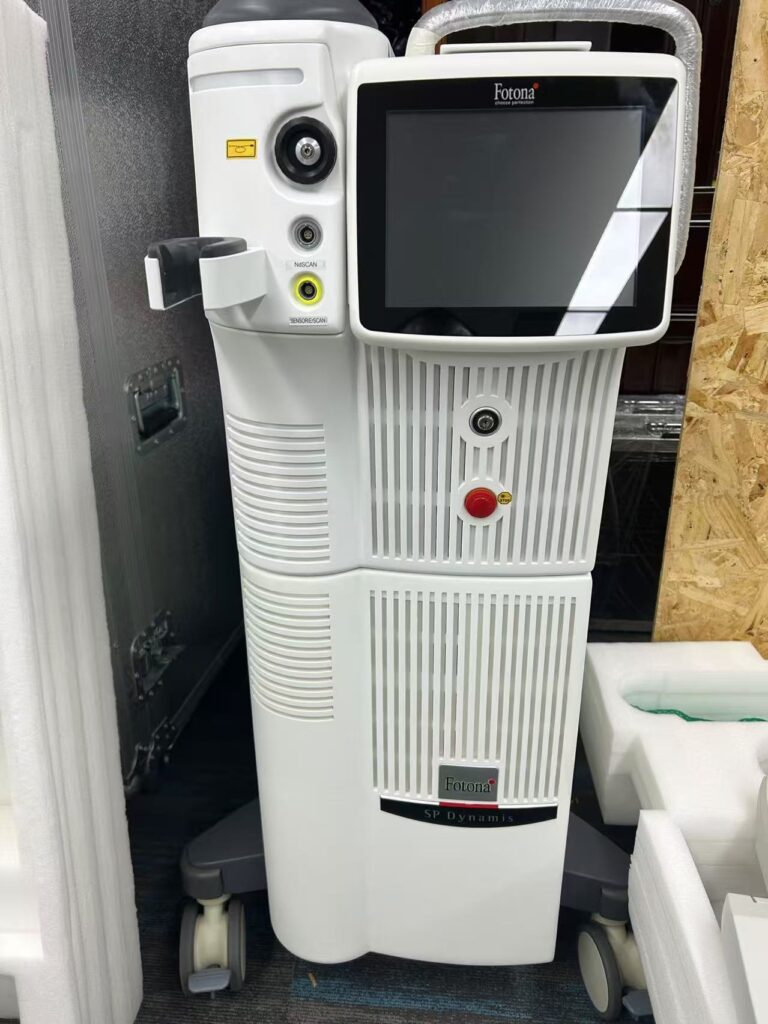
Sourcing quality-controlled disposable supplies for aesthetic practitioners is now a critical strategic decision that directly affects patient safety, treatment outcomes, regulatory compliance, and profitability. Done well, your consumables strategy becomes a competitive advantage, not just a cost line.
Why Quality-Controlled Disposable Supplies Matter in Aesthetic Medicine
In modern aesthetic clinics, single-use consumables like needles, syringes, cannulas, gloves, masks, gowns, drapes, gauze, applicators, and sharps containers form the frontline of infection prevention and cross-contamination control. Disposables significantly reduce the risk of healthcare-associated infections by eliminating reprocessing errors and hidden bioburden on reusable items.
For injectable treatments, poor-quality or non-compliant disposables can cause product leakage, inaccurate dosing, microtrauma, higher bruising rates, or device breakage under pressure. For skin treatments, low-grade disposables increase the likelihood of irritation, allergic reactions, and post-procedure complications. In a field where patient expectations are high and reputational damage spreads quickly through online reviews, using proven, quality-controlled disposable medical supplies is a non-negotiable foundation.
Understanding the Regulatory and Safety Framework for Disposable Supplies
To source correctly, aesthetic practitioners must understand how regulatory frameworks define and shape quality standards across the disposable supply chain. Medical-grade disposable supplies used for injections or minimally invasive procedures are typically classified as medical devices, which means your needles, syringes, cannulas, and sterile drapes must conform to relevant ISO standards, country-specific medical device regulations, and good manufacturing practices.
Regulation-driven markings and documentation are key selection signals. Look for MDR or FDA device approvals where applicable, clear labeling of sterile versus non-sterile, lot and batch traceability, expiration dates, and certificates of analysis for critical supplies. Infection control guidelines for aesthetic medicine emphasize proper personal protective equipment, appropriate glove selection, safe disposal of sharps and contaminated materials, and the use of sterile single-use items for any procedure that breaches the skin barrier.
This means your procurement policies should be explicitly tied to recognized infection control frameworks, aseptic technique protocols, and national or regional healthcare regulations. When audits or inspections occur, being able to demonstrate that your aesthetic clinic’s consumables are sourced from compliant manufacturers and distributors with documented quality systems becomes a powerful risk mitigator.
Core Categories of Disposable Supplies for Aesthetic Practitioners
A structured approach starts by segmenting disposable supplies into clinical categories aligned to their risk level and intended use. High-risk critical and semi-critical products include hypodermic needles, dermal filler syringes, cannulas, microcannulas, micro-needling cartridges, IV lines, and sterile drapes used near sterile tissue or open skin. These require the strictest quality controls, validated sterilization, tamper-evident packaging, and robust batch-level documentation.
Intermediate consumables include non-sterile nitrile exam gloves, masks, eye protection, disposable gowns, hair covers, shoe covers, headbands, and absorbent pads used for barrier protection and hygiene during facial treatments, laser procedures, and body contouring sessions. Lower-risk but still important disposable supplies include cotton pads, gauze swabs, tongue depressors, disposable applicators, spatulas, mixing cups, and cosmetic applicators for makeup or skin prep. Weighting your quality expectations by category helps you prioritize premium options where safety and performance matter most, while still controlling costs on lower-risk items.
Building a Clinical-First Sourcing Strategy for Aesthetic Consumables
A clinical-first sourcing strategy starts with your treatment menu, not with a catalog. Map every aesthetic procedure you offer—neuromodulators, dermal fillers, biostimulators, PRP, PDO threads, laser resurfacing, chemical peels, microneedling, hair restoration, body contouring, energy-based devices—and then build standardized disposable kits around each pathway. For each treatment, define the exact needles, syringes, cannulas, gauze, prep pads, gloves, masks, drapes, and post-care disposables required.
From there, work backward into procurement. Choose suppliers that can reliably meet your clinical specifications for gauge sizes, needle lengths, cannula flexibility, syringe dead space volume, tip design, and packaging configuration. Use product evaluations and clinician feedback to refine your standard kits, then lock them into your ordering system so that staff don’t improvise with non-validated alternatives. This process turns sourcing quality-controlled disposable supplies into an integrated part of your clinical governance framework.
Key Quality Criteria When Evaluating Disposable Medical Supplies
When you evaluate potential disposable products, focus on both objective quality markers and real-world performance. Objective criteria include compliance with medical device regulations, validated sterilization processes, lot traceability, packaging integrity, and conformance to relevant ISO standards. Product literature should clearly state whether devices are single-use, sterile or non-sterile, latex-free, powder-free, and for which applications they were designed.
Performance criteria come from hands-on use. For needles, assess penetration smoothness, bevel sharpness, resistance to bending, flow characteristics, and color-coded gauge accuracy. For syringes, evaluate plunger glide, dead space, luer connection security, and compatibility with the viscosity of your injectables. For gloves, focus on barrier protection level, tear resistance, tactile sensitivity, fit, and skin compatibility. For gowns and drapes, check fluid resistance, breathability, sizing, and the ease of creating a stable sterile field. Build structured evaluation forms so your practitioners can rate new consumables consistently before you integrate them into routine use.
Infection Control and Aseptic Technique as Sourcing Drivers
Infection control should not be an afterthought when sourcing aesthetic disposable supplies; it should be the main driver. Every product decision should be anchored in how that item supports aseptic technique, reduces cross-contamination, and enhances environmental hygiene. This includes choosing disposable items for any step that is difficult to reprocess reliably, prioritizing single-use components for invasive procedures, and standardizing high-quality PPE to protect both patients and staff.
Align your procurement decisions with your infection control policies. If your protocol requires sterile nitrile gloves for certain injectable aesthetic treatments, your base supply agreements must guarantee uninterrupted access to those specific gloves, not just “equivalent” substitutions. If guidelines recommend avoiding certain glove materials for clinical use, make sure those products are not present in any treatment room to prevent accidental misuse. By integrating infection prevention principles into your buying criteria, you transform consumable selection into a tangible component of patient safety.
Top Disposable Products for Aesthetic Clinics
Below is an example framework of priority disposable products and how to evaluate them for aesthetic practice use.
| Product Type | Key Advantages for Aesthetics | Typical Clinical Use Cases |
|---|---|---|
| Nitrile exam gloves (powder-free) | Strong barrier, low allergy risk, good tactile feel | Injectables, peels, laser, minor procedures |
| Sterile injection needles | Precision gauge options, consistent bevel quality | Neuromodulators, dermal fillers, PRP |
| Blunt-tip cannulas | Reduced bruising, smoother product distribution | Filler contouring, biostimulators, volumization |
| Low dead-space syringes | Accurate dosing, less product waste | High-cost filler and toxin injections |
| Sterile gauze and swabs | Reliable absorption and wound contact | Bleeding control, post-injection clean-up |
| Antiseptic prep pads | Standardized skin preparation, microbial reduction | Before injections, microneedling, PRP |
| Fluid-resistant drapes and covers | Maintain clean field, protect equipment | Laser, RF, body contouring, minor surgical |
| Disposable applicators and spatulas | Hygienic product handling, no double-dipping | Peels, masks, topical anesthetic, skincare |
| Sharps containers and clinical waste bags | Safe disposal, regulatory compliance | Needles, scalpel blades, contaminated waste |
Use tables like this internally to prioritize evaluation effort, allocate budget, and standardize stock lists across multi-room aesthetic clinics or multi-location groups.
Setting Up Vendor Selection Criteria for Aesthetic Consumables
Vendor selection for disposable supplies in medical aesthetics must extend beyond price and availability. Look for partners with transparent quality systems, documented sourcing from certified manufacturers, and a clear focus on healthcare or cosmetic medicine rather than generic retail. Ask for quality certificates, audit reports, and details on how they manage recalls, batch tracking, and product changes.
Evaluate vendors on lead times, order accuracy, packing quality, and responsiveness when issues arise. For aesthetic practitioners, consistency matters greatly: you want each batch of needles or cannulas to feel identical so injection techniques remain reliable. Consider whether a supplier offers sample programs, clinical evaluations, and education around new products so your team can test before committing. Strong vendor partnerships can unlock better pricing, improved MOQs, and priority access during supply chain disruptions.
Building a Competitor Comparison Matrix for Suppliers
An internal competitor comparison matrix helps you objectively grade potential suppliers of quality-controlled disposable supplies for aesthetic practitioners. Capture critical dimensions in a structured table.
| Supplier | Regulatory Compliance | Product Range Fit | Pricing and Terms | Reliability and Lead Time | Support and Education |
|---|---|---|---|---|---|
| Supplier A | Strong documentation, device registrations | Excellent coverage of injectables and PPE | Mid-high price, flexible contracts | Very reliable, short lead times | Offers training resources and samples |
| Supplier B | Limited visibility into QA processes | Focused on general medical, fewer aesthetic options | Lower price, rigid terms | Variable reliability, backorders frequent | Minimal clinical support |
| Supplier C | Well-documented QA, audits possible | Broad aesthetic-specific range including niche items | Competitive, tiered discounts | Consistent performance, good forecasting | Dedicated account management and onboarding |
This approach allows practice owners, medical directors, and procurement managers to weigh trade-offs consciously rather than defaulting to whichever invoice is cheapest. In aesthetic medicine, the hidden cost of low-quality or unreliable disposable supplies can far exceed the savings gained on unit price.
How Procurement Technology and Inventory Systems Improve Disposable Quality
Modern healthcare procurement strategies increasingly rely on technology to optimize ordering, track usage, and prevent stockouts of critical disposable supplies. For aesthetic clinics, even simple inventory management tools can transform how you control quality. Digital systems can track batch numbers, expiration dates, and consumption per treatment type, enabling you to phase out underperforming products quickly and identify abnormal usage patterns that might indicate waste or misuse.
Electronic catalogs tied to standardized treatment kits help staff order the correct items every time, reducing the risk that non-approved supplies enter clinical use. Automated reordering based on par levels and consumption data keeps your shelves stocked with quality-controlled items without resorting to emergency purchases from unknown vendors. Over time, inventory analytics reveal which products deliver the most value, where substitution risk exists, and how to balance cost versus quality without compromising safety.
Company Background: ALLWILL in the Context of Equipment and Consumables
ALLWILL is redefining B2B medical aesthetics by focusing on innovation, trust, and efficiency in how clinics source, maintain, and upgrade their equipment. While your disposable supply strategy keeps each treatment safe and consistent, ALLWILL’s Smart Center, vendor management tools, and inventory platforms ensure that the devices behind those treatments are inspected, serviced, and selected with the same level of rigor, giving practitioners a comprehensive ecosystem for quality care.
Real Clinic Scenarios: ROI on High-Quality Disposable Supplies
Real-world data from aesthetic practices consistently show that investing in quality-controlled disposable supplies yields measurable returns. One multi-room injectable clinic that switched to premium low dead-space syringes and sharp, high-spec needles for neuromodulators and dermal fillers reported a reduction in product waste per treatment and fewer complaints about injection discomfort. Over a year, decreased wastage of high-cost injectables combined with improved retention of satisfied patients more than offset the slightly higher consumable spend.
In another example, a laser and skin clinic that standardized on better fluid-resistant gowns, drapes, and nitrile gloves across all energy-based treatments saw fewer post-procedure complications and a decrease in staff sick days linked to minor occupational exposure. They also reported faster room turnover due to more efficient drape changes and simplified clean-up. When clinics track these operational and clinical metrics carefully, the ROI of quality-focused disposable sourcing becomes clear: fewer complications, higher patient trust, stronger reviews, better staff morale, and more predictable profit margins.
Best Practices for Implementing a Quality-Controlled Disposable Supply Policy
To translate intent into action, aesthetic practitioners should implement a formal disposable supply policy. Start by defining clinical and regulatory requirements for each product category, then codify acceptable brands, specifications, and vendors in a master formulary. Include guidance on storage conditions, handling, rotation by expiration date, and documentation requirements such as recording lot numbers for certain high-risk devices used in injectable treatments.
Train your team on product selection, correct use, and disposal. Make sure they understand which items are strictly single-use and why reusing “just once more” is unacceptable. Conduct periodic audits of treatment rooms to ensure only approved, quality-controlled disposable supplies are present and that opened items are not being stored in ways that compromise sterility. Incorporate feedback loops so practitioners can report issues with specific products and prompt re-evaluation when needed. Over time, this policy-driven approach yields a safer, more consistent patient experience and a more efficient clinic workflow.
Supplier Audits, Documentation, and Traceability
As your aesthetic clinic grows, you gain leverage to expect more from suppliers of disposable medical supplies. Periodic supplier audits, whether on-site visits or structured quality questionnaires, help confirm that your partners maintain robust quality systems. Request documentation about how they qualify their manufacturers, conduct incoming inspections, manage storage conditions, and handle recalls or nonconforming material.
Traceability is particularly important for injection-related consumables and any product that contacts broken skin. Ensure you can trace a specific batch of needles, cannulas, or syringes from manufacturer to patient record if a problem is discovered. This level of traceability often requires coordination between your vendor’s systems and your own inventory records, but it pays dividends when something unexpected occurs, allowing rapid, targeted responses instead of broad, disruptive product withdrawals.
Balancing Cost Efficiency with Quality and Risk Management
Cost pressures are real in medical aesthetics, but focusing solely on price per unit for disposable supplies can lead to higher overall risk and lower profitability. A more sophisticated approach is to evaluate the total cost of ownership for each category of consumables. A slightly more expensive needle that delivers smoother injections, fewer patient complaints, less bruising, and reduced product waste may deliver a better financial outcome than a cheaper alternative that undermines patient satisfaction and requires more corrective work.
Quantify hidden costs such as revisits to address complications, staff time spent managing product failures, negative reviews, and the opportunity cost of treatment time lost to rework. When aesthetic practitioners weigh these factors, they can make disciplined procurement decisions that keep their clinics competitive while upholding strong standards of patient care and safety. Quality-controlled disposable supplies should be seen as a strategic investment in clinical excellence rather than a commoditized expense.
Future Trends in Disposable Supplies for Aesthetic Practitioners
Looking ahead, the disposable supplies market in aesthetics is evolving across several dimensions. Expect to see more pre-assembled sterile kits tailored to specific procedures, combining needles, syringes, gauze, drapes, and prep products in a single package to simplify workflow and standardize care. Manufacturers are also refining low dead-space syringe designs and cannula innovations to support more precise and comfortable injection techniques.
Sustainability is another growing trend. While single-use medical disposables are essential for infection control, aesthetic clinics are beginning to prioritize environmentally conscious options where feasible, such as recyclable packaging, lower-impact materials, and optimized kit design that reduces unnecessary components. Digital tools will continue to integrate clinical protocols with inventory management, providing real-time dashboards for consumption, waste, and cost per procedure, enabling practitioners to fine-tune their sourcing strategy continually.
Practical Steps to Strengthen Your Disposable Sourcing Today
To improve how you source quality-controlled disposable supplies for aesthetic practitioners, begin by mapping your current consumables against your procedures, reviewing regulatory and infection control requirements, and identifying any gaps where non-medical or non-compliant products may have slipped into use. Engage your team to gather feedback on pain points with existing supplies, from glove fit to needle performance to drape handling.
Then, streamline your supplier base to a curated set of partners that can support consistent quality, responsive service, and transparency. Use comparison matrices, pilot evaluations, and data from your own practice to refine product selections and purchase volumes. Finally, embed your new standards into written policies, training programs, and inventory systems so improvements persist long term.
Three-Level Conversion Funnel: From Insight to Action
Awareness-level action: Start by reviewing your current disposable inventory and identifying which items directly impact patient safety, injection precision, and infection control in your aesthetic clinic. Use this assessment to build internal awareness that these products are strategic, not generic.
Consideration-level action: Shortlist a small number of specialized suppliers that focus on healthcare or aesthetic markets and request product samples, technical data, and quality documentation. Involve your clinical team in structured trials so the practitioners who use these supplies daily can compare performance.
Decision-level action: Select preferred vendors and formalize a standardized formulary of approved disposable supplies aligned with your procedures and protocols. Integrate these choices into your ordering, training, and quality systems so every treatment delivered in your clinic is backed by rigorously sourced, quality-controlled disposables that support safe, predictable, and satisfying aesthetic outcomes.
Related articles
 High-Reliability Disposable Components in Daily Clinical UseDISPOSABLES – GENERAL
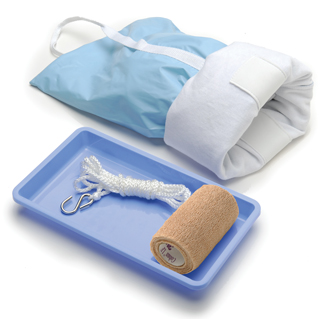 How Can Medical Aesthetics Disposables Boost Workflow Efficiency?DISPOSABLES – GENERAL
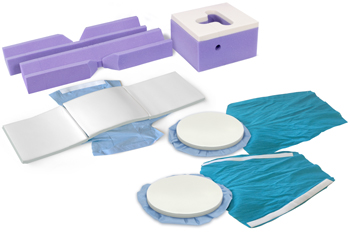 Why Choose Sterile-Packaged Single-Use Medical Accessories for Infection Control and EfficiencyDISPOSABLES – GENERALSingle-Use Probes and Energy Delivery Accuracy in Modern Medical AestheticsDISPOSABLES – GENERAL