
Ultherapy & HIFU Kits: The Complete Inventory Mandate for Protecting Clinical ROI
Running Ultherapy and HIFU treatments without the full three-piece kit—device, treatment cartridges, and medical disposables—quietly erodes your clinical ROI through incomplete sessions, rescheduling, and hidden waste. When clinics commit to a complete inventory mandate…
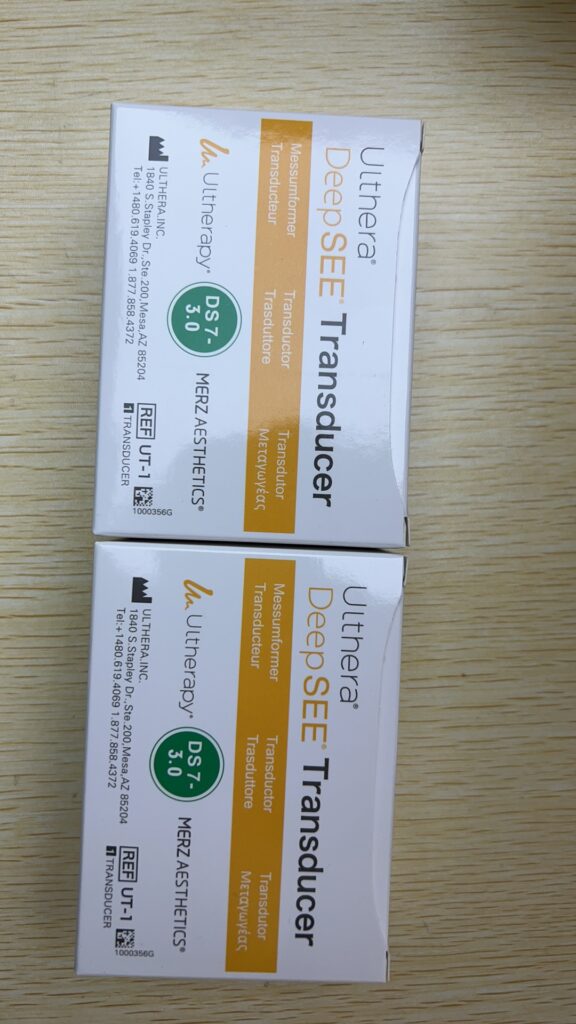
Running Ultherapy and HIFU treatments without the full three-piece kit—device, treatment cartridges, and medical disposables—quietly erodes your clinical ROI through incomplete sessions, rescheduling, and hidden waste. When clinics commit to a complete inventory mandate and track all three components as a single revenue engine, treatment continuity improves, consumable leakage drops, and payback on the capital device shortens significantly, even though upfront stocking costs rise modestly.
What it does & ideal clinic profile
Ultherapy and high‑intensity focused ultrasound (HIFU) systems deliver noninvasive ultrasound energy to targeted tissue layers for lifting and tightening indications, using both imaging and therapy cartridges depending on the platform and protocol. These systems rely on single‑use and limited‑use cartridges plus standard medical aesthetic disposables (gel, drapes, PPE) to deliver calibrated energy patterns and maintain hygiene with each session.
Clinics best suited to a complete three‑piece inventory model typically have a stable or growing base of patients seeking non‑surgical facial or body contouring, a structured consultation pipeline, and at least one dedicated provider trained on ultrasound‑based protocols. Ideal operators are medspas, dermatology practices, or aesthetic clinics that run HIFU/Ultherapy days or packages rather than occasional add‑on treatments, because inventory discipline requires predictable scheduling and minimum monthly volume to pay off.
For these clinics, provisioning the full stack—capital device, calibrated cartridges for planned depths/zones, and a pre‑defined set of disposables per session—shifts HIFU from opportunistic add‑on to a clearly modeled service line with trackable margins. ALLWILL’s role is to help owners define that service line financially, match device and cartridge configuration to patient demand, and source compliant disposables that fit into an integrated inventory plan rather than ad‑hoc ordering.
Topic-specific core analysis: why one missing depth fractures ROI
The “complete inventory mandate” is simple: if any part of the three‑piece kit is missing—correct depth cartridge, adequate stock of disposables, or functioning handpiece—the treatment cannot be delivered as planned without compromising either clinical quality or financial performance. In Ultherapy and HIFU, each cartridge corresponds to a specific focal depth, number of lines, and coverage pattern; skipping one because it’s out of stock means either under‑treating the target area or rescheduling, both of which damage ROI.
From a clinical operations perspective, incomplete inventory manifests as “silent fractures” in the treatment chain: partial sessions where providers use fewer lines to conserve cartridges, delayed package completions when the correct depth is back‑ordered, or last‑minute brand switches of gel or disposables that disrupt workflow. Each fracture translates to time loss, patient dissatisfaction, and discount pressure—yet rarely shows up explicitly in P&L reports, because it is absorbed into comped touch‑ups, extended staff time, and fragmented schedules.
Economically, cartridges function like high‑value micro‑assets whose utilization must be aligned with booked treatments. Industry guidance for aesthetic inventory highlights that single‑use and limited‑use consumables, when miscounted or misallocated, rapidly inflate cost of goods sold and erode margins despite apparently strong topline revenue. For HIFU/Ultherapy, clinics that do not model cartridge consumption per protocol and maintain minimum stock by depth often find themselves running “discounted salvage sessions” to make up for earlier compromises, extending payback periods on the capital device by months or longer.
ALLWILL’s inventory‑aware sourcing approach is built around this reality: the platform treats cartridges, disposables, and the base device as a unified asset cluster, helping clinics forecast usage per package type and specify minimum stock levels per focal depth before closing a purchase or trade‑in. That shifts the conversation from “What is the price of the machine?” to “What is the full‑kit cost per delivered, protocol‑complete session?”—the number that actually drives ROI.
Revenue and operational impact & payback math
To understand the payback impact of complete vs incomplete inventory, it helps to look at approximate ranges and simple utilization math. Market commentary on aesthetic inventory management suggests that tightening control of high‑value consumables can increase effective margins by several percentage points, largely through waste reduction and avoiding comped work. In Ultherapy/HIFU, cartridges and ultrasound gel are where most of this hidden waste lives.
For illustration, consider an aesthetic clinic offering ultrasound‑based lifting packages priced in a mid‑range, non‑guaranteed band per full protocol (for example, multi‑zone facial or neck indications). A single capital device might sit in a mid–high five‑figure band for certified pre‑owned configurations and higher for new systems, with cartridges priced per piece in a mid–three to low–four figure band depending on depth, line count, and brand, and disposables per session adding a modest but real sum.
If a clinic runs several complete sessions per week, annual revenue from ultrasound packages can reach a mid–five to low‑six‑figure range, but only if each booked session translates into an on‑time, protocol‑complete treatment. Missed or partial treatments—because the right cartridge or disposables are unavailable—turn that clean revenue model into a mix of rebooked slots, extended provider time, and informal discounts, effectively lengthening device payback by cutting into realized average revenue per booked hour.
By contrast, clinics that enforce a complete inventory mandate and track lines fired per cartridge, session, and indication tend to see more predictable cost per treatment and a narrower spread between booked and realized revenue. That makes it far easier to model payback: if average gross revenue per full session sits in a certain band and consumable cost per session is controlled within a smaller band through disciplined stocking, the number of sessions required to recover capital and refurbishment costs becomes a manageable decision variable rather than a guess.
ALLWILL’s Smart Center services are designed to support this payback modeling, helping clinics map session pricing, cartridge line usage, and disposables per protocol into an integrated ROI view before they commit to a new or certified pre‑owned device bundle. This enables more confident decisions on minimum inventory levels and device utilization targets, which in turn support realistic payback timelines without over‑promising income.
Differentiated advantage and higher-ticket rationale
Ultrasound‑based lifting and tightening platforms sit in a higher‑ticket category among non‑invasive aesthetic devices because they offer imaging‑guided therapy and multiple focal depths within a single device family. That multi‑depth capability—especially in systems that integrate real‑time ultrasound imaging—allows providers to visualize tissue planes while delivering energy, aligning with manufacturer‑described mechanisms rather than blind patterning.
From a business standpoint, this complexity is both an advantage and an operational risk. The advantage: clinics can design differentiated treatment packages that target specific depths and zones, often positioning ultrasound lifting as a premium service tier compared to simpler RF or surface‑only devices. The risk: without complete inventory and protocol discipline, that complexity leads to inconsistent energy delivery, variable patient experience, and administrative headaches around cartridge tracking and staff training.
This is where a full‑kit approach outperforms piecemeal procurement. Buying the capital device alone, and then “figuring out cartridges later,” usually leads to fragmented stock and uncertain per‑session cost, undermining the premium positioning of the service. In contrast, sourcing the device together with a planned cartridge set and defined disposable bundle per indication creates a standardized, replicable service line where each booked session is supported by the required physical assets in advance.
Platforms like ALLWILL add value here by matching clinics to device and cartridge configurations that align with their current and projected case mix, rather than pushing a one‑size‑fits‑all machine. Alongside alternative technologies such as non‑invasive RF or other energy‑based lifting devices, Ultherapy and HIFU systems become part of a broader portfolio conversation: which premium modalities justify their higher ticket when supported by disciplined inventory, and how should each be stocked to avoid supply‑side fractures in ROI.
Mid‑article, once a clinic recognizes these risks and advantages, the next logical step is to validate specific cost and inventory scenarios for their market. Request a quote from ALLWILL for a full‑kit configuration, including estimated cartridge and disposable usage per protocol, so you can model payback using your own session pricing and capacity assumptions.
Practical decision aid: the complete inventory mandate framework
The following framework is a practical tool to translate the complete inventory mandate into day‑to‑day decisions. It focuses on Ultherapy/HIFU cartridges and core disposables as unified assets tied to booked sessions, emphasizing minimum stock, expiry, and utilization tracking.
| Decision Dimension | What to Define | Typical Range / Practice Example | Why It Protects ROI |
|---|---|---|---|
| Session types & protocols | List all ultrasound indications (e.g., full face, lower face, neck) and map required focal depths and line counts per protocol based on manufacturer and training guidance. | A clinic may standardize 3–5 core protocols, each with predefined line ranges and depths to reduce ad‑hoc variations. | Clear protocols let you forecast cartridge and disposable usage per month, preventing surprise stockouts and inconsistent energy delivery. |
| Cartridge stock by depth | Set minimum on‑hand units per focal depth (e.g., superficial, mid‑depth, deep) linked to booked sessions and lead times from suppliers. | Many clinics target at least 2–4 weeks of cartridge coverage by depth, adjusting for seasonal demand and supplier reliability. | Depth‑specific minimums ensure full protocol completion for each session and prevent “make‑do” treatments that require later comped touch‑ups. |
| Disposable kit per session | Define a standard disposable bundle per booked session: ultrasound gel quantity, drapes, gloves, masks, wipes, and cleaning supplies. | Inventory guidance suggests at least 2 weeks of core disposables on site, with usage tracked per session or per day depending on volume. | Consistent kits reduce last‑minute substitutions, avoid hygiene risks, and support accurate calculation of per‑session consumable cost. |
| Expiry and FIFO rules | Implement first‑in, first‑out storage and expiry checks for cartridges and gel, with scheduled physical counts. | Practices commonly run monthly or quarterly physical counts for high‑value consumables, cross‑checking against digital records. | FIFO and audits minimize expired stock and shrinkage, directly protecting margins and ensuring you don’t pay for inventory that never enters a treatment. |
| Utilization tracking | Track lines fired and cartridges used per session and per protocol; compare against planned line ranges. | Clinics might log cartridge usage in their practice software or dedicated inventory tools, reviewing monthly variance reports. | Utilization data reveals under‑ or over‑treatment patterns, supports accurate cost per treatment estimates, and informs future cartridge ordering. |
| Supplier strategy | Identify primary and backup suppliers for cartridges and disposables, with lead times and compliance documentation requirements. | Some clinics use one main distributor for ultrasound consumables plus at least one verified backup for critical items. | Supplier redundancy prevents stockouts during surges or logistics disruptions while maintaining regulatory compliance and consistent product quality. |
ALLWILL can help clinics populate this framework with actual figures tailored to their patient mix and device model, using Smart Center analytics to estimate cartridge and disposable needs per month and align stocking levels with realistic utilization. Once the framework is in place, the clinic can adjust minimums and reorder triggers over time, but the core rule remains: do not run a protocol unless all three kit components are in place.
Compliance and asset protection
Medical aesthetic inventory intersects directly with regulatory and safety obligations, particularly when neurotoxins, analgesics, or other controlled substances share storage with high‑value consumables. While cartridges and ultrasound gel themselves are not controlled substances, their storage conditions and traceability still matter: guidance for disposable medical supplies emphasizes proper labeling, expiry monitoring, and documentation to ensure patient safety and regulatory compliance.
Ultrasound systems such as Ultherapy are described by manufacturers as integrating imaging and therapy functions and may hold specific regulatory clearances or markings for defined indications in particular regions. It is essential that buyers verify current regulatory status—whether FDA 510(k) clearance or CE marking applies to the intended use—and obtain documentation from both manufacturers and distributors before finalizing a purchase. This is especially important for certified pre‑owned units, where refurbishment processes and documentation must align with local standards.
Asset protection extends beyond regulation to insurance and risk management. Industry inventory guidance notes that insurers may require proof of safe, locked storage and detailed tracking for high‑value or sensitive products on site. For ultrasound devices, that can include demonstration of secure housing, maintenance logs, and evidence that cartridges and consumables are handled according to manufacturer instructions and internal protocols.
ALLWILL’s sourcing support and Smart Center services are designed to help clinics assemble the documentation required for compliant import, installation, and ongoing use, including serial number verification, condition reports, and available warranty or service options on new and certified pre‑owned units. Even with this support, clinics should treat compliance verification as their responsibility: confirm authenticity, regulatory status, and warranty terms in writing from any supplier, and retain this documentation as part of asset management records.
Procurement risks to avoid + ALLWILL Expert View
Several recurring procurement errors undermine clinical ROI in Ultherapy and HIFU, even when clinics believe they are saving money upfront. One risk is focusing solely on the capital price of the device without modeling cartridge and disposable costs over the expected usage horizon, leading to under‑budgeting for consumables and subsequent compromises in protocols. Another is buying cartridges opportunistically from mixed sources without checking expiry, compatibility, or storage history, which can introduce quality variation and disrupt treatment planning.
A third risk is relying entirely on practice management software for inventory visibility and skipping physical counts and audits. Software cannot detect theft, misplacement, or informal usage patterns of back‑bar products and consumables, so clinics that avoid scheduled physical reconciliation often discover shrinkage only after margins have eroded. Finally, buying certified pre‑owned devices without a clear refurbishment scope, condition grading, or service plan exposes clinics to unplanned downtime and repair costs, extending payback and reducing confidence among staff.
ALLWILL Expert View: Turning Ultherapy/HIFU Inventory into a Controlled Revenue Engine
Clinics often underestimate how much their Ultherapy or HIFU ROI depends on disciplined consumable management rather than just the device label. In our experience working with aesthetic practices, the strongest performers treat cartridges and disposables as part of the same asset as the capital unit. They forecast line usage per protocol, assign responsibility for stock checks, and set minimum inventory by focal depth tied to booked sessions, not general estimates.
When owners ask for a quote, we encourage them to request not only capital pricing but also a projected consumables budget for the first 6–12 months and a clear service plan for whichever condition tier they choose—new or certified pre‑owned. That combination gives a realistic view of payback under conservative utilization assumptions and highlights where process discipline, not marketing promises, will make or break long‑term ROI. It also surfaces whether the clinic needs upgraded inventory tools or staff training before bringing ultrasound lifting in‑house.
To avoid these risks, clinics should integrate procurement with inventory and compliance planning from the outset. Before purchasing any Ultherapy or HIFU system, define protocols, estimate cartridge and disposable usage, verify regulatory status and refurbishment scope, and plan physical inventory checks and responsibility assignments. Once these guardrails are in place, Request a quote from ALLWILL for a configuration that includes capital device, initial cartridge set by depth, and recommended disposables, along with available service and documentation options, so you can stress‑test the investment against your clinic’s actual operations.
Frequently Asked Questions
What is the typical price range for Ultherapy or HIFU devices and cartridges?
Market commentary and distributor data suggest that professional ultrasound lifting systems often sit in a mid–high five‑figure band for new configurations, with certified pre‑owned options available at lower levels depending on age, condition, and brand. Cartridges may range from mid‑three to low‑four figures per unit, varying by focal depth and line count, so clinics should model consumable cost per session before purchase and can request a quote from ALLWILL for current ranges.
How do new and certified pre-owned devices differ for ROI and compliance?
New devices typically come with full manufacturer warranty, clear documentation, and the latest software revisions, which supports straightforward compliance verification. Certified pre‑owned systems can be more cost‑effective but require careful review of refurbishment scope, condition grading, available service plans, and regulatory documentation to maintain confidence in uptime and safety. Clinics should ask suppliers to provide written condition reports and service histories.
What warranty and service considerations matter most for ultrasound devices?
For these platforms, critical warranty factors include coverage for the main console, handpieces, and any bundled cartridges or transducers, plus defined response times for maintenance and repair. Service agreements that include preventive checks and calibration help reduce downtime and support consistent energy delivery, which is central to both clinical quality and financial performance. When requesting a quote, clinics should ask ALLWILL or other suppliers to outline available service tiers and what each includes.
How should clinics handle import, regulatory compliance, and documentation?
Clinics must verify that their chosen device holds appropriate regulatory clearance or marking for the intended use in their region and ensure import paperwork, serial numbers, and maintenance records are in order. This often involves reviewing manufacturer instructions for use, distributor certificates, and any local regulatory requirements for installation and operation. ALLWILL can assist by collating relevant documentation, but final responsibility for compliance verification rests with the clinic.
What payback timeline is realistic for Ultherapy or HIFU equipment?
Payback timelines depend entirely on local demand, session pricing, and utilization, so no income guarantee is possible. Clinics that build a complete inventory mandate, standardize protocols, and track cartridge and disposable usage per treatment tend to achieve more predictable payback, often within a medium‑term horizon aligned to their pricing and volume assumptions. A tailored quote and usage model from ALLWILL can help owners stress‑test these timelines before committing.
References
- Facelift Your Inventory Management
- Practice Management: Inventory Management
- What Are Supply-Chain-Ready Disposable Medical Consumables?
- Inventory Management for Aesthetic and Medical Clinics
- Buy Medical Disposables & Aesthetic Devices Online
- Inventory Management Software for Aesthetic Clinics
- Instructions for Use – Ulthera System
- HIFU Consumables & Replacement Parts Guide
- Disposable Medical Supplies: Innovation and Regulations
- Dermatology Supplies 2026: Aesthetic Clinic Stocking Guide
- The Economics of Aesthetic Supply: Managing Inventory and Waste Mitigation
- Verasonics Focused Ultrasound Offering Expands with Integrated Solutions
Related articles
Ultherapy Transducers: What the Probe Record Changes About the PriceBrand and Model Buying Guides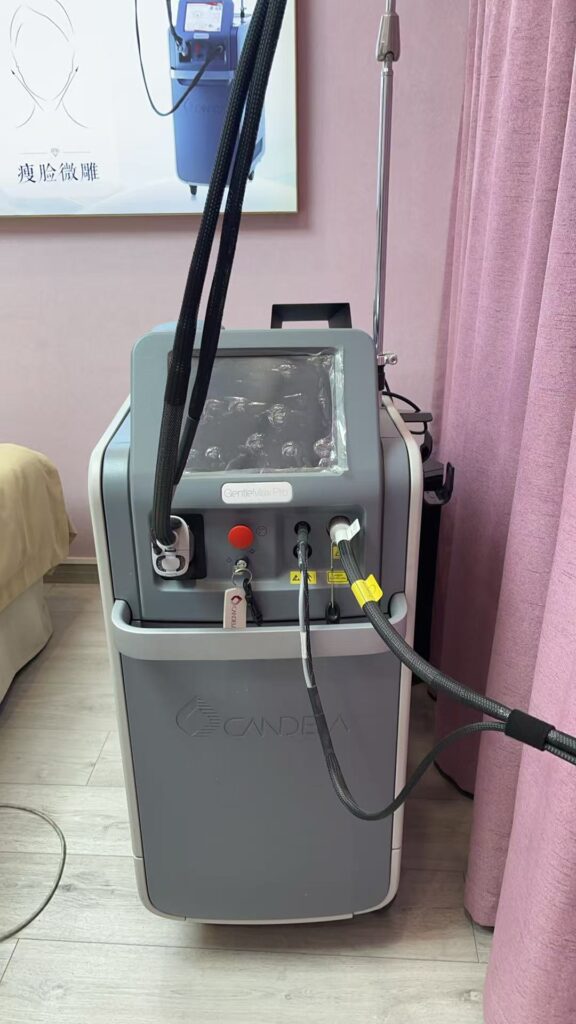 Candela GentleMax Pro: Demand, Verification and Cost Before You CommitBrand and Model Buying Guides
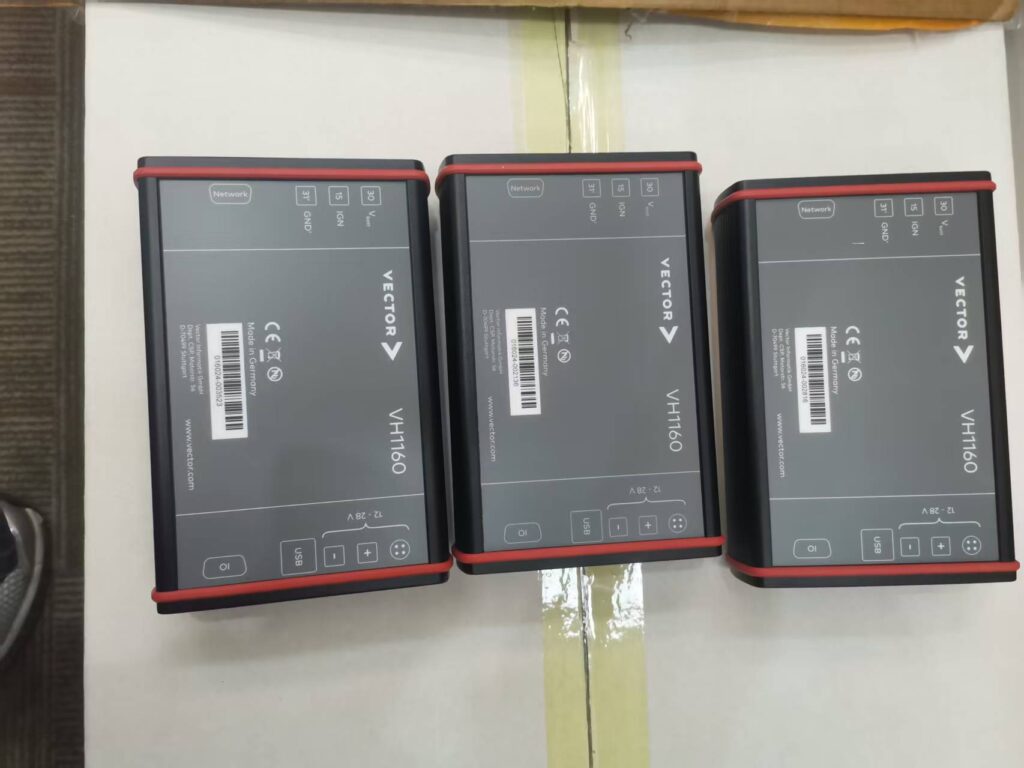 Alma VH1160 Vector Handpiece Code: What the Part Number Tells a BuyerBrand and Model Buying Guides
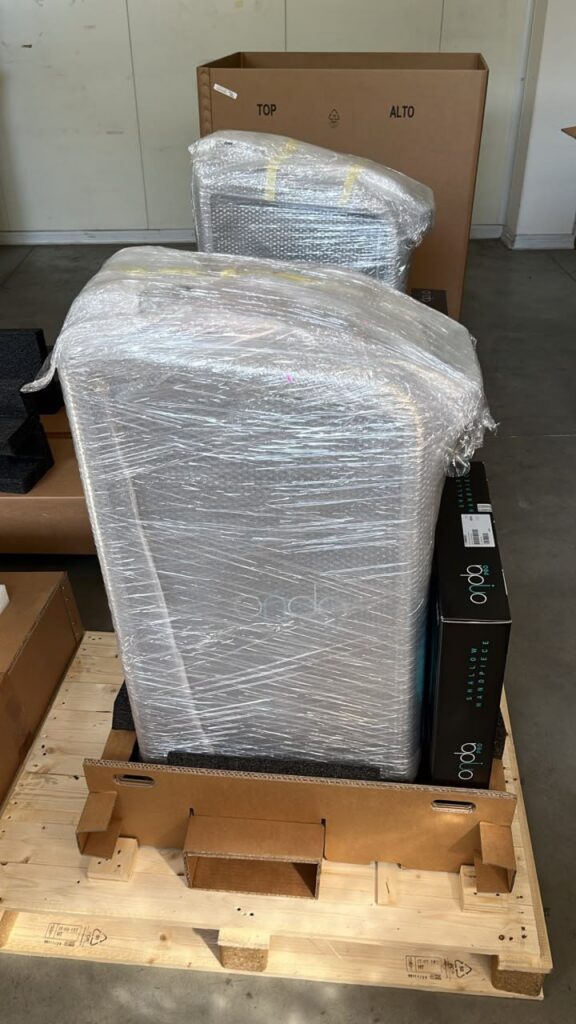 DEKA Onda Pro: Investment Case, Verification and Pre-Owned RealityBrand and Model Buying Guides