
How Do Engineering-Grade Repair Systems Reduce Aesthetic Device Downtime?
Engineering-grade repair systems minimize aesthetic device downtime by implementing preventive maintenance schedules, rapid-response technician networks, and calibrated handpiece refurbishment protocols. Clinics that adopt structured maintenance SOPs and partner with certified B2B repair services typically…
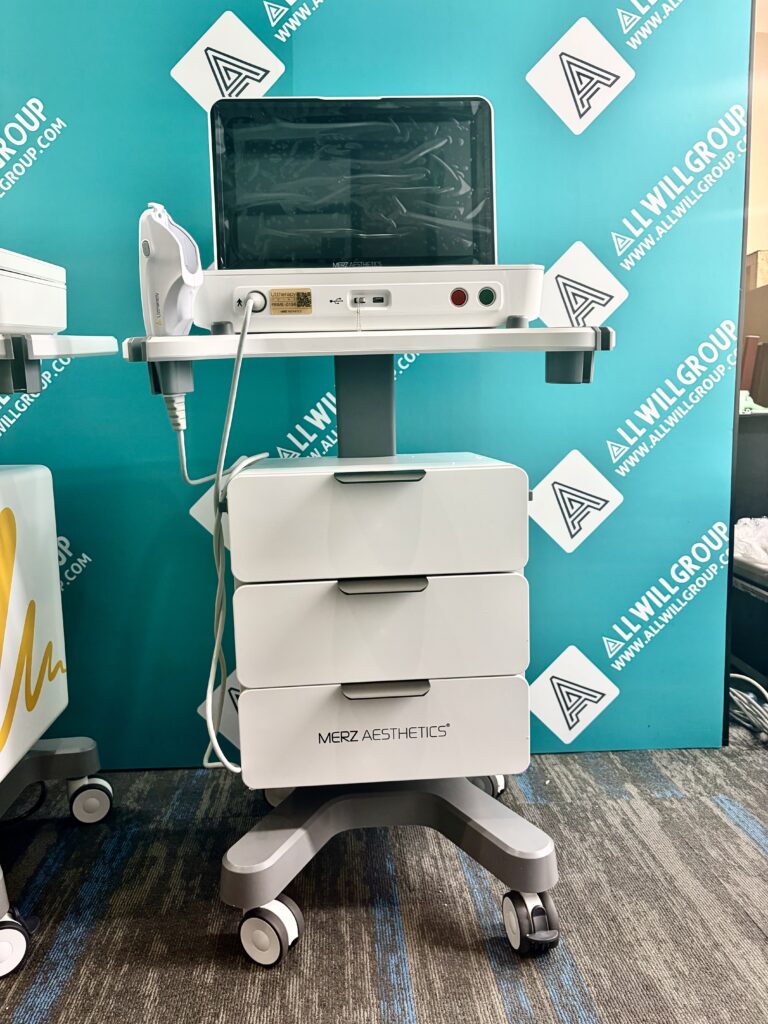
Engineering-grade repair systems minimize aesthetic device downtime by implementing preventive maintenance schedules, rapid-response technician networks, and calibrated handpiece refurbishment protocols. Clinics that adopt structured maintenance SOPs and partner with certified B2B repair services typically reduce unplanned outages by 40–60%, preserving revenue continuity and extending device lifespan.
What Are the Core Components of an Engineering-Grade Aesthetic Device Repair System?
Core components include preventive maintenance schedules, calibrated diagnostic tools, certified technician networks, and rapid-response logistics for parts and handpiece refurbishment. These elements work together to minimize unplanned downtime and ensure consistent device performance.
An engineering-grade repair system for aesthetic devices is built on four foundational pillars:
Preventive Maintenance Protocols: Structured daily, weekly, monthly, and annual tasks that address hygiene, optical alignment, energy calibration, and cooling system integrity. High-volume clinics (40+ treatments/week) should service lasers every 6 months, while moderate-use facilities can extend to 12 months.
Calibrated Diagnostic Infrastructure: Power meters, fluence testers, thermal imaging cameras, and optical alignment tools that verify device output against manufacturer specifications. Without calibrated diagnostics, clinics risk treating patients with underperforming or unsafe energy levels.
Certified Technician Networks: B2B partnerships with third-party repair providers who employ factory-trained engineers familiar with brands like Alma, Candela, Cynosure, and Lumenis. These technicians can troubleshoot complex issues remotely and deploy onsite within 24–72 hours for critical failures.
Rapid-Response Logistics: Warehoused inventory of critical components (flash lamps, pump chambers, handpiece optics, chiller compressors) and expedited shipping agreements that reduce parts lead time from weeks to days. Some providers offer loaner handpieces to keep clinics operational during refurbishment.
ALLWILL’s Smart Center services integrate these components by connecting clinics with vetted repair partners, providing access to calibrated diagnostic reports, and facilitating rapid parts sourcing for both new and certified pre-owned (CPO) devices. This procurement-grade infrastructure ensures clinics maintain uptime without compromising compliance or clinical quality.
Why Do Preventive Maintenance Intervals Vary by Device Usage?
Preventive maintenance intervals vary by device usage because thermal stress, optical degradation, and mechanical wear accumulate faster in high-volume clinics, requiring more frequent calibration and component replacement to maintain performance.
Usage-based service intervals are critical for balancing uptime with cost efficiency:
High-Volume Clinics (Daily Use, 40+ Treatments/Week):
- Service Frequency: Every 6 months
- Rationale: Continuous thermal cycling degrades flash lamps, pump chambers, and optical coatings faster. Energy output drift can exceed 10–15% without semi-annual recalibration.
- Key Tasks: Full optical alignment, power meter calibration, chiller efficiency testing, handpiece connector inspection, and replacement of high-wear consumables (O-rings, filters, tubing).
Moderate-Use Clinics (Several Treatments/Week):
- Service Frequency: Every 6–12 months
- Rationale: Intermittent use reduces thermal stress but still requires annual verification of energy consistency and cooling system integrity.
- Key Tasks: Energy output calibration, optical path cleaning, electrical connection checks, and chiller maintenance.
Low-Volume or Seasonal Clinics:
- Service Frequency: Annually
- Rationale: Even with minimal use, internal components age (capacitors degrade, seals dry out), and annual service prevents latent failures.
- Key Tasks: Comprehensive system check, calibration verification, and replacement of aging consumables before they fail mid-treatment.
The 10% Rule: Maintenance tasks should be completed within 10% of their scheduled interval. For example, a monthly calibration should occur within 3 days of the due date. Deviations beyond this window signal the need for adjusted scheduling or additional inspections.
Clinics that ignore usage-based intervals risk unexpected downtime during peak revenue periods. ALLWILL’s expert matching services can help clinics identify repair partners who tailor maintenance schedules to actual usage patterns, optimizing both uptime and total cost of ownership.
How Do Rapid Repair Logistics Minimize Clinic Revenue Loss?
Rapid repair logistics minimize revenue loss by reducing parts lead time from weeks to days, deploying loaner handpieces during refurbishment, and enabling same-day troubleshooting via remote diagnostics. This approach preserves treatment capacity and prevents patient cancellations.
Revenue impact of downtime:
- A single laser system generating $1,500–$3,000/day in treatment revenue can lose $10,000–$20,000+ during a two-week repair delay.
- Handpiece failures are the most common cause of downtime, with refurbishment typically taking 5–10 business days if parts are not warehoused locally.
Logistics strategies that reduce downtime:
Warehoused Critical Components:
- Repair providers with regional inventory of flash lamps, pump chambers, handpiece optics, and chiller compressors can ship parts within 24–48 hours, compared to 2–4 weeks for manufacturer-direct orders.
- Some providers offer loaner handpieces to keep clinics operational while the original unit is refurbished, eliminating treatment cancellations.
Remote Diagnostics and Triage:
- Certified technicians can troubleshoot issues via phone or video call, identifying whether the problem is user-error, consumable replacement, or a major component failure. This reduces unnecessary onsite visits and accelerates parts ordering.
- 24/7 phone support ensures clinics can reach technicians during peak treatment hours, preventing full-day revenue losses.
Onsite vs. Depot Repair:
- Onsite repairs are ideal for complex system failures (power supply, cooling system, software errors) where disassembly or calibration requires specialized tools. Turnaround: 1–3 days.
- Depot repairs (shipping handpieces or modules to a repair center) are cost-effective for optical replacements, lamp swaps, and connector repairs. Turnaround: 5–10 days, faster with expedited shipping.
ALLWILL facilitates rapid repair logistics by connecting clinics with B2B repair partners who maintain regional parts inventory and offer loaner programs. This procurement-grade support ensures clinics maintain uptime without overpaying for manufacturer service contracts.
Which Maintenance Tasks Should Be Prioritized for High-Volume Lasers?
High-volume lasers should prioritize optical path cleaning, energy calibration, cooling system inspection, and handpiece connector integrity checks, as these tasks directly impact treatment consistency and device longevity.
Daily Tasks (Hygiene & High-Wear):
- Clean optical paths: Wipe treatment head windows and internal mirrors with lint-free swabs and approved solvents to prevent energy absorption and hot spots.
- Verify cryogen spray (for cooled lasers): Ensure even distribution and adequate pressure to prevent epidermal injury.
- Inspect airflow and filters: Check for dust accumulation on intake vents and replace pre-filters if clogged.
Weekly Tasks (Performance Stability):
- Inspect handpiece wear: Look for cracks, burn marks, or loose connectors on handpieces and fiber tips. Replace damaged components immediately.
- Test fiber and connector integrity: Use a power meter to verify energy transmission through fibers and handpiece connectors.
- Check chiller water levels and inspect for leaks or corrosion in tubing.
Monthly Tasks (Consistency):
- Calibrate energy output: Use a calibrated power meter to verify fluence accuracy across all treatment modes. Adjust calibration if output drifts beyond ±5% of manufacturer specs.
- Test chiller efficiency: Measure coolant temperature stability and flow rate to ensure consistent thermal management during high-volume treatments.
- Inspect electrical connections: Check for loose terminals, corroded contacts, or frayed cables that could cause intermittent failures.
Quarterly/Bi-Annual Tasks (Comprehensive Service):
- Full optical alignment: Verify beam path alignment using manufacturer-specified tools and procedures.
- Replace high-wear consumables: Flash lamps, pump chambers, O-rings, and filters should be replaced proactively before failure.
- High-voltage calibration: Ensure power supply output matches manufacturer specifications to prevent underperformance or component damage.
Clinics that skip these prioritized tasks risk treatment inconsistency, patient safety issues, and catastrophic device failures. ALLWILL’s Smart Center provides access to maintenance checklists and vetted repair partners who can perform these tasks on schedule, ensuring compliance and device longevity.
What Does a BME Technical Maintenance Checklist for Aesthetic Devices Include?
A BME technical maintenance checklist includes daily optical cleaning, weekly handpiece inspection, monthly energy calibration, quarterly cooling system checks, and annual comprehensive system diagnostics. This structured approach ensures consistent performance and compliance with manufacturer specifications.
BME Technical Maintenance Checklist for Aesthetic Lasers
| Frequency | Task Category | Specific Actions | Tools Required | Acceptance Criteria |
|---|---|---|---|---|
| Daily | Optical Hygiene | Clean treatment head windows, internal mirrors, and fiber tips with lint-free swabs and approved solvents. | Lint-free swabs, isopropyl alcohol (99%), optical cleaning solution | No visible residue, streaks, or scratches on optical surfaces. |
| Daily | Cryogen & Cooling | Verify cryogen spray pattern and pressure; check chiller water levels and flow rate. | Pressure gauge, flow meter, visual inspection | Even spray distribution; water level within manufacturer range; no leaks. |
| Weekly | Handpiece Integrity | Inspect handpieces for cracks, burn marks, loose connectors; test fiber transmission with power meter. | Power meter, visual inspection, magnifying lens | No physical damage; energy transmission within ±5% of baseline. |
| Weekly | Airflow & Filters | Check intake vents for dust; replace pre-filters if clogged; verify fan operation. | Compressed air, replacement filters, visual inspection | Unobstructed airflow; fans operating quietly without vibration. |
| Monthly | Energy Calibration | Measure fluence accuracy across all treatment modes using calibrated power meter; adjust if drift exceeds ±5%. | Calibrated power meter, manufacturer calibration software | Output within ±5% of manufacturer specifications. |
| Monthly | Chiller Efficiency | Measure coolant temperature stability (±0.5°C) and flow rate during simulated treatment cycles. | Thermal probe, flow meter, stopwatch | Temperature stability within ±0.5°C; flow rate matches manufacturer specs. |
| Monthly | Electrical Connections | Inspect terminals, cables, and connectors for corrosion, looseness, or fraying; tighten or replace as needed. | Multimeter, visual inspection, torque wrench | No corrosion; all connections secure; no exposed wiring. |
| Quarterly | Optical Alignment | Verify beam path alignment using manufacturer-specified alignment tools and procedures. | Alignment telescope, beam profiler, manufacturer tools | Beam centered on all apertures; no deviation beyond tolerance. |
| Quarterly | Consumable Replacement | Replace flash lamps, pump chambers, O-rings, and filters proactively based on usage hours. | Replacement parts, torque tools, manufacturer service manual | New components installed; system tested for leaks and performance. |
| Annual | Comprehensive Diagnostics | Full system check: high-voltage calibration, software version update, safety interlock testing, emergency stop verification. | High-voltage probe, software update tools, safety test equipment | All systems within manufacturer specs; safety features functional. |
Recordkeeping Requirements:
- Log all maintenance activities in a digital or paper-based maintenance log with date, technician name, tasks performed, and acceptance criteria results.
- Retain calibration certificates and service reports for compliance audits and warranty claims.
ALLWILL’s Smart Center services provide clinics with access to this checklist format and connect them with B2B repair partners who document all maintenance activities in compliance-ready formats, ensuring asset protection and regulatory adherence.
ALLWILL Expert View: “Clinics often underestimate the revenue impact of unplanned downtime. A single laser system can generate $1,500–$3,000 daily, and a two-week repair delay can cost $10,000–$20,000 in lost treatments. We recommend implementing a structured maintenance checklist with daily, weekly, and monthly tasks, and partnering with a B2B repair provider who offers rapid-response logistics and loaner handpieces. At ALLWILL, our Smart Center connects clinics with vetted technicians who perform calibrated diagnostics and document all maintenance in compliance-ready formats, ensuring uptime without compromising asset protection.”
Which Compliance Risks Arise from Unvetted Repair Providers?
Unvetted repair providers pose compliance risks related to improper calibration, counterfeit parts, inadequate documentation, and voided manufacturer warranties, potentially exposing clinics to regulatory penalties and patient safety issues.
Key compliance risks:
Improper Calibration:
- Technicians without factory training or calibrated diagnostic tools may misalign optical paths or miscalibrate energy output, leading to underperformance or patient injury.
- Clinics are responsible for verifying that repair providers use NIST-traceable power meters and follow manufacturer-specified calibration procedures.
Counterfeit or Grey-Market Parts:
- Unvetted providers may source non-OEM flash lamps, pump chambers, or handpiece optics that fail prematurely or compromise treatment safety.
- Counterfeit parts can void manufacturer warranties and expose clinics to liability if patient harm occurs.
Inadequate Documentation:
- Missing service reports, calibration certificates, or parts traceability documentation can complicate compliance audits and warranty claims.
- Clinics should request detailed maintenance logs including technician credentials, parts serial numbers, and calibration results.
Voided Warranties:
- Manufacturer warranties may be voided if repairs are performed by unauthorized technicians or if non-OEM parts are installed.
- Clinics should verify warranty terms before engaging third-party repair providers, especially for newer devices.
Mitigation strategies:
- Use certified technicians: Partner with B2B repair providers who employ factory-trained engineers and maintain calibration certificates.
- Request documentation: Insist on detailed service reports, parts traceability, and calibration results for every repair.
- Verify parts authenticity: Confirm that replacement components are OEM or certified equivalents with serial number traceability.
ALLWILL facilitates compliance-aware sourcing by connecting clinics with vetted repair partners who provide full documentation, use calibrated diagnostics, and maintain parts traceability, ensuring asset protection and regulatory adherence.
What Procurement Risks Should Clinics Avoid When Sourcing Repair Services?
Clinics should avoid procurement risks such as exclusive service contracts, opaque pricing structures, unverified technician credentials, and lack of parts traceability, all of which can inflate costs and compromise device performance.
Common procurement pitfalls:
Exclusive Service Contracts:
- Manufacturer service agreements often lock clinics into above-market rates with auto-renewal clauses and limited flexibility.
- Third-party providers may offer more competitive pricing and faster response times without voiding warranties (for out-of-warranty devices).
Opaque Pricing Structures:
- Some repair providers bundle diagnostic fees, parts, and labor into a single quote, making it difficult to compare costs or identify markups.
- Request line-item breakdowns for diagnostics, parts, labor, and shipping to ensure transparency.
Unverified Technician Credentials:
- Technicians without factory training or brand-specific certifications may lack the expertise to diagnose complex issues or perform calibrated repairs.
- Verify technician credentials through manufacturer directories or third-party certifications.
Frequently Asked Questions
How long does a typical trade-in transaction take from quote to completion?
The full process — from initial quote request to final credit application — typically takes 2–4 weeks, depending on shipping logistics and inspection schedules. Expedited options may be available for clinics needing faster turnaround.
Can I trade in devices that are not fully functional or have known issues?
Yes, most programs accept devices in non-working condition, though trade-in credit will be reduced to account for reconditioning costs. Be transparent about functionality issues to avoid offer adjustments after inspection.
Do trade-in programs accept devices from any brand?
Most programs accept major brands (Candela, Cynosure, Alma, Lumenis, Sciton, Cutera). Lesser-known or discontinued brands may have limited or no trade-in value due to lower secondary-market demand.
Is there a minimum number of devices required for a trade-in program?
No, most programs accept single-unit trade-ins. However, multi-unit transactions often qualify for volume-based credit enhancements and reduced per-unit logistics fees.
Can trade-in credit be combined with financing or leasing options?
Yes, many providers allow trade-in credit to be used as a down payment toward financed or leased replacement devices, further reducing monthly capital outlay.
Part of the Service, Repair, Parts & Software guide.
Related articles
 Onda Pro Results: What Determines the Outcome in a Working ClinicKnowledge
 A Used Thermage FLX Console Earns Its Price with Verifiable Firmware, Handpiece, and Tip SupplyKnowledge
 How to Compare Quotes for the Same Used Aesthetic Device ModelKnowledge
 Used Medical Aesthetic Device Condition Grades: New, Like-New, Excellent, Working, and PartsKnowledge