
How Can Clinics Diagnose and Address Laser Arcing Safely?
A laser arcing sound or high-voltage error usually indicates an abnormal discharge, insulation breakdown, contaminated high-voltage path, failing power supply, damaged cable, or a problem inside the laser head. Clinics should stop clinical use…
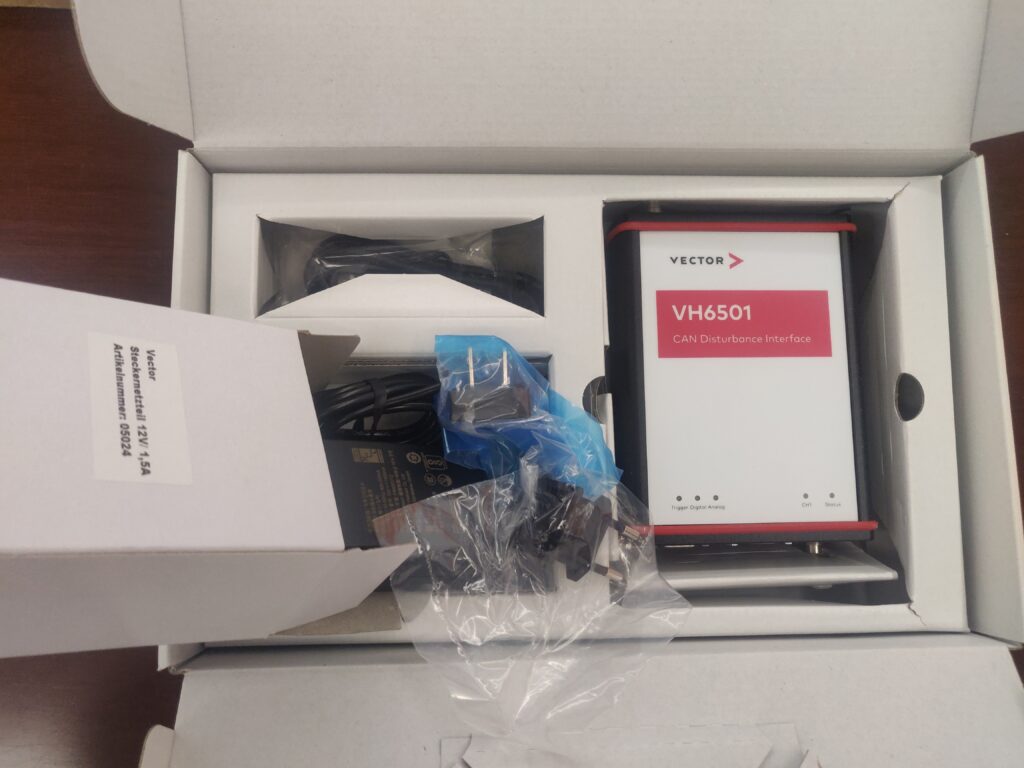
A laser arcing sound or high-voltage error usually indicates an abnormal discharge, insulation breakdown, contaminated high-voltage path, failing power supply, damaged cable, or a problem inside the laser head. Clinics should stop clinical use immediately and have the system assessed by a manufacturer-trained service engineer or qualified biomedical engineer. Replacing Teflon or another insulating component without identifying the underlying fault can cause repeat arcing, equipment damage, fire, or lethal shock.
What Does High-Voltage Arcing Mean Inside a Medical Laser?
High-voltage arcing is an unintended electrical discharge across an insulating gap or along a conductive path. In a medical laser, it can occur in the pulsing chamber, flashlamp or resonator assembly, power-supply section, cable termination, connector, feedthrough, or contaminated surface, depending on the device architecture and pulse energy.
A pulsed laser stores electrical energy and releases it through a controlled discharge. The design depends on insulation, spacing, dielectric materials, grounding, switching components, and carefully controlled charging and triggering. When insulation loses dielectric strength, the electric field can ionize air or create a conductive path through or across a material.
Operators may report:
-
A sharp crack, snap, or repeated popping sound.
-
A visible flash inside the housing or laser head.
-
A high-voltage, charge, pulse, or arc fault message.
-
Failure to reach the expected charge state.
-
Inconsistent pulse delivery or an interrupted treatment.
-
A burnt odor, discoloration, soot, melted polymer, or carbon tracking.
-
Increased error frequency as the device warms.
-
A fault that appears only at higher energy or repetition rates.
The sound alone does not identify the failed component. A power supply may arc because its transformer, capacitor, switch, or insulation is failing. A damaged cable may arc because of abrasion or contamination. A laser head may arc because of a degraded feedthrough, cracked ceramic, damaged PTFE or other polymer insulation, moisture, residue, or an internal alignment problem.
The clinic should treat a repeated arc as a potentially escalating fault, not as a nuisance error to be cleared. Each discharge can leave carbonized tracking or heat damage that lowers the insulation margin and makes a later discharge more likely.
How Should a Clinic Respond to a Laser Arcing Error?
A clinic should stop treatment, remove the device from clinical service, isolate it according to its approved hazardous-energy procedure, and contact qualified service support. Staff should not open the enclosure, probe the high-voltage section, discharge capacitors manually, bypass interlocks, or replace insulation unless specifically trained and authorized for that exact platform.
The immediate response should be controlled and documented:
-
Stop the procedure and place the system in its manufacturer-approved shutdown state.
-
Keep staff and patients away from the device if smoke, heat, odor, or visible damage is present.
-
Apply the facility’s lockout or tagout process when service access is required.
-
Record the exact error, timing, treatment mode, energy setting, repetition rate, and environmental conditions.
-
Photograph external damage only if doing so does not require opening the equipment.
-
Preserve the error log and do not repeatedly restart the device to “see whether it clears.”
-
Notify the medical director, practice manager, LSO where applicable, and service provider.
-
Document whether a patient, operator, or bystander was exposed to light, smoke, heat, or electrical energy.
High-voltage laser systems may retain hazardous stored energy after disconnection. OSHA’s hazardous-energy principles require appropriate isolation, control of residual energy, verification, and trained authorized personnel. The exact process must follow the manufacturer’s service documentation and the clinic’s electrical-safety program.
If the device is under warranty, third-party opening or modification may affect coverage. The clinic should contact the authorized service channel before authorizing an independent repair, unless there is an urgent safety reason requiring emergency intervention.
ALLWILL can help coordinate a service evaluation, condition review, warranty inquiry, or replacement-device discussion when a clinic needs to remove a high-value laser from operation without making an unsupported repair decision.
Which Faults Commonly Cause Arcing in Laser Pulsing Chambers?
Common causes include insulation degradation, contamination, moisture, carbon tracking, damaged feedthroughs, high-voltage cable defects, capacitor or switch failure, incorrect assembly, excessive voltage demand, and internal component aging. The actual fault depends on the laser’s pulse architecture, energy storage design, cooling system, and manufacturer-specific head construction.
A qualified engineer will usually consider several fault domains.
Insulation and dielectric materials
PTFE, ceramic, polymer, epoxy, silicone, and other insulating materials can lose performance through heat, chemical exposure, mechanical stress, contamination, aging, or surface tracking. “Teflon” is often used informally to describe PTFE, but a replacement must match the original material’s electrical, thermal, dimensional, and mechanical requirements.
A visually intact insulator may still fail under operating voltage. Conversely, a visibly discolored component may be a symptom rather than the original cause. Replacing the part without determining why the electric field exceeded its margin can produce a short-lived repair.
Contamination and moisture
Dust, treatment residue, conductive deposits, condensation, and cleaning-fluid migration can reduce surface insulation resistance. Contamination may create a preferential path along a ceramic, polymer, connector, or chamber wall. A device operating in a humid environment may show faults that are intermittent or temperature-dependent.
Cleaning chemicals must never be introduced into a high-voltage assembly unless the manufacturer specifies the product, application method, drying time, and requalification process.
High-voltage cables and terminations
Cable jackets, strain reliefs, connectors, crimp points, and feedthroughs can develop cracks, pinches, tracking, or looseness. Movement during transport or service may damage a termination that previously appeared normal. A cable that arcs to chassis can also damage the power supply or grounding path.
Power-supply and pulse-forming components
A failed capacitor, transformer, switch, trigger circuit, or current-limiting component can create abnormal voltage or current conditions. In that situation, the laser head insulation may be the location where the arc becomes visible, while the power-supply fault remains the root cause.
Thermal and optical stress
Poor cooling, blocked airflow, degraded coolant, or misalignment can raise local temperature and accelerate insulation failure. Optical damage may also create heat or energy deposition near an area not designed to tolerate it. The service engineer should evaluate thermal history and pulse behavior, not only the visibly damaged insulator.
Why Is Replacing Teflon Insulation Not a Complete Repair?
Replacing Teflon or PTFE insulation is not a complete repair unless the engineer verifies the material specification, identifies the initiating fault, inspects related components, and completes the manufacturer-required electrical, functional, and safety tests. The correct replacement may be ceramic, engineered polymer, a molded assembly, or a manufacturer-specific part rather than generic sheet or tubing.
The part must match more than its appearance. Relevant characteristics may include:
-
Dielectric strength and insulation resistance.
-
Creepage and clearance dimensions.
-
Temperature rating and thermal expansion.
-
Mechanical compression and fit.
-
Surface finish and contamination resistance.
-
Compatibility with coolant, cleaning agents, and chamber materials.
-
Flashover and corona behavior.
-
Tolerance, torque, sealing, and alignment requirements.
An improvised repair using tape, generic tubing, adhesive, or an unverified polymer can create a hidden failure mode. It may alter clearances, trap moisture, introduce outgassing, obstruct cooling, or place stress on a ceramic feedthrough.
The engineer should also inspect the surrounding area for carbon tracks. Carbonized paths can remain conductive even after the original contamination is removed. Damaged mating surfaces, terminals, potting compounds, cable insulation, and grounding points may need replacement or approved remediation.
A proper repair record should identify the failed component, suspected cause, parts used, service procedure, test equipment, test results, and release decision. The record should not simply say “insulation replaced.”
What Does High-Voltage Arcing Do to Uptime and Asset Value?
High-voltage arcing can reduce uptime disproportionately because one intermittent fault may cause repeated aborted treatments, service visits, replacement parts, calibration delays, and uncertainty about whether the laser is safe to return to clinical use. Repeated arcing can damage adjacent components and reduce the value of a device if its service history is incomplete.
The operational consequences can include:
-
Cancelled or rescheduled patient appointments.
-
Lost use of a treatment room.
-
Emergency rental or replacement-equipment costs.
-
Expedited freight and specialist travel.
-
Unplanned power-supply or laser-head replacement.
-
Delayed preventive maintenance.
-
Warranty disputes.
-
Incomplete treatment documentation.
-
Lower resale or trade-in confidence.
A clinic should track the total interruption cost rather than focusing only on the price of an insulating component. A small part may require a large service event if access is difficult, alignment is sensitive, or the unit must be returned to a regional depot.
Before approving repair, management should compare:
-
Diagnostic cost.
-
Expected repair cost and parts availability.
-
Remaining service life.
-
Warranty coverage.
-
Recent maintenance history.
-
Device utilization and treatment demand.
-
Availability of a loaner or replacement unit.
-
Cost and lead time for a new or certified pre-owned alternative.
CPO equipment should be evaluated transparently. A CPO laser may be a practical replacement or redundancy option, but buyers should request the unit’s serial number, inspection scope, refurbishment details, pulse or usage history where available, included accessories, software status, warranty, and regulatory documentation.
Request a quote from ALLWILL for a replacement, trade-in, or certified pre-owned option while the failed device is undergoing technical evaluation. The correct commercial decision may be repair, replacement, or a staged backup strategy rather than an automatic component swap.
Which BME Technical Maintenance Checklist Should Be Used?
A biomedical engineering checklist should verify safety isolation, fault evidence, insulation condition, associated high-voltage components, pulse performance, cooling, grounding, and post-repair validation. It should be completed only by personnel qualified for the specific medical laser platform and should follow the manufacturer’s service manual and approved test limits.
This checklist is a maintenance-control aid, not permission for unqualified personnel to perform high-voltage work. Test voltages, discharge methods, insulation thresholds, pulse limits, and calibration procedures must come from the specific manufacturer’s documentation or an authorized service protocol.
How Should Clinics Validate a Laser After Repair?
Clinics should validate a repaired laser through documented electrical-safety testing, functional testing, output or pulse verification, interlock checks, cooling assessment, and review of the manufacturer’s return-to-service requirements. The device should not return to patient use because it powers on or completes one test pulse.
The service provider should determine which tests apply. Depending on the platform, validation may include:
-
Protective-earth and leakage-current checks.
-
Insulation or dielectric testing using approved methods.
-
High-voltage supply stability.
-
Pulse-forming and trigger performance.
-
Laser output or energy verification.
-
Beam-delivery or handpiece inspection.
-
Cooling-flow and temperature monitoring.
-
Door, key, footswitch, emergency-stop, and interlock operation.
-
Error-log review under controlled conditions.
-
Calibration status and measurement-equipment traceability.
The clinic should ask for the test results, not merely a statement that the unit “passed.” Any test performed with a temporary configuration, bypassed safety feature, or substituted component should be clearly disclosed.
A post-repair observation period may be appropriate when the original fault was intermittent. The service provider should define the conditions for monitoring and what symptoms require immediate withdrawal from service. Operators should be briefed on the repair, any changed startup checks, and the exact escalation route.
The medical director or designated equipment owner should authorize return to clinical operation after the technical release is complete. If the fault involved a patient incident or suspected exposure, clinical evaluation and incident reporting must proceed independently of the equipment repair.
What Compliance and Asset Records Should Be Preserved?
Clinics should preserve the original error report, service documentation, component information, test results, calibration evidence, warranty correspondence, incident records, and return-to-service approval. These records demonstrate controlled maintenance and help future engineers determine whether the failure was isolated, recurring, or associated with a broader device problem.
The asset file should include:
-
Purchase, lease, or transfer documents.
-
Manufacturer and model information.
-
Serial number and configuration.
-
Regulatory status relevant to the operating market.
-
Installation and acceptance records.
-
Preventive-maintenance schedule.
-
Service reports and replaced-part records.
-
Electrical-safety and output-test results.
-
Operator and service training records.
-
Warranty terms and exclusions.
-
Incident, complaint, or near-miss reports.
-
Relocation, trade-in, or disposal documentation.
FDA regulations and radiation-emitting-product requirements may impose responsibilities on manufacturers and service organizations, while clinic obligations also depend on facility policies and jurisdiction. Buyers should verify current requirements for the specific device and market rather than relying on a generic statement that a laser is “FDA approved.”
ALLWILL can facilitate a verified equipment history, CPO inspection summary, warranty review, service coordination, or replacement sourcing discussion. Buyers should confirm authenticity, regulatory status, condition, and support commitments in writing before approving a high-value repair or acquisition.
What Repair Risks Should Laser Clinics Avoid?
Laser clinics should avoid live troubleshooting by unqualified personnel, repeated fault resets, generic insulation substitutions, undocumented repairs, bypassed interlocks, and return to service without measured validation. These shortcuts can convert a repairable fault into a larger failure and may expose staff, patients, and the clinic to avoidable safety and liability risk.
The most serious procurement and maintenance mistakes include:
-
Asking general maintenance staff to open a high-voltage laser head.
-
Treating a crackling sound as a normal operating characteristic.
-
Continuing treatment after an arc because the output appears acceptable.
-
Replacing PTFE or another insulator without checking its specification.
-
Ignoring carbon tracking, moisture, contamination, or grounding problems.
-
Using unapproved parts or modifying clearances.
-
Accepting a service invoice without test results.
-
Failing to document the exact fault conditions.
-
Allowing a warranty repair to be performed outside approved channels.
-
Purchasing a CPO replacement without reviewing inspection and warranty records.
-
Assuming an error code identifies the failed component.
-
Omitting the repaired device from the next preventive-maintenance review.
A disciplined escalation path protects both the asset and the clinic: stop use, isolate safely, capture evidence, obtain qualified diagnosis, compare repair and replacement options, validate the work, and document the release decision.
ALLWILL Expert View
An arcing laser should be managed as a safety and asset-protection event, not simply as a failed consumable. The visible damage may be a degraded insulating ring, but the initiating cause could be a power-supply fault, contamination, thermal stress, cable failure, or a clearance problem. Replacing one component without verifying the complete high-voltage path can create a repeat failure and weaken the clinic’s warranty position. Procurement leaders should ask for a written root-cause assessment, approved part identification, test results, and return-to-service authorization. If the repair estimate approaches a material portion of the device’s supported value, compare it with a documented CPO or new replacement option. That comparison should include downtime, warranty, service geography, accessories, training, and expected support—not only the quoted repair line. A trustworthy sourcing partner will present those trade-offs clearly and will not describe a high-voltage repair as routine when the evidence is incomplete.
The next decision is to provide the service provider with the complete fault history and request a written diagnosis before authorizing component replacement. Request a quote from ALLWILL for current replacement availability, CPO inspection documentation, warranty options, trade-in evaluation, and global service support.
Frequently Asked Questions
Can a clinic keep using a laser after one arcing sound?
No. A single arc may indicate an intermittent or developing fault, and repeated operation can worsen insulation or power-supply damage. Stop clinical use, document the conditions, and arrange qualified service evaluation. Do not repeatedly reset the device or open the housing to investigate.
Is replacing Teflon insulation a standard laser repair?
It may be part of a repair on some platforms, but it is not universally applicable and should not be treated as a generic procedure. The replacement must match the original material and geometry, and the underlying electrical, thermal, contamination, and clearance causes must also be evaluated.
How long does high-voltage laser repair take?
Lead time varies by model, parts availability, service location, fault complexity, and whether the laser head or power supply must be returned to a depot. A basic diagnosis may take less time than parts procurement or post-repair validation. Ask for a written estimate and return-to-service criteria.
Should a clinic repair or replace an arcing aesthetic laser?
Compare the repair estimate with remaining service life, warranty, downtime, parts availability, utilization, and replacement options. A documented CPO unit may provide a different capital path, but buyers should verify condition, testing, serial number, regulatory status, and warranty in writing before purchase.
Can ALLWILL help source a replacement while a laser is being repaired?
ALLWILL can help compare new and certified pre-owned availability, inspection documentation, warranty, trade-in, and support options. The appropriate choice depends on the device, market, configuration, and urgency. Request a quote from ALLWILL for a documented replacement assessment.
References
-
Radiological Health Regulations; Amendments to Records and Reports Requirementsfda
-
Transient Laser-Induced Breakdown of Dielectrics in High-Intensity Laser Fieldslink.aps
Related articles
 Trade-In Value of Used Medical Equipment: How Credit Is Applied to the Next PurchaseKnowledge
 Sofwave Machine Cost: Purchase Price Versus Per-Treatment EconomicsAesthetic Device Buying
 Mobile MRI Machine Cost: When the Trailer Beats BuyingAesthetic Device Buying
 How Much Does a CT Scanner Cost: The Configuration Lines That Set the PriceAesthetic Device Buying