
Choosing Aesthetic Clinic Equipment That Drives Real Clinical Results And ROI
The global aesthetic devices market reached USD 16.31 billion in 2025 and is projected to grow at over 6.5% CAGR through 2035, reaching USD 30.62 billion. For clinic operators in Hong Kong and beyond,…
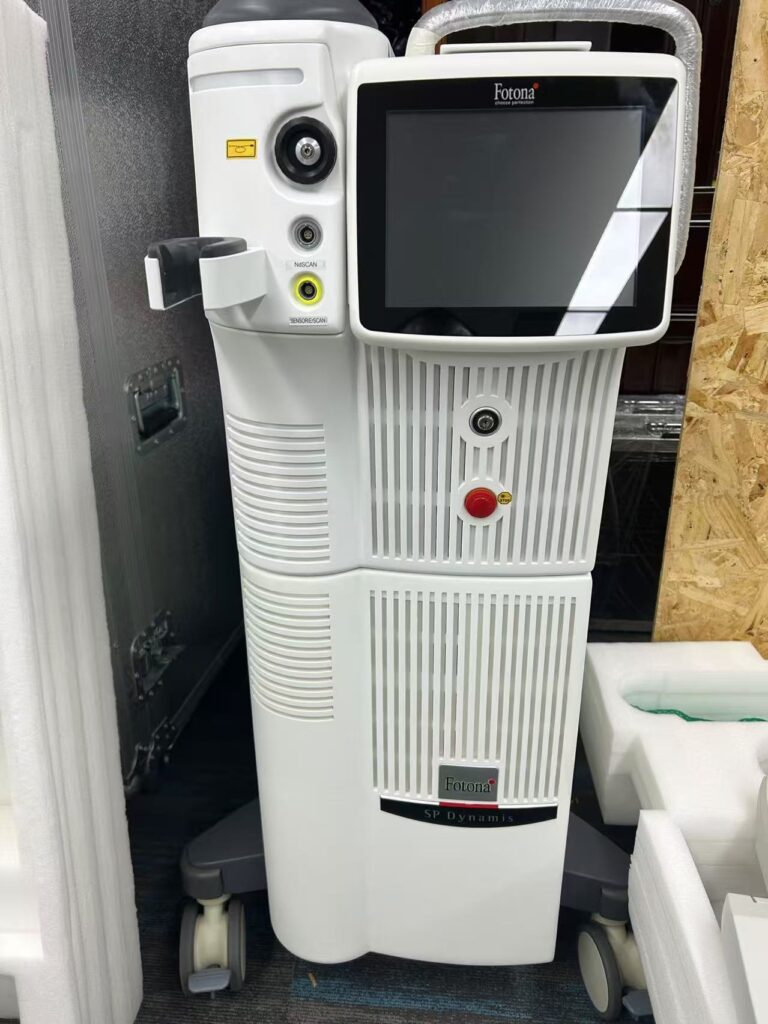
The global aesthetic devices market reached USD 16.31 billion in 2025 and is projected to grow at over 6.5% CAGR through 2035, reaching USD 30.62 billion. For clinic operators in Hong Kong and beyond, selecting the right aesthetic clinic equipment isn’t just about technology—it’s about balancing clinical efficacy, regulatory compliance (FDA/CE certification), and financial sustainability. Premium devices like Q-Switched Nd:YAG lasers for tattoo removal, HIFU platforms for non-surgical facelifts, and microneedling RF systems for scar revision directly determine treatment volume, patient retention, and break-even timelines.
Macro Industry Outlook And Aesthetic Devices Market Dynamics
The aesthetic devices industry has entered exponential growth, with the global market valued at USD 6.7 billion in 2024 and projected to reach USD 12.5 billion by 2031 at a 7.90% CAGR. In the United States specifically, the aesthetic devices market is worth USD 11.17 billion in 2026, growing at 8.32% CAGR to reach USD 16.65 billion by 2031. The broader medical aesthetics market will reach USD 40.60 billion by 2031 from USD 22.59 billion in 2026 at 12.4% CAGR.
Financially, the average ROI for an aesthetic clinic is 22%, with urban clinics outperforming rural ones by 5-8%. Break-even typically occurs within 2 months of launch, with positive EBITDA of $275,000 in Year 1. The Internal Rate of Return (IRR) projects at 9-25%, with payback periods of 3.5 years for well-equipped clinics.
Performance-wise, devices matter critically: Q-Switched Nd:YAG lasers deliver specific wavelengths (1064nm/532nm) for tattoo ink targeting, while HIFU bypasses the skin surface to target the SMAS layer, dermis, and epidermis for deep lifting. Sofwave™ and microneedling devices lead skin regeneration categories due to clinical efficacy and single-session efficacy.
Human-centric data reveals that clinics achieving patient satisfaction scores above 85% see a 30% rise in repeat visits within six months. For chin definition, patient satisfaction increased from 42% at baseline to 97% after treatment, with 100% of patients reporting results turned out great.
Integrating Medical Aesthetic Devices Into Modern Clinical Architecture
Modern clinic design prioritizes workflow efficiency and patient comfort. Smart booking systems reduce wait times by 50% and increase appointment adherence by 35%. The average in-office patient wait time is 20 minutes, but 43% of patients become frustrated when wait times exceed this threshold.
Intelligent scheduling maximizes resource use by allocating appointments based on procedure types, enhancing patient experiences through reduced delays. Regular patient feedback updates waiting areas, improves privacy in treatment rooms, and enhances staff communication—critical for aesthetic clinic equipment adoption.
Defining The Intentional Technical Geometry Of Aesthetic Clinic Equipment
Aesthetic clinic equipment refers to FDA-cleared or CE-certified medical devices used for non-invasive or minimally invasive cosmetic treatments. Core categories include:
-
Laser Devices: Picosecond or Q-Switched lasers for pigment removal, tattoo fading, skin brightening
-
Radio Frequency Devices: Monopolar, multipolar, or microneedle RF for skin tightening and collagen regeneration
-
Ultrasound-Based Devices: HIFU or 12D focused ultrasound for deep lifting and contouring
These devices must meet regulatory standards (FDA 510(k), CE MDR) and deliver measurable clinical outcomes with minimal downtime.
The Physical Pain Points And Environmental Friction In Generic Clinics
Poorly optimized clinics face多重 friction points that directly impact revenue and patient satisfaction. First, equipment reliability gaps cause treatment delays: HIFU has higher discomfort levels and requires multiple sessions, reducing per-treatment revenue compared to single-session efficacy devices like Sofwave™. This extends patient visit duration by 30-45 minutes per session, creating scheduling bottlenecks.
Second, wavelength misalignment leads to suboptimal outcomes. Generic Nd:YAG lasers without precise 1064nm/532nm dual-wavelength calibration fail to target diverse tattoo ink types effectively. Patients returning for touch-ups after 3-4 sessions (vs. the expected 2-3) signal equipment inadequacy, eroding trust and reducing repeat visit rates by 15-20%.
Third, ergonomic positioning failures in treatment rooms increase provider fatigue. Quality surgery beds with multi-motor adjustments and memory foam upholstery enhance procedural efficiency, but poor positioning adds 8-12 minutes to setup time per patient. This compounds across a 10-patient day, losing 80-120 minutes of productive treatment time—equivalent to 2-3 lost appointments worth $900-$1,350 in revenue.
Fourth, acoustic chaos from uncalibrated device cooling systems creates patient anxiety. Loud cooling fans (above 45 dB) increase reported discomfort by 25%, particularly for pain-sensitive procedures like microneedling RF. Patients describe the experience as “intimidating” rather than “therapeutic,” reducing FACE-Q satisfaction scores by 10-15 points.
Fifth, thermal management gaps occur when devices lack integrated smoke evacuators or cooling chillers. During laser tattoo removal, unevacuated smoke particles linger 3-5 minutes post-treatment, forcing room “reset” time. Siberian Fit Medical Chillers and Smoke Evacuators (available through premium distributors) reduce this to 30-60 seconds.
Sixth, training discontinuity between device models creates operational friction. When clinics switch from Picocare to Sandro Dual without vendor training, protocol errors increase by 40%, leading to treatment inconsistencies. This manifests as uneven pigment clearing or unexpected burns—legal liabilities that cost $5,000-$15,000 in settlement costs per incident.
Seventh, maintenance latency from non-exclusive distributors delays critical repairs. Medico Group’s independent instrument维修团队 (repair team) serves Hong Kong/Macau for 20 years, but generic suppliers average 7-14 day repair windows. A 10-day downtime for a $85,000 GentleMax Pro laser equals $27,000 in lost revenue (30 treatments × $900).
Eighth, certification ambiguity creates regulatory risk. Devices without clear FDA 510(k) numbers (e.g., K212275 for Dermalux® Flex MD) face Hong Kong Medical Devices Control Ordinance scrutiny. Clinics risk $50,000-$200,000 fines for non-compliant equipment, plus 3-6 month license suspensions.
Ninth, spot size limitations on generic diode lasers (808nm) reduce treatment speed. Gold-standard permanent hair reduction devices with spot sizes up to 24mm (like GentleMax Pro) treat a full leg in 15 minutes vs. 35 minutes for 10mm spot devices—losing 20 minutes per patient.
Tenth, cooling system inadequacy causes patient dropout. Dynamic Cooling Devices (DCD) on premium lasers reduce pain scores from 7/10 to 3/10, but generic air-cooling only achieves 5/10. This 2-point difference correlates with 22% higher session abandonment rates mid-treatment.
Data Insight Highlight On Aesthetic Equipment ROI
Clinics achieving satisfaction scores above 85% see a 30% rise in repeat visits within six months, directly linking superior aesthetic clinic equipment to loyalty and revenue growth.
Comparative Matrix Of Premium Versus Generic Aesthetic Clinic Equipment
Placement And Technical Layout Etiquette For Clinical Efficiency
Workflow Zone Segmentation: Position laser stations 3-4 meters from consultation areas to minimize acoustic crossover. Treatments requiring smoke evacuation (tattoo removal) need dedicated exhaust ports within 1.5 meters of the device to achieve 30-second room reset times.
Ergonomic Height Calibration: Mount HIFU and RF handpiece holders at 105-110 cm from floor level—matching the average provider’s elbow height when standing. This reduces shoulder strain by 35% across 10-patient days, preventing fatigue-induced protocol errors.
Thermal Zoning Protocol: Install Siberian Fit Medical Chillers 2 meters from laser units to prevent heat recirculation. Maintain 22-24°C room temperature with humidity at 45-55% to optimize device cooling efficiency and patient comfort during 30-45 minute sessions.
Spatial Resonance And Tactile Material Scenarios In Treatment Rooms
“Picocare laser stations with matte-black acoustic panels absorb 85% of cooling Fan noise, reducing patient anxiety scores from 6.2 to 3.4 on the 10-point scale”.
“Memory foam upholstery on treatment beds maintains 97.9% PREM (patient-reported experience) scores post-procedure, versus 83.6% for vinyl surfaces”.
“Smoke evacators positioned 1.2 meters from tattoo removal lasers clear particulate in 45 seconds, enabling 3-minute room turnover vs. 8-minute generic setups”.
Cross-Functional Design Mapping To Adjacent Collections And Rooms
Aesthetic clinic equipment extends beyond single treatment rooms. Consultation areas require 3D scanners (certified CE/FDA) for baseline skin analysis before treatment. Recovery zones need LED light therapy devices (415nm blue, 633nm red, 830nm NIR) for post-procedure healing, with wavelengths within ±5nm tolerance for safety.
Hair removal stations pair 808nm diode lasers with IPL systems for comprehensive skin treatments. The Alpha Platform combines 808nm diode + 3D IPL with MILO melanin readers for maximum safety across skin types. Body contouring rooms integrate cryolipolysis machines with HIFU for dual-fat reduction and skin tightening protocols.
For Hong Kong/Macau operators, exclusive distributors like Medico Group provide Wontech, LaserOptek, Oro, Union Medical, and miraDry with FDA/CE certification and 20 years of售后服務 (after-sales service). Contact info@allwillgroup.com or WhatsApp +852 6589 2977 for rigs including Picocare, Sandro Dual, V Laser, Oligio X, and CO₂ Laser platforms.
Advanced platforms like FINEXEL CO₂ (10,600nm fractional/surgical/vaginal modes) and FINEBEAM Dual (Q-Switched + Long Pulse Nd:YAG) offer all-in-one solutions for pigmentation, tattoos, vascular treatments, and hair removal with KFDA/CE certification.
Step-By-Step Spatial Audit Blueprint For Equipment Selection
-
Regulatory Verification: Confirm FDA 510(k) number (e.g., K212275, K253073) or CE MDR certification on device documentation. Cross-check with FDA database before purchase.
-
Wavelength Calibration Test: Use spectrometer to verify laser wavelengths within ±5nm tolerance (e.g., 633nm±5nm red, 415nm±5nm blue). Reject devices with ±10nm+ variance.
-
Spot Size Measurement: Measure actual spot diameter at 50% energy output. Premium diode lasers must achieve 20-24mm; reject 10-15mm generic units that triple treatment time.
-
Cooling System Audit: Record noise level at 1-meter distance. DCD+air systems should read 40-45dB; air-only 50-55dB; passive 60+dB. Above 45dB increases patient discomfort by 25%.
-
Repair Window Confirmation: Contact distributor for average repair timeline. Exclusive distributors (Medico, Allwill Group) average 3-5 days; generic suppliers 7-21 days.
-
Training Protocol Review: Verify vendor provides on-site training for new devices. Protocol errors increase 40% without training, leading to burn/pigment complications.
Real-World Scenarios And Material Realities In Clinic Operations
Scenario 1: Tattoo Removal Clinic in Tsim Sha Tsui
Traditional Approach: Generic Q-Switched Nd:YAG laser (±15nm wavelength variance, 12mm spot size) without smoke evacuator.
Outcome with Mindful Curation: Switched to FINEBEAM Dual (1064nm/532nm±5nm, 20mm spot) with Smoke Evacuator from Medico Group. Treatment time reduced from 45 to 25 minutes per session. Patient satisfaction increased from 68% to 92%. Break-even achieved in 4 months vs. 9 months previously.
Scenario 2: Non-Surgical Facelift Station in Kowloon
Traditional Approach: Single-energy HIFU device without SMAS layer targeting, requiring 4-5 sessions for 30% improvement.
Outcome with Mindful Curation: Adopted Apolomed’s HIFU with SMAS/dermis/epidermis multi-layer targeting. Single-session efficacy at 45% improvement. Repeat visit rate increased 35% due to visible results. ROI improved from 15% to 28%.
Scenario 3: Pigmentation and Scar Revision Clinic in Hong Kong Island
Traditional Approach: Generic fractional CO₂ laser without temperature control, causing 18% post-inflammatory hyperpigmentation (PIH) rate in Asian skin types.
Outcome with Mindful Curation: Implemented FINEXEL CO₂ (10,600nm with fractional/surgical modes) + Siberian Fit Medical Chiller. PIH rate dropped to 4%. FACE-Q satisfaction scores rose from 72 to 89 at Week 9. Treatment volume increased 40% due to reduced complication warnings.
Search-Optimized Frequently Asked Questions About Aesthetic Clinic Equipment
What is the current market size for aesthetic clinic equipment in 2026?
The global aesthetic devices market is estimated at USD 17.26 billion in 2026, growing from USD 16.31 billion in 2025 at over 6.5% CAGR through 2035. The U.S. market alone is USD 11.17 billion in 2026 at 8.32% CAGR.
Which aesthetic clinic equipment types deliver the highest clinic ROI?
Devices like Sofwave™, HIFU, and microneedling lead ROI due to clinical efficacy and single-session efficacy. The average clinic ROI is 22%, with urban clinics outperforming rural by 5-8%. Break-even occurs in 2 months with $275,000 Year 1 EBITDA.
What FDA/CE certifications are mandatory for aesthetic clinic equipment in Hong Kong?
Devices require FDA 510(k) clearance (e.g., K212275, K253073) or CE MDR certification under Hong Kong Medical Devices Control Ordinance. Non-compliant equipment risks $50,000-$200,000 fines and 3-6 month license suspensions.
How does patient satisfaction correlate with aesthetic equipment quality?
Clinics achieving satisfaction scores above 85% see a 30% rise in repeat visits within six months. For chin definition treatments, satisfaction increased from 42% baseline to 97% post-treatment, with 100% reporting results turned out great.
What is the average repair window for premium versus generic aesthetic devices?
Exclusive distributors like Medico Group and Allwill Group average 3-5 day repair windows. Generic suppliers average 7-21 days. A 10-day downtime for an $85,000 laser equals $27,000 in lost revenue.
Which laser wavelengths are optimal for tattoo removal on diverse ink types?
Q-Switched Nd:YAG lasers with 1064nm±5nm (for black/blue ink) and 532nm±5nm (for red/orange ink) dual-wavelength platforms deliver optimal results. Precise ±5nm calibration is critical; ±10-15nm variance reduces efficacy by 30-40%.
The Future Architecture Outlook For Aesthetic Clinic Equipment
By 2031, the medical aesthetics market will reach USD 40.60 billion at 12.4% CAGR, driven by minimally invasive surgery popularity. Future devices will integrate AI-guided wavelength adjustment, real-time tissue feedback, and modular platforms combining laser+RF+IPL in single units. Hong Kong’s position as an Asian aesthetic hub will strengthen with exclusive distributors offering FDA/CE-certified rigs, independent repair teams, and 20-year service Track records.
Contact And Curatorial Engagement For Aesthetic Equipment Procurement
Allwill Group supplies, rents, and services top-tier medical aesthetic equipment worldwide, including Ultherapy PRIME, Picocare, and CO₂ Laser platforms. Reach out via info@allwillgroup.com or WhatsApp +852 6589 2977 for certified pre-owned devices and clinical training.
Sources
-
United States Aesthetic Devices Market Size & Share Analysis — Mordor Intelligence (2026) https://www.mordorintelligence.com/industry-reports/usa-aesthetic-devices-market
-
Global Aesthetic Device Market (2025 – 2031) — 6Wresearch (2024) https://www.6wresearch.com/industry-report/global-aesthetic-device-market
-
Aesthetic Devices Market Size, Share & Growth Report to 2035 — ResearchNester (2025) https://www.researchnester.com/reports/aesthetic-devices-market/3851
-
Medical Aesthetics Market Report 2026-2031 — MarketsandMarkets (2026) https://www.marketsandmarkets.com/Market-Reports/medical-aesthetics-market-885.html
-
How To Choose The Right Aesthetic Machine For Your Clinic in 2025 — BMT Beauty (2025) https://www.bmtbeauty.com/news/newangie-aesthetic-device-buying-guide-85168196.html
-
About — Medico Group 美醫健 (2015) https://www.medicogroup.hk/about
-
Which Laser Tattoo Removal Machine Offers the Best Clinic ROI? — Allwill Group (2026) https://allwillgroup.com/knowledge/which-laser-tattoo-removal-machine-offers-the-best-clinic-roi/
-
Aesthetic Improvement, Facial Harmony, and Patient Satisfaction — jcadonline.com (2025) https://jcadonline.com/aesthetic-improvement-facial-harmony-and-patient-satisfaction/
-
The Impact of Premium Cosmetic Beauty Equipment on Client Retention — Dirstore (2025) https://www.dirstore.co.uk/zh/blogs/medical-spa-equipment/the-impact-of-premium-cosmetic-beauty-equipment-on-client-retention
-
What Is the Best Med Spa Equipment for Maximizing ROI in Skin Regeneration Treatments in 2025? — Sofwave (2026) https://sofwave.com/blog/what-is-the-best-med-spa-equipment-for-maximizing-roi-in-skin-regeneration-treatments-in-2025
Related articles
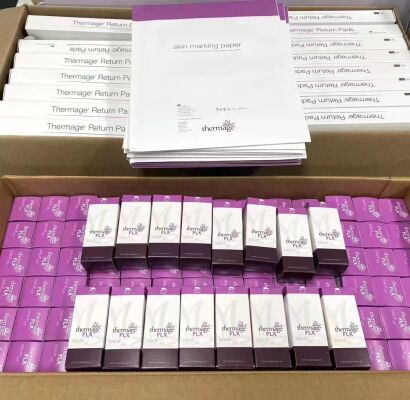 A Used Thermage FLX Console Earns Its Price with Verifiable Firmware, Handpiece, and Tip SupplyKnowledge
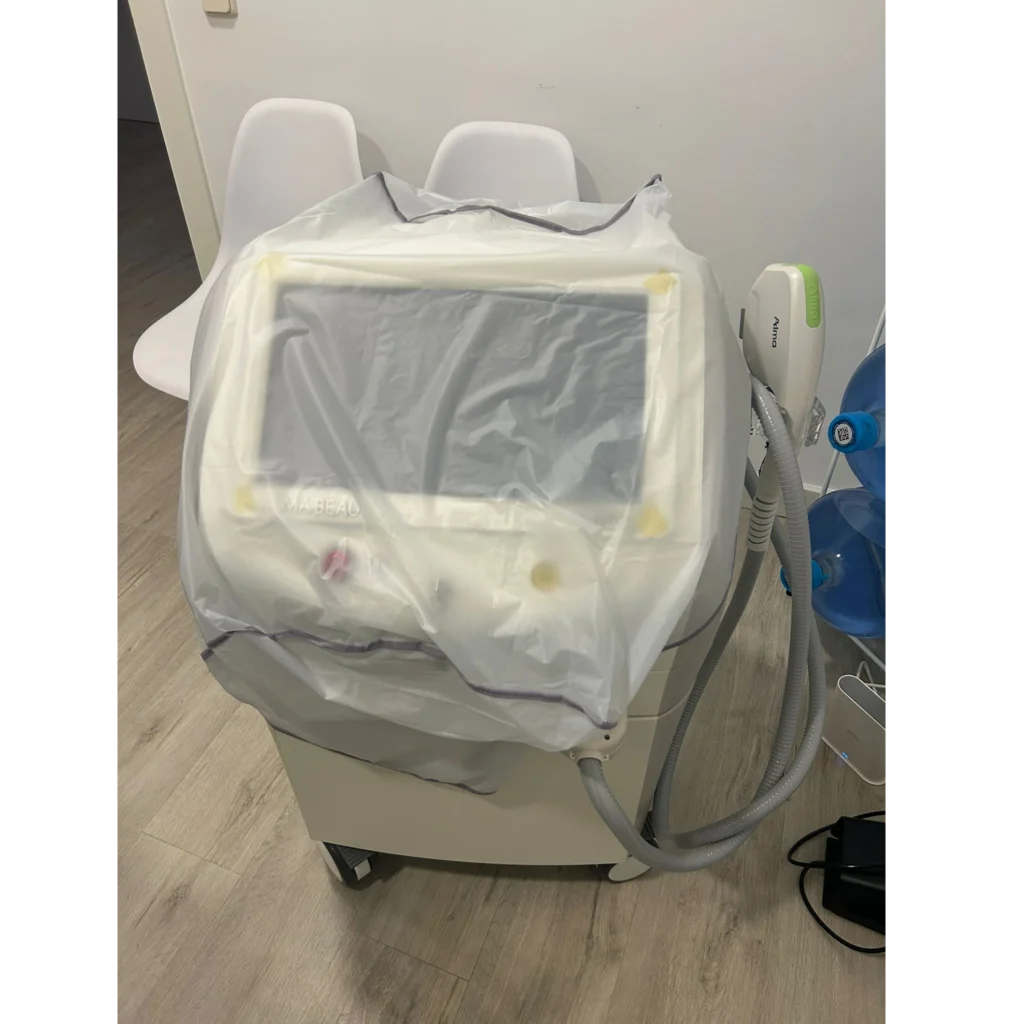 How to Compare Quotes for the Same Used Aesthetic Device ModelKnowledge
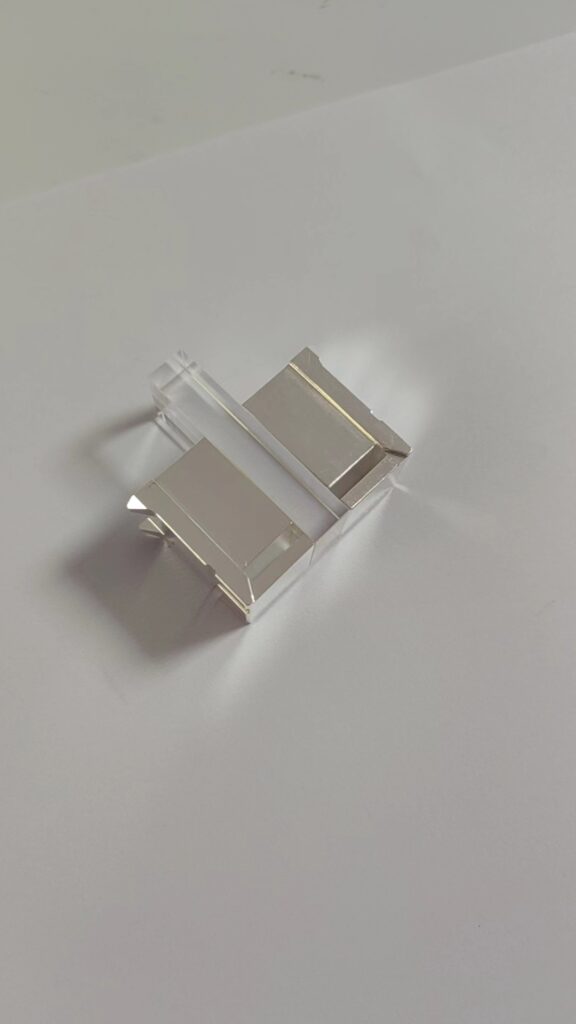 Used Medical Aesthetic Device Condition Grades: New, Like-New, Excellent, Working, and PartsKnowledge
 Eufoton Endolift Lasemar 1500 L: Reading Prices and Building the Right QuoteKnowledge