
Control Interfaces for Aesthetic Machines: Design, Safety, and ROI Guide
Control interfaces for aesthetic machines sit at the crossroads of human‑machine interaction, medical safety, and patient experience. They determine how reliably practitioners can deliver laser, RF, ultrasound, IPL, cryolipolysis, or injectable treatments while maintaining…
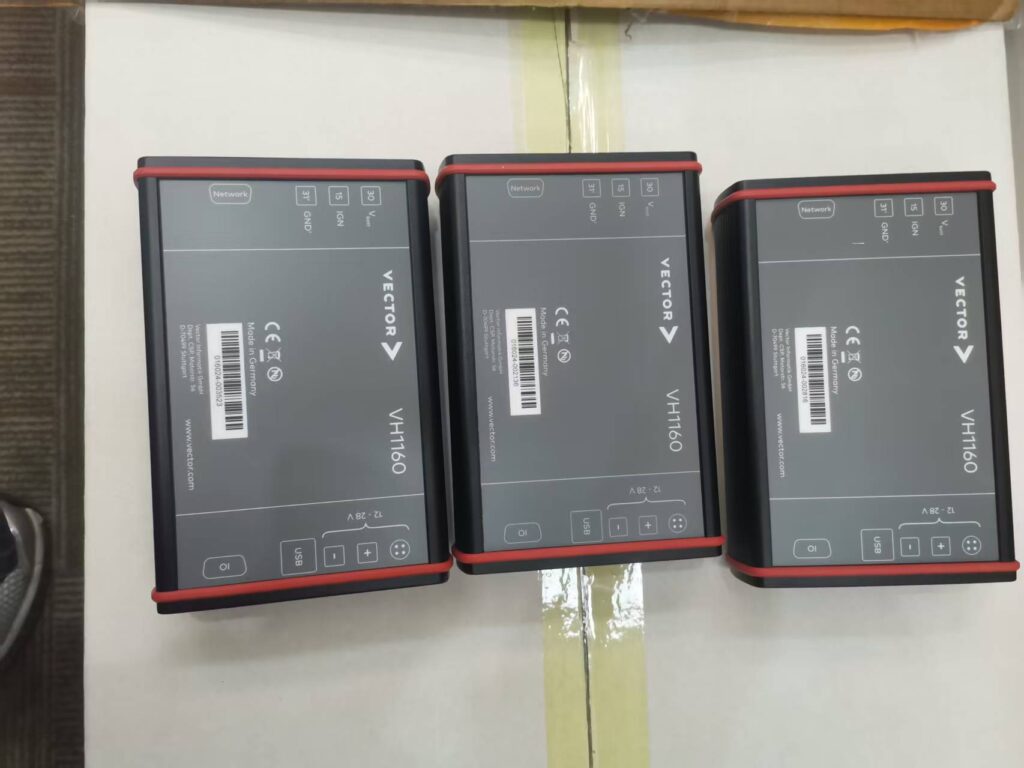
Control interfaces for aesthetic machines sit at the crossroads of human‑machine interaction, medical safety, and patient experience. They determine how reliably practitioners can deliver laser, RF, ultrasound, IPL, cryolipolysis, or injectable treatments while maintaining consistent outcomes and regulatory compliance .
(Last modified date: October 3, 2026)
What Are Control Interfaces for Aesthetic Machines?
Control interfaces for aesthetic machines are the physical and digital touchpoints that allow clinicians to configure, operate, monitor, and stop energy‑based or mechanical aesthetic devices during procedures . They include touchscreens, hardware buttons, dials, footswitches, indicator lights, alarms, and on‑screen workflows that translate treatment protocols into safe, repeatable device behavior .
In practical terms, a control interface defines how a user selects treatment areas, adjusts fluence or power, sets pulse duration, chooses applicators, confirms skin type, and monitors skin temperature or contact cooling in real time . Well‑designed aesthetic device control panels reduce cognitive load under stress, minimize training time, and dramatically lower the risk of misuse or adverse events in busy clinics .
Market Trends: UX‑Driven Control Interfaces in Medical Aesthetics
Medical aesthetic device manufacturers increasingly treat UX and UI as core differentiators rather than cosmetic extras . Modern laser and RF systems now favor large capacitive touchscreens, icon‑based navigation, and guided protocols that match the actual clinical workflow in dermatology, plastic surgery, and medspa environments .
At the same time, regulatory expectations around human factors, including standards such as IEC 62366‑1 and safety guidance for laser systems, push manufacturers to validate usability and reduce use‑related risk through evidence‑based interface design . Combined with rising patient volumes and staff shortages, this has created strong demand for intuitive control interfaces that support fast onboarding, cross‑room mobility, and multi‑modality treatment planning .
Core Components of Control Interfaces for Aesthetic Machines
A comprehensive aesthetic machine control interface usually combines hardware controls with a graphical user interface optimized for clinical environments . The main elements include:
-
Human–machine interface screen: capacitive touch display, menu structure, icons, procedure presets, patient profiles, error messages, and real‑time monitoring widgets .
-
Physical controls: emergency stop buttons, guarded footswitches, power keys, knobs or tactile buttons for frequently used actions, and indicator lights for system status .
-
Safety feedback: visual alarms, audible alerts, interlock indications, access control for advanced parameters, and lockout mechanisms when conditions are unsafe .
-
Connectivity options: software menus for network integration, data export, firmware updates, and sometimes remote diagnostics or telemetry dashboards for fleet management .
In a well‑balanced control architecture, the hardware elements handle critical, time‑sensitive safety actions, while the GUI manages complex decision flows, documentation, and parameter tuning .
Design Principles: Intuitive UX for Aesthetic Device Interfaces
Designing user interfaces for aesthetic machines requires blending clinical reality with interaction design principles drawn from surgical, industrial, and consumer domains . In operating rooms and treatment rooms, clinicians often interact with displays using gloved, sometimes wet hands, limited reach, and extremely short glances while their attention remains on the patient, not the screen .
Effective control interfaces for aesthetic machines share several properties. They align screen structure with real procedures instead of internal software modules, reduce navigation depth, maintain continuous visibility of critical status data, and rely on recognition rather than reading long text blocks . Design teams increasingly emphasize visual simplicity, clear typography, and a restrained color palette to ensure that alarms, skin type warnings, and temperature limits stand out even under stress .
Six interface tests to run before you sign
An interface is only good if it holds up under a busy afternoon, so test it the way the clinic will use it rather than the way the sales demonstration does. Each test below produces an answer you can write down and compare between candidate devices.
| Test | How to run it | What a pass looks like |
|---|---|---|
| Step count | Have a staff member who has never used the device set up and start one standard protocol from the power-on screen | The setup path is short enough to complete without the manual, and no parameter has to be calculated off-device |
| Stop control | Interrupt a treatment mid-protocol and time how long it takes to reach a full stop | Stop is reachable without leaving the treatment field, and does not depend on a nested menu |
| State visibility | Ask the operator to state the current mode, energy and remaining time from across the room | Each is legible at working distance, not only at the console |
| Cold-start time | Time from switching on to the first treatment-ready screen | Start-up fits inside the changeover between patients rather than delaying it |
| Error legibility | Trigger a harmless fault and read the message aloud | The message names the condition and the next action, not an internal code |
| Lighting conditions | Repeat the state-visibility test with the room lit as it will be during treatment | Reflections and dimmed room lighting do not make the display unreadable |
Run the tests with two or three staff members and record the times, because the spread between experienced and first-time users is the training burden in numbers. A device that a practitioner can operate but a rotating locum cannot still has to be supported by one-on-one instruction, and that cost recurs every time the roster changes.
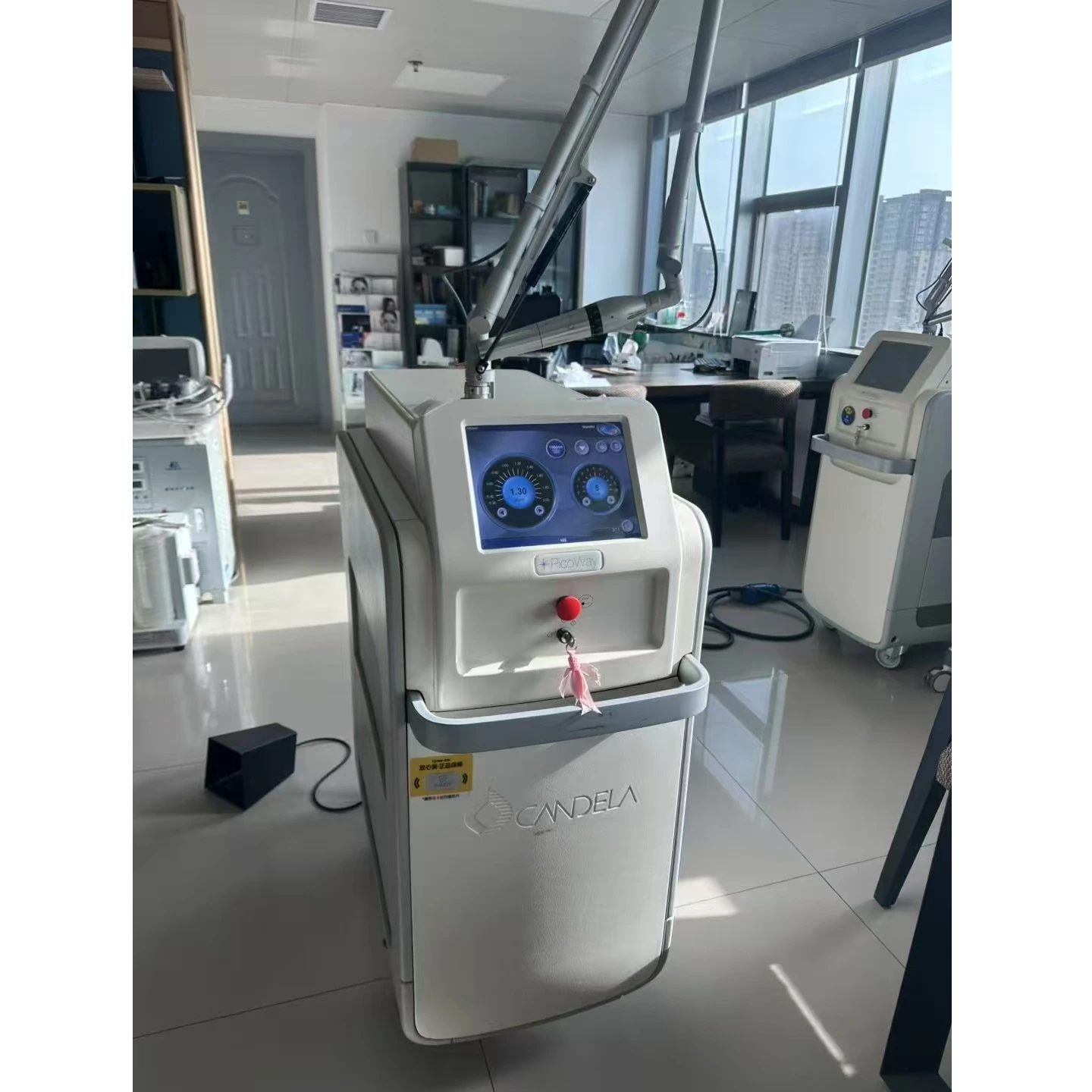
What the record has to show afterwards
The interface is not outside the device’s quality system. Under 21 CFR Part 820, the Quality Management System Regulation, which incorporates ISO 13485 by reference, § 820.10 sets the requirements for a quality management system, § 820.35 requires control of records, and § 820.45 requires device labelling and packaging controls. For a refurbished console that means the interface version, the firmware it runs and the last verification should be identifiable against the serial number you bought.
Ask for three things in writing: the firmware and interface version as delivered, the record showing the last calibration or functional verification, and the labelling for the device as supplied. Without them a discrepancy between what a clinician sees and what the device does becomes very hard to reconstruct after the fact.
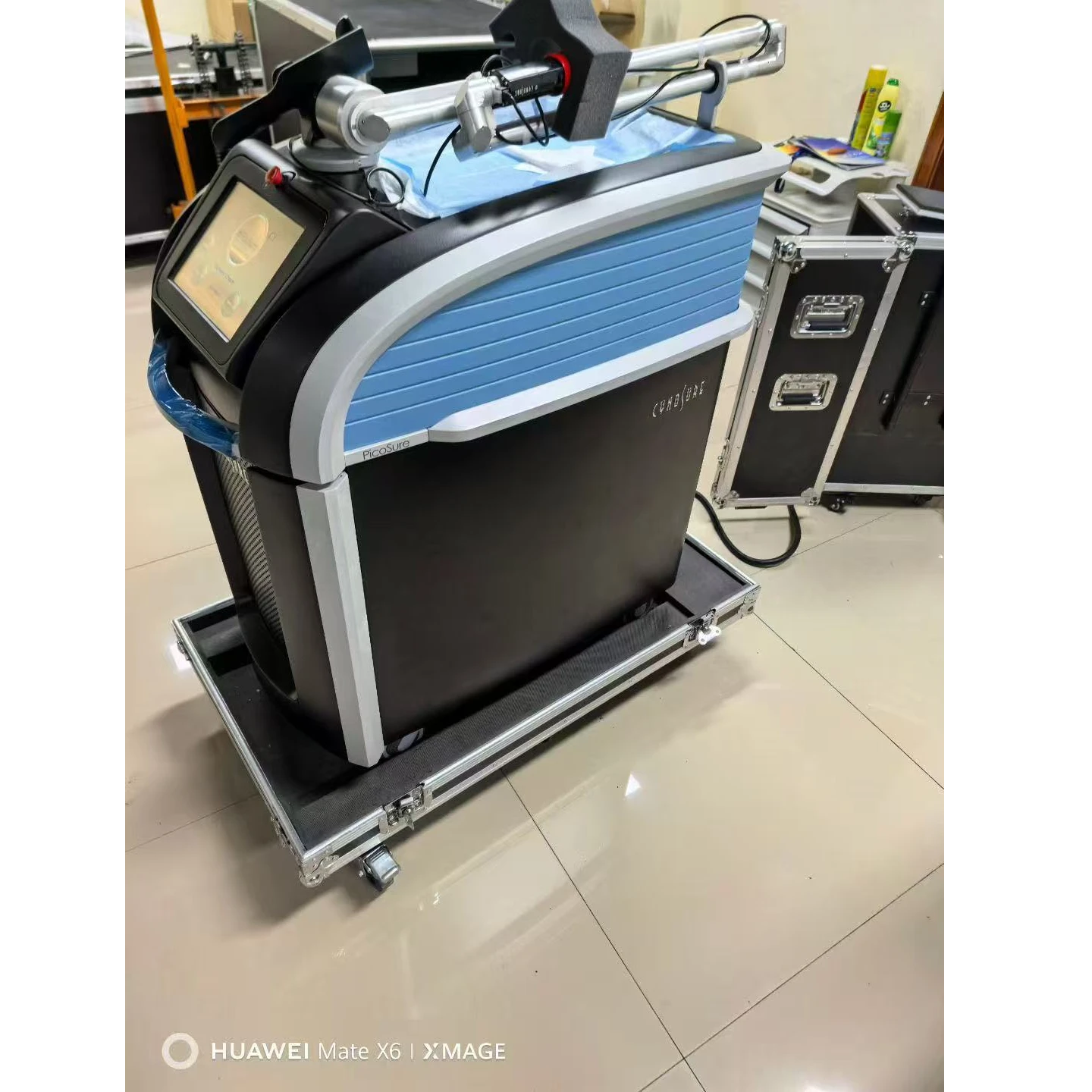
Safety and Regulatory Requirements for Control Interfaces
Because many aesthetic devices use high‑energy lasers, intense light, RF, or ultrasound, their control interfaces must enforce strict safety measures guided by regulatory frameworks and laser safety standards . Guidance documents for low‑level laser systems for aesthetic use, for example, highlight the need to mitigate ocular injury, electrical shock, and accidental exposure through engineering controls and clear labeling .
Typical safety features integrated into control interfaces and system design include guarded footswitches, emergency off controls, beam attenuators, and housing interlocks that prevent emission when covers are open or handpieces are undocked . Standards for the safe use of lasers describe three layers of control: engineering controls embedded in the device, administrative policies such as user authorization and training, and personal protective equipment such as eyewear, all of which must be supported by unambiguous on‑device instructions and warnings .
Core Technology: Touch, Sensors, and Embedded Software
Behind every aesthetic machine control interface lies a stack of embedded technologies that manage input, processing, and feedback loops . Capacitive touchscreens and touch glass have become the dominant interaction surface, combining optical clarity with durability and the ability to detect gloved touch under demanding clinical conditions .
These input technologies connect to embedded controllers running real‑time software that manages parameter limits, synchronizes pulses with cooling or motion, and logs treatment events for traceability . To support safe and responsive control, developers validate software through structured verification and validation processes that trace user requirements, design decisions, and human factors justifications, aligning with medical device usability and safety expectations .
Human Factors Engineering in Aesthetic Machine Interfaces
Human factors engineering ensures that control interfaces account for the capabilities, limitations, and real behavior of practitioners in clinics and operating rooms . For surgeons and dermatologists, that often means operating devices with the non‑dominant hand, restricted reach due to sterile drapes, and limited tactile precision from gloves and protective gear .
To respond to these constraints, interface layouts avoid small targets or controls in extreme corners of the screen and concentrate interactive elements within realistic reach zones . Human factors teams also systematically reduce decision load, eliminate unnecessary confirmation steps that do not improve safety, and design iconography so users can recognize core actions at a glance, even when fatigued .
Visual Aesthetics and Brand Differentiation in Control Interfaces
Visual aesthetics play a strategic role in control interfaces for aesthetic machines, extending beyond surface styling to influence usability and perceived quality . Industrial and aesthetic device vendors have learned from consumer electronics that clean layouts, neutral background colors, and carefully chosen accent hues help operators interpret controls quickly and comfortably over long shifts .
Designers apply principles such as visual hierarchy, contrast, and restrained icon sets to highlight primary actions and safety information while minimizing distractions . By integrating aesthetic considerations early in product development, manufacturers create cohesive design languages across their human–machine interface portfolios, reinforcing brand recognition while still meeting stringent medical expectations for clarity and predictability .
Control Interfaces Across Aesthetic Modalities
Different aesthetic treatment modalities place unique demands on their control interfaces, even when they share similar UX principles . For laser hair removal platforms, for instance, the control panel must handle skin type classification, fluence selection, pulse duration, and repetition rate while guiding the operator to adhere to eye safety and cooling protocols .
Body contouring systems that use cryolipolysis, RF, or ultrasound often require interfaces that manage multiple applicators simultaneously, track treatment cycles on different zones, and monitor sensor feedback like temperature or impedance . Facial rejuvenation devices and multifunctional platforms add complexity by letting users combine sequences of laser, IPL, RF microneedling, and topical delivery in structured protocols, pushing the interface to support profiles, presets, and high‑level treatment planning tools .
Real‑World User Scenarios and ROI Impact
In busy aesthetic clinics, the performance of control interfaces directly influences patient throughput, staff satisfaction, and financial returns . Consider a practice operating several laser and body contouring stations where different nurses and physicians rotate throughout the day; here, standardized UI patterns, prominent presets, and clear feedback reduce training time and the risk of misconfigured energy settings .
From a return‑on‑investment perspective, efficient interfaces reduce treatment times per session and minimize downtime from user errors or safety lockouts, allowing more booked procedures within the same schedule . Over months, even modest improvements in average treatment duration and re‑treatment rates translate into measurable revenue gains and lower warranty or service incidents linked to misuse .
Top Control Interface Designs in Aesthetic Machines
The following table illustrates representative categories of control interface solutions used in aesthetic and medical devices, focusing on their strengths, ratings, and typical use cases derived from UX, human factors, and industrial HMI practices .
| Interface Type | Key Advantages | Typical Rating (Usability/5) | Primary Use Cases |
|---|---|---|---|
| Large capacitive touchscreen HMI | Intuitive gestures, rich data display, flexible layouts, easy localization and updates | 4.6 | High‑end laser platforms, multi‑modality workstations, advanced OR‑grade systems |
| Hybrid tactile buttons plus small display | Strong tactile feedback, robust in harsh environments, simplified training | 4.2 | Entry‑level devices, single‑purpose lasers, RF units in smaller clinics |
| Icon‑driven UI with guided workflows | Low language dependence, faster recognition, supports protocol‑driven treatments | 4.7 | Multilingual medspas, chains, systems used by rotating staff |
| Footswitch‑centric control with minimal screen input | Hands‑free operation, continuous focus on treatment field, safer activation control | 4.4 | Surgical laser cutters, OR‑integrated devices, complex facial procedures |
| Networked HMI with remote monitoring | Fleet analytics, remote updates, centralized configuration management | 4.5 | Multi‑site aesthetic groups, hospitals, franchise medspa networks |
Competitor Interface Comparison Matrix
Aesthetic device buyers often compare platforms not only on clinical outcomes but also on the ergonomics and intelligence of their control interfaces . The table below outlines a generic comparison of interface strategies commonly seen in competing systems.
| Vendor Style | Screen & Input | Safety & Compliance Focus | Workflow Support | Training Burden |
|---|---|---|---|---|
| Engineering‑centric legacy systems | Small resistive screens, nested menus, physical knobs | Meets baseline safety but limited human factors optimization | Generic parameter pages, little procedural guidance | High, relies heavily on manuals and in‑person training |
| UX‑optimized contemporary systems | Large capacitive displays, high contrast UI, large targets | Explicit focus on human factors and usability engineering | Protocol‑based flows, skin type wizards, visual progress trackers | Medium‑low, quick adoption by rotating staff |
| Brand‑driven design‑first systems | Highly styled visuals, custom icon sets, animated feedback | Good safety features but may sacrifice simplicity for style in some cases | Engaging, but sometimes deeper navigation structures | Medium, depends on consistency of iconography and labeling |
| Data‑centric connected systems | Dashboard‑like HMI, KPIs, integration with remote portals | Strong oversight via logs and analytics, supports compliance reporting | Strong support for multi‑room scheduling and usage tracking | Medium, requires understanding of analytics but simplifies administration |
Company Background: ALLWILL in the Aesthetic Interface Ecosystem
Within this evolving ecosystem, ALLWILL is redefining B2B medical aesthetics by focusing on innovation, trust, and efficiency across the entire lifecycle of devices, including how control interfaces perform through years of use. Through its Smart Center processing facility, vendor management system, and inventory platform, ALLWILL helps practitioners align device sourcing and refurbishment with real‑world usability and performance expectations in aesthetic practice management.
Integration of Control Interfaces with Clinic IT and Data Systems
Modern aesthetic devices rarely operate as isolated units; their control interfaces increasingly connect to clinic networks, EMR systems, and central dashboards for maintenance and analytics . Networked human–machine interfaces may support firmware updates, remote troubleshooting, and usage logs that track energy delivered by operator, room, and treatment type, creating a data trail useful for both quality improvement and financial analysis .
Designers must ensure that this connectivity does not compromise usability or safety by cluttering treatment screens with administrative features . The best implementations separate clinical UI layers from administrative controls while allowing easy access to logs and configuration screens at appropriate times, often with role‑based access control .
Training, Onboarding, and Change Management
Control interfaces for aesthetic machines shape how quickly new staff reach confident, safe performance on day‑to‑day procedures . Clinics with high turnover or multi‑site operations benefit from standardizing UI conventions across different device models, reducing the need to relearn menu structures and icon sets for every machine .
Effective onboarding programs combine on‑device tutorials, simulation modes, and concise in‑clinic training supported by consistent visual language and terminology . Over time, these investments reduce variation in technique, contribute to stable patient outcomes, and minimize the support burden associated with misunderstood device controls .
Maintenance, Refurbishment, and Lifecycle of Control Interfaces
Over the lifespan of an aesthetic machine, its control interface may undergo firmware upgrades, component replacements, and cosmetic refreshes that affect both performance and perception . Touchscreen components can degrade, button labels can wear, and outdated UI design can make otherwise functional devices feel old compared to newer platforms, even if their core energy delivery technology remains effective .
Refurbishment and third‑party service providers therefore play a key role in maintaining interface quality by calibrating sensors, replacing worn interaction elements, and verifying that safety indicators and interlocks function according to current standards . For owners of multi‑device fleets, proactive interface maintenance protects staff confidence and reduces unintended downtime due to interface malfunctions or confusing firmware mismatches .
Future Trends in Control Interfaces for Aesthetic Machines
Control interfaces for aesthetic machines are moving toward more adaptive, intelligent, and connected experiences that guide the practitioner from consultation to follow‑up . Designers are exploring context‑aware interfaces that adjust recommended presets based on skin type, treatment history, and sensor feedback, aiming to reduce manual configuration effort without undermining clinician control .
Looking ahead, clinics can expect more cross‑device consistency, deeper integration with outcome tracking systems, and possibly voice‑assisted or gesture‑enabled interactions that reduce physical contact with screens in sterile or semi‑sterile environments . As these trends mature, aesthetic practices that prioritize interface quality alongside clinical efficacy will be better positioned to deliver safe, efficient, and satisfying treatment experiences for both patients and staff .
FAQs
How do I compare two control interfaces objectively?
Run the same six tests on both: step count for one standard protocol, time to a full stop, state visibility at working distance, cold-start time, error-message legibility, and readability under treatment lighting. Record the numbers rather than the impressions.
Why does cold-start time matter clinically?
It sets the changeover time between patients. If start-up does not fit inside the changeover, every appointment in the day inherits the delay.
Is the interface part of the device’s regulatory record?
Yes. Under 21 CFR Part 820 the quality management system requirements of § 820.10 apply to the device as supplied, with records under § 820.35 and labelling and packaging controls under § 820.45.
What should I ask for on a refurbished console?
The firmware and interface version as delivered, the last calibration or functional verification record, and the labelling for the device as supplied, each tied to the serial number.
Should experienced staff or new staff run the tests?
Both. The gap between the two completion times is the training burden, and it is what determines whether a rotating or locum roster can use the device safely without one-on-one instruction.
Practical Considerations and Next Steps for Clinics
For clinics evaluating new devices or reviewing their current fleet, it is important to treat control interfaces as strategic assets rather than afterthoughts in purchase decisions . Assessing how well the interface matches real workflows, how clearly it communicates risk states, and how easily new staff can learn it will often matter as much as the underlying laser, RF, or ultrasound technology .
Decision‑makers can start by mapping their most common treatment pathways and observing how many steps, screens, and manual calculations current systems require, then using those insights to define requirements for future purchases or upgrades . By choosing devices and service partners that emphasize usability, safety, and lifecycle support for control interfaces, clinics can increase throughput, reduce error‑related costs, and create a more sustainable foundation for growth in medical aesthetics .
Related articles
 What Is UI Hardware for Medical Systems and Why It Matters in Modern HealthcarePARTS&SOFTWARE
 Electrical Control Switches for Medical Equipment: Functions, Safety, and Future TrendsPARTS&SOFTWAREBest OEM-Compatible Replacement Parts for Aesthetic Devices and How They Improve PerformancePARTS&SOFTWARE