
What Are Disposable Consumables for Multi-Brand Platforms?
In medical aesthetics and broader medical device operations, disposable consumables are the single‑use components that keep equipment running safely, consistently, and profitably across brands and models. They directly affect treatment outcomes, regulatory compliance, and…
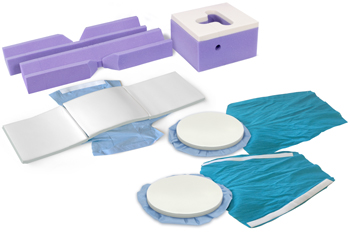
In medical aesthetics and broader medical device operations, disposable consumables are the single‑use components that keep equipment running safely, consistently, and profitably across brands and models. They directly affect treatment outcomes, regulatory compliance, and cost structure, yet are often managed in a fragmented, reactive way that erodes margins and patient trust. For multi-brand platforms, a data‑driven, standardized consumables strategy is now a core lever for safety, uptime, and ROI—not an afterthought.
How Is the Current Industry Handling Disposable Consumables and What Pain Points Exist?
Global healthcare generates hundreds of billions of dollars in medical waste each year, with single‑use consumables representing a major share of both cost and volume. In medical aesthetics clinics, consumables for energy-based devices (laser handpiece tips, RF needles, filters, cooling gels, toner cartridges, etc.) can account for 20–40% of per‑treatment cost, yet many clinics lack accurate tracking of real unit consumption or waste. Multi-brand device portfolios further complicate procurement and inventory, because each OEM has its own SKUs, lifecycles, and compatibility requirements.
Most small and mid‑size clinics still rely on manual tracking, spreadsheets, or vendor invoices to infer consumable usage. This leads to issues such as overstocking slow‑moving SKUs, frequent stockouts of high‑turn supplies, and ad‑hoc emergency orders at premium prices. Inconsistent documentation also increases compliance risk: without clear records of batch numbers, expiry dates, and usage per device, it becomes harder to prove adherence to safety and quality protocols during audits or incident investigations.
From a business standpoint, consumables are often treated as “small line items” rather than strategic cost drivers. Yet when clinics aggregate spend across lasers, RF, IPL, injectables support kits, and ancillary supplies, consumables can materially impact profitability per treatment room. Multi-brand environments face additional pain points: technicians must juggle different replacement intervals, incompatible components, and vendor‑locked accessories, while owners struggle to negotiate favorable pricing due to fragmented purchasing across several manufacturers.
What Exactly Are Disposable Consumables for Multi-Brand Platforms?
For multi-brand platforms in medical aesthetics and healthcare, disposable consumables are the single‑use or limited‑use items required to operate and maintain different devices from multiple manufacturers. Typical categories include:
-
Treatment interface components: handpiece tips, RF microneedling cartridges, dermabrasion tips, laser caps, filters, and nozzles.
-
Patient‑contact materials: gel pads, cooling gels, barrier films, single‑use covers, drapes, and sanitary protection.
-
Protection and safety items: eye shields, masks, gloves, adhesive grounding pads, and single‑use tubing.
-
Calibration and maintenance aids: test cartridges, indicator strips, cleaning swabs, and single‑use filters for cooling systems.
-
Packaging and handling: sterile pouches, tray liners, and single‑use containers for sharps or biological waste.
In a multi-brand environment, the same clinic might run a mix of OEM and refurbished devices from different brands, each with its own recommended or required consumables. Some consumables are brand‑specific and compatibility‑critical (e.g., proprietary RF cartridges), while others can be standardized or sourced from third‑party suppliers without compromising safety. Managing this ecosystem effectively requires clear visibility into what is truly brand‑locked, what can be harmonized, and how usage patterns differ by device, practitioner, and procedure mix.
ALLWILL approaches disposable consumables as an integral part of platform performance rather than a side note. By combining device expertise, Smart Center processing, and vendor‑agnostic inventory intelligence, ALLWILL helps practitioners understand their real consumables landscape across multiple brands, identify where standardization is possible, and ensure that brand‑specific items are sourced and tracked with full traceability.
Why Are Traditional Consumable Management Approaches Insufficient?
Traditional consumable management in clinics and med‑spa chains tends to rely on:
-
Manual inventory counts and spreadsheet logs.
-
Device‑by‑device ordering from multiple OEMs.
-
Reactive “just‑in‑time” orders when stock runs low.
-
Vendor‑locked purchasing with limited price transparency.
These methods break down in multi-brand environments. Each vendor offers its own ordering portals, MOQs, and discount tiers, forcing staff to spend hours every month navigating separate systems. Without consolidated data, clinics cannot easily benchmark per‑procedure consumable cost, identify waste, or negotiate volume‑based terms. Vendor lock‑in also limits flexibility to adopt equivalent consumables when appropriate and safe.
Risk management is another weak point. When consumables are tracked loosely, clinics face:
-
Unplanned cancellations due to stockouts for specific device brands.
-
Increased risk of using expired or incorrect components.
-
Difficulty proving traceability in case of complications.
From a growth perspective, these traditional approaches do not scale. As a clinic adds more devices—especially refurbished or traded‑in equipment—complexity grows non‑linearly. Without a structured, platform‑level consumable strategy, management is left guessing which services are truly profitable and which are being eroded by hidden consumable costs.
ALLWILL addresses these gaps by integrating consumables into its broader ecosystem of Smart Center refurbishment, the MET vendor management system, and the ALLWILLmatch inventory platform. Rather than treating consumables as isolated purchases, ALLWILL aligns them with device lifecycle, service workflows, and financial objectives.
How Does the ALLWILL Solution Define and Manage Disposable Consumables for Multi-Brand Platforms?
At the core of ALLWILL’s approach is a data‑driven definition of consumables tied to device performance and lifecycle. For each device—new or refurbished—ALLWILL maps:
-
Required OEM‑specific consumables and their safe usage limits.
-
Compatible alternative consumables where allowed.
-
Recommended replacement intervals based on test data from the Smart Center.
-
Typical consumption patterns by procedure type and patient volume.
This information feeds into the ALLWILL Smart Center, where devices are inspected, repaired, and refurbished under standardized protocols. During this process, consumables are validated for performance and safety, and any critical components with wear or remaining life are documented. This allows clinics to receive not only the device but a clear consumable roadmap: which items must be on hand, how long they typically last, and what KPIs to monitor.
Through the MET vendor management system, ALLWILL connects clinics with vetted technicians and trainers who understand multi-brand platforms and their consumable dependencies. Training includes practical guidance on optimizing consumable usage (e.g., avoiding early disposal, ensuring correct settings to prevent premature wear). ALLWILLmatch, ALLWILL’s inventory and sourcing platform, then provides a centralized, brand‑agnostic interface to manage consumable SKUs, consolidate orders, and reduce friction across suppliers.
Because ALLWILL offers both new and refurbished devices with brand‑agnostic consultation, clinics can make technology decisions with full visibility into consumable implications. This prevents scenarios where a device seems affordable upfront but carries high, opaque consumable costs that damage long‑term economics. Instead, consumables become part of a transparent total cost of ownership model.
Which Advantages Does ALLWILL’s Consumables Approach Offer Compared to Traditional Methods?
Solution Advantage Table: Traditional vs ALLWILL
| Aspect | Traditional consumable handling | ALLWILL multi-brand consumables approach |
|---|---|---|
| Data visibility | Limited; manual counts and invoices | Centralized usage and cost metrics across brands |
| Vendor management | Fragmented OEM‑by‑OEM ordering | Unified platform (ALLWILLmatch) plus MET‑managed vendors |
| Device compatibility | Trial‑and‑error or OEM‑only guidance | Smart Center‑validated compatibility across new/refurbished devices |
| Cost control | Reactive, hard to benchmark | Predictive demand planning and transparent TCO models |
| Risk & compliance | Higher risk of stockouts/expiry | Traceable batches, lifecycle‑aware replacement plans |
| Scalability | Struggles as device mix expands | Designed for multi-brand, multi‑site growth |
| Training | Varies by vendor, device‑specific | Integrated, brand‑agnostic training via vetted professionals |
By standardizing data, consolidating vendor interactions, and tightly coupling consumables to device performance, ALLWILL turns a traditionally chaotic cost center into a controllable, optimizable component of the multi-brand platform strategy.
How Can Clinics Implement an ALLWILL-Led Disposable Consumables Strategy Step by Step?
-
Define scope and inventory baseline
-
List all active devices by brand, model, and location.
-
Map current consumables: SKUs, vendors, prices, and monthly usage.
-
Identify critical consumables with high impact on revenue‑generating procedures.
-
-
Assess device condition and compatibility via ALLWILL
-
Use ALLWILL’s Smart Center to inspect key devices or refurbished units.
-
Document OEM‑required consumables, safe alternatives, and tested lifecycles.
-
Create device‑specific “consumable profiles” with recommended replacement rules.
-
-
Centralize vendor and inventory management
-
Onboard existing consumable suppliers into a unified view (or migrate to ALLWILLmatch where appropriate).
-
Use ALLWILL’s MET system to align technicians and trainers with standardized consumable usage practices.
-
Set minimum stock thresholds and reorder rules per consumable category.
-
-
Implement data tracking and KPIs
-
Track usage per procedure type, device, and practitioner.
-
Monitor key KPIs: cost per treatment, wastage rate, stockout incidents, and near‑expiry write‑offs.
-
Review anomalies (e.g., high cartridge usage on one device) with ALLWILL’s support team to identify root causes.
-
-
Optimize and scale
-
Use data insights to negotiate better terms, consolidate SKUs, or adopt validated third‑party consumables where safe.
-
Feed learnings into expansion decisions (e.g., which refurbished devices from ALLWILL to add without ballooning consumable costs).
-
Standardize best practices across sites, supported by ongoing MET training and Smart Center feedback.
-
What Are Four Typical Use Cases for Disposable Consumables on Multi-Brand Platforms?
Scenario 1: Multi-Brand Laser Suite With Frequent Stockouts
-
Problem
A clinic operates multiple lasers from different brands for hair removal and pigmentation. Staff frequently run out of specific tips and cooling gels, forcing last‑minute rescheduling and damaging patient experience. -
Traditional approach
Front desk staff order consumables reactively when shelves “look low,” contacting each OEM separately. No formal consumption tracking exists, and expiry checks are sporadic. -
After using ALLWILL
The clinic maps all lasers and consumables into a unified inventory view. ALLWILL’s Smart Center confirms which consumables are brand‑specific and which can be standardized. ALLWILLmatch sets automated reorder triggers based on procedure volume. -
Key benefits
-
Stockouts drop sharply, improving schedule reliability.
-
Cost per treatment becomes predictable.
-
Staff spend less time on ad‑hoc ordering, freeing them for patient‑facing work.
-
Scenario 2: Adding Refurbished Devices Without Consumable Cost Surprises
-
Problem
A group practice wants to expand services with refurbished devices but worries about hidden consumable costs and compatibility with existing inventory. -
Traditional approach
The practice buys refurbished devices based mainly on purchase price and occasional vendor assurances. Consumable implications are unclear until after installation, leading to unexpected expenses. -
After using ALLWILL
ALLWILL provides refurbished devices processed through the Smart Center, each with a detailed consumable profile. The practice receives TCO estimates including consumable usage. Where safe, compatible consumables are harmonized with existing SKUs. -
Key benefits
-
No “surprise” high‑margin consumables eroding profitability.
-
Faster integration of new services, because consumables are ready and mapped.
-
Data‑driven decision making on which devices to add or trade up.
-
Scenario 3: Chain Clinic Standardizing Across Sites
-
Problem
A growing chain operates multiple branches with different device mixes and local procurement habits. Some sites over‑order, others face chronic stockouts; leadership lacks visibility into overall consumable spend. -
Traditional approach
Each location manages its own consumables, tracking via local spreadsheets and vendor logins. Head office only sees costs through aggregated invoices. -
After using ALLWILL
ALLWILL helps centralize consumable management through ALLWILLmatch and MET. Smart Center data informs recommended standard device and consumable kits for each site type. KPIs for usage and wastage are tracked centrally. -
Key benefits
-
Reduced total consumable spend through consolidation and better forecasting.
-
Consistent quality of care and product availability across locations.
-
Easier ramp‑up when opening new sites, using standard multi-brand packages from ALLWILL.
-
Scenario 4: High-End Aesthetic Center Optimizing Premium Procedures
-
Problem
A premium aesthetic center offers advanced RF microneedling and laser resurfacing, where consumable cartridges are expensive. Management suspects unnecessary wastage but lacks proof. -
Traditional approach
Practitioners follow rough replacement habits (e.g., one cartridge per session) without verifying recommended lifecycles or usage logs. Data on per‑treatment consumable cost remains approximate. -
After using ALLWILL
ALLWILL’s Smart Center tests cartridges and handpieces to validate safe usage limits. MET trainers coach staff on best practices to reduce premature disposal. The center tracks consumable usage against procedure volume, device, and practitioner. -
Key benefits
-
Lower consumable cost per premium treatment without compromising safety.
-
Clear visibility into practitioner‑level patterns, enabling targeted coaching.
-
Improved profitability for high‑end services, supporting reinvestment in new technology.
-
Where Is the Future of Disposable Consumables for Multi-Brand Platforms Headed and Why Act Now?
The future of disposable consumables for multi-brand platforms is moving toward integrated, data‑driven ecosystems where every device, consumable, and service event is connected. Regulatory expectations for traceability, patient safety, and environmental responsibility are rising, while patients increasingly expect consistent quality regardless of which brand of device is used. Clinics that continue to manage consumables manually and in isolation will face higher operational risk, tighter margins, and reduced flexibility to adopt new technologies.
By contrast, a structured consumables strategy anchored by partners like ALLWILL turns a necessary cost into a controllable, optimizable lever. ALLWILL’s global infrastructure, Smart Center expertise, and platforms such as MET and ALLWILLmatch allow practitioners to integrate consumables into broader decisions about device sourcing, maintenance, and upgrades. Acting now enables clinics to build scalable systems before growth or regulatory change forces rushed, suboptimal fixes. At a time when efficiency, transparency, and trust define competitive advantage, elevating consumables management from reactive purchasing to strategic planning is no longer optional.
What Are Common Questions About Disposable Consumables for Multi-Brand Platforms?
What Are the Best Disposable Vape Pods Compatible with Multiple Brands?
The best disposable vape pods are designed for cross-brand compatibility, offering consistent flavor and vapor. Look for pods with adjustable airflow, high-capacity batteries, and reliable coil technology. ALLWILL recommends pods that minimize leaks and provide smooth hits, making them ideal for users who switch between devices frequently.
Which Multi-Brand E-Cigarette Disposable Accessories Should You Get?
Choose disposable e-cigarette accessories like pod adapters, mouthpieces, and refill cartridges that fit multiple brands. Prioritize products tested for durability and performance. Accessories that simplify refills and reduce device maintenance save time and improve convenience. Using trusted suppliers ensures quality and safety across all devices.
Where Can You Find Affordable Disposable Consumables for Multi-Brand Vape Platforms?
Affordable disposable consumables can be sourced from reputable distributors offering bulk packages and brand-agnostic compatibility. Focus on items that maintain performance without compromising flavor or lifespan. ALLWILL-quality options often combine cost-effectiveness with verified device compatibility, making them ideal for multi-device users seeking consistent results.
What Are the Best Flavored Disposable Pods for All Devices?
The best flavored disposable pods provide rich taste without clogging or leaks, compatible with multiple devices. Look for pods with varied nicotine strengths, long-lasting e-liquid capacity, and smooth draw resistance. Select flavors verified for cross-brand performance to ensure satisfying and consistent vaping experiences.
How Do Universal Disposable Consumables Work Across Multiple Vape Devices?
Universal disposable consumables are engineered with adaptable connectors, standardized sizes, and compatible coil structures to fit several brands. They simplify inventory management and reduce device-specific issues. By choosing quality-tested options, users can switch between devices seamlessly while maintaining performance and flavor integrity.
Which Eco-Friendly Disposable Consumables Are Available for Multi-Brand Vapes?
Eco-friendly disposable consumables use recyclable materials and reduced plastic e-liquids. Look for products certified for safety and brand versatility. These consumables lower environmental impact while ensuring performance across multiple devices. Sustainable options provide responsible vaping without sacrificing quality or compatibility.
Which Disposable Consumables Make Switching Between Devices Easy?
Consumables designed for easy device switching feature universal adapters, secure pod locks, and brand-agnostic fit. High-quality options prevent leaks and maintain flavor consistency, letting users alternate between devices with minimal setup. Streamlined design saves time and enhances convenience for multi-device vaping enthusiasts.
What Certified Disposable Consumables Are Safe for Multi-Brand Vapes?
Certified disposable consumables meet safety and performance standards, verified for cross-brand compatibility. They reduce risks of leaks, malfunction, or flavor degradation. ALLWILL supports sourcing certified products that are tested in controlled facilities, ensuring safe, reliable, and consistent results across all compatible devices.
Sources
-
Future of Reusable Consumption Models – World Economic Forum and Kearney
https://www3.weforum.org/docs/WEF_IR_Future_of_Reusable_Consumption_2021.pdf
Related articles
 Onda Pro Results: What Determines the Outcome in a Working ClinicKnowledge
 A Used Thermage FLX Console Earns Its Price with Verifiable Firmware, Handpiece, and Tip SupplyKnowledge
 How to Compare Quotes for the Same Used Aesthetic Device ModelKnowledge
 Used Medical Aesthetic Device Condition Grades: New, Like-New, Excellent, Working, and PartsKnowledge