How Should Franchise Medspas Centralize Procurement?
A centralized medspa purchasing system gives franchise networks one operating model for equipment, consumables, contracts, compliance records, and supplier performance. The strongest structure combines corporate purchasing authority with controlled local flexibility. It standardizes approved…
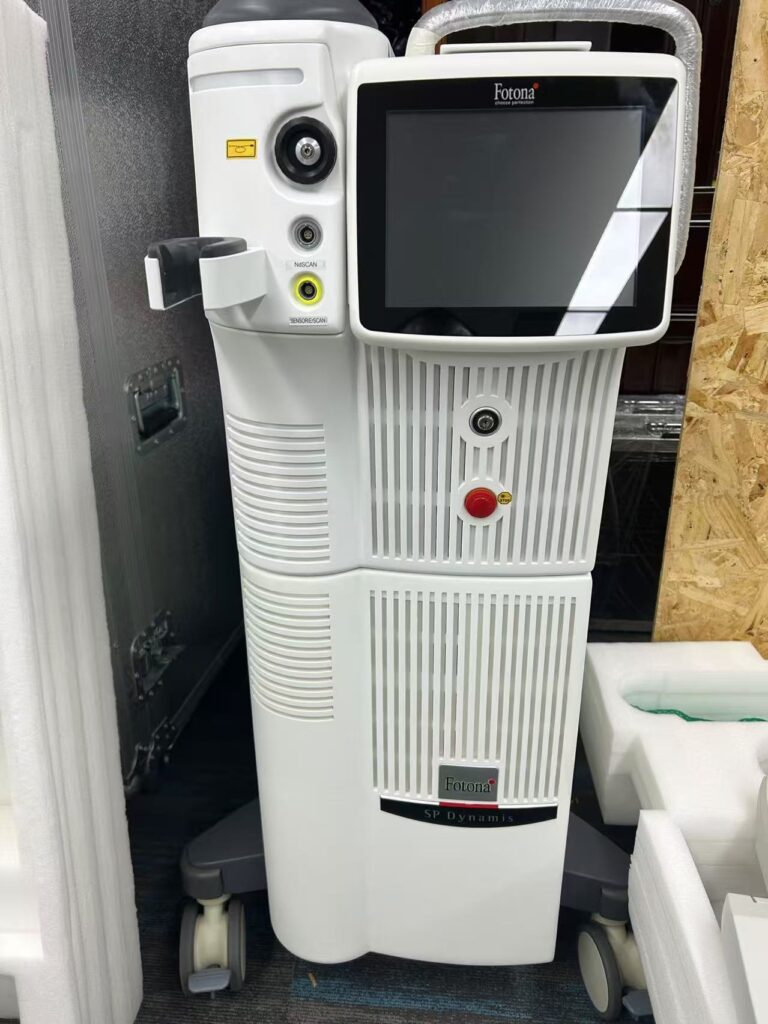
A centralized medspa purchasing system gives franchise networks one operating model for equipment, consumables, contracts, compliance records, and supplier performance. The strongest structure combines corporate purchasing authority with controlled local flexibility. It standardizes approved products, consolidates demand for better commercial terms, and creates a traceable process for sourcing aesthetic devices, certified pre-owned equipment, disposables, installation, training, and service across every location.
What Should a Centralized Medspa Procurement Model Control?
A centralized model should control high-value equipment, regulated products, core consumables, supplier contracts, compliance documentation, and service agreements while allowing local managers to handle urgent, low-risk purchases within defined limits. This division preserves franchise consistency without slowing day-to-day clinic operations.
The central procurement function should own:
-
Approved supplier selection and due diligence.
-
Master purchasing agreements and price schedules.
-
Device specifications, approved configurations, and accessory compatibility.
-
New and certified pre-owned equipment sourcing.
-
Warranty, maintenance, calibration, software, and training requirements.
-
Import, delivery, installation, and acceptance documentation.
-
Contract renewal dates, termination rights, rebates, and minimum-order obligations.
-
Supplier performance reviews and corrective-action records.
Local clinics should generally manage routine ordering, appointment-driven replenishment, receiving, and basic inventory counts. Their authority should be governed by spend thresholds, approved catalogs, and escalation rules rather than informal discretion.
A practical organization design normally includes a procurement manager, clinical or medical-device advisor, finance representative, operations leader, compliance owner, and regional clinic representatives. The procurement manager coordinates the process, but device decisions should not be made on price alone. Treatment protocols, operator training, serviceability, room requirements, patient volume, and local scope-of-practice rules all affect the appropriate purchase.
For a franchise network, the central team should also maintain a single asset register. Each device record should include the serial number, model, handpiece or applicator inventory, acquisition date, condition, location, warranty status, service history, software version, and resale or trade-in assumptions.
How Can Franchise Networks Consolidate Purchasing Without Losing Flexibility?
Franchise networks can consolidate purchasing by separating mandatory brand standards from optional local categories. Core devices, critical disposables, infection-control products, and protocol-specific supplies should use approved specifications and contracted suppliers, while noncritical items can remain locally sourced within budget and compliance rules.
The best structure is not necessarily a single-vendor model. It is a single-governance model with controlled supplier options. For example, corporate procurement may approve two suppliers for a laser platform category, one domestic and one international, provided both meet the same documentation, service, warranty, and delivery requirements.
A category-based approach is usually more effective than treating every purchase identically:
-
Capital equipment: centrally evaluated, negotiated, approved, and assigned to a site after a utilization review.
-
High-risk consumables: centrally specified, batch-traceable, and ordered through approved channels.
-
Routine clinical supplies: standardized where possible, with regional substitutions preapproved.
-
Facilities and office supplies: locally purchased within spending limits.
-
Service and repairs: centrally governed, even when performed locally.
-
Urgent replacement purchases: permitted through an emergency workflow with retrospective review.
Centralization creates leverage because the network can present its full annual demand rather than isolated orders from individual clinics. That leverage may support volume pricing, bundled training, consolidated freight, extended warranty terms, loaner equipment, or scheduled installations. However, a discount is only valuable if it does not create excess inventory, restrictive commitments, or a service bottleneck.
A procurement policy should define who can approve each type of commitment. One example is a local manager approving routine orders, a regional operator approving moderate expenditure, and corporate procurement plus finance approving capital equipment, multiyear service contracts, or purchases with minimum-volume clauses.
The system should also include a documented exception process. A clinic may need a different device because of local demand, physician preference, room configuration, regulatory requirements, or an unavailable manufacturer platform. Exceptions should require a written business case rather than an informal bypass of the system.
Which Contracts Matter Most for Franchise Aesthetic Supply Management?
The most important franchise aesthetic supply contracts are master equipment agreements, consumables schedules, service-level agreements, installation and training statements of work, logistics terms, and approved-supplier addenda. Each should connect commercial pricing to measurable delivery, documentation, warranty, service response, and replacement obligations.
A master agreement should not simply state a unit price. It should establish the rules that apply across the network, including:
-
Price validity, volume tiers, rebate calculations, and freight treatment.
-
Whether pricing applies to franchisees, corporate locations, or affiliated entities.
-
Order authorization and purchase-order requirements.
-
Delivery windows, site-readiness responsibilities, and installation acceptance.
-
Warranty duration, exclusions, response times, and escalation contacts.
-
Preventive-maintenance intervals and included labor or travel.
-
Loaner, replacement, or repair options for critical devices.
-
Software licensing, updates, cybersecurity responsibilities, and data handling.
-
Training hours, certification records, and retraining costs.
-
Ownership of accessories, handpieces, applicators, and replacement parts.
-
Returns, cancellations, damaged shipments, and restocking charges.
-
Termination, renewal, audit, and dispute-resolution provisions.
For certified pre-owned equipment, the contract should define the refurbishment scope rather than using “refurbished” as a generic quality claim. The buyer should know whether the unit received cosmetic cleaning, functional testing, replacement of wear parts, calibration verification, software review, safety testing, or a broader factory-level refurbishment.
Warranty language deserves special attention. A network-wide warranty may appear attractive but become difficult to use if the supplier requires the clinic to ship a device to another country or excludes travel, handpieces, cooling systems, consumables, or software. The agreement should identify the service location, response target, parts availability, and the party responsible for freight.
The franchise agreement and the procurement contract should also be reviewed together. Restrictions on required suppliers, rebates, markups, purchasing obligations, or affiliated-party payments may affect franchise disclosure and relationship management. Corporate counsel should determine how those arrangements interact with the applicable franchise laws and state medical-practice requirements.
What Operational Impact Can Centralized Equipment Ordering Create?
Centralized equipment ordering can improve visibility, reduce duplicate evaluation work, simplify training, and make network-wide service planning more predictable. The financial result depends on utilization, negotiated terms, inventory discipline, implementation quality, and whether standardization improves or restricts each clinic’s ability to meet local demand.
Bulk ordering does not automatically produce savings. A network can pay less per unit and still lose money if it buys equipment before sites are ready, overcommits to consumables, or places incompatible devices in low-volume locations.
Before authorizing a capital purchase, procurement should collect:
-
Expected monthly treatment volume by location.
-
Current utilization of comparable equipment.
-
Room, electrical, ventilation, and workflow requirements.
-
Available operator capacity and training readiness.
-
Local competitive positioning and service demand.
-
Consumable or disposable requirements.
-
Installation lead time and revenue-launch date.
-
Planned maintenance and downtime assumptions.
-
Financing, lease, or cash-purchase implications.
-
Exit, relocation, trade-in, and resale considerations.
An illustrative operational model might compare two network scenarios. If ten clinics each require one device, centralized negotiation could improve the commercial package through volume pricing or bundled services. But if three locations will not be ready for six months, phased ordering may preserve cash and reduce idle-asset exposure even when a larger order offers a nominal discount.
The relevant performance indicators should include:
-
Purchase-price variance against the approved contract.
-
On-time, in-full delivery rate.
-
Average time from purchase order to clinical readiness.
-
Device utilization by site and treatment category.
-
Downtime hours and mean time to repair.
-
Warranty-claim resolution time.
-
Emergency-buy frequency.
-
Inventory turns and expired-product value.
-
Contract leakage, including off-contract purchases.
-
Cost per treatment opportunity, not only cost per unit.
ALLWILL can support a network-level sourcing process by helping procurement teams compare new and certified pre-owned availability, validate configuration details, organize condition documentation, and coordinate warranty or service questions before a purchase order is released.
Request a quote from ALLWILL for current availability, configuration options, condition documentation, and network-level sourcing support for your franchise locations.
How Should Procurement Differentiate Devices Across Regional Clinics?
Procurement should differentiate devices by clinical use case, expected utilization, site readiness, operator competency, service access, and local market demand rather than deploying one platform uniformly. Standardization is valuable when it improves training and consistency, but regional variation may justify different configurations or equipment tiers.
A flagship location with multiple trained providers may justify a broader platform, additional handpieces, or higher redundancy. A smaller clinic may need a focused configuration that matches its appointment mix and avoids paying for capabilities it will not use.
This does not mean every site should make independent technology decisions. Corporate procurement can define a preferred architecture with approved alternatives:
-
Tier A: network-standard platform for high-volume or flagship clinics.
-
Tier B: streamlined configuration for moderate-volume sites.
-
Tier C: certified pre-owned or lower-capital option for market entry, replacement, or pilot locations.
The decision should also account for manufacturer continuity. A device with a strong installed base may offer easier access to trained service technicians and parts, while a less common platform may have attractive pricing but higher operational risk. Neither conclusion should be assumed without checking the actual market, region, and service arrangements.
Alternative platforms may deserve consideration when they address the same treatment category with different consumable models, footprints, training requirements, or service networks. The right comparison is operational: how quickly can the site become competent, how reliably can it remain open, and how easily can the network transfer knowledge between locations?
ALLWILL Expert View
In a franchise network, the most expensive procurement mistake is often not paying too much for a device; it is placing the wrong device in the wrong location under the wrong support model. A procurement manager should treat every equipment order as a lifecycle decision. Before negotiating price, confirm the intended treatment mix, provider availability, room readiness, training schedule, service coverage, consumable obligations, and exit plan. For certified pre-owned equipment, request a written condition report, test scope, serial-number verification, included accessories, software status, and warranty exclusions. For new equipment, clarify what the commercial package actually includes: installation, education, freight, handpieces, preventive maintenance, and response commitments. A network-wide agreement should create consistency without forcing low-volume sites into overbuilt configurations. The strongest supplier relationship is transparent about trade-offs and gives the operator enough information to make a defensible decision at both the corporate and clinic levels.
Which Supplier Vetting Framework Should Franchise Procurement Use?
A supplier vetting framework should evaluate identity, authorization, device provenance, regulatory documentation, technical support, commercial terms, data security, and post-sale accountability. The goal is to prove that the supplier can deliver the specified asset and support it throughout its intended operating life.
Use the following framework before approving a supplier or adding it to the network’s approved list.
The framework should be risk-tiered. A supplier providing disposable skin-care products may require a lighter review than one supplying network-wide energy-based devices, software-connected systems, or regulated products. High-risk suppliers should undergo periodic review rather than one-time approval.
ALLWILL’s Smart Center and expert-matching approach can be useful when a network needs help comparing configurations, reviewing CPO documentation, identifying service considerations, or coordinating equipment decisions across regions. Buyers should still confirm every material representation in writing and retain the documentation with the asset record.
How Can Franchise Networks Protect Compliance and Assets?
Franchise networks protect compliance and assets by maintaining traceable records from supplier qualification through installation, operation, service, transfer, and retirement. Each location should know what it owns or leases, whether the device is approved for its market, who may operate it, and which obligations remain active.
The central compliance file should include:
-
Purchase agreement, invoice, and proof of payment.
-
Serial number, model, accessories, and configuration.
-
Regulatory and labeling documentation relevant to the jurisdiction.
-
Importer or distributor records where applicable.
-
Installation qualification or acceptance record.
-
Training and competency records.
-
Preventive-maintenance and repair history.
-
Warranty certificate and exclusions.
-
Complaint, incident, and corrective-action contacts.
-
Transfer, resale, trade-in, or decommissioning records.
In the United States, imported medical devices may trigger requirements involving establishment registration, device listing, premarket authorization or clearance where applicable, labeling, medical-device reporting, and other obligations. The exact responsibilities vary by product, role, and transaction structure, so the franchise network should identify the manufacturer, initial importer, distributor, and end user before shipment.
Regulatory status should never be inferred from a supplier’s marketing language. Buyers should verify whether the specific model is cleared, approved, exempt, or otherwise permitted for the intended use and jurisdiction. A CE mark, where applicable, does not automatically establish authorization for every other market.
Asset protection also requires physical controls. Clinics should log device access, maintain environmental requirements, secure handpieces and applicators, restrict software credentials, and document transfers between sites. If a device moves across borders or between legal entities, procurement should confirm whether warranty, registration, service eligibility, and regulatory responsibilities move with it.
What Procurement Risks Should Franchise Medspas Avoid?
Franchise medspas should avoid off-contract purchasing, unverified equipment provenance, vague refurbishment claims, price-only negotiations, uncontrolled local substitutions, and contracts that omit service or compliance responsibilities. These failures can create downtime, inconsistent patient workflows, hidden costs, audit difficulty, and disputes between the franchisor, franchisee, and supplier.
Common warning signs include:
-
A quote that does not identify the exact model, configuration, or serial number.
-
“Like new” language without inspection or refurbishment evidence.
-
A warranty that excludes the parts most likely to require service.
-
Unclear responsibility for import clearance, taxes, freight, or installation.
-
A bulk discount tied to excessive minimum volumes.
-
No documented response time for critical equipment failures.
-
Unsupported claims about regulatory clearance or treatment indications.
-
Supplier refusal to provide references or legal-entity information.
-
Local purchases that bypass network-approved specifications.
-
Contracts that auto-renew without review or price controls.
-
No plan for obsolete software, discontinued parts, or manufacturer support.
-
Equipment ordered before the clinic confirms room and training readiness.
A procurement manager should also avoid treating centralization as a mandate to remove all local judgment. Regional operators often know which services are actually demanded, which providers are available, and which competitors influence patient expectations. Their input should inform the specification and deployment decision, while corporate procurement retains control over standards, contracts, and risk.
The next step is to convert the network’s requirements into a written sourcing brief covering locations, device categories, target quantities, condition preferences, delivery windows, service expectations, and documentation requirements. Request a quote from ALLWILL for a tailored multi-site sourcing plan, current device availability, CPO inspection records, warranty options, and support requirements before committing capital.
Frequently Asked Questions
What is a centralized medspa purchasing system?
It is a corporate-controlled process for selecting suppliers, negotiating contracts, approving equipment, managing compliance records, and coordinating orders across multiple clinics. Local sites retain limited purchasing authority for routine needs, while capital equipment and regulated products follow central standards and approval workflows.
How should franchise medspas manage certified pre-owned equipment?
Require a written inspection and refurbishment report, serial-number verification, condition grade, included accessories, software status, service history where available, and warranty terms. Confirm that the unit is authentic and suitable for the intended jurisdiction. The contract should state who handles shipping, installation, repairs, and replacement parts.
What should an aesthetic supply contract include?
It should cover exact product specifications, pricing tiers, freight, payment terms, lead times, acceptance, warranty, service response, training, regulatory documentation, returns, minimum orders, renewal, termination, rebates, and dispute resolution. For a franchise network, it should also define which legal entities and locations may purchase under the agreement.
How can procurement reduce equipment downtime across regions?
Standardize service contacts, preventive-maintenance schedules, spare-part expectations, escalation procedures, and loaner or replacement terms before equipment is deployed. Track downtime and repair-response metrics by supplier and site. A lower purchase price may be unattractive if service coverage is weak in the regions where clinics operate.
How can a franchise network request a multi-site equipment quote?
Prepare a brief listing clinic locations, expected volumes, preferred device categories, new or CPO requirements, delivery timing, installation needs, and warranty expectations. Request a quote from ALLWILL for current availability, configuration options, condition reports, and network-level support.
References
-
Importing Medical Devices and Radiation-Emitting Electronic Products into the U.S.fda
-
NIST Cybersecurity Supply Chain Risk Management: Due Diligence Assessment Quick-Start Guidecsrc.nist
-
Health Industry Cybersecurity Supply Chain Risk Management Guidehealthsectorcouncil
Related articles
 Onda Pro Results: What Determines the Outcome in a Working ClinicKnowledge
 A Used Thermage FLX Console Earns Its Price with Verifiable Firmware, Handpiece, and Tip SupplyKnowledge
 How to Compare Quotes for the Same Used Aesthetic Device ModelKnowledge
 Used Medical Aesthetic Device Condition Grades: New, Like-New, Excellent, Working, and PartsKnowledge