
How Can Medspas Build In-House Laser Maintenance?
A clinic can reduce dependence on factory technicians by building a controlled, selective maintenance program—not by attempting every repair internally. The practical model combines trained personnel, calibrated measurement equipment, critical spare parts, documented procedures,…
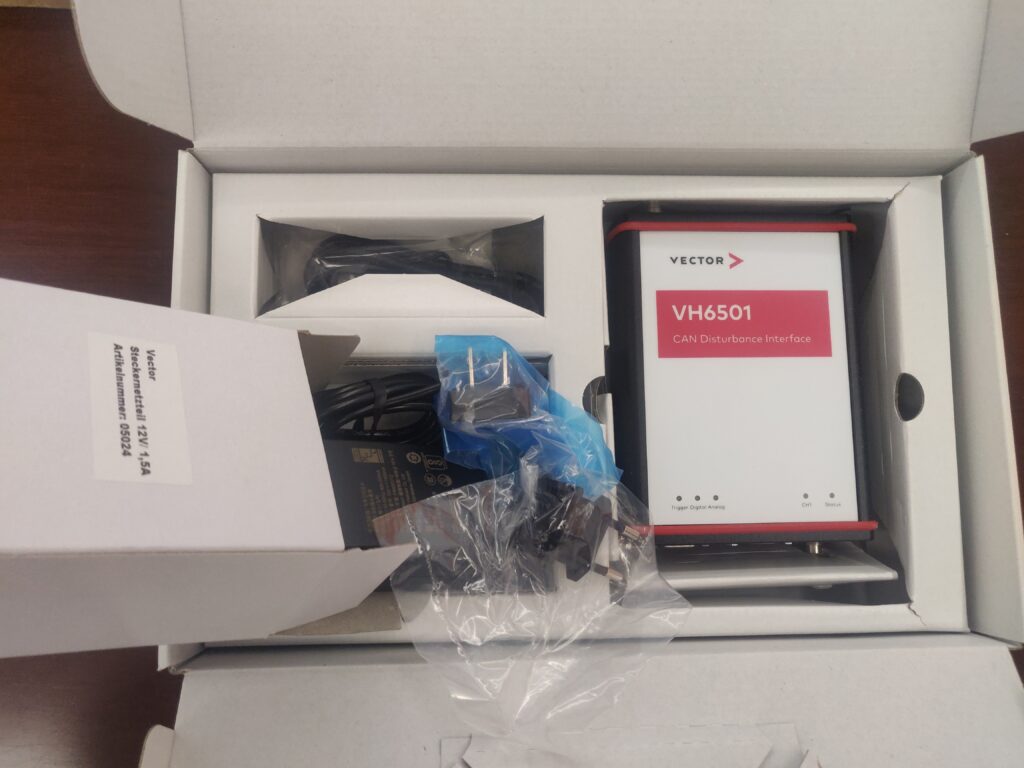
A clinic can reduce dependence on factory technicians by building a controlled, selective maintenance program—not by attempting every repair internally. The practical model combines trained personnel, calibrated measurement equipment, critical spare parts, documented procedures, laser-safety governance, and an escalation path for high-risk work. For many medspas, preventive maintenance and diagnostics belong in-house, while optical alignment, high-voltage work, and proprietary module repair remain specialist services.
What Does an In-House Laser Maintenance System Include?
An in-house system is a managed capability for inspecting, testing, documenting, and performing approved maintenance on aesthetic lasers and energy-based devices. It is not simply a stockroom, a toolbox, or permission for operators to open equipment after a fault.
A mature program typically includes:
-
An equipment inventory with model, serial number, wavelength, location, age, usage, and service status.
-
Preventive-maintenance schedules based on manufacturer guidance, operating hours, treatment volume, and failure history.
-
A calibrated measurement system for optical output, electrical behavior, temperature, flow, and safety interlocks.
-
Trained operators and technical staff with clearly defined authorization levels.
-
Critical spare parts selected for each supported platform.
-
Written work instructions, lockout procedures, acceptance criteria, and escalation rules.
-
A secure maintenance record containing baseline measurements, repairs, calibration certificates, and warranty terms.
-
A qualified external resource for tasks outside the clinic’s competence or authorization.
The appropriate scope depends on the clinic’s fleet. A location operating one low-volume diode system may need an inspection and preventive-maintenance capability rather than a full repair department. A multi-site group with several lasers, body-contouring platforms, chillers, handpieces, and legacy devices may justify a biomedical equipment technician or regional service lead.
The strongest objective is operational resilience, not total independence. A clinic should know which tasks it can perform safely, which tasks require manufacturer involvement, and which tasks should be sent to a qualified third-party service provider.
Which Maintenance Tasks Can Clinics Perform Internally?
Clinics can often perform documentation, visual inspection, cleaning, consumable replacement, approved filter changes, coolant checks, output verification, and basic fault isolation internally when personnel are trained and the manufacturer permits those activities.
Suitable internal work may include:
-
Checking handpieces, cables, fibers, connectors, windows, and treatment interfaces.
-
Inspecting air filters, water filters, fans, vents, reservoirs, tubing, and external fittings.
-
Replacing approved filters, seals, lamps, fuses, or other user-serviceable items.
-
Measuring output with an appropriate calibrated meter.
-
Verifying coolant level, flow indication, temperature, and alarm history.
-
Reviewing treatment counters, pulse counts, fault logs, and service intervals.
-
Cleaning external optics according to the manufacturer’s procedure.
-
Confirming footswitch, emergency-stop, key-switch, door-interlock, and warning-indicator operation.
-
Recording baseline and post-maintenance performance.
-
Removing a device from clinical use when test results fall outside approved limits.
Internal service should stop when the task involves energized high-voltage circuits, sealed laser modules, pressure systems, radiation safety controls, proprietary software, optical cavity alignment, or a repair that changes the device’s approved configuration.
A clinic should not confuse operator maintenance with servicing. Operator maintenance is usually limited to actions described in the user manual. Servicing may involve adjustment, component replacement, calibration, or disassembly that can affect safety and essential performance.
FDA guidance distinguishes servicing from remanufacturing based on whether an activity significantly changes a device’s performance or safety specifications. That distinction should be reviewed before a clinic develops a repair procedure or modifies a device.
How Should the Parts Inventory Be Designed?
A parts inventory should be built around failure probability, lead time, clinical impact, storage requirements, and platform compatibility. Stocking every possible component is expensive and can create counterfeit, obsolete, or poorly controlled inventory.
Divide parts into three practical groups:
Fast-moving consumables and service items
These may include approved water filters, air filters, O-rings, tubing, clamps, fuses, fan assemblies, cleaning materials, protective windows, and other manufacturer-specified items. Their identity, shelf life, storage conditions, and compatibility should be documented.
Critical downtime-control parts
These are components whose absence can keep an otherwise serviceable device out of operation. Examples may include pumps, flow sensors, thermistors, power supplies, handpiece cables, footswitches, connector assemblies, and selected control boards, depending on the platform.
Specialist or controlled components
Laser bars, diode modules, flashlamps, Q-switches, galvanometer assemblies, RF drivers, high-voltage capacitors, proprietary optical assemblies, and software-locked boards often require specialist sourcing, calibration, or installation. These should not automatically be stocked merely because they are expensive or difficult to obtain.
For each part, record:
-
Exact manufacturer part number.
-
Compatible models and revisions.
-
Original, refurbished, or aftermarket status.
-
Source and traceability.
-
Date received and storage conditions.
-
Warranty and return restrictions.
-
Shelf life or replacement interval.
-
Installation and calibration requirements.
-
Whether the part affects regulatory or safety performance.
Parts supplied by a reputable independent distributor may be suitable, but the clinic should verify fit, provenance, warranty, and any manufacturer restrictions. ALLWILL can support parts sourcing, CPO equipment evaluation, and replacement planning when a clinic needs to decide whether to repair an aging system or transition to another platform.
Do not install an apparently compatible component without confirming electrical ratings, wavelength, thermal requirements, connector geometry, firmware compatibility, and safety impact.
What Calibration Meters Does a Clinic Need?
The minimum measurement set depends on the devices supported, but a clinic should be able to verify the outputs and operating conditions that matter for safe, repeatable performance. Measurement equipment must be suitable for the wavelength, power range, pulse duration, beam geometry, and delivery method.
A practical instrumentation set may include:
-
A calibrated optical power meter with detectors appropriate to the device’s wavelengths and output range.
-
An energy meter for pulsed systems where average power alone is insufficient.
-
A thermopile or equivalent detector for higher-power optical output.
-
A wavelength meter or approved spectral verification method where wavelength drift is a relevant risk.
-
A digital multimeter rated for the electrical measurements actually authorized.
-
A current probe or manufacturer-approved current diagnostic method.
-
Temperature probes for coolant, heat sinks, ambient conditions, or approved test points.
-
A flow meter or verified flow-testing method for liquid-cooled systems.
-
Pressure measurement where the cooling architecture requires it.
-
An electrical safety analyzer for applicable leakage, grounding, and protective-conductor tests.
-
An oscilloscope only when staff are trained and the measurement can be performed safely.
-
Inspection lighting, magnification, fiber inspection tools, and approved cleaning materials.
-
A calibrated test fixture or phantom where required for delivery-system verification.
The meter’s display is not automatically evidence of accuracy. Calibration should be traceable to a recognized national or international standard, with certificates retained and calibration intervals established by manufacturer guidance, usage, environment, and risk.
A clinic should also validate the measurement chain. Detector choice, aperture placement, fiber alignment, pulse repetition rate, warm-up time, and ambient conditions can materially change readings. If an internal power monitor disagrees with an external meter, do not immediately adjust the device; first verify both instruments and the test method.
How Does In-House Capability Affect Uptime and Cost?
An in-house maintenance system can reduce avoidable downtime by identifying deteriorating filters, cooling systems, handpieces, connectors, and output trends before they become treatment-day failures. It does not eliminate repair costs, parts purchases, calibration expenses, or the need for specialist service.
The financial case should include:
-
Technician or biomedical staff compensation.
-
Training and recurring competency assessment.
-
Calibration equipment and annual calibration.
-
Parts inventory and inventory carrying cost.
-
Maintenance software or document-control tools.
-
Laser-safety program administration.
-
Insurance and liability review.
-
External service retained for escalated work.
-
Downtime avoided through earlier detection.
-
Lost treatment capacity during repair or testing.
Illustrative planning ranges can vary widely. A basic measurement and documentation setup may require several thousand dollars, while a broader multi-platform instrumentation program can reach the low tens of thousands before staff costs, calibration, and specialized fixtures. These are estimates, not quotations.
Payback should be calculated from actual service invoices, travel charges, downtime, and failure history. If a clinic spends $8,000–$20,000 annually on avoidable service calls and invests $15,000–$40,000 in tools, training, and procedures, the investment may be commercially reasonable—but only if the clinic can maintain competence and use the equipment consistently.
A maintenance capability can also improve asset value. Documented output tests, coolant records, calibration certificates, and service reports help a future lender, buyer, insurer, or trade-in partner assess the device.
Request a quote from ALLWILL for an equipment-support plan, replacement device, CPO alternative, or trade-in assessment before committing capital to a repair program that may not suit the clinic’s fleet.
How Can an On-Site Maintenance Readiness Framework Guide Investment?
A clinic should build its maintenance program in stages, matching technical scope to risk, fleet size, utilization, and staff capability. The following framework is the single practical decision aid for deciding what belongs in-house and what should remain with an authorized or qualified external specialist.
On-Site Maintenance Readiness Framework
This framework deliberately leaves high-risk work outside routine clinic activity unless the organization has the required engineering controls, training, service documentation, and authorization.
Which Team Skills Are Required?
A reliable program requires more than a technically confident employee. The team should combine clinical operations, laser safety, biomedical engineering, documentation, and procurement skills.
Core roles may include:
-
Laser Safety Officer or designated responsible person: Oversees hazard controls, training, room controls, signage, protective eyewear, incident response, and maintenance safety.
-
Biomedical or service technician: Performs approved inspections, measurements, troubleshooting, and documentation.
-
Clinical lead: Connects device performance with approved treatment workflows and removes equipment from use when concerns arise.
-
Procurement or asset manager: Controls parts, warranties, service contracts, ownership records, and replacement decisions.
-
External specialist: Handles proprietary, high-voltage, optical, software, or manufacturer-restricted work.
Training should be specific to the equipment and the tasks performed. ANSI Z136.3 addresses the safe use of lasers in health care and includes personnel involved in installation, calibration, maintenance, and service. OSHA materials also identify ANSI laser-safety standards as useful references for health-care laser programs.
Competency should be demonstrated, not assumed. A staff member who can replace an approved filter may not be qualified to measure pulsed output, adjust a power supply, align an optical path, or validate a repaired handpiece.
What Compliance and Asset Records Should Be Maintained?
A clinic must preserve evidence that its device is authentic, properly maintained, appropriately serviced, and operated within applicable requirements. In-house maintenance does not transfer regulatory responsibility away from the manufacturer, owner, operator, or responsible medical organization.
Maintain:
-
Manufacturer, model, serial number, and configuration.
-
FDA, CE, or other region-specific documentation where applicable.
-
User and service manuals.
-
Preventive-maintenance schedules.
-
Calibration certificates and measurement methods.
-
Parts identity, source, and installation records.
-
Repair reports and return-to-service approvals.
-
Laser-safety policies, training, and incident records.
-
Warranty terms and written exclusions.
-
Software and firmware versions.
-
Import, ownership, lease, and lien documents.
-
Disposal or decommissioning records.
FDA requirements for laser products include radiation-safety performance standards, while medical-device obligations may vary by product and intended use. A 510(k) clearance, where applicable, should be verified for the exact device and indication; it does not authorize every repair, configuration, or clinical use.
For CPO equipment, obtain a clear condition grade, refurbishment scope, output and safety test results, warranty terms, and compliance documentation. ALLWILL can facilitate verified sourcing and expert matching, but the clinic should confirm the documentation in writing and involve legal, accounting, and compliance advisers where appropriate.
What Procurement Risks Should Clinics Avoid?
The greatest risk is building an internal repair capability without defining its limits. A clinic may save a travel fee while creating a larger exposure through incorrect calibration, undocumented modifications, unsafe testing, voided warranty coverage, or an unreliable device.
Avoid:
-
Buying meters without confirming wavelength, power, pulse, and detector compatibility.
-
Treating a calibration sticker as proof that the instrument is suitable for the test.
-
Stocking untraceable or counterfeit parts.
-
Allowing one employee to become the only person who understands the fleet.
-
Bypassing interlocks, flow switches, temperature controls, or access protections.
-
Repairing proprietary optical modules without the necessary fixtures and procedures.
-
Failing to document pre-repair and post-repair performance.
-
Letting an out-of-warranty device operate without a defined escalation rule.
-
Assuming a CPO label means every wear component was replaced.
-
Comparing internal maintenance only with factory hourly rates.
-
Ignoring liability, insurance, and local requirements for high-power laser service.
-
Purchasing a replacement system before confirming whether repair, trade-in, or CPO sourcing is more practical.
An independent program should make the clinic more informed, not less accountable. If a device cannot be tested reliably or repaired within documented limits, remove it from service and escalate the decision.
ALLWILL Expert View
Operational self-reliance is most valuable when it improves decision quality rather than creating the illusion that every repair can be performed internally. A clinic should own the baseline data, maintenance history, parts records, and service decision, even when a manufacturer or specialist performs the physical repair. That structure reduces unnecessary visits because the technician receives useful measurements before arriving and helps the clinic challenge vague diagnoses or unsupported replacement recommendations. The right internal investment is usually selective: calibrated output measurement, cooling and filter control, strong documentation, trained operators, and one competent technical owner. More complex work should remain with a qualified resource until the clinic can demonstrate the required tools, procedures, and competency. A well-maintained CPO device with complete test records may be a better operational asset than a newer system with weak service support. When evaluating independence, count avoided downtime, preserved warranties, employee continuity, and asset value—not only factory labor charges. The goal is controlled resilience, with clear boundaries and an escalation path.
Frequently Asked Questions
Can a medspa perform its own aesthetic laser maintenance?
It can often perform approved inspections, cleaning, filter and coolant checks, output monitoring, and basic preventive maintenance after appropriate training. High-voltage work, optical alignment, sealed-module repair, software changes, and safety-control adjustments usually require qualified specialist support. Follow the manufacturer’s service instructions and local requirements.
What equipment is needed for in-house laser repair?
The required tools depend on the fleet, but may include calibrated optical power and energy meters, suitable detectors, temperature and flow instruments, electrical safety equipment, fiber-inspection tools, approved cleaning supplies, and manufacturer-specific fixtures. Instrument compatibility and calibration matter more than owning a large general-purpose toolbox.
How much does an in-house maintenance program cost?
A basic program may require several thousand dollars for measurement equipment, training, and initial parts. A multi-platform capability can reach the low tens of thousands before staffing and recurring calibration. These are broad estimates; compare the investment with actual service invoices, downtime, and failure frequency.
Does in-house repair void a laser warranty?
It may, depending on the contract, task, part, and manufacturer. Review written warranty exclusions before opening equipment or installing non-OEM components. Document all work and ask the manufacturer or service provider to confirm in writing which maintenance activities are permitted.
Should a clinic build maintenance capability or buy a CPO replacement?
Compare fleet size, repair history, parts availability, staff competence, warranty, downtime, and remaining service life. A CPO replacement may offer documented testing and support, while internal maintenance may suit a stable fleet with recurring service needs. Request a quote from ALLWILL for both options.
References
-
FDA White Paper: Evaluating Whether Activities are Servicing or Remanufacturingfda
-
OSHA Technical Manual — Section III: Chapter 6, Laser Hazardsosha
-
Laser Products and Instruments, U.S. Food and Drug Administrationfda
-
Frequently Asked Questions on Medical Device Servicingadvamed
-
Laser Parts, Components, Spares — Laser Consumablestjslasers
-
Aesthetic Laser Equipment Repair and Maintenancelaserservicesolutions
-
How to Keep Your Cosmetic Laser Machines Running Optimallymedlaserusa
Related articles
 Trade-In Value of Used Medical Equipment: How Credit Is Applied to the Next PurchaseKnowledge
 Sofwave Machine Cost: Purchase Price Versus Per-Treatment EconomicsAesthetic Device Buying
 Mobile MRI Machine Cost: When the Trailer Beats BuyingAesthetic Device Buying
 How Much Does a CT Scanner Cost: The Configuration Lines That Set the PriceAesthetic Device Buying