
How Are High‑Profile Upgrades to Candela’s Delivery Systems Shaping 2026 Aesthetic Clinics?
Leading providers such as Ideal Image have begun large‑scale technology upgrades in April 2026, rolling out the latest Candela GLX Delivery System across their chains. This shift is designed to boost treatment throughput and…
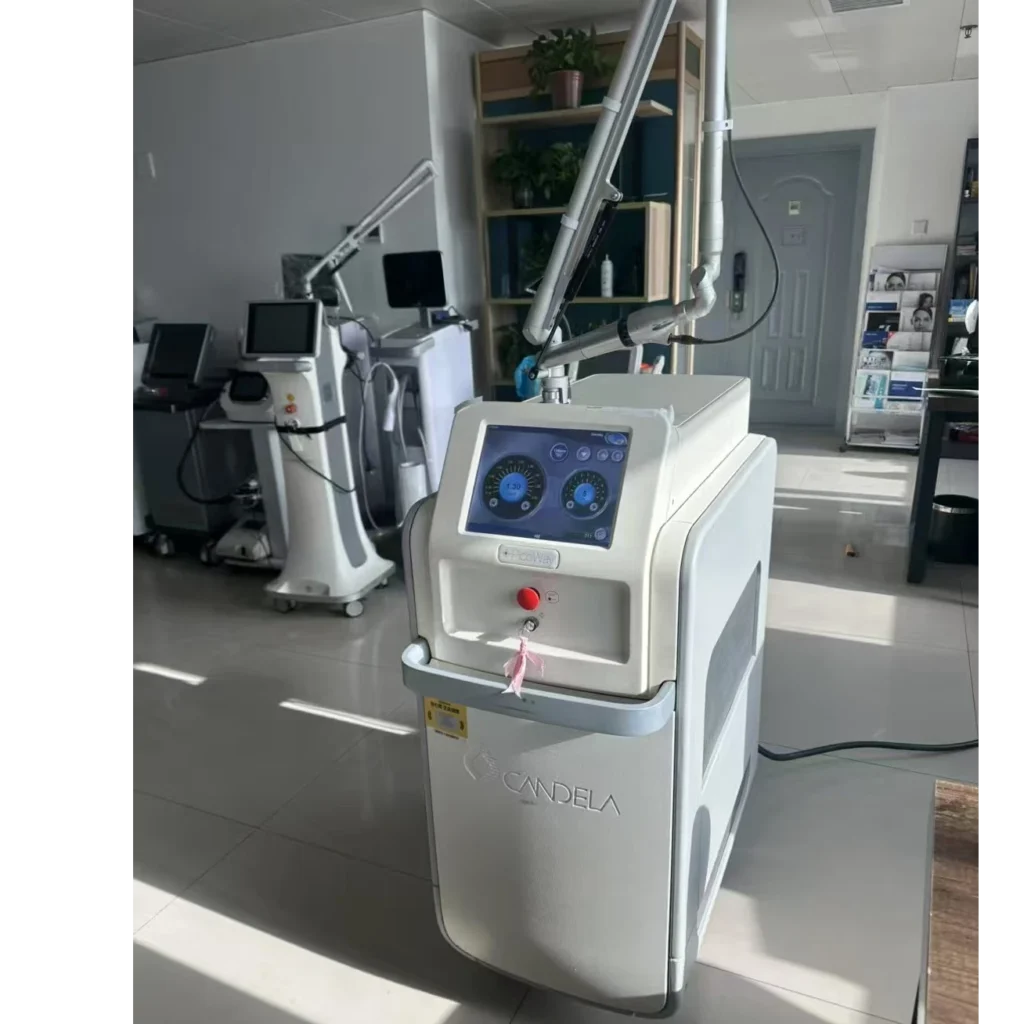
Leading providers such as Ideal Image have begun large‑scale technology upgrades in April 2026, rolling out the latest Candela GLX Delivery System across their chains. This shift is designed to boost treatment throughput and patient comfort for laser hair removal and skin rejuvenation, creating a “trickle‑down” effect in the secondary market and making high‑quality used units like the 2019/2021 Candela PicoWay increasingly attractive for mid‑sized practices seeking premium results without the $200k+ price tag of brand‑new 2026 systems.
Medical & Aesthetic Devices | New & Used | ALLWILL
What Are High‑Profile Upgrades to Candela’s Delivery Systems (April 2026)?
High‑profile upgrades to Candela’s delivery systems in April 2026 center on the GLX Delivery System for the GentleMax Pro Plus platform, which large chains are adopting to increase speed, reliability, and patient comfort. These upgrades bundle a new single‑applicator handpiece, a dedicated glass fiber, and updated software that collectively raise treatment throughput while reducing mechanical wear. The move signals that top‑tier providers are aligning their technology with the latest Candela advancements to maintain competitive positioning.
From an operational standpoint, these April 2026 upgrades are not just about new hardware; they represent a strategic lifecycle shift. By standardizing on the newest delivery systems, large clinics can lock in higher‑margin revenue streams on laser hair removal and skin‑rejuvenation services, while smaller competitors are forced to reconsider how they source or upgrade their own equipment. For independent practices, this means the used market for prior‑generation Candela systems is becoming both more active and more valuable.
Why Are Large Aesthetic Chains Upgrading to the GLX Delivery System?
Large chains are upgrading to the GLX Delivery System because it increases treatment speed, reduces time between patients, and improves clinical outcomes per session. Candela has reported up to an 81% reduction in time between treatments and a roughly 21% decrease in overall treatment duration, which directly translates into higher patient throughput and stronger revenue per chair. Less downtime between clients also reduces bottlenecks in high‑volume clinics, especially those with walk‑in or membership‑based models.
Beyond throughput, these upgrades enhance patient comfort and safety. The GLX System offers refined Dynamic Cooling Device (DCD) settings and a more intuitive interface, so operators can tailor cooling and energy delivery with finer increments. For national brands that prioritize brand consistency and low‑risk protocols, having standardized, manufacturer‑supported delivery systems minimizes operator error and supports smoother training roll‑outs. This combination of speed, safety, and scalability makes the GLX Delivery System a logical centerpiece for 2026 technology refreshes.
How Does the GLX Delivery System Improve Treatment Throughput?
The GLX Delivery System improves treatment throughput by streamlining the laser workflow across common hair‑removal and rejuvenation protocols. It uses a single applicator and dedicated glass fiber that cover a wide range of spot sizes (roughly 12–26 mm) while delivering high fluences at fast repetition rates, so technicians no longer need to swap heads or fibers mid‑session. This consistency reduces setup time and allows more zones to be treated in each appointment.
Clinics using the GLX system report meaningful reductions in both pulse‑to‑pulse intervals and total treatment duration. Candela cites up to an 81% lower time between pulses and about 21% faster treatments overall, enabling practices to add more sessions per day without extending staff hours. For multi‑location brands, this throughput boost compounds across hundreds of treatment rooms, making the GLX upgrade a strong return‑on‑investment decision ahead of the 2026 season.
In What Ways Does the GLX Delivery System Enhance Patient Comfort?
The GLX Delivery System enhances patient comfort by combining optimized cooling, smoother energy delivery, and fewer overall pulses per treatment. The updated DCD parameters allow clinicians to adjust cooling intervals in fine increments (for example, 5 ms steps), which better matches skin sensitivity and hair‑density variations. Fewer pulses are needed thanks to higher fluence and more consistent spot coverage, so sessions feel shorter and less “stingy” for patients.
Patient‑experience improvements also come from the ergonomic redesign and interface guidance. The system’s intuitive prompts and maintenance reminders help operators use consistent settings across sessions, reducing the risk of overtreatment or under‑cooling. For large chains, this standardization helps maintain a consistent comfort level across locations, which in turn improves repeat‑visit rates and online reviews.
What Is the Technology Lifecycle Impact of These Candela Upgrades?
The technology lifecycle impact of these Candela upgrades is twofold: it accelerates the obsolescence of older delivery systems while simultaneously refreshing the secondary market with higher‑quality used equipment. As large chains replace GentleMax Pro Plus units with GLX‑enabled systems, many of the removed platforms still carry substantial remaining life and strong clinical performance. This floods the pre‑owned market with near‑premium units at significantly lower acquisition costs.
For mid‑sized and independent clinics, this lifecycle shift changes how they think about capital investment. Instead of waiting for a “good deal” on a worn‑out system, they can now target 2019–2021 generation Candela units that have been professionally refurbished and carry most of the previous performance benefits of newer technology at a fraction of the price. Partners like ALLWILL play a key role here by vetting and refurbishing these devices, extending their usable lifecycle and reducing the total cost of ownership.
How Do These Upgrades Create a “Trickle‑Down” Effect in the Secondary Market?
These upgrades create a “trickle‑down” effect because once national chains standardize on the newest GLX‑equipped systems, their older Candela platforms are displaced into the secondary market. These units are often in excellent condition but priced far below brand‑new 2026 releases, making them ideal for smaller clinics that want Candela brand recognition without six‑figure capital outlays. As a result, competition for mid‑tier used systems intensifies, pushing up residual values and demand.
ALLWILL and similar B2B platforms help structure this trickle‑down effect by curating inventory (including 2019/2021 Candela PicoWay units), performing safety and performance inspections, and offering warranties and trade‑in pathways. This gives clinics confidence that they are not buying “hand‑me‑downs” but rather strategically positioned assets that can deliver Candela‑level results at a more accessible price point. The April 2026 refresh cycle is therefore accelerating the flow of high‑quality, mid‑life Candela systems down the practice‑size hierarchy.
Why Are Used Candela PicoWay Units Attractive After These Upgrades?
Used Candela PicoWay units are attractive because they offer PicoWay‑level results—effective tattoo removal, pigmentation clearance, and skin rejuvenation—at a cost far below the latest 2026 GLX‑equipped platforms. Many 2019–2021 PicoWays still have robust component life and firmware that remain fully compatible with current clinical protocols, especially when professionally refurbished. This makes them a compelling upgrade path for practices that want to move from legacy platforms into the Candela ecosystem without paying for the newest generation.
Clinics also value the brand‑name reassurance of Candela’s platform, including proven safety records and broad clinical indications. When these units are sourced through a transparent vendor like ALLWILL, buyers gain access to detailed service histories, updated software, and post‑sale support, which significantly reduces the risk of buying “used” equipment. In a post‑April 2026 upgrade cycle, that combination of performance, reliability, and affordability makes PicoWay units a prime target for mid‑sized aesthetic groups.
What Are the Key Differences Between GLX and Earlier Candela Delivery Systems?
The key differences between GLX and earlier Candela delivery systems lie in workflow integration, hardware simplification, and energy‑delivery precision. Where older systems required multiple applicators and frequent fiber changes, the GLX uses a single applicator and dedicated glass fiber that support a broad range of spot sizes and high fluences, reducing mechanical wear and setup time. This change alone makes the platform more forgiving for high‑volume or multi‑operator environments.
From a software and user‑experience standpoint, GLX introduces a guided interface with smart maintenance reminders and refined DCD settings, whereas earlier systems often relied on more manual configuration. Clinically, Candela reports faster treatment times and fewer pulses per session with GLX, which translates into higher throughput and smoother patient flow. For clinics weighing new vs. pre‑owned, these upgrades define the “new‑generation” threshold that older GentleMax and PicoWay configurations sit just below.
How Should Clinics Position Technology Upgrades in 2026?
Clinics should position technology upgrades in 2026 as performance‑ and patient‑experience investments rather than mere hardware refreshes. That means aligning any new or pre‑owned purchase with clear throughput goals—such as adding X extra sessions per week—or with specific clinical ambitions (for example, expanding pigmentation or skin‑rejuvenation services). For mid‑sized practices, pairing a used Candela PicoWay with a GLX‑equipped GentleMax Pro Plus at a parent clinic can create a tiered service model that appeals to different patient segments.
ALLWILL’s Lasermatch platform and vendor‑management system MET help clinics benchmark what “appropriate” upgrades look like for their volume and specialty mix. Instead of chasing the absolute newest model, many practices can extend their effective technology lifecycle by focusing on high‑quality pre‑owned units, timely service contracts, and modular training. This approach mirrors the strategy of large chains that are upgrading selectively rather than uniformly across every location.
What Role Does ALLWILL Play in the Current Upgrade Cycle?
ALLWILL plays a central role in the current upgrade cycle by bridging national chains’ surplus inventory with the needs of mid‑tier clinics. The company’s Smart Center refurbishes and certifies pre‑owned devices, ensuring that 2019–2021 Candela units meet rigorous performance standards before being listed or traded. Through platforms like Lasermatch, ALLWILL also surfaces devices that match specific clinical profiles and budgets, reducing the friction of sourcing verified equipment.
Additionally, ALLWILL’s MET system connects clinics with vetted technicians and trainers, which is critical when integrating older Candela systems into a practice that may be upgrading other platforms. This vendor‑management ecosystem allows practices to scale their technology stack without being locked into single‑brand service contracts or overspending on new hardware. In the context of April 2026 upgrades, ALLWILL effectively turns displaced high‑end devices into strategic assets for a broader range of providers.
How Can Practices Balance Brand‑Name Results with Budget Constraints?
Practices can balance brand‑name results with budget constraints by prioritizing “proven‑performance” platforms over “newest‑model” branding. Instead of jumping straight into a GLX‑equipped 2026 launch model, many clinics can adopt a mix of refurbished Gentles and PicoWay units that still deliver Candela’s clinical outcomes at a fraction of the cost. This hybrid strategy allows owners to maintain brand credibility while controlling capital expenditure and service fees.
ALLWILL supports this balance by offering brand‑agnostic consultations, flexible trade‑up pathways, and warranties that reduce perceived risk. For example, a clinic can buy a certified 2019 PicoWay today, use it to grow its tattoo and pigmentation volume, and then trade into a newer GLX‑equipped system when cash flow improves. This staged approach aligns with the natural technology lifecycle and keeps the practice competitive without overextending on upfront costs.
ALLWILL Expert Views
“High‑profile upgrades like the GLX Delivery System set a new benchmark for throughput and patient comfort, but they also create a unique opportunity for the secondary market,” says an ALLWILL technical strategist. “Clinics that can access high‑quality, well‑refurbished Candela units—supported by platforms like Lasermatch and MET—can achieve brand‑name results without the premium price tag. In 2026, smart practices aren’t just chasing the latest hardware; they’re leveraging the upgrade cycle to build scalable, cost‑effective technology stacks that grow with their patient volume.”
What Are the Best Practices for Buying Used Candela Systems in 2026?
Best practices for buying used Candela systems in 2026 include focusing on proven platforms, verifying service history, and working with a transparent vendor. Clinics should prioritize units that have been fully refurbished, with updated software, recalibrated lasers, and documented performance testing. A reputable supplier will also provide detailed records of prior repairs, fiber or applicator replacements, and remaining component life.
ALWILL’s approach underscores the importance of a holistic inspection and certification process. Before listing a 2019–2021 PicoWay or GentleMax Pro Plus, the company performs diagnostic runs, safety checks, and cosmetic restoration, then offers warranties and post‑purchase support. This level of rigor turns “used equipment” into a low‑risk investment, especially when paired with a clear trade‑in or upgrade path as the clinic scales.
Who Benefits Most from the Current GLX‑Driven Upgrade Wave?
The GLX‑driven upgrade wave benefits mid‑sized and independent aesthetic clinics most, because they can leverage the chain‑driven surplus of high‑quality Candela platforms. Large national providers gain throughput and brand consistency, but their capital‑intensive refresh also liberates units that are still close to prime clinical performance. For smaller practices, this means access to near‑top‑tier technology at mid‑cycle pricing, which would have been difficult to justify in a green‑field purchase.
ALLWILL’s platform helps these mid‑tier buyers identify which Candela systems align with their service mix, whether they specialize in laser hair removal, tattoo removal, or skin rejuvenation. By focusing on units that have been professionally refurbished and supported, clinics can capture the benefits of the 2026 upgrade cycle without having to operate at chain‑level volumes or budgets.
How Can the April 2026 Upgrade Cycle Be Turned into a Strategic Advantage?
Clinics can turn the April 2026 upgrade cycle into a strategic advantage by viewing it as a structured technology refresh window rather than a one‑off purchase. This means mapping out a 3–5‑year plan that includes when to introduce new platforms, when to accept pre‑owned high‑quality units, and when to phase older systems out. Aligning this plan with marketing initiatives—such as launching a “GLX‑enhanced” or “Candela‑certified” service line—can help convert the upgrade into visible patient value.
ALLWILL’s inventory and trade‑up programs make it easier to execute such a plan by providing predictable timelines and transparent pricing. For example, a clinic can acquire a 2019 PicoWay today, use it to build a pigmentation practice, and then trade into a GLX‑equipped system in 18–24 months, smoothing cash‑flow impact while constantly modernizing its offerings. In this way, the April 2026 upgrade wave becomes the starting point for a deliberate, data‑driven equipment strategy.
Ready‑to‑Deploy FAQs
Q: Why should my clinic care about Candela’s April 2026 upgrades?
A: Because large chains are boosting throughput and comfort with the GLX Delivery System, which pushes high‑quality used units into the secondary market, giving smaller clinics access to premium Candela performance at lower cost.
Q: How does the GLX Delivery System improve patient comfort?
A: GLX offers finer DCD control, fewer pulses per treatment, and smoother energy delivery, so sessions feel faster and less painful while still achieving strong clinical outcomes.
Q: Are used Candela PicoWay units safe to buy in 2026?
A: Yes—when sourced from a reputable refurbisher like ALLWILL, 2019–2021 PicoWay units are inspected, tested, and often come with warranties, effectively de‑risking their purchase.
Q: What’s the difference between buying new vs. refurbished GLX‑ready systems?
A: New GLX‑equipped systems offer the latest features and longest remaining lifecycle, while refurbished pre‑GLX units deliver most of the same clinical benefits at a far lower price, ideal for mid‑sized clinics.
Q: How can ALLWILL help during this upgrade cycle?
A: ALLWILL connects clinics with vetted technicians, certified pre‑owned Candela devices, and trade‑up options, turning the April 2026 upgrade wave into a cost‑efficient technology strategy rather than a pure expense.
Related articles
 A Used Thermage FLX Console Earns Its Price with Verifiable Firmware, Handpiece, and Tip SupplyKnowledge
 How to Compare Quotes for the Same Used Aesthetic Device ModelKnowledge
 Used Medical Aesthetic Device Condition Grades: New, Like-New, Excellent, Working, and PartsKnowledge
 Eufoton Endolift Lasemar 1500 L: Reading Prices and Building the Right QuoteKnowledge