
Biomedical Service Facility Support: The Hidden Engine of Scalable Medical Aesthetics Success
The most scalable and profitable medical aesthetics businesses have one thing in common: robust biomedical service facility support behind every device, treatment room, and patient experience. When biomedical service is treated as a strategic…
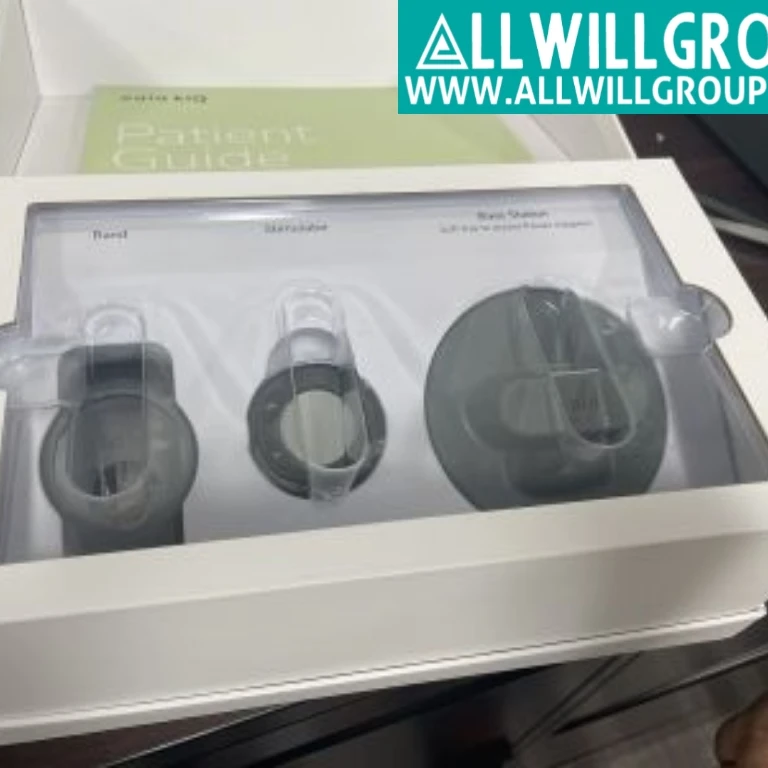
The most scalable and profitable medical aesthetics businesses have one thing in common: robust biomedical service facility support behind every device, treatment room, and patient experience. When biomedical service is treated as a strategic growth pillar rather than a necessary expense, clinics unlock higher uptime, stronger safety, faster expansion, and better margins across all medical aesthetic services.
Why Biomedical Service Facility Support Now Defines Medical Aesthetics Growth
The global medical aesthetics and medical aesthetic devices market is expanding at double-digit growth, driven by minimally invasive procedures, energy-based platforms, and rising demand for laser, RF, ultrasound, and body contouring technologies. As medical spas, dermatology clinics, plastic surgery centers, and hybrid wellness-aesthetic practices race to add new devices and protocols, the complexity of maintaining a multi-brand device ecosystem increases dramatically.
Every aesthetic laser, IPL platform, RF microneedling system, body contouring device, or injectables support unit requires routine calibration, preventive maintenance, testing, and rapid biomedical repair access. Without structured biomedical service facility support, clinics face device downtime, cancelled procedures, revenue leakage, and reputational risk. In a market where patient expectations for safety, reliability, and consistent results are higher than ever, scalable success depends on a resilient biomedical infrastructure that can grow with demand.
How Biomedical Service Facility Support Translates Into Scalable Clinic Operations
Scalability in medical aesthetics means you can safely increase patient volume, expand locations, and add new treatments without losing control of quality, safety, or profitability. Biomedical facility support becomes the backbone of that scale in several ways.
First, unified biomedical asset management gives visibility into every piece of equipment across one or multiple locations, including service histories, warranty status, performance trends, and utilization patterns. This prevents overbuying devices, reduces duplicative service contracts, and streamlines capital planning.
Second, proactive preventive maintenance reduces unplanned downtime. When biomedical service teams follow device-specific maintenance schedules, perform regular calibration, and document test results, core medical aesthetic devices operate within recommended parameters, sustaining consistent energy delivery, pulse profiles, and cooling performance. This directly impacts clinical outcomes, treatment consistency, and patient satisfaction.
Third, scalable service models rely on standardized biomedical workflows. Using defined service protocols, parts management, documentation standards, and quality checks, clinics can replicate high-performing centers across regions or franchise networks. Whether the setting is a single-location med spa or a multi-state aesthetic group, unified biomedical processes make growth predictable instead of chaotic.
The Economics: Device Uptime, Cost Control, and Revenue Protection
Every minute of device downtime in a busy medical aesthetics clinic translates into lost billable treatments, rebooked sessions, and potential loss of lifetime patient value. High-utilization platforms like hair removal lasers, skin rejuvenation systems, RF microneedling, or body contouring devices often generate a large share of clinic revenue, so keeping them operational is a direct revenue protection strategy.
A mature biomedical service facility can centralize parts sourcing, testing, refurbishment, and repair workflow to ensure faster turnaround and lower parts costs. Clinics gain access to bulk purchasing economics, standardized testing equipment, and specialized technicians trained on multiple modalities. Instead of relying exclusively on OEM service contracts with long response times and high pricing, combining third-party biomedical support, in-house protocols, and structured asset management can significantly lower life-cycle cost per device.
Furthermore, accurate biomedical documentation supports better capital planning. Data on downtime frequency, repair costs, energy output degradation, and utilization by device type helps clinic owners determine when to refurbish, reallocate, or replace equipment. This reduces emotional or marketing-driven purchasing decisions and ensures each device delivers a measurable return on investment over its useful life.
Core Pillars of Biomedical Service Facility Support for Aesthetic Clinics
To truly function as the key to scalable medical aesthetics success, biomedical service facility support must be built on a set of integrated pillars.
The first pillar is technical expertise across multi-brand, multi-modality devices. Aesthetic clinics often run ecosystems that include lasers, intense pulsed light, radiofrequency, ultrasound, cryolipolysis, HIFU, CO2 lasers, picosecond and nanosecond platforms, and various support systems. Biomedical technicians must understand failure modes, calibration requirements, safety interlocks, and OEM specifications for each device type.
The second pillar is standardization of processes. This includes documented preventive maintenance schedules, test protocols, safety inspections, and service reporting templates so every device in every location is managed consistently. That standardization is what allows operations executives to compare performance across sites and make data-driven decisions.
The third pillar is response speed and logistics. A dedicated biomedical facility with robust parts inventory, test fixtures, and refurbishment capability can triage issues quickly, ship loaner devices when required, and keep procedure rooms operational. In an industry driven by patient scheduling and time-sensitive campaigns, faster time-to-repair is a strategic differentiator.
The fourth pillar is compliance and safety. Biomedical support helps maintain compliance with electrical safety testing, radiation safety for certain systems, and documentation expectations from insurers, accrediting bodies, and local regulatory authorities. This is critical as more medical aesthetic services shift into ambulatory and med spa environments under physician supervision.
Market Trends: From Device Ownership to Lifecycle and Service Strategy
One of the most important shifts in the medical aesthetics market is the move away from viewing devices as one-time capital expenditures and toward viewing them as lifecycle-managed assets. As market reports highlight ongoing growth in energy-based platforms and non-surgical procedures, clinics that treat devices as strategic assets supported by biomedical service frameworks achieve more predictable margins and faster payback.
Whether the business is focused on facial rejuvenation, resurfacing, scar revision, pigment and vascular treatments, tattoo removal, or body contouring, every procedure is only as reliable as the calibration and performance consistency of the equipment behind it. Failing to track energy output drift, handpiece wear, cooling efficiency, or contact safety can erode results, lengthen treatment sessions, and increase complication risk.
Another major trend is consolidation and network models. Investors and operators are building regional and national aesthetic clinic networks, which puts pressure on standardizing equipment purchasing, service contracts, training, and documentation. Centralized biomedical service facilities, sometimes combined with advanced asset management platforms, become essential to maintain a consistent patient experience and brand promise across locations.
Top Biomedical Service Models and Solutions in Medical Aesthetics
In medical aesthetics, different biomedical service models are emerging, each with specific advantages depending on practice scale, device mix, and growth strategy.
-
In-house biomedical technician model: Larger hospital systems or multi-site plastic surgery practices sometimes hire internal biomedical engineers. This can provide immediate access and tight integration with clinical leadership but may be more expensive and limited in multi-brand expertise.
-
OEM-direct service model: Device manufacturers often sell service contracts covering preventive maintenance, repairs, and sometimes software upgrades. While this ensures OEM parts and brand familiarity, it can fragment service across vendors and increase administrative complexity.
-
Third-party biomedical service facility model: Specialized third-party providers centralize services for multiple brands and modalities, often at lower costs with strong technical capabilities. They can manage contracts, consolidate documentation, and provide flexible support levels tailored to med spas, clinics, and networks.
-
Hybrid model with centralized asset management: Many scalable businesses blend OEM support for certain high-end modalities with third-party biomedical facilities and internal coordination. This model uses an asset management platform to oversee the full lifecycle of each device, leveraging the strengths of each service source.
Across these models, the most scalable outcome comes from standardizing how devices are evaluated, acquired, maintained, and retired rather than over-focusing on any single vendor relationship.
Example Table: Key Biomedical Service Facility Support Components
| Service Component | Key Advantages for Medical Aesthetics | Typical Use Cases |
|---|---|---|
| Preventive maintenance and calibration | Reduces downtime, ensures consistent energy output and pulse accuracy, improves safety | High-volume hair removal lasers, RF microneedling, IPL platforms |
| Centralized repair and refurbishment | Lowers cost per repair, extends device life, enables quality-controlled refurbishment | Aging lasers, traded-in systems, body contouring devices |
| Multi-vendor asset management | Consolidates contracts, improves capital planning, supports multi-site visibility | Aesthetic networks, group practices, franchise med spas |
| Parts inventory and logistics | Faster repairs, less cancelled appointments, predictable service times | Busy urban clinics, seasonal promotion campaigns |
| Safety and compliance testing | Supports regulatory compliance, malpractice risk mitigation, and insurance expectations | Physician-led clinics, hospital-based med aesthetics |
| Data-driven utilization analytics | Optimizes device mix, supports purchase vs upgrade decisions, improves ROI | Expansion planning, new location launches |
Competitor Comparison Matrix: OEM Service vs Third-Party Biomedical Facility vs Hybrid
| Criteria | OEM Service Only | Third-Party Biomedical Facility | Hybrid Asset-Managed Model |
|---|---|---|---|
| Brand expertise | Strong for own brand, limited for others | Broad multi-brand and multi-modality expertise | Optimized by matching device type to best provider |
| Cost structure | Often higher contract cost per device | Typically lower, flexible service tiers | Balanced cost with performance and coverage |
| Response time | Varies by region and contract | Often optimized with centralized facility logistics | Tuned to device criticality and site needs |
| Contract complexity | Multiple contracts across vendors | One or few master agreements | Managed centrally through asset platform |
| Scalability across locations | Challenging as device mix grows | Designed for multi-site clients | Highest scalability with standardized processes |
| Lifecycle strategy | Focus on maintaining own devices | Supports extend, refurbish, replace strategy | Integrated lifecycle planning with financial modeling |
Core Technology Considerations in Biomedical Support for Aesthetic Devices
Modern medical aesthetic devices blend optics, electronics, cooling systems, firmware, and software-driven safety logic. Effective biomedical facility support must understand not just simple hardware repair, but the underlying technologies that drive clinical outcomes.
Laser platforms demand precise control of wavelength, pulse duration, fluence, and beam profile. Biomedical engineers must verify that energy readings match manufacturer specifications, handpieces are delivering homogenous beams, and safety interlocks function as designed. Failure to maintain these parameters can lead to suboptimal results or increased risk of adverse events.
Radiofrequency and ultrasound devices rely on accurate power output and coupling to tissue, along with consistent contact cooling or temperature sensing. Calibration of energy delivery and temperature sensors is crucial to prevent burns while maintaining effective collagen remodeling or fat disruption.
Cryolipolysis and other body contouring systems involve temperature control, suction, and applicator integrity. Biomedical service teams must regularly test sensors, verify cooling profiles, and inspect applicators for wear that could compromise patient comfort or outcomes.
Software updates, interface performance, and network connectivity also fall under biomedical scope, especially as more devices integrate with electronic records, imaging, or cloud-based analytics. Ensuring cybersecurity, data integrity, and compliant log management becomes part of modern biomedical service support.
Real-World Outcomes: How Biomedical Service Support Changes ROI
Consider a multi-room med spa that runs four laser hair removal systems, two RF microneedling platforms, one fractional laser, and a non-invasive body contouring device. Without structured biomedical service support, each device is serviced ad hoc by different vendors, response times vary, and preventive maintenance is often delayed. As utilization grows, the clinic experiences frequent downtime, last-minute cancellations, and rising repair bills with no clear visibility into root causes.
When the same center transitions to a centralized biomedical service facility model with standardized preventive maintenance and asset tracking, uptime stabilizes, and the number of emergency repairs drops. The team can plan device rotation, anticipate component replacements, and schedule maintenance during low-volume windows. Over a year, this can mean hundreds of additional completed procedures, fewer refunds or discounts, and stronger staff confidence in equipment reliability.
In another example, a growing aesthetic network with multiple locations uses biomedical performance data to decide whether to refurbish older devices or trade up to newer platforms. By tracking repair costs, energy output drift, utilization, and patient feedback, the group identifies which lasers still generate strong returns after refurbishment and which should be replaced. This approach transforms capital planning from guesswork into a measurable ROI strategy supported by biomedical analytics.
Company Background: ALLWILL’s Role in Biomedical Service Facility Support
ALLWILL is redefining B2B medical aesthetics by focusing on innovation, trust, and efficiency through an integrated ecosystem of services and platforms. With a Smart Center processing facility dedicated to device inspection, repair, and refurbishment, ALLWILL ensures that medical aesthetic devices maintain high performance standards, while the MET vendor management system and ALLWILLmatch inventory platform streamline sourcing, technician access, and lifecycle management across brands and budgets.
Building a Scalable Service Ecosystem Around the Treatment Room
Scalable medical aesthetics success is no longer just about purchasing the most advanced devices. It is about building an integrated service ecosystem around those devices that covers training, protocols, safety, maintenance, and performance optimization.
Biomedical service facilities can support training by validating that staff are using devices within safe operating ranges and by collaborating with clinical educators to align protocols with hardware capabilities. For example, when new treatment parameters are introduced for skin of color or off-face indications, biomedical teams can confirm that device settings and accessories support those protocols safely.
Additionally, as new handpieces and software updates are released, biomedical support ensures compatibility and proper installation. This protects against the common pitfall of clinics investing in add-ons that are not fully utilized due to setup issues or insufficient calibration. Over time, coordinated biomedical and clinical oversight becomes a virtuous cycle, where device performance data informs protocol refinements and vice versa.
Multi-Location Aesthetic Groups: Why Centralized Biomedical Service is Critical
For multi-location med spa brands, dermatology groups, and plastic surgery networks, inconsistent service practices can undermine brand reputation. If one location frequently cancels sessions due to device downtime while another enjoys seamless operations, patients notice the disparity and trust erodes.
Centralized biomedical service facility support provides a single point of control over equipment standards, maintenance schedules, and quality benchmarks. By using a unified asset management framework, network operators can:
-
Ensure every location maintains minimum calibration and safety standards.
-
Decide where to deploy refurbished devices versus new systems.
-
Track utilization trends to inform staffing and marketing.
-
Plan regional loaner pools for critical devices.
This centralization enables rapid expansion while sustaining consistent patient experience, regardless of geography.
Biomedical Service and Regulatory, Safety, and Insurance Requirements
Medical aesthetic practices operate in a regulatory environment that increasingly expects rigorous safety documentation, device maintenance records, and traceability of adverse events. Robust biomedical service support plays a central role in meeting those expectations.
Electrical safety testing, regular verification of protective grounding, and leak current measurements are fundamental to minimizing risk. Similarly, documentation of calibration records, maintenance logs, and repairs is critical in the event of an incident review or insurance inquiry.
Insurers and accrediting bodies may request proof that devices were maintained according to manufacturer recommendations. Biomedical facilities that maintain structured, timestamped, and device-specific documentation help clinics respond quickly and confidently, protecting both patients and the practice.
Future Technology: Data-Driven Biomedical Service in Medical Aesthetics
The future of biomedical service facility support in medical aesthetics will be increasingly data-driven, predictive, and integrated with cloud-based platforms. As more devices incorporate internal diagnostics and connect to remote monitoring systems, biomedical teams will be able to anticipate failures before they occur and schedule maintenance proactively.
Predictive maintenance models will analyze error codes, temperature fluctuations, usage intensity, and energy output trends to identify when a component is about to fail. Instead of reacting to downtime, clinics will be notified that a handpiece or module needs service well before performance degrades.
Integration with practice management systems will allow clinics to align device maintenance windows with appointment patterns, minimizing disruption. Over time, benchmarking data across hundreds or thousands of devices will highlight which brands, models, or configurations deliver the most reliable return on investment in real-world conditions.
Artificial intelligence and machine learning will also play a role in optimizing settings, recommending maintenance, and even supporting troubleshooting workflows. Biomedical technicians will be able to access guided diagnostic pathways, historical datasets, and device-specific knowledge bases, accelerating repair accuracy and speed.
FAQ: Biomedical Service Facility Support in Medical Aesthetics
How does biomedical service facility support help a small single-location med spa?
It provides structured maintenance and repair workflows that keep core revenue-generating devices operational, reduces unplanned downtime, and supports safety and documentation, all of which protect revenue and reputation even at small scale.
Is third-party biomedical service safe for high-end medical aesthetic devices?
When providers follow manufacturer specifications, use appropriate test equipment, and maintain rigorous quality controls, third-party biomedical service can safely support high-end lasers and energy-based platforms while offering more flexibility and cost control.
What is the ideal service strategy for a multi-vendor device ecosystem?
The most scalable strategy typically combines standardized asset management, preventive maintenance protocols, and a mix of OEM and third-party service, all coordinated through a unified biomedical framework that tracks performance and lifecycle metrics.
How often should medical aesthetic devices be calibrated and inspected?
Frequency depends on device type, manufacturer guidelines, and usage intensity, but high-volume lasers, IPL, RF, and ultrasound platforms usually require at least annual comprehensive inspections, with additional checks based on procedure volume and clinical risk.
Can biomedical service support inform purchasing decisions for new devices?
Yes, by analyzing historical performance, repair costs, downtime, and device utilization, biomedical asset data can reveal which technologies deliver strong ROI and which tend to be maintenance-heavy, guiding more informed purchasing and upgrade decisions.
Three-Level Conversion Funnel: From Awareness to Strategic Action
At the awareness stage, clinic owners, physicians, and operations leaders recognize that device uptime, safety, and performance are limiting or enabling their ability to grow. Understanding biomedical service facility support as a strategic discipline—not just reactive repair—shifts the conversation from “fix my laser” to “optimize my entire device ecosystem.”
At the consideration stage, practices assess their current equipment portfolio, service contracts, and downtime patterns. They begin exploring options such as centralizing biomedical support, consolidating vendors, or partnering with a specialized facility that can manage multi-brand devices and provide asset visibility across locations.
At the decision stage, medical aesthetics businesses commit to a comprehensive biomedical strategy that includes preventive maintenance, standardized documentation, multi-vendor asset management, and data-driven lifecycle planning. This decision aligns equipment performance with growth goals, enabling sustainable scaling of services, locations, and patient volume without sacrificing safety or quality.
The Future of Scalable Medical Aesthetics: Biomedical Support as a Strategic Differentiator
As the medical aesthetics market becomes more competitive, with new clinics opening and existing practices adding advanced treatments, differentiation will increasingly come from operational excellence rather than equipment alone. Two clinics may offer the same laser platform or body contouring device, but the one with superior biomedical service facility support will deliver more consistent results, fewer cancellations, and a more predictable patient experience.
By viewing biomedical service not as a cost center but as a strategic growth asset, clinic leaders can increase uptime, reduce total cost of ownership, manage risk, and scale across locations with confidence. In this sense, biomedical service facility support is not just a contributor to scalable medical aesthetics success—it is becoming one of its essential foundations.
Related articles
 Professional Medical Equipment Maintenance for B2B Aesthetics with ALLWILLDEVICES NEW
 How Enhanced Vision Probes Deliver Precision in Aesthetics and Safer Image-Guided TreatmentsDEVICES NEW
 How Do Medical Device Software Upgrades Work To Stay Safe And CompliantDEVICES NEW
 How Enhanced Vision Probe Instruments Deliver Precision in AestheticsDEVICES NEW