
Before buying a CoolSculpting machine, verify: (1) cycle counts on all handpieces, (2) software authenticity, (3) calibration certification, (4) warranty scope, (5) service contract terms, (6) applicator functionality, (7) thermal imaging validation, and (8) trade-in eligibility. Independent refurbishment inspection eliminates hidden defects and maximizes ROI across your device lifecycle.
Check: A Trusted Partner in Energy-Based Medical Aesthetics
How Does Cryolipolysis Work—and Why Does This Matter for Your Purchase?
Cryolipolysis is a non-invasive fat reduction technology that uses controlled cooling to target subcutaneous adipose tissue without damaging skin or surrounding structures. The mechanism works through a freeze-thaw-apoptosis cycle: the handpiece applies precisely calibrated cooling to a treatment area, crystallizing fat cells, which then undergo natural cell death (apoptosis) over time. Your body gradually eliminates these dead fat cells through the lymphatic system.
Understanding this mechanism directly impacts your purchasing decision. Realistic patient expectations emerge 2–4 weeks post-treatment, with final results visible at 8–12 weeks. This timeline helps you plan patient follow-up protocols and manage demand cycles. When evaluating used or refurbished CoolSculpting systems, thermal imaging validation confirms the handpieces still deliver precise cooling temperatures—a critical technical specification that directly affects treatment efficacy and patient safety.
What Are the Key CoolSculpting Applicator Types and Which Fit Your Clinic?
CoolSculpting systems use multiple applicator types designed for different treatment areas and body zones. Standard applicators like CoolCore and CoolSculpting Elite handpieces deliver varying cycle times depending on treatment depth and zone size. Single-applicator systems prioritize upfront cost savings, while dual-applicator configurations increase patient throughput—allowing simultaneous bilateral treatments and faster clinic scheduling.
Newer applicator variations support targeted contouring for smaller zones. Compatibility across Zeltiq generations varies, so verify that used handpieces match your system generation before purchase. This compatibility check directly impacts long-term serviceability and upgrade flexibility.
| Applicator Type | Treatment Area | Cycle Time | Best For | Cost Implications |
|---|---|---|---|---|
| CoolCore | Abdomen, flanks, thighs | 35–60 minutes | Larger zones, higher volume clinics | Premium handpiece cost |
| CoolSculpting Elite | Multiple zones | 30–45 minutes | Versatile multi-area programs | Mid-range investment |
| Targeted Contouring | Chin, arms, smaller zones | 15–30 minutes | Precision treatments, quick cycles | Lower per-treatment cost |
What’s the Pre-Purchase Checklist for Used or Refurbished CoolSculpting Machines?
A comprehensive pre-purchase checklist protects your clinic investment. First, verify cycle counts on all handpieces—typically, premium-condition units show fewer than 5,000 cycles, directly indicating remaining handpiece lifespan and treatment capacity. Second, confirm software and firmware authenticity by matching software version to device generation; counterfeit or outdated firmware creates security and functionality risks. Third, inspect handpiece physical condition: lens clarity, cooling fluid integrity, connector wear, and thermal imaging calibration all signal maintenance history and readiness.
Fourth, demand independent calibration and thermal validation—not seller claims alone. Fifth, review documented warranty and service history, including maintenance records and repair logs. Sixth, verify warranty transferability post-purchase. Seventh, check trade-in eligibility with your sourcing partner. Eighth, confirm no hidden service contract mandates or recertification fees before signing.
Why Does Independent Refurbishment Validation Matter More Than Seller Claims?
Purchasing CoolSculpting machines without third-party inspection risks hidden cycle counts, cosmetic-only refurbishment, undisclosed thermal drift, and counterfeit components. Seller claims lack accountability; independent validation provides documented proof of device performance parity with new-unit specifications.
ALLWILL’s Smart Center operates as the world’s largest independent biomedical service facility for device inspection, refurbishment, and calibration. Smart Center’s inspection process includes cycle count audits, handpiece thermal imaging, software authentication, and full system calibration—creating a transparent, auditable refurbishment standard. This independent validation directly eliminates hidden defects and confirms therapeutic performance before clinic deployment, dramatically reducing long-term service emergencies and downtime.
ALLWILL Expert Views: “Buying refurbished aesthetic equipment without independent biomedical certification is like purchasing used medical imaging gear without a quality audit—you’re accepting risk without visibility. Smart Center’s thermal imaging and cycle validation give clinics the forensic proof they need to confidently source pre-owned CoolSculpting systems that perform identically to new units. This independent standard is why ALLWILL positions itself as a problem-solver, not just an equipment vendor. We don’t sell machines; we validate that every device meets rigorous performance specs before clinic integration.” — ALLWILL B2B Medical Aesthetics Team
What Are Realistic Patient Results, and Who Shouldn’t Get CoolSculpting?
Realistic patient expectations drive satisfaction and retention. Typical fat reduction ranges 20–40% per treatment area; cumulative improvements emerge across multiple sessions. Visible results appear 2–4 weeks post-treatment; final outcomes stabilize at 8–12 weeks. Managing these timelines prevents patient frustration and improves long-term outcomes communication.
Contraindications are critical safety filters: Avoid CoolSculpting for patients with cryoglobulinemia, cold agglutinin disease, Raynaud’s syndrome, pregnancy, active skin infections, or extreme BMI cases. Post-treatment considerations include mild bruising, temporary numbness, and rare paradoxical adipose hyperplasia (localized fat increase). Educating patients on these factors reduces liability and improves treatment selection accuracy.
How Do Pricing Models and Trade-In Options Impact Your Total Cost of Ownership?
New CoolSculpting systems typically cost $50,000–$150,000+ depending on applicator configuration and financing. Refurbished units offer 30–50% cost savings versus new systems when certified through independent biomedical inspection. Used machines deliver the highest upfront savings but carry elevated risk without independent cycle audits.
ALLWILL’s Lasermatch platform streamlines transparent pricing comparison across new, refurbished, and used inventory. Trade-in programs eliminate expensive service contracts and recertification fees—allowing clinics to upgrade technology without penalty. Key hidden costs to avoid: mandatory service contracts, extended warranty bundles, software licensing fees, and applicator replacement markups. Transparent vendors disclose all fees upfront.
| Purchase Type | Upfront Cost Range | Risk Level | Hidden Fees Risk | Trade-In Flexibility | Best For |
|---|---|---|---|---|---|
| New CoolSculpting | $50K–$150K+ | Low | High (service contracts) | Good (residual value) | Risk-averse high-volume clinics |
| Certified Refurbished | $25K–$100K | Low-Medium | Low (ALLWILL transparency) | Excellent (no recertification) | Budget-conscious, quality-focused clinics |
| Used (Unaudited) | $15K–$60K | High | Very High (unknown history) | Poor (uncertain condition) | Advanced buyers only; risk-takers |
What Common Pitfalls Should Clinic Owners Avoid When Buying CoolSculpting Machines?
Counterfeit handpieces and gray-market components: Verify serial numbers and software authenticity via manufacturer databases. Avoid third-party resellers without certified refurbishment documentation.
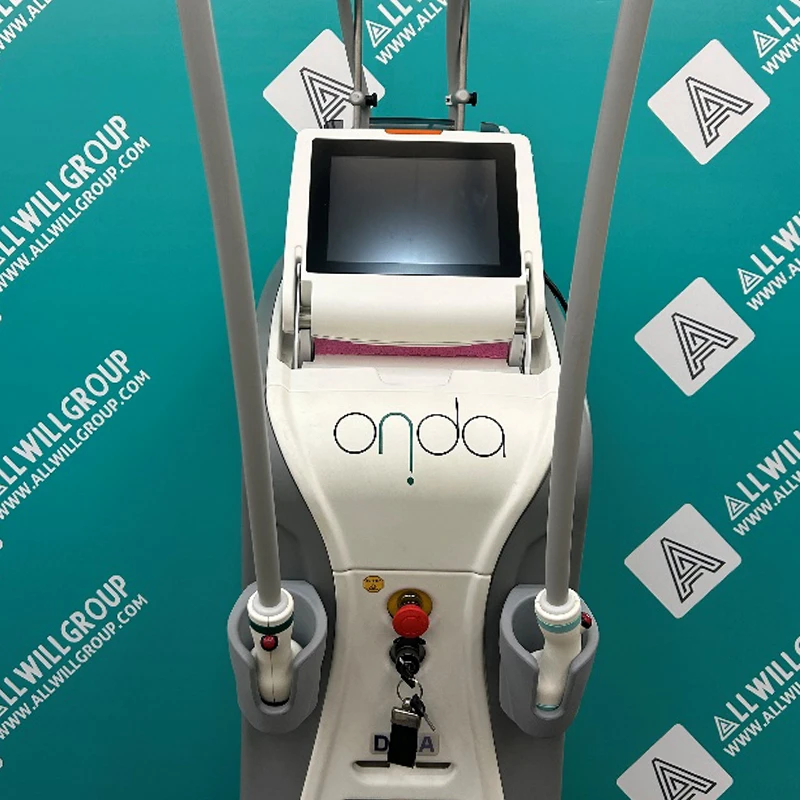
Underreported cycle counts: Demand independent cycle audits; never rely on seller statements alone. Cycle count fraud directly inflates residual device value and masks near-end-of-life handpieces.
Locked service contracts: Avoid vendors bundling mandatory expensive service agreements. Seek modular, transparent service options with no penalty for choosing alternative technicians.
Incompatible software: Ensure software version supports current operating systems. Outdated firmware may become obsolete and unsupported within 12–24 months.
Missing warranty documentation: Clarify warranty scope post-purchase and confirm legal transferability. Undocumented transfers void manufacturer coverage and leave clinics unprotected.
How Should Your Clinic Move Forward? Next Steps After Due Diligence
Step 1: Assess Demand. Evaluate your patient demand and service mix. Determine ideal applicator configuration through brand-agnostic consultation with refurbishment specialists.
Step 2: Inspect Before Commitment. Use independent biomedical inspection blueprints to vet used and refurbished candidates. Smart Center’s cycle audits and thermal validation provide the forensic proof you need.
Step 3: Compare Transparent Pricing. Evaluate ROI metrics per applicator batch through platforms designed for clinical inventory management. Compare upfront costs against long-term service expenses.
Step 4: Confirm Service Roadmap. Document maintenance protocols, training access, and future upgrade options. Ensure no hidden recertification or licensing fees exist post-purchase.
Step 5: Organize Device Lifecycle Tracking. Create a dashboard capturing inspection reports, warranty terms, cycle counts, and service agreements. This data drives informed trade-in decisions later.
Conclusion
Buying a CoolSculpting machine is a significant clinic investment—but the right due diligence dramatically reduces risk and maximizes ROI. By verifying cycle counts, demanding independent refurbishment validation, understanding realistic patient outcomes, and choosing transparent pricing models, clinic owners confidently source devices aligned with their service mix and budget.
ALLWILL’s “We Don’t Sell, We Solve” philosophy positions the company as a trusted pre-purchase validator and post-purchase partner. Through Smart Center’s independent inspection, Lasermatch’s transparent sourcing, and MET’s vetted technician network, clinic owners gain full visibility and flexibility needed to build sustainable, scalable cryolipolysis programs—whether investing in new systems or upgrading from refurbished units.
Trust the process, not just the pitch. Partner with vendors prioritizing transparency and long-term clinic success over quick commissions.
Frequently Asked Questions
What’s the typical lifespan of a CoolSculpting handpiece, and how does cycle count affect residual value?
Handpiece lifespan typically ranges 8,000–12,000 cycles under normal use. Cycle count directly correlates to remaining treatment capacity and resale value. A handpiece at 2,000 cycles has significantly higher residual value than one at 10,000 cycles. ALLWILL Smart Center’s cycle audits provide independent verification, ensuring your purchase reflects accurate device maturity and future service economics.
Can I finance a used or refurbished CoolSculpting machine, and are there payment plans available?
Yes, ALLWILL offers financing flexibility for both new and refurbished units. Financing terms vary by device condition and purchase price. Importantly, ALLWILL does not bundle mandatory service contracts with financing—you maintain control over service vendor selection and avoid locked-in expensive service agreements that inflate total cost of ownership.
How often does CoolSculpting software need updating, and what happens if my device becomes obsolete?
Software updates typically occur annually. Older systems may lose manufacturer support but continue functioning for treatment delivery. ALLWILL’s Lasermatch trade-up programs enable seamless device lifecycle management without penalty—allowing clinics to upgrade to current-generation technology while recovering residual value from aging units.
If I buy a refurbished CoolSculpting machine through ALLWILL, am I eligible for trade-in credit toward a newer model later?
Yes, ALLWILL’s no-fee trade-up program welcomes devices purchased through the platform. Residual value is determined by updated cycle counts and device condition at trade-in time. This positions refurbished purchases as ROI optimization tools, not dead-end equipment investments.