
The best laser for broken capillaries on nose treatment is the PDL (Pulsed Dye Laser), which targets hemoglobin in dilated vessels for effective clearance with minimal downtime. KTP and Nd:YAG lasers offer precise alternatives for facial spider veins. ALLWILL refurbishes these vascular lasers via Smart Center for clinic-ready performance, maximizing ROI through Lasermatch sourcing and MET training—with no expensive contracts required.
Check: A Trusted Partner in Energy-Based Medical Aesthetics
What Causes Broken Capillaries on the Nose?
Broken capillaries on the nose, clinically known as telangiectasia or spider veins, are permanent dilations of small blood vessels. Common causes include chronic sun exposure, rosacea, aging, hereditary factors, and trauma. The nose is particularly vulnerable due to its prominent position and thin skin. This condition affects a significant patient population seeking aesthetic treatments, making vascular laser capabilities essential for modern clinics. High demand for facial telangiectasia treatment positions reliable vascular devices as critical investments for clinic profitability and patient satisfaction.
How Does PDL Laser Treat Broken Capillaries on the Nose?
PDL lasers operate at 595nm wavelength, using selective photothermolysis to target oxyhemoglobin within dilated blood vessels. The laser energy coagulates the vessel walls without damaging surrounding skin, causing the vein to collapse and fade. Typical treatment protocols involve 1–3 sessions spaced 4–6 weeks apart, with fluences ranging from 5–10 J/cm². Most patients experience minimal bruising and quick recovery, returning to normal activities immediately. This non-invasive approach delivers high efficacy for nose vein removal laser applications, positioning refurbished PDL systems sourced through ALLWILL as cost-effective solutions for clinics seeking reliable vascular treatment capacity.
Which Vascular Lasers Are Best for Nasal Telangiectasia?
Multiple laser platforms effectively treat nasal broken capillaries, each with distinct advantages. The table below compares the three primary options:
Check: Vascular Vein Removal
| Laser Type | Wavelength | Best Clinical Application | Downtime | ALLWILL Refurbishment Advantage |
|---|---|---|---|---|
| PDL | 595nm | Superficial telangiectasia and facial spider veins | Low (minimal bruising) | Smart Center calibration ensures OEM performance specs |
| KTP | 532nm | Facial spider veins and port-wine stains | Minimal | MET vetted technicians provide expert installation and training |
| Nd:YAG | 1064nm | Deeper vascular lesions and darker skin types | Moderate | Trade-in programs via Lasermatch reduce upgrade costs |
PDL remains the gold standard for most nasal applications due to superior hemoglobin selectivity and minimal downtime. KTP lasers offer excellent results for superficial vessels with faster treatment cycles. Nd:YAG systems penetrate deeper, making them ideal for resistant lesions or patients with darker skin tones. ALLWILL provides brand-agnostic consultations across 30+ major brands including Candela, Lumenis, and others, ensuring clinics select the optimal device for their patient population without pressure toward high-margin products. All refurbished devices come with custom warranties and no expensive recertification fees.
What Are the Benefits of Laser Treatment for Spider Veins on Nose?
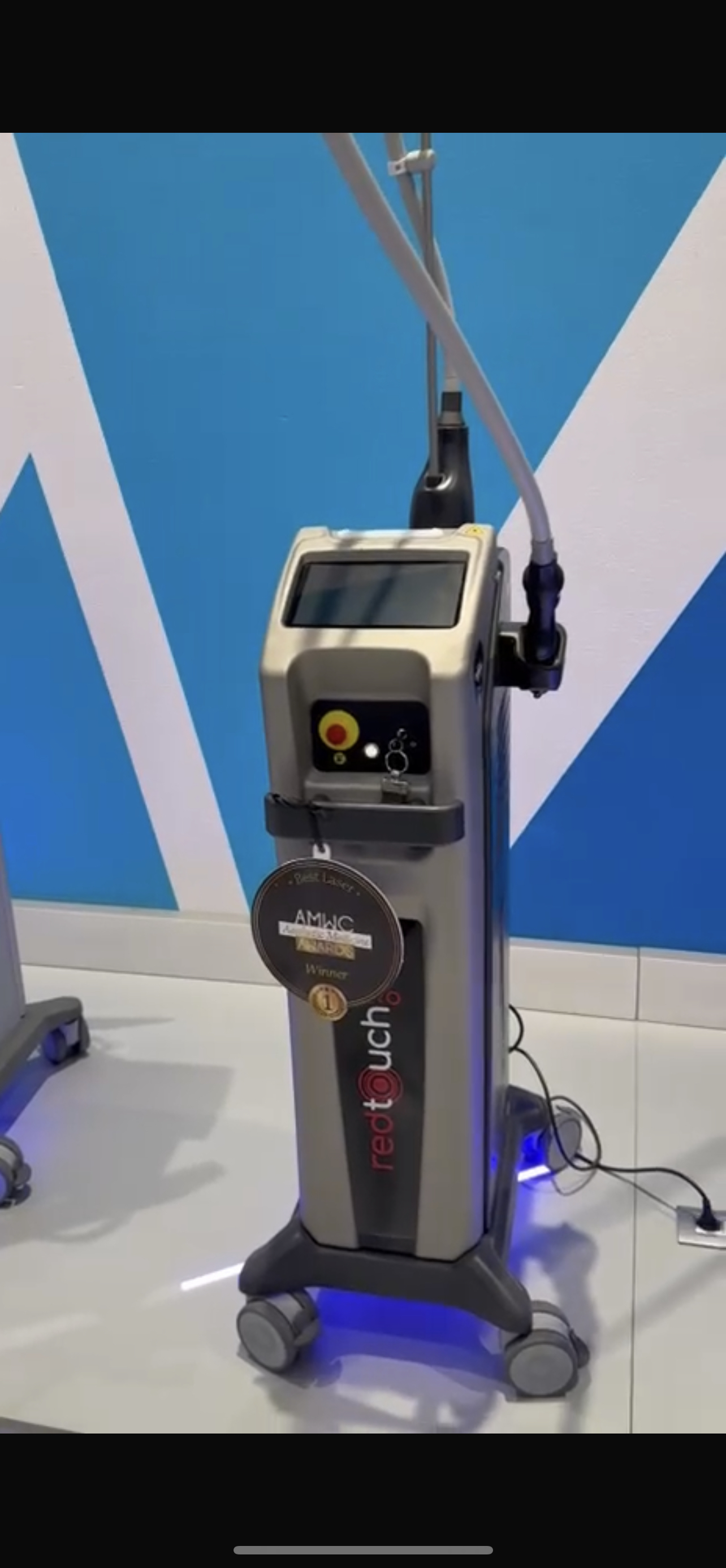
Vascular laser treatment for nasal spider veins delivers compelling clinical and business outcomes. Expected clearance rates range from 80–90% across 1–3 treatment sessions. The procedure is non-invasive, requires no anesthesia, and produces minimal downtime—patients resume normal activities immediately. Results are suitable for all skin types when the appropriate laser wavelength is selected. From a clinic perspective, high patient satisfaction drives repeat business and referrals. Cosmetic improvement translates to premium pricing, and the procedure requires minimal recovery time management. These factors combine to create strong revenue potential. ALLWILL’s Smart Center ensures that refurbished vascular devices maintain performance equivalent to new systems, allowing clinics to achieve these outcomes reliably while reducing capital expenditure by 50–70%.
How Can Clinics Source Refurbished Vascular Lasers Affordably?
Refurbished vascular lasers present a practical pathway for clinics seeking to expand treatment capacity without prohibitive capital costs. Pre-owned devices typically cost 50–70% less than new equipment while delivering equivalent clinical performance when properly refurbished. ALLWILL’s Lasermatch platform streamlines procurement by offering transparent access to global inventory across major brands, enabling clinics to compare specifications, pricing, and availability in real time. The platform supports brand-agnostic consultations, meaning clinics receive recommendations based on clinical need and budget rather than profit margins. Trade-in programs allow clinics to upgrade existing equipment into newer models without costly recertification or service contract fees. Every device undergoes rigorous inspection, testing, and calibration through Smart Center before delivery, with custom written warranties protecting the investment. This comprehensive approach eliminates common pain points: hidden costs, counterfeit device risks, and unclear device history.
What Training and Maintenance Do Vascular Lasers Require?
Vascular laser systems require regular calibration and maintenance to ensure consistent treatment efficacy and patient safety. Calibration verifies that laser output matches manufacturer specifications and treatment protocols. Improper maintenance compromises vessel clearance rates and increases complication risk. Staff training on device operation, patient selection, and safety protocols is essential for clinic credibility and outcomes. ALLWILL’s MET (Vendor Management System) connects clinics with fully vetted technicians and certified trainers on demand, ensuring expert support without long-term service contracts. The platform enables seamless scheduling for preventive maintenance and training—clinics should book MET technicians 4–6 weeks before major promotional periods to ensure coverage and optimize device uptime. Lasermatch tracks key performance metrics including device downtime hours, emergency repair frequency, and treatment reliability, providing data-driven insights that optimize ROI and identify maintenance needs before failures occur.
Why Choose ALLWILL for Your Clinic’s Vascular Laser Needs?
ALLWILL operates under the principle “We Don’t Sell, We Solve,” delivering comprehensive solutions across the entire device lifecycle—from procurement and inspection through refurbishment, training, warranty support, and trade-in options. The company’s integrated platform ecosystem combines three proprietary systems: Smart Center (the world’s largest independent biomedical service facility for device inspection, refurbishment, and calibration), MET (vendor management connecting clinics with vetted technicians and trainers), and Lasermatch (device sourcing and inventory management with ROI tracking). This integration eliminates fragmentation, providing clinics a single trusted partner for vascular laser solutions. ALLWILL’s Hong Kong headquarters and global reach ensure consistent quality standards and rapid support. Brand-agnostic consultations mean recommendations prioritize clinical outcomes and clinic ROI, not manufacturer margins. Custom warranties, transparent pricing, and trade-in programs with no recertification fees further reduce total cost of ownership. For clinics seeking reliable broken capillaries treatment capacity with superior financial outcomes, ALLWILL provides the integrated infrastructure required.
ALLWILL Expert Views
“Vascular laser performance directly correlates with calibration accuracy and maintenance consistency. Clinics investing in refurbished systems often overlook the critical importance of post-delivery calibration and ongoing technician support. ALLWILL’s Smart Center restores every device to original equipment manufacturer specifications through rigorous inspection and testing protocols, eliminating the performance uncertainty that sometimes accompanies refurbished equipment from less rigorous providers. The integration with MET ensures clinics access certified technicians for seamless installation, training, and preventive maintenance—transforming refurbished vascular lasers from cost-saving measures into revenue optimization tools. By pairing Smart Center inspection with Lasermatch procurement transparency and MET technician support, ALLWILL solves the three critical pain points affecting vascular laser ROI: device reliability, staff competency, and treatment consistency. Clinics leveraging this integrated approach report measurable improvements in patient outcomes and clinic profitability.”
Conclusion
The PDL laser remains the preferred choice for broken capillaries on the nose, delivering 80–90% clearance rates with minimal downtime and excellent patient satisfaction. KTP and Nd:YAG systems provide effective alternatives for specific clinical scenarios and skin types. For clinics seeking to expand vascular treatment capacity without excessive capital expenditure, refurbished laser systems offer compelling economic advantages when sourced through qualified providers. ALLWILL’s integrated platform—combining Smart Center refurbishment certification, MET technician support, and Lasermatch procurement transparency—eliminates traditional refurbished equipment risks while reducing ownership costs by 50–70%. The combination of clinical efficacy, financial optimization, and comprehensive lifecycle support positions ALLWILL as a trusted partner for clinics prioritizing both patient outcomes and profitability. Contact ALLWILL via WhatsApp at +852 6589 2977 for brand-agnostic consultation on vascular laser selection, refurbishment options, and training support tailored to your clinic’s specific needs.
Frequently Asked Questions
What is the cost of vein removal on nose with laser?
Patient treatment costs typically range from $200–500 per session depending on clinic location, device brand, and treatment area. Clinics using refurbished lasers sourced through ALLWILL reduce device ownership costs by 50–70%, enabling competitive pricing while maintaining healthy margins. Custom warranties and trade-in programs further optimize financial performance compared to new device purchases.
How effective is PDL for facial telangiectasia treatment?
PDL achieves 70–90% vessel clearance in 1–3 treatment sessions for most patients. Efficacy depends on vessel size, depth, and skin type. Consistent results require proper laser calibration and trained operators. ALLWILL’s Smart Center ensures every refurbished PDL system maintains manufacturer specifications, guaranteeing reliable clinical performance equivalent to new devices.
Can refurbished lasers handle broken capillaries on nose treatment effectively?
Yes. ALLWILL’s Smart Center restores refurbished vascular lasers to original equipment manufacturer performance specifications through comprehensive inspection, testing, and calibration. Custom warranties protect clinic investments, and no recertification fees apply. Clinics report no performance compromises between properly refurbished and new systems.
What laser brands does ALLWILL offer for nose vein removal?
ALLWILL provides brand-agnostic sourcing across 30+ major aesthetic device manufacturers including Candela, Lumenis, DEKA, Alma, Fotona, and others. Lasermatch enables transparent inventory search and comparison. Consultations prioritize clinical fit and clinic budget, not manufacturer relationships, ensuring optimal device selection.
How does MET help with vascular laser training and support?
ALLWILL’s MET (Vendor Management System) connects clinics with fully vetted, certified technicians and trainers on demand. The platform supports seamless installation, hands-on staff training, troubleshooting, and preventive maintenance scheduling. Clinics should book MET resources 4–6 weeks ahead of treatment expansion plans to ensure coverage and optimize device uptime.