
How does the 2022 Ulthera UC-1 transform non-surgical rejuvenation?
The 2022 Ulthera UC-1 ultrasound system transforms non-surgical rejuvenation by combining micro-focused ultrasound energy with real-time DeepSEE imaging to precisely target collagen-rich tissue at multiple depths, lifting and tightening skin with minimal downtime while…
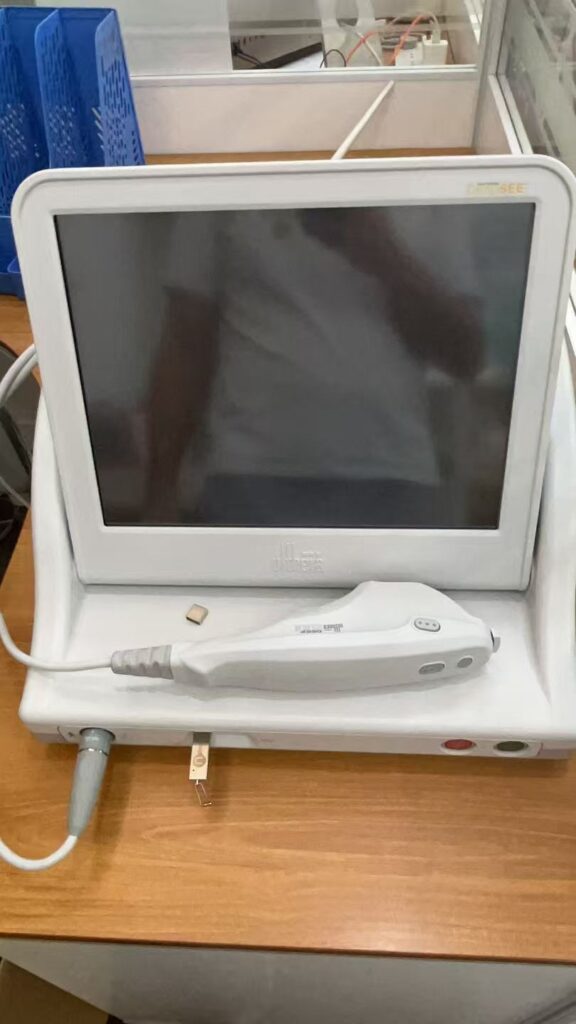
The 2022 Ulthera UC-1 ultrasound system transforms non-surgical rejuvenation by combining micro-focused ultrasound energy with real-time DeepSEE imaging to precisely target collagen-rich tissue at multiple depths, lifting and tightening skin with minimal downtime while maintaining strong safety, predictability, and long-term results for both face and neck rejuvenation treatments.
How does the 2022 Ulthera UC-1 system work for non-surgical rejuvenation?
The 2022 Ulthera UC-1 system works by delivering micro-focused ultrasound energy to precise depths under the skin, creating controlled thermal coagulation points that stimulate new collagen formation and tissue contraction, resulting in gradual lifting, tightening, and contouring of treated areas without incisions or surface damage.
Ulthera UC-1 is built around a control unit (UC-1), handpiece, and a range of ultrasound transducers that operate at frequencies typically in the 4–7 MHz treatment range while using higher-frequency imaging up to around 12–25 MHz for visualization.
This combination allows practitioners to bypass the epidermis and deposit energy directly into the dermis, subcutaneous tissue, and superficial musculoaponeurotic system (SMAS) layers, which are the same planes addressed during surgical facelifts.
The DeepSEE imaging technology integrated in the Ulthera platform displays real-time ultrasound images so clinicians can see skin, fat, fascia, and bone interfaces, ensuring energy is placed exactly where collagen is depleted while avoiding critical structures.
Over the following three to six months, neocollagenesis and remodeling lead to visible lifting of the brow, jawline, neck, and under-chin region, as well as softening of lines and wrinkles in the décolletage.
For ALLWILL clients, this mechanism is particularly attractive because it offers a clear, evidence-based pathway to results, backed by imaging verification, which reduces operator variability and improves patient satisfaction across diverse practice settings.
What makes the 2022 Ulthera UC-1 different from generic HIFU systems?
The 2022 Ulthera UC-1 differs from generic HIFU systems by integrating FDA-cleared, micro-focused ultrasound energy with real-time DeepSEE imaging, allowing precise visualization and targeting of tissue, which many standard HIFU devices lack, resulting in more predictable lifting, tighter safety margins, and stronger regulatory backing.
Clinically, Ulthera-based Ultherapy is often positioned as the “gold standard” for non-surgical lifting because it is the only ultrasound lifting platform with long-standing regulatory approvals such as FDA clearance for lifting the brow, neck, and under-chin and improving décolletage lines and wrinkles.
Generic HIFU devices frequently operate without imaging, delivering energy “blindly” into the tissue, which raises the risk of insufficient tightening, inconsistent results, or unintended targeting of structures like bone or nerves.
Ulthera UC-1 uses transducers pre-calibrated to fixed depths (for example, around 1.5 mm, 3.0 mm, and 4.5 mm) to match specific treatment layers, while DeepSEE imaging confirms contact, coupling, and actual depth before each pulse.
For B2B buyers working with ALLWILL, these differentiators translate into a more defensible technology story, stronger marketing claims grounded in regulatory approvals, and lower medico-legal risk compared with unbranded or lightly documented HIFU platforms that cannot offer imaging or established clinical evidence.
In practice, this means more confident pricing, clearer patient education, and a better ability to integrate the device into premium treatment packages or combined protocols with injectables and energy-based devices.
Which key specifications distinguish Ulthera UC-1 from typical HIFU?
The Ulthera UC-1 stands out through its control unit design, imaging capabilities, and carefully defined acoustic parameters compared with typical HIFU systems that emphasize output power over visualization and validated safety.
Below is a simplified, illustrative comparison:
For ALLWILL, highlighting these specification-level differences helps clinics justify investment in Ulthera UC-1 as a premium, evidence-backed platform rather than a commodity HIFU purchase.
Why is the 2022 Ulthera UC-1 considered a game-changer for non-surgical lifting?
The 2022 Ulthera UC-1 is considered a game-changer because it delivers a non-invasive lifting solution that approximates some effects of a surgical facelift by targeting the SMAS layer with ultrasound energy, offering measurable lifting and tightening with minimal downtime and no incisions for patients who are not ready for surgery.
From a clinical standpoint, Ulthera-based Ultherapy treatments can reposition sagging tissue in the brow, jowls, and neck by inducing collagen contraction and remodeling in deeper structural layers, which is distinct from many surface-level devices that only address the epidermis or superficial dermis.
Patients typically experience progressive improvement over months rather than instant changes, which aligns with a “natural result” narrative and avoids the social downtime and scarring associated with surgical lifts.
The 2022 UC-1 iteration refines treatment speed and comfort, helping clinics deliver sessions that fit easily into a busy day while still enabling practitioners to target multiple facial and neck zones in a single visit.
For B2B medical aesthetics practices, this combination of safety, efficacy, and patient acceptability creates a treatment that can anchor a premium non-surgical rejuvenation menu, support high-value combination protocols, and encourage repeat visits for maintenance every 12–18 months.
With ALLWILL’s support through refurbishment, training, and device lifecycle management, Ulthera UC-1 becomes not only a clinical game-changer but also a strategically important asset that can reshape revenue mix and patient acquisition strategies.
What treatment indications can the 2022 Ulthera UC-1 safely address?
The 2022 Ulthera UC-1 can safely address non-invasive lifting of the brow, under-chin, and neck, as well as improvement of fine lines and wrinkles on the décolletage, making it ideal for early to moderate skin laxity and contour concerns in patients seeking surgery-free rejuvenation.
Typical facial and neck indications include mild to moderate ptosis of the brow, skin laxity along the jawline, early jowling, and loose skin or submental laxity under the chin.
On the chest, Ulthera-based Ultherapy can improve the appearance of décolletage wrinkles and crepey skin by stimulating collagen in the upper dermis.
Ideal candidates are generally those with reasonably good skin quality who notice sagging or contour softening but are not yet willing or suitable for surgical facelift or neck lift.
Contraindications typically include open wounds in the treatment area, active severe acne or infections, implanted electronic devices in the treatment field, or certain systemic conditions, which should be screened in a medical consultation.
ALLWILL’s vendor management system, MET, helps connect clinics with experienced trainers who can teach nuanced patient selection and treatment planning, ensuring that Ulthera UC-1 is used within safe and evidence-based indications to protect both outcomes and reputation.
How does the patient experience with Ulthera UC-1 compare to surgery or other energy devices?
The patient experience with Ulthera UC-1 typically involves a single in-office session lasting 30–90 minutes, with minimal downtime, transient discomfort during energy delivery, and gradual results developing over months, offering a much less disruptive alternative to surgical lifting procedures or multi-session energy-based treatments.
Compared with surgery, there are no incisions, sutures, anesthesia risks, or extended recovery periods, which suits patients with tight schedules or lower tolerance for invasive interventions.
During treatment, patients may feel tingling, heat, or brief pain as ultrasound energy is delivered, but comfort can be managed using topical anesthetics, oral analgesics, or cooling strategies depending on clinic protocols.
Most individuals can return to normal activities immediately, though mild redness, tenderness, or swelling can occur and usually resolves quickly.
When compared with devices such as RF microneedling or non-imaging HIFU, Ulthera UC-1’s targeted imaging may help reduce overtreatment risks while enabling clinicians to confidently treat closer to critical structures without compromising safety.
ALLWILL supports clinics in codifying this patient journey into clear pre- and post-care protocols, aligning device capabilities with practice branding and patient communication strategies for a consistently positive experience.
Which economic and operational advantages does Ulthera UC-1 offer for clinics?
Ulthera UC-1 offers economic and operational advantages by providing a premium, high-ticket treatment with low consumable costs, a strong reputation, and the ability to integrate into combination protocols, thereby boosting revenue per hour and differentiating a clinic’s non-surgical lifting portfolio.
From an operational perspective, the system’s imaging guidance supports shorter learning curves and more predictable outcomes, allowing practitioners and trained staff to deliver treatments efficiently once appropriately trained.
The technology’s strong brand recognition and evidence base can support higher pricing compared with generic HIFU treatments, while still delivering perceived value for patients seeking an alternative to surgery.
With ALLWILL’s Lasermatch platform, clinics can access both new and refurbished Ulthera UC-1 units that fit different budget levels, while Smart Center refurbishment and inspection ensure each system meets stringent performance standards before deployment.
Trade-up programs from ALLWILL help practices transition from legacy ultrasound or RF devices to Ulthera UC-1 without absorbing full capital costs at once, keeping technology current without being locked into burdensome OEM service contracts.
This blend of clinical performance and smart asset management makes Ulthera UC-1 a strategically sound addition for practices seeking to future-proof their energy-based device portfolio.
How can clinics model ROI for a 2022 Ulthera UC-1 acquisition?
Clinics can model ROI for a 2022 Ulthera UC-1 by estimating treatment volume, pricing, and session length to project annual revenue and payback time, then comparing this against acquisition and operating costs, including consumables and training.
Here is an illustrative, simplified framework (example numbers only):
This type of modeling helps practices assess payback period and margins for Ulthera UC-1, and ALLWILL can provide brand-agnostic financial benchmarking and procurement advice to refine these estimates for specific markets and business models.
Does Ulthera UC-1 improve safety and consistency through imaging and standardized protocols?
Ulthera UC-1 improves safety and consistency by combining DeepSEE imaging with standardized transducers and treatment maps, allowing clinicians to visualize tissue structures, confirm depth, and deliver energy in reproducible patterns that reduce variability across operators and sessions.
The UC-1 control unit displays live ultrasound images of dermal, subdermal, and fascia layers, as well as underlying bone, which helps practitioners avoid critical structures and ensure proper coupling before triggering each line of energy.
Standardized transducers deliver energy at fixed depths with pre-defined line lengths and spacing, simplifying protocol adherence and reducing guesswork during treatment planning and execution.
Published clinical protocols specify recommended line counts, energy settings, and treatment grids for different anatomical zones and degrees of laxity, enhancing reproducibility within and across clinics.
This structured approach is especially valuable for group practices and chains, where consistent results across multiple providers are essential for brand integrity and patient trust.
By partnering with ALLWILL’s MET-linked trainers and Smart Center technical support, clinics can standardize not only clinical protocols but also device maintenance and calibration, further safeguarding safety and performance over the device’s lifecycle.
How can ALLWILL optimize the lifecycle and performance of your 2022 Ulthera UC-1 investment?
ALLWILL optimizes the lifecycle and performance of a 2022 Ulthera UC-1 by offering inspection, repair, and refurbishment through its Smart Center, plus vendor-managed training, procurement, and trade-up solutions that keep devices clinically reliable, cost-efficient, and aligned with a clinic’s growth strategy.
At the technical level, ALLWILL’s Smart Center provides comprehensive evaluation of Ulthera UC-1 units, including functional testing, component replacement where required, and detailed performance verification before a device enters or re-enters service.
The MET vendor management platform connects clinics with vetted biomedical engineers, field service technicians, and clinical trainers who understand the nuances of ultrasound lifting equipment, reducing downtime and ensuring that complex issues are handled quickly and correctly.
Lasermatch, ALLWILL’s inventory and device sourcing platform, makes it easier to locate specific Ulthera UC-1 configurations and compatible accessories, compare options across budgets, and secure equipment without the opacity that often characterizes secondary-market device purchases.
For practices already operating ultrasound or RF systems, ALLWILL’s trade-up and brand-agnostic consulting services help determine if, when, and how to migrate to Ulthera UC-1, balancing clinical needs, patient demand, and cash flow while avoiding unnecessary recertification fees or restrictive OEM contracts.
Together, these capabilities ensure that an investment in Ulthera UC-1 is not a one-time purchase but part of an integrated, data-driven asset strategy that supports long-term clinical and financial performance.
ALLWILL Expert Views
“For clinics ready to lead in non-surgical lifting, the 2022 Ulthera UC-1 delivers a rare combination of imaging-guided precision, strong regulatory backing, and patient-friendly outcomes. When supported by ALLWILL’s Smart Center, MET, and Lasermatch ecosystem, it becomes more than a device—it becomes a strategic platform for sustainable, high-value growth in medical aesthetics.”
Are there best-practice protocols to maximize Ulthera UC-1 outcomes in real-world clinics?
There are best-practice protocols that maximize Ulthera UC-1 outcomes, including thorough patient selection, standardized treatment mapping, layered energy delivery at multiple depths, and clear pre- and post-care communication, all of which support consistent lifting results and strong patient satisfaction.
Best practices typically start with structured consultation: assessing skin laxity, tissue thickness, medical history, and patient expectations, ensuring they align with what non-surgical lifting can realistically deliver.
Practitioners then use standardized treatment grids, guided by DeepSEE imaging, to deliver energy at recommended depths and line counts, adjusting patterns for focal concerns such as asymmetry or heavy submental tissue.
Pain management strategies should be personalized, employing topical anesthetics, cooling, or oral medications to improve patient comfort without compromising treatment parameters.
Post-treatment, clinics should educate patients that lifting develops gradually over several months, schedule review appointments to document changes, and discuss maintenance treatments typically every 12–18 months based on age and baseline laxity.
ALLWILL’s education and trainer network can help practices adapt these protocols to their specific demographics, integrating Ulthera UC-1 into combination journeys that may include neuromodulators, fillers, or skin-quality treatments for comprehensive rejuvenation.
Conclusion: Can the 2022 Ulthera UC-1 redefine your non-surgical rejuvenation strategy?
The 2022 Ulthera UC-1 has the potential to redefine a clinic’s non-surgical rejuvenation strategy by elevating ultrasound lifting from a commodity service to a premium, imaging-guided, evidence-based solution with strong patient appeal and economic upside.
By targeting deeper structural layers, Ulthera UC-1 delivers lifting and tightening that complements surface treatments and injectables, rounding out a comprehensive anti-aging portfolio.
Its regulatory status, clinical track record, and real-time imaging support compelling marketing narratives and justify premium pricing, while standardized protocols improve consistency and reduce operator dependency.
With ALLWILL’s Smart Center, MET, and Lasermatch infrastructure, clinics can manage acquisition, training, maintenance, and eventual upgrades in a structured, data-driven manner, turning Ulthera UC-1 into a long-term value generator rather than a one-off capital expense.
For practices ready to step beyond generic HIFU and into a more strategic approach to non-surgical lifting, the 2022 Ulthera UC-1—supported by ALLWILL—offers a robust path to differentiation, patient trust, and sustainable growth.
FAQs
Is Ulthera UC-1 suitable for all skin types?
Ulthera-based Ultherapy is generally suitable for all Fitzpatrick skin types because ultrasound energy bypasses the epidermis and does not rely on chromophore interaction, reducing risk of pigmentary changes compared with some light- or laser-based devices.
How long do Ulthera UC-1 results typically last?
Results from Ulthera UC-1 treatments usually evolve over three to six months and can last around one year or more, depending on individual aging, lifestyle, and baseline laxity, after which maintenance treatments may be recommended.
Can Ulthera UC-1 be combined with injectables or other devices?
Yes, Ulthera UC-1 is often combined with neuromodulators, fillers, and skin-quality or resurfacing treatments, typically spacing procedures to minimize interactions, thereby addressing both structural lifting and superficial texture or volume concerns.
Does Ulthera UC-1 replace surgical facelift procedures?
Ulthera UC-1 does not replace surgical facelifts but provides a meaningful alternative for patients with mild to moderate laxity who want lifting and tightening without surgery, scars, or extended downtime, accepting more subtle, incremental improvements.
How can a clinic source a reliable 2022 Ulthera UC-1 system?
Clinics can source reliable 2022 Ulthera UC-1 systems through trusted partners such as ALLWILL, which offers inspected, refurbished, and new units via its Smart Center and Lasermatch ecosystem, along with access to vetted service and training providers.
Related articles
 A Used Thermage FLX Console Earns Its Price with Verifiable Firmware, Handpiece, and Tip SupplyKnowledge
 How to Compare Quotes for the Same Used Aesthetic Device ModelKnowledge
 Used Medical Aesthetic Device Condition Grades: New, Like-New, Excellent, Working, and PartsKnowledge
 Eufoton Endolift Lasemar 1500 L: Reading Prices and Building the Right QuoteKnowledge